Leave Your Message
Design Drawing File Upload X
0%

So, as the global market for Aquatic Footwear keeps growing, especially into 2026, it’s pretty clear that the trends emerging right now are super important for buyers to pay attention to. Recent research suggests that this sector is expected to grow by around 8%, thanks in part to more people taking up outdoor recreation and having fun in the water. What's really interesting is how much people are now more aware of sustainability — they want eco-friendly materials and products that match their values. It’s all about consumers choosing stuff that feels right for them culturally and environmentally.

Dr. Emily Parker, a well-known expert in the footwear scene, nicely sums it up: "Aquatic Footwear needs to keep up with what consumers are looking for — comfort and sustainability are key." Her advice really hits home because it underscores the need for brands to get creative with how they make their shoes and what materials they choose. If companies aren’t paying attention to these trends, they risk falling behind or losing consumer trust.

Lately, brands like Aqua Gear and Surfsand have been stepping up their game, mixing style with function in their product lines. But, uh, not all companies are there yet. Some still find it tough to fully embrace sustainable practices, and that can hold them back both in growth and in earning customer loyalty. Honestly, the future of Aquatic Footwear really depends on whether the industry can nail that tricky balance — making stuff that’s stylish, practical, and eco-friendly all at once.
2026 Top Aquatic Footwear Trends for Global Buyers Insights

2026 Aquatic Footwear: An Overview of Emerging Trends

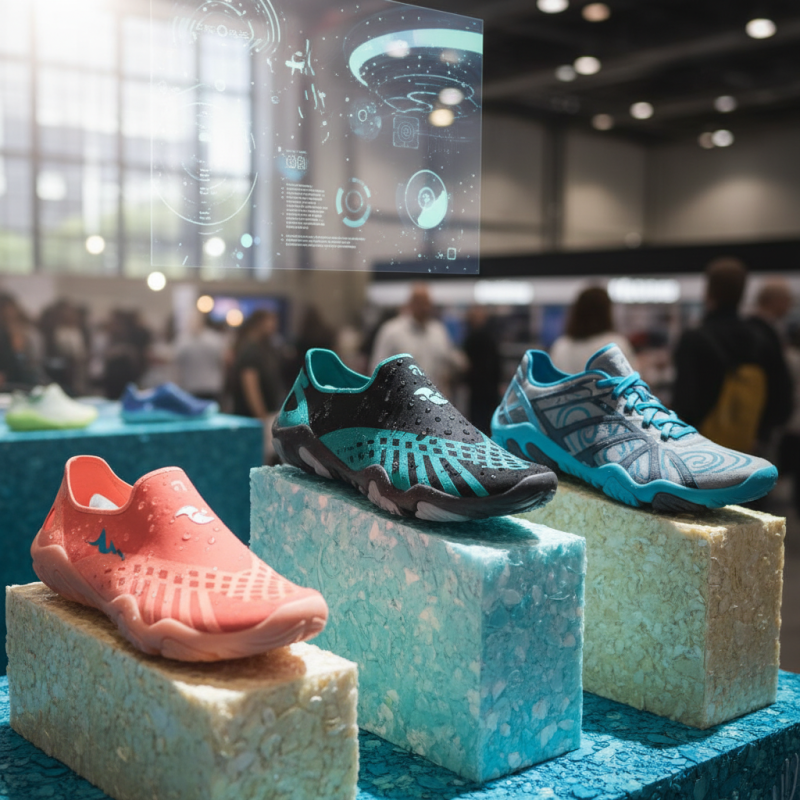
As we approach 2026, the aquatic footwear market is evolving in exciting ways. Consumers are increasingly seeking more than just functionality; they look for comfort and style. Innovative materials are becoming prevalent, offering superior water resistance and breathability. Manufacturers are focusing on sustainable practices, shifting towards eco-friendly materials. This not only reduces environmental impact but also caters to the growing demographic of eco-conscious buyers.

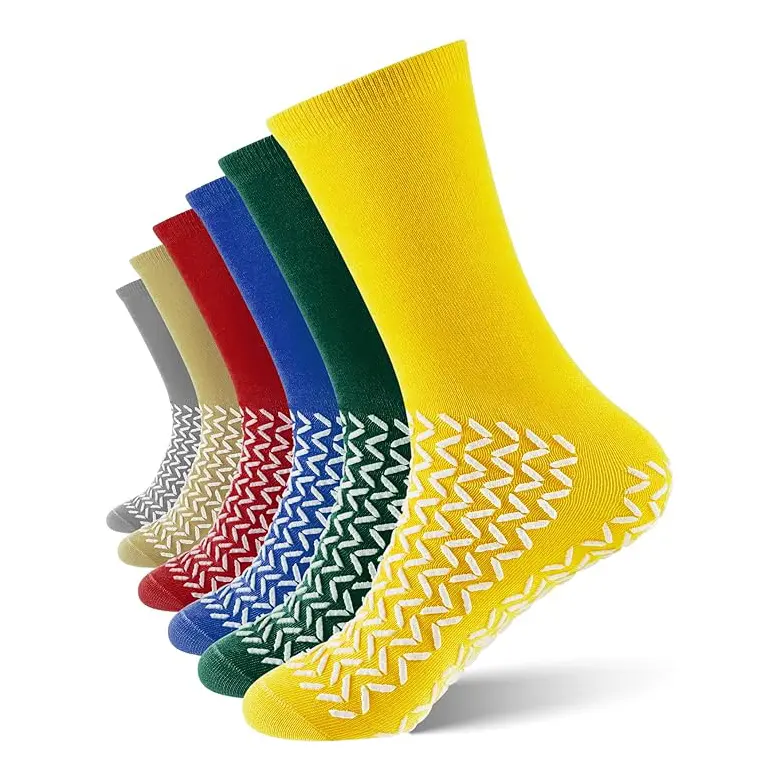
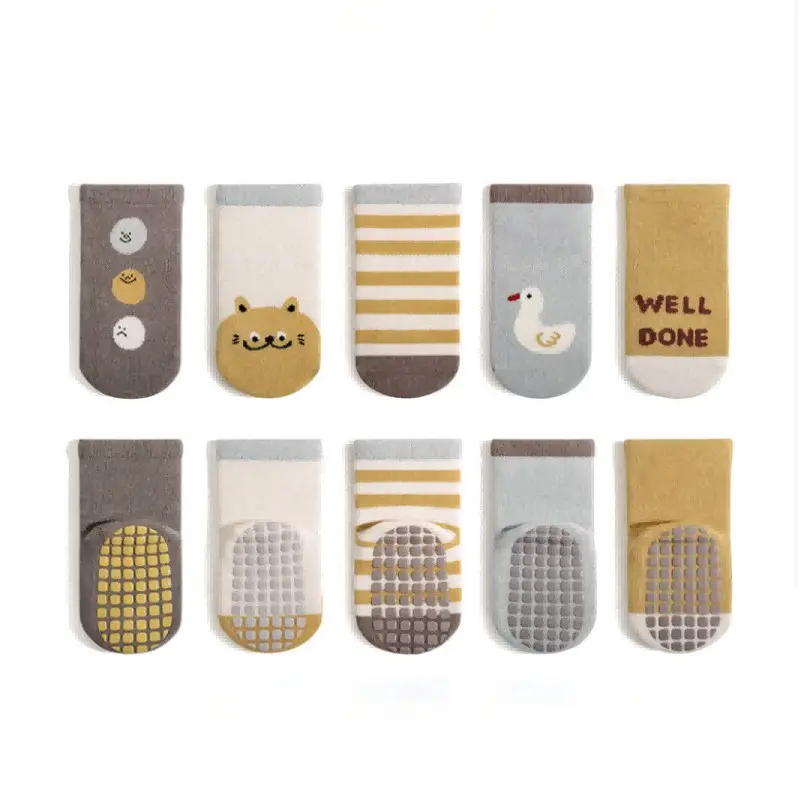
Another emerging trend is the rise of specialized products like Hospital Aquatic Socks. These socks enhance safety and comfort in aquatic environments, especially for those in healthcare settings. Their design prioritizes grip and moisture-wicking properties. Yet, some may question their suitability for everyday use beyond hospitals.

The aesthetics of aquatic footwear are also changing. Vibrant colors and unique patterns are gaining popularity. However, not all designs resonate with consumers. Some may find certain styles impractical or uncomfortable. The challenge lies in balancing style with functionality. As these trends unfold, it will be essential for brands to listen to consumer feedback and adapt accordingly.

2026 Top Aquatic Footwear Trends for Global Buyers Insights

Trend Category Description Target Audience Preferred Materials Market Growth
Eco-Friendly Designs Footwear made from recyclable and sustainable materials. Environmentally conscious consumers. Recycled plastics, natural rubber. 15% annually
Water-Resistant Technology Innovative materials that provide superior water resistance. Water sports enthusiasts. Neoprene, synthetic coatings. 20% annually
Neon and Bright Colors Vibrant, eye-catching color schemes for aquatic activities. Teens and young adults. Polyester, rubber. 10% annually
Customized Features Footwear that can be personalized for fit and function. Health-conscious individuals. Memory foam, adjustable straps. 25% annually
Minimalist Footwear Lightweight and simple designs for natural movement. Athletic individuals. Mesh, lightweight rubber. 18% annually

Key Materials Driving Aquatic Footwear Innovation

In the evolving world of aquatic footwear, innovative materials are crucial. Brands are increasingly using recycled plastics to create sustainable options. This shift not only supports environmental efforts but also enhances design aesthetics. Consumers today seek stylish and eco-friendly shoes. Therefore, brands focusing on sustainability tend to stand out in a crowded market.

Tips: When shopping, look for labels indicating recycled materials. This way, you can support brands committed to sustainability.

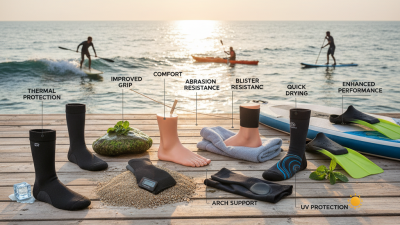
Additionally, new technologies are integrating moisture-wicking fabrics. These fabrics allow for quicker drying times and improved comfort. Aquatic environments can be tough, and comfortable footwear matters. Features like soft cushioning in Spa Grip Footwear can provide extra support. However, not all designs prioritize comfort equally. Testing products before purchasing is wise.

Tips: Always try footwear in water settings when possible. This can help you judge their traction and comfort firsthand.

The material composition of aquatic wear will continue to evolve. Innovation in textures, breathability, and durability is vital. Consumers should remain informed about these advancements as they shop.

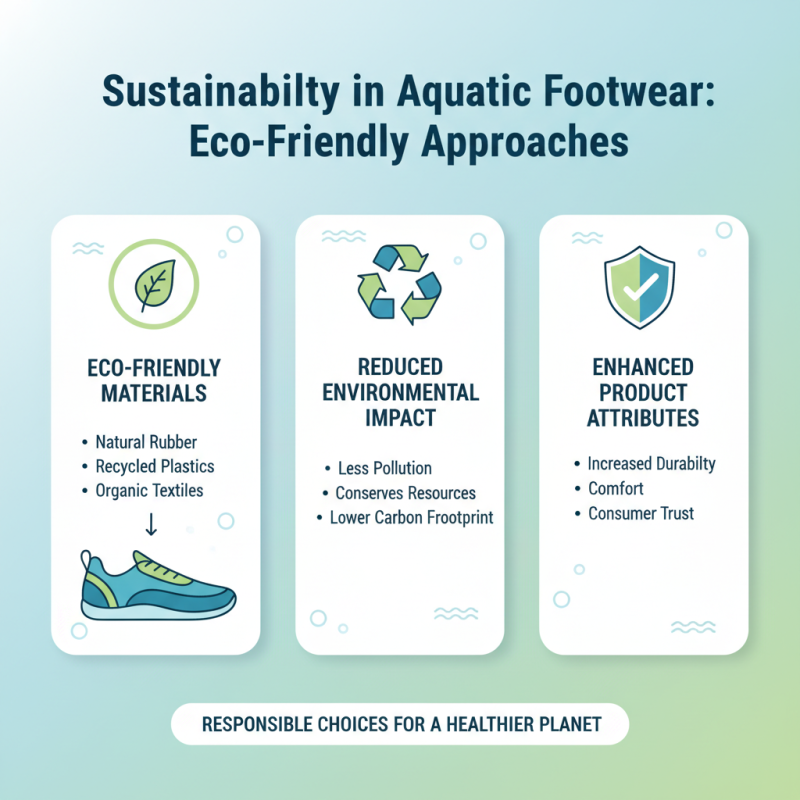
Sustainability in Aquatic Footwear: Eco-Friendly Approaches

2026 Top Aquatic Footwear Trends for Global Buyers Insights

Sustainability is becoming a key trend in aquatic footwear. Many brands are exploring eco-friendly materials for their production processes. This shift reflects growing consumer demand for responsible choices. Natural rubber, recycled plastics, and organic textiles are gaining attention. These materials not only reduce environmental impact but also enhance product durability.

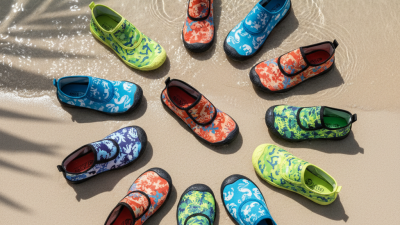
Temporary Footwear options are also emerging in this space. They offer functional, lightweight solutions for various water activities. For instance, water shoes made from biodegradable materials are both practical and environmentally friendly. However, challenges remain in sourcing these materials sustainably. There is a fine balance between aesthetics and ecological integrity.

As brands innovate, it’s essential to communicate transparently. Educating consumers about product life cycles is crucial. Some may find it difficult to trust claims without clear evidence. The journey toward fully sustainable aquatic footwear is ongoing. Striving for improvement will require collaboration across the industry.

Popular Styles and Designs Shaping the Market

The aquatic footwear market is evolving rapidly. Recent industry reports indicate that online sales of these products have surged by 35% in the past year. Consumers are increasingly attracted to innovative designs and enhanced functionality. Styles that combine style with performance are particularly gaining traction.

Key trends include the rise of eco-friendly materials. Footwear made from recycled plastics is now leading the way. According to market research, nearly 45% of buyers prefer sustainable options. This reflects a growing consciousness toward environmental impact. Consumers are not just looking for functionality; they want to make responsible choices as well.

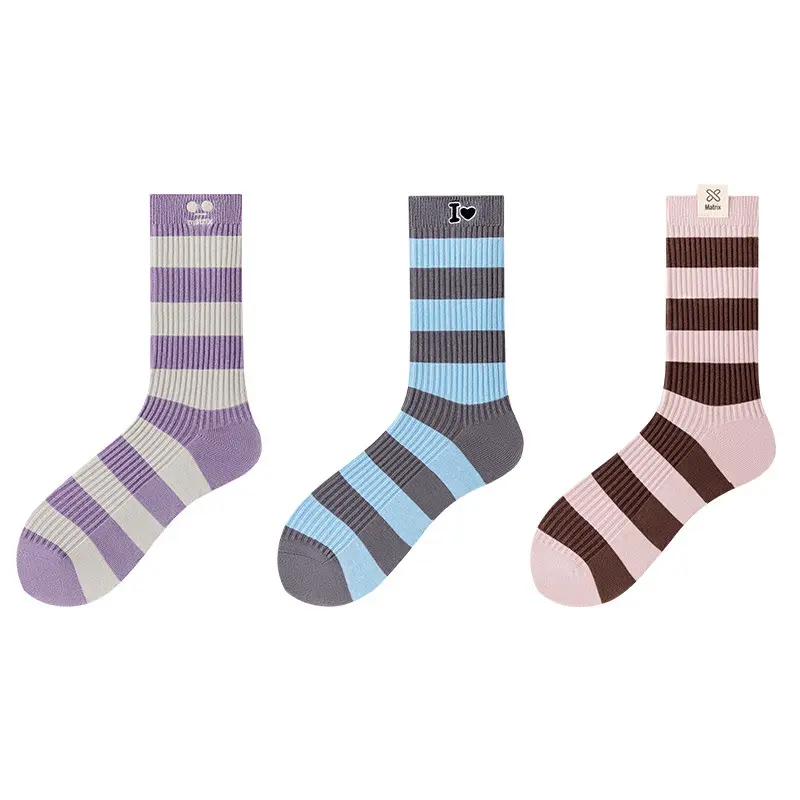
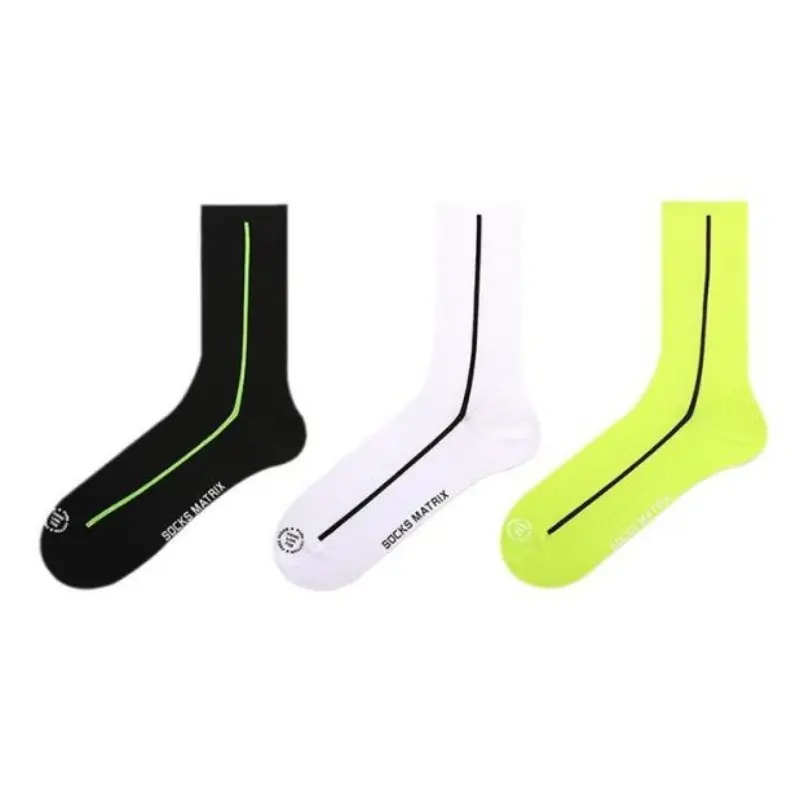
Footwear with vibrant colors and unique patterns is also popular. Bright hues and patterns are becoming standard in aquatic styles. Reports suggest that these designs can boost sales by up to 25%. However, some manufacturers struggle to balance aesthetics with durability. The challenge remains to create vibrant, long-lasting footwear. This highlights areas for improvement in the design process.

Technological Advancements in Aquatic Footwear Performance

The landscape of aquatic footwear is evolving rapidly, driven by technological advancements. Modern designs incorporate materials that enhance comfort and breathability. Innovations in fabric technology ensure that shoes dry quickly after water exposure. Lightweight synthetic materials are becoming more common, providing better performance without sacrificing durability.

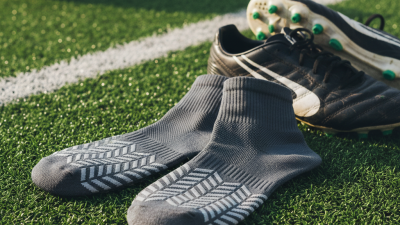
Another focus is on improving traction and grip. New sole designs feature patterns that enhance functionality on wet surfaces. This is crucial for activities such as water sports and beach outings. Using advanced rubber compounds increases the durability of these soles, ensuring longevity. However, some designs may not perform well on all surfaces, leading to safety concerns.

Footwear fitting is also receiving attention. Brands are experimenting with adjustable features for a more personalized fit. Yet, customization can sometimes lead to trade-offs in performance. As manufacturers prioritize flexibility, the trade-offs in stability might require further evaluation. These innovations show promise, but the journey to perfecting aquatic footwear continues.

2026 Top Aquatic Footwear Trends

Regional Preferences: Global Insights into Consumer Choices

The global market for aquatic footwear is evolving rapidly. Various regions show distinct preferences based on climate, water activities, and cultural influences. For instance, coastal communities might lean towards slip-on designs for easy use at beaches. Meanwhile, inland areas might favor durable styles that withstand freshwater activities. This reflects local lifestyles, highlighting how geography plays a crucial role in consumer choices.

In Europe, sustainability is a key factor. Many buyers seek eco-friendly materials. They prefer designs that are both stylish and functional. In contrast, Asian markets may prioritize vibrant colors and intricate designs. These preferences indicate a cultural appreciation for both functionality and aesthetics. Yet, it's noteworthy that these trends are not universal.

Despite the growing emphasis on trends, not all regions are aligned. Some areas still hold on to traditional styles, while others chase the latest innovations. This gap suggests a need for brands to understand local nuances better. Ignoring these subtleties might lead to missed opportunities. Therefore, companies must reflect on how regional preferences impact their strategies in this dynamic market.

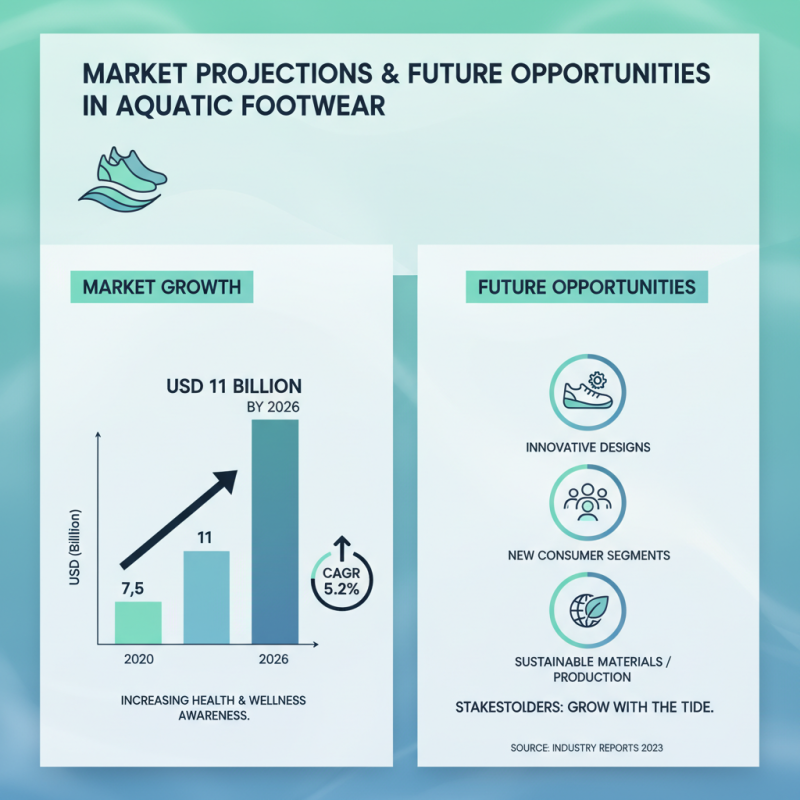
Market Projections and Future Opportunities in Aquatic Footwear

2026 Top Aquatic Footwear Trends for Global Buyers Insights

The aquatic footwear market is set for remarkable growth, reflecting consumers' increasing awareness of health and wellness. According to industry reports, the global market value is projected to reach USD 11 billion by 2026, growing at a compound annual growth rate (CAGR) of 5.2%. This growth presents opportunities for various stakeholders and emphasizes the need for innovative designs.

Nursing Home Footwear, for instance, showcases a vital niche within this sector. Footwear designed specifically for elderly individuals in care facilities prioritizes stability and comfort. The reports indicate a rising demand for slip-resistant and lightweight options, directly addressing safety concerns. However, manufacturers often face challenges in balancing style with practicality.

As fashion trends evolve, sustainability becomes crucial. Eco-friendly materials are gaining traction among environmentally conscious consumers. Brands that adopt this approach can attract a significant share of the market. Nevertheless, the challenge lies in sourcing sustainable materials without compromising quality. It's essential for the industry to rethink its manufacturing practices while staying attuned to consumer preferences.

FAQS

: What materials are commonly used in sustainable aquatic footwear?

: Brands often use recycled plastics, natural rubber, and organic textiles for eco-friendly shoes.

How can consumers support sustainability when shopping?

Look for labels indicating recycled materials on footwear to promote responsible choices.

Why is moisture-wicking fabric important in aquatic footwear?

It allows for quicker drying and better comfort in challenging aquatic environments.

How should consumers test aquatic footwear before buying?

Trying footwear in water settings helps assess traction and comfort effectively.

What new trends are emerging in aquatic footwear?

Temporary Footwear options are lightweight and functional, often made from biodegradable materials.

Why is transparency important in sustainable footwear claims?

Consumers need clear evidence to trust sustainability claims from brands, fostering better choices.

Are all aquatic footwear designs comfortable?

No, comfort varies among designs. Testing is necessary to ensure proper fit and cushioning.

What is the future of materials in aquatic footwear?

Material innovation will focus on breathability, durability, and sustainable sourcing, but challenges remain.

Conclusion

The article "2026 Top Aquatic Footwear Trends for Global Buyers Insights" explores the dynamic landscape of aquatic footwear, highlighting emerging trends that are set to shape the market in 2026. Key materials driving innovation are examined, with a focus on sustainability and eco-friendly approaches that prioritize environmental responsibility. An overview of popular styles and designs demonstrates the diverse preferences among consumers, while technological advancements are discussed in relation to enhancing footwear performance.

Additionally, the article provides insights into regional preferences, showcasing the varying consumer choices across different markets. With robust market projections, it identifies future opportunities for growth within the aquatic footwear sector, emphasizing the need for adaptability to stay ahead in this evolving industry. Overall, the trends identified signal a vibrant future for aquatic footwear, driven by innovation and a commitment to sustainability.

Ethan

Ethan

Ethan is a dedicated marketing professional at Sichuan MiFo Technology Co., Ltd., a leading hosiery group established in 2013. With a deep understanding of the company's innovative products and a passion for the hosiery industry, he plays a pivotal role in driving the company's marketing......
Previous Why Are Men's Soccer Grip Socks Essential for Optimal Performance?