Hygienic Trial Socks are really changing the game when it comes to foot health. Did you know that, according to the Foot Health Association, more than 70% of people struggle with foot problems just because they don’t take proper care of their feet? Honestly, choosing the right socks can make a huge difference. Dr. John Smith, a well-known podiatrist, mentions that, "Using Hygienic Trial Socks can really cut down on foot irritations and help overall comfort."
These socks are pretty great because they wick away moisture, keeping your feet dry — which, let’s be honest, is super important in preventing fungal infections. Plus, their antimicrobial properties help keep bacteria at bay. The National Institute of Foot Health reports that folks who wear these socks see about a 30% drop in foot odor — not too shabby, right?
That said, not all Hygienic Trial Socks are the same. The quality and materials can really vary, so you gotta pick wisely. As Dr. Smith emphasizes, "The right socks are just as important as your shoes when it comes to keeping your feet healthy." Investing in good quality socks really can make all the difference in the long run.
Understanding Hygienic Trial Socks and Their Importance
Hygienic trial socks are crucial for maintaining healthy feet. They are designed to keep feet fresh and clean during testing procedures or trial runs. Their unique materials help reduce moisture buildup, which can lead to fungal infections. In addition, these socks often have antimicrobial properties that prevent odor and bacteria growth.
When using hygienic trial socks, remember to change them regularly. This simple action can keep your feet dry and comfortable. If you feel dampness, it’s time for a change. Proper foot hygiene is essential, especially for those who engage in physical activities. Ensure the socks fit well, as tight socks may restrict blood circulation, leading to discomfort.
Another tip is to wash trial socks properly. This maintains their hygienic qualities and ensures longevity. Avoid using fabric softeners; they may diminish their effectiveness. Pay attention to how your feet feel after wearing these socks. Any irritation should be addressed immediately. Listening to your feet is as important as choosing the right socks.
Benefits of Moisture-Wicking Materials for Foot Health
Moisture-wicking materials play a crucial role in maintaining healthy feet. These fabrics draw sweat away from the skin, helping to keep feet dry. When feet stay dry, they are less prone to blisters and fungal infections. Imagine slipping on a pair of socks that keep your feet feeling fresh, even after a long day.
In addition to comfort, moisture-wicking socks can regulate temperature. They help prevent excessive sweating in hot weather. This can lead to a reduction in foot odor too. However, not all moisture-wicking materials are created equal. Some may lose their effectiveness after multiple washes. It's essential to pay attention to care instructions to maintain their performance.
Choosing the right socksis an important decision. The right fit matters just as much as the fabric. Ill-fitting socks can cause discomfort and even foot problems in the long run. Regularly assessing the state of your socks can lead to better foot health. Investing in quality Hygiene Socks may seem trivial, but it can substantially impact your daily life.
Preventing Foot Odor through Hygienic Sock Designs
Choosing the right socks can greatly impact foot health. Hygienic trial socks are designed to combat foot odor effectively. They are made from materials that wick away moisture, preventing sweat buildup. Moisture is a breeding ground for bacteria, which leads to unpleasant odors. By using these socks, you can keep your feet fresher for longer.
When trying new hygienic socks, pay attention to the fit. Loose socks can lead to rubbing and blisters. Tight-fitting socks might restrict circulation. It's a balancing act. Look for socks with breathable fabrics. They should allow air flow while keeping your feet dry. This combination is essential for odor prevention.
Here are some tips: Change your socks daily. This simple habit can make a huge difference. Wash your feet regularly and keep your toenails trimmed. Moisture from feet can linger in your socks. Also, consider rotating different types of socks for various activities. Not all socks serve the same purpose. Test different styles to find what works best for your foot health.
The Role of Compression in Enhancing Circulation
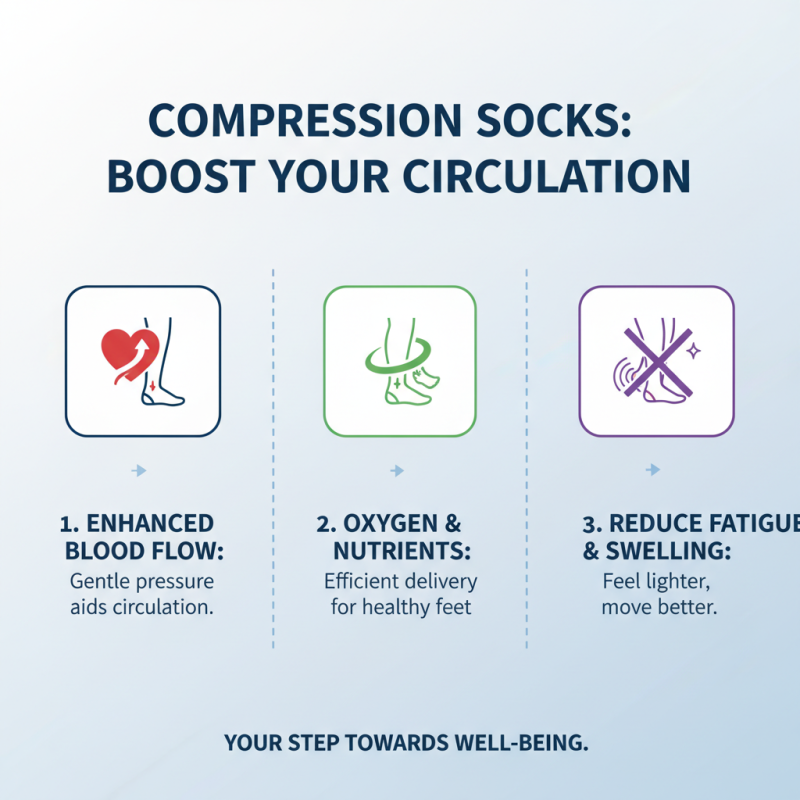
Compression Socks play a significant role in enhancing circulation. They apply gentle pressure to the legs, promoting better blood flow. This is essential for healthy feet. Improved circulation helps in delivering oxygen and nutrients efficiently. It can reduce fatigue and swelling considerably.
When choosing compression socks, look for the right fit. They should feel snug but not overly tight. If they pinch your skin, they might be too small. Go for graduated compression. This means the pressure is highest at the ankle and decreases up the leg. This design helps push blood back towards the heart.
Here's a tip: ensure you wear these socks during physical activities. They are beneficial when hiking, jogging, or standing for long periods. However, take them off if your feet feel uncomfortable. Pay attention to how your body reacts. Everyone’s feet are different, and what works for one person might not work for another. Always listen to your body.
Reducing Blisters and Skin Irritations with Proper Sock Fit
Wearing properly fitted hygienic trial socks can greatly reduce blisters and skin irritations. Many people overlook the importance of sock fit. Tight or loose socks can cause friction. This friction leads to painful blisters. Keeping your feet dry and comfortable is crucial for foot health.
In addition to fit, material matters too. High-quality fibers wick moisture away. They help prevent blisters and keep feet fresh. Finding socks that fit well is not always easy. Some styles can cling to your skin. Others may bunch up, causing irritation. It’s worth trying different options to find the right balance.
Pay attention to the construction of your socks. Seamless designs can minimize pressure points. However, some seams might still cause discomfort. It’s important to test socks during different activities. Walking, running, or standing may feel different. Remember, healthy feet contribute to overall well-being. Investing time in choosing the right socks can make a real difference.
Choosing the Right Size and Thickness for Optimal Comfort
Choosing the right size and thickness for hygienic trial socks is crucial for achieving optimal comfort. According to a study by the American Podiatric Medical Association, properly fitted socks can reduce the risk of blisters and foot irritations. This is essential for people who spend long hours on their feet. A snug fit ensures that the sock stays in place, preventing unnecessary friction that can lead to painful sores.
The thickness of the sock is another important factor. A report by Footwear Science indicates that socks with varying thickness provide different levels of insulation and cushioning. Thicker socks may be ideal for colder climates, as they trap heat better. However, they can lead to overheating in warmer conditions. Balancing thickness with the intended activity is key. It can be challenging to find the perfect sock that does not create bulk but still offers comfort and protection.
Sock size matters too. Many people wear the wrong size, which can compromise their comfort. The Foot Health Foundation suggests measuring feet regularly, as sizes can change over time. If your socks feel tight or loose, it might be time to reevaluate your choice. This simple step can greatly enhance your overall foot health and comfort.
Caring for Hygienic Trial Socks to Maintain Their Benefits
Caring for hygienic trial socks ensures they continue to provide health benefits. Regular washing is crucial. The American Podiatric Medical Association highlights that clean socks can reduce foot odor and fungal infections. It’s recommended to wash socks after each use. This simple step can significantly impact foot health.
Proper drying is just as important. Socks should be air-dried when possible. High heat can damage the fibers, reducing their effectiveness. A study published in the Journal of Foot and Ankle Research suggests that dried-out materials can harbor bacteria. If socks are not adequately dried, they can foster an unhealthy environment for your feet.
Storing socks correctly is another vital aspect. Use a cool, dry place to keep them. Humidity can lead to mold growth. Keeping socks in a sealed container might save space, but it can trap moisture, negating their hygienic benefits. Reflecting on these practices can help maintain the longevity and effectiveness of hygienic trial socks.
Top 10 Benefits of Hygienic Trial Socks for Healthy Feet
FAQS
: Evaluate your goals carefully. Identify your target audience and their needs. Set a realistic timeline.
Focus on communication. Collaborate with your team regularly. Check progress against your goals often.
Acknowledge the issues. Analyze them without panic. Discuss solutions openly with your team.
Feedback is crucial for improvement. Be open to criticism. It helps you refine your work and grow.
Flexibility is key. Adapt your plan as needed. Sometimes changes lead to better outcomes.
Set small, achievable milestones. Celebrate those achievements. Keep reminding yourself of your initial passion.
Reflect on why it occurred. Communicate with your team about adjustments. Learn from the experience.
Yes, documentation helps track progress. It also serves as a learning tool for future projects.
Prioritize tasks carefully. Identify the most critical elements. Sometimes a trade-off is unavoidable.
Address conflicts promptly. Listen to all perspectives. Finding common ground is vital in resolving issues.
Conclusion
Hygienic Trial Socks are essential for maintaining foot health, offering various benefits that contribute to overall well-being. These socks are designed with moisture-wicking materials, which help keep feet dry, thus preventing foot odor and fostering a healthier environment for the skin. The incorporation of compression features enhances circulation, making them ideal for individuals who remain on their feet for extended periods. Additionally, a proper fit reduces the risk of blisters and skin irritations, promoting comfort throughout the day.
To maximize their benefits, it's crucial to choose the right size and thickness of Hygienic Trial Socks. Proper care and maintenance are also key to ensuring they retain their protective and health-promoting properties. By incorporating Hygienic Trial Socks into daily routines, individuals can enjoy healthier feet and improved overall foot hygiene.

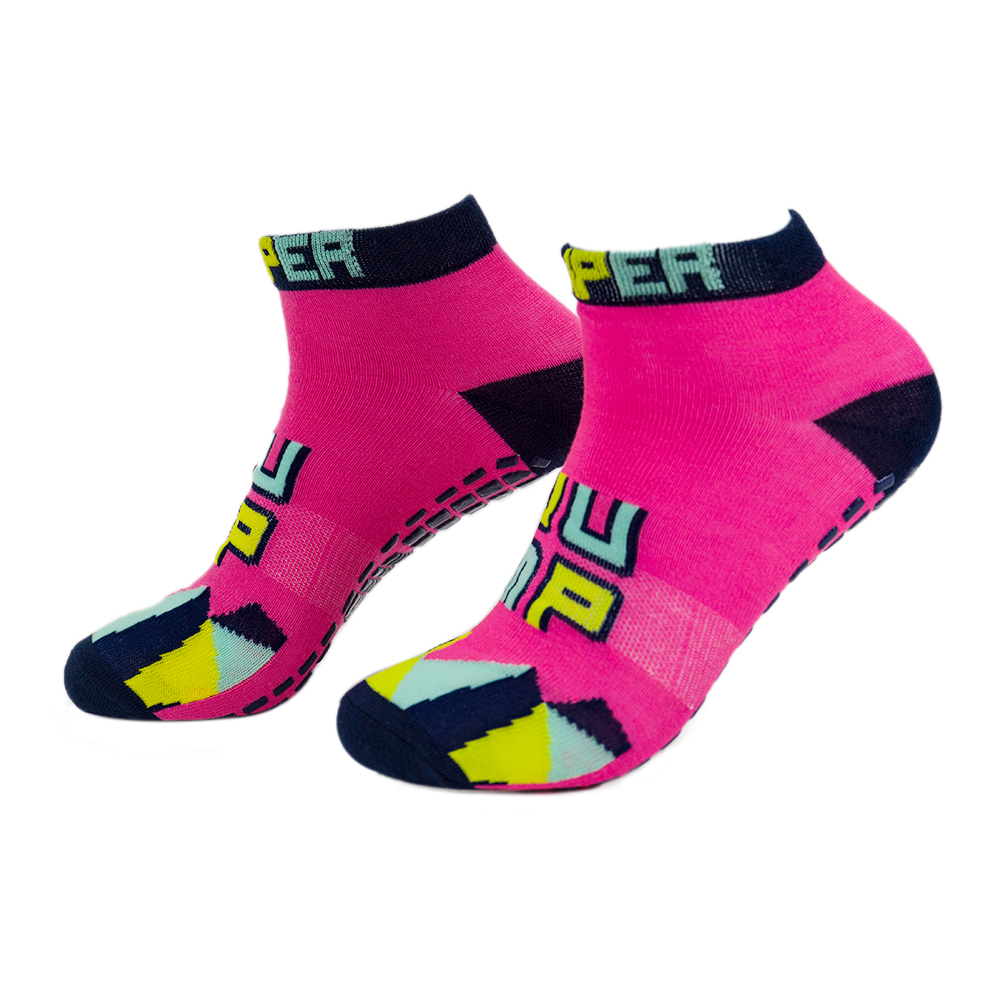 Trampoline Socks
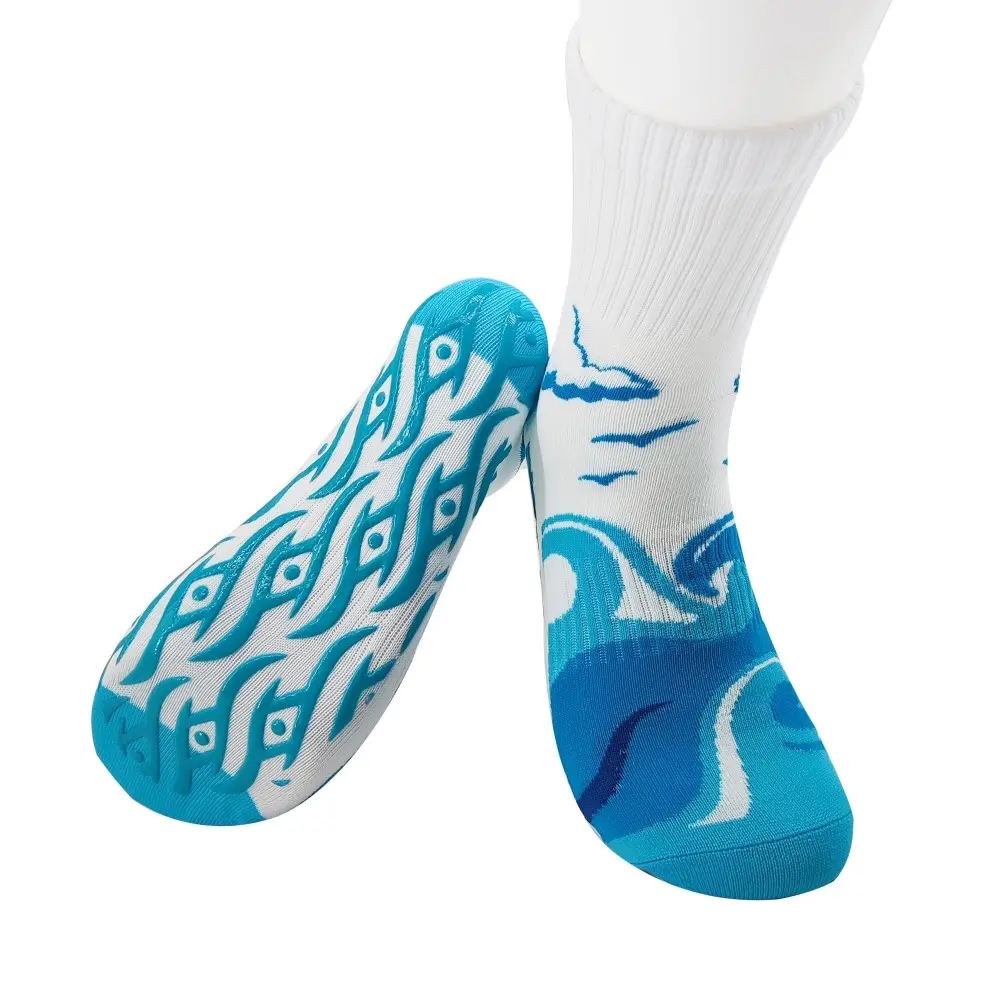 Aqua Park Socks
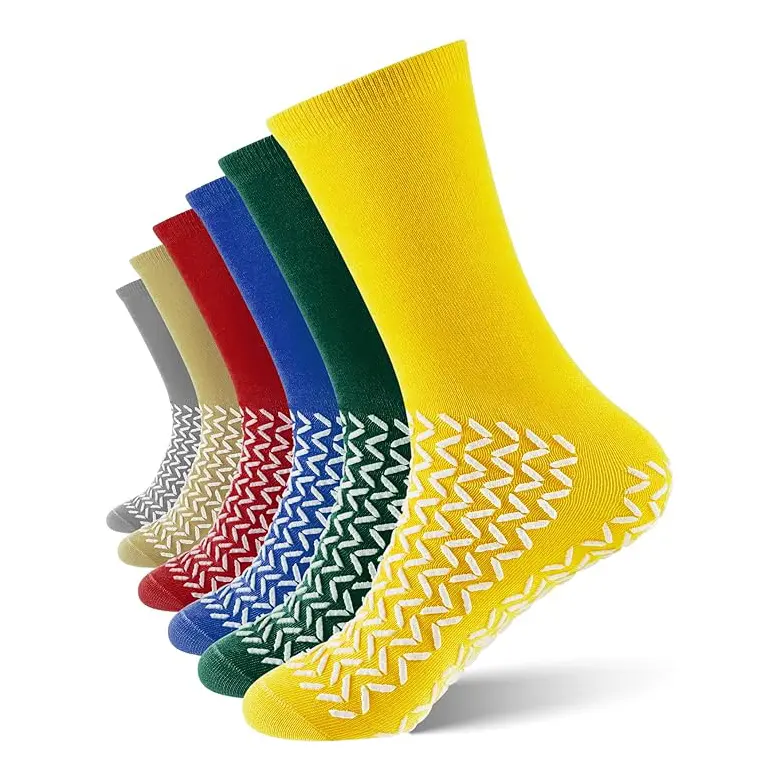 Hospital Slipper Socks
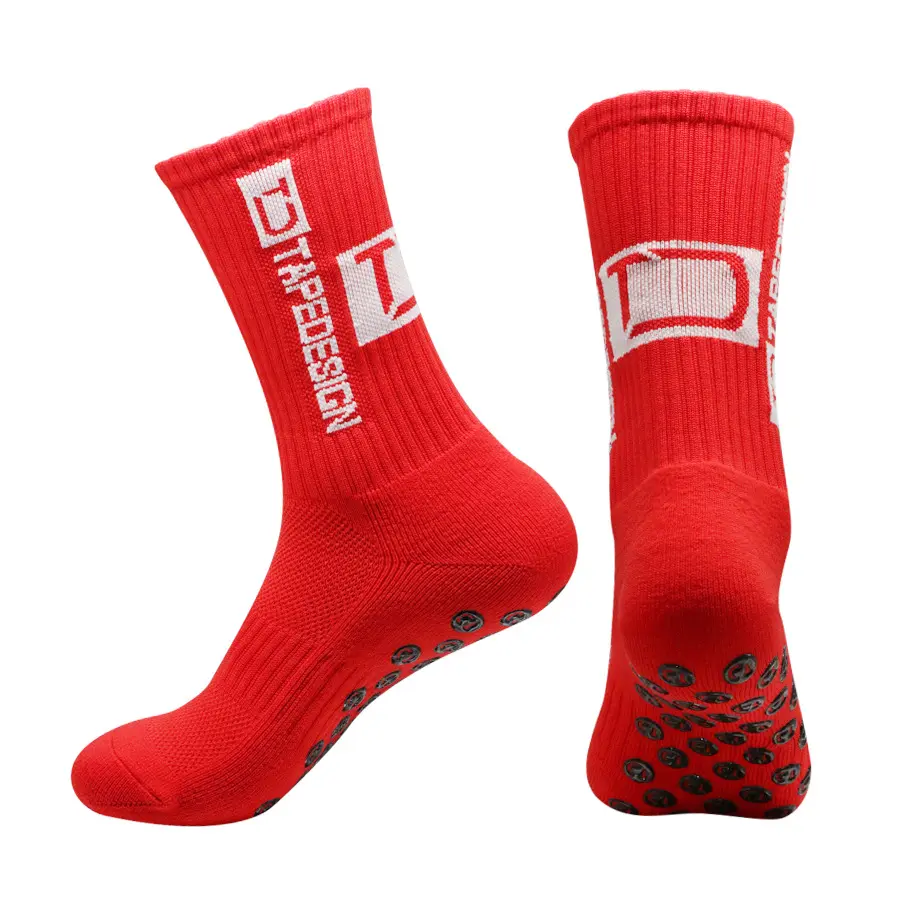 Grip Football Socks
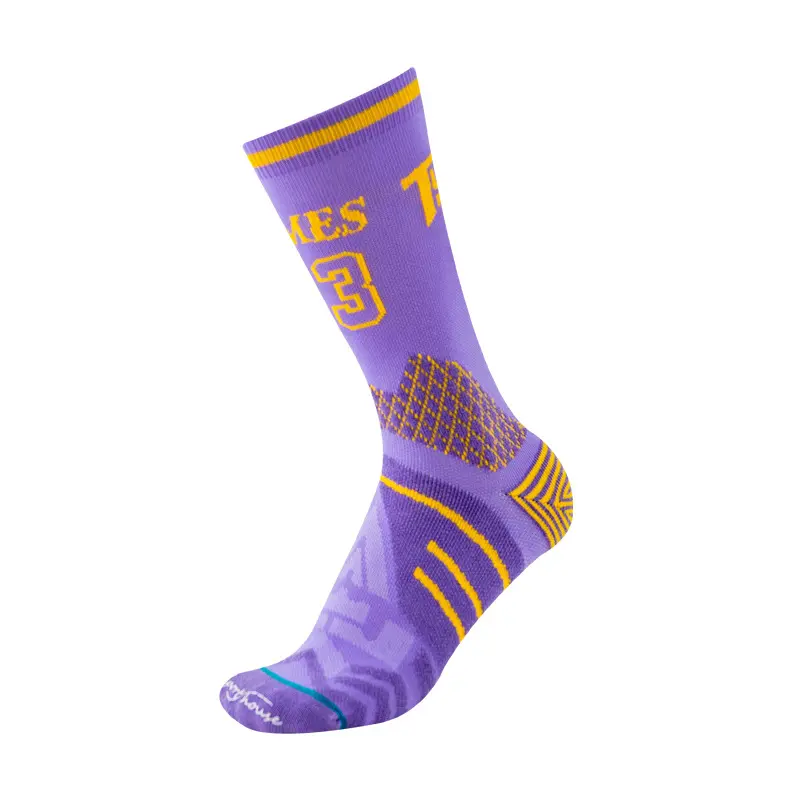 Basketball Socks
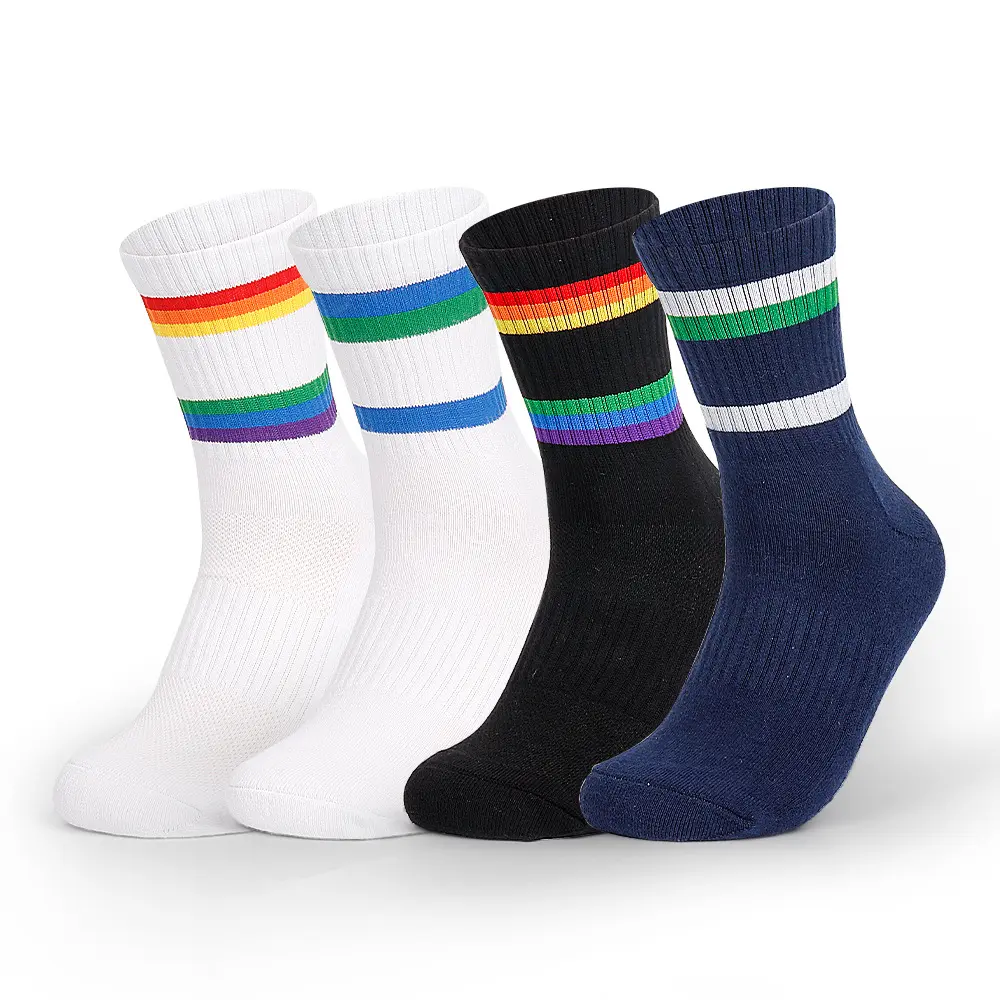 Badminton Socks
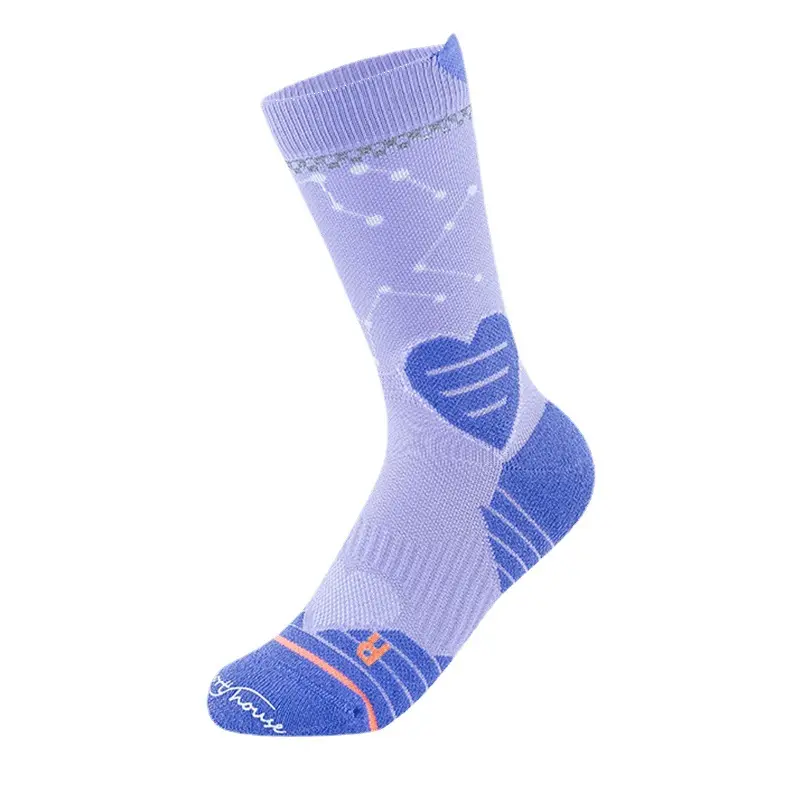 Cycling Socks
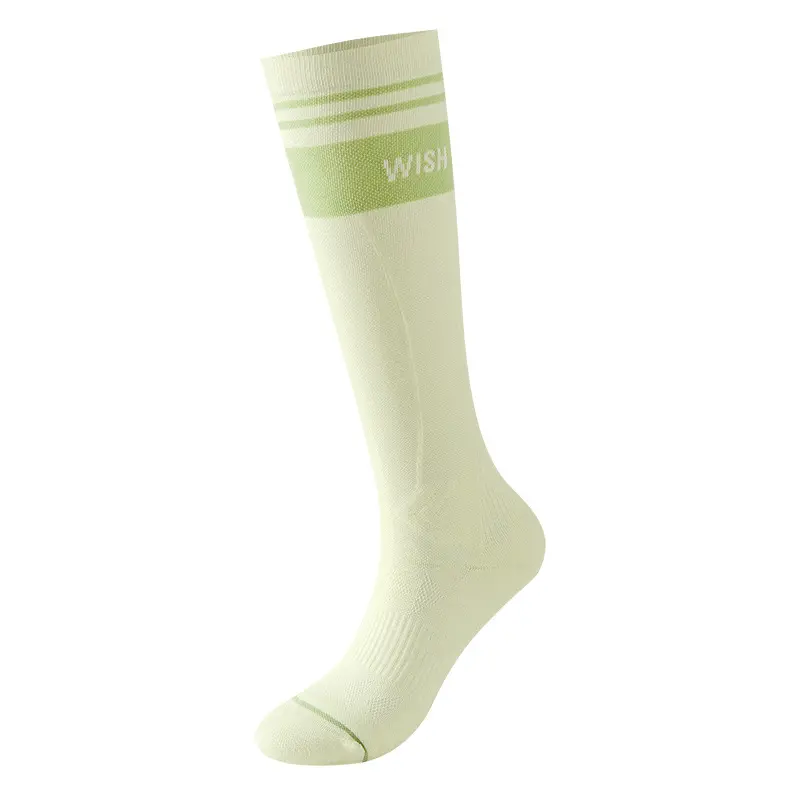 Running Socks
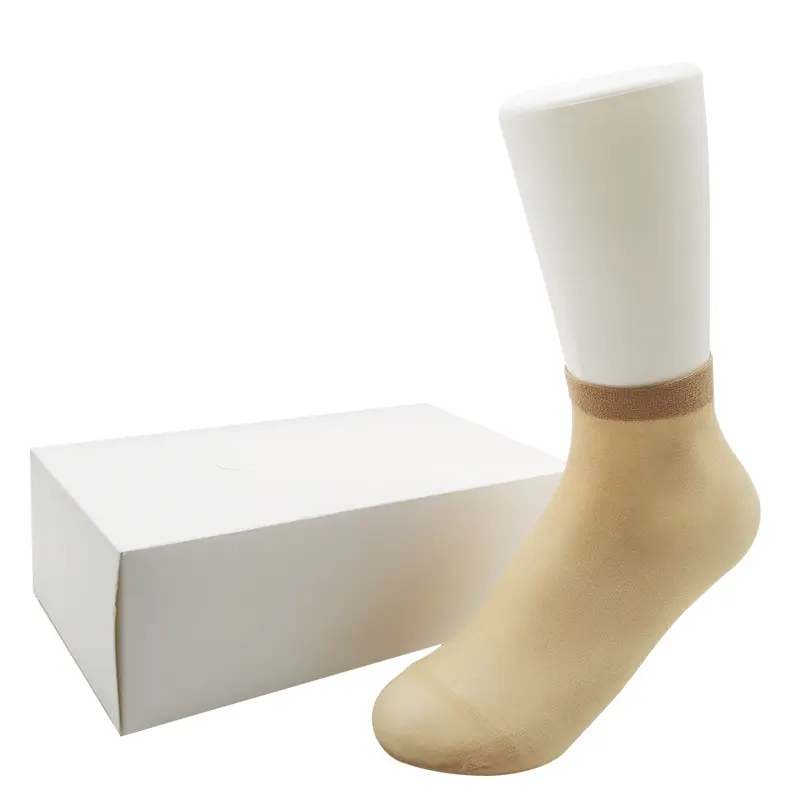 Disposable Socks Bowling Alley Socks
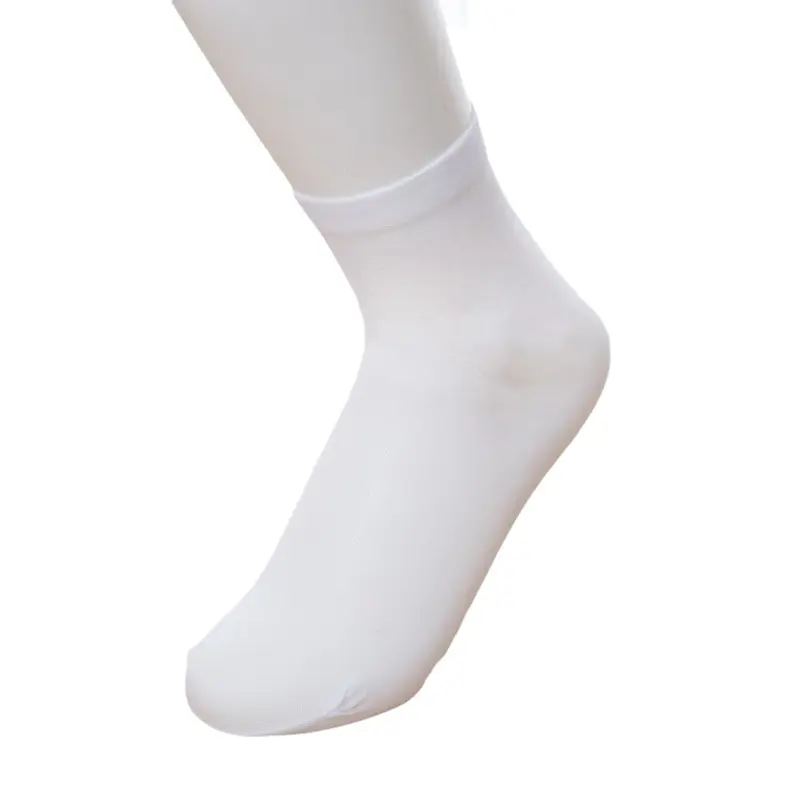 Disposable socks
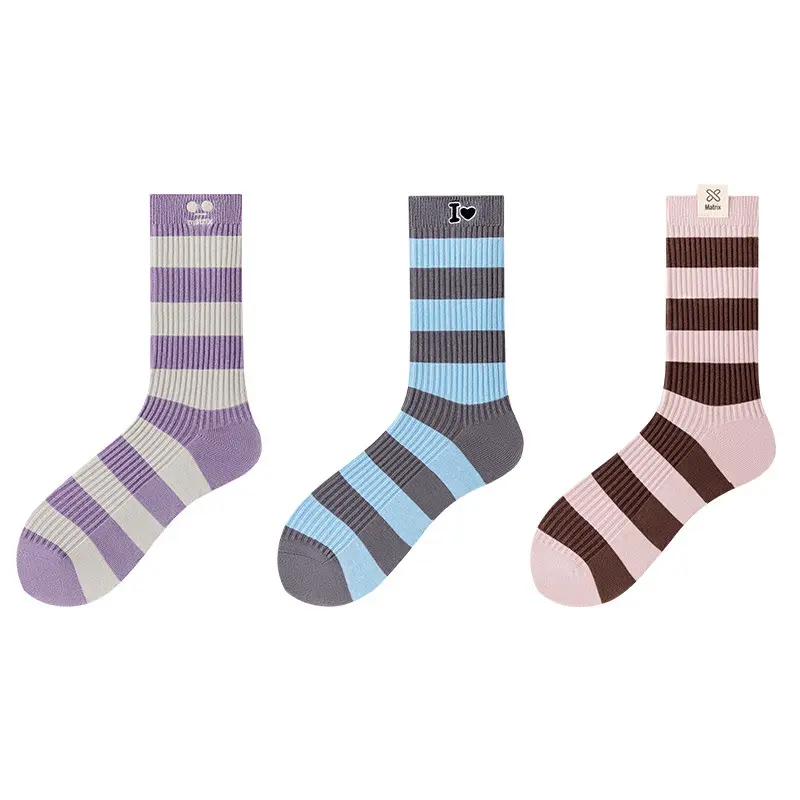 Warm Colorful Striped Crew Socks for Women
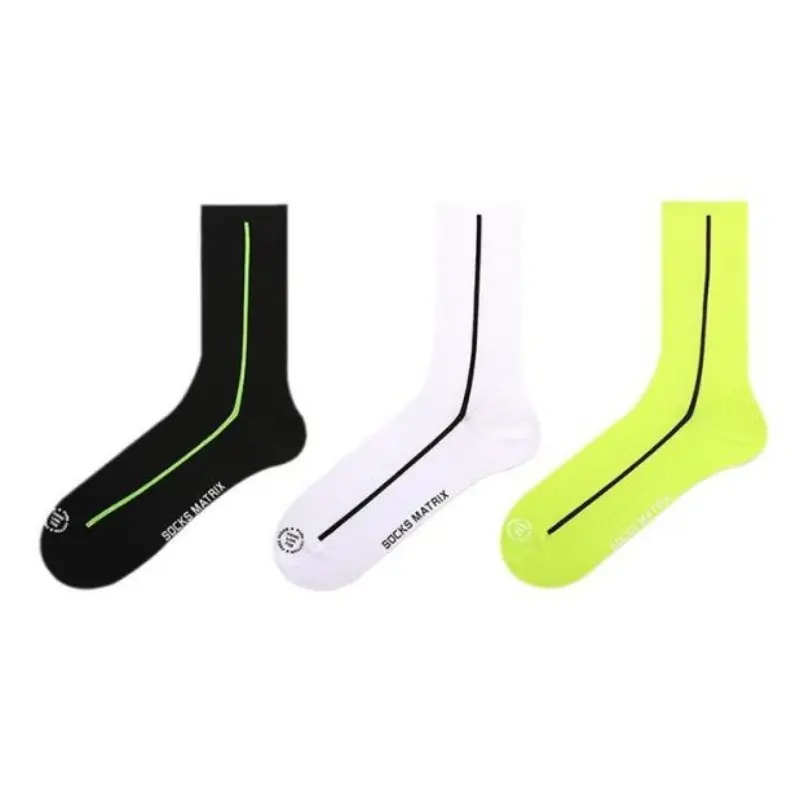 Custom Unisex Crew Socks Breathable Socks
 Digital Printing Vintage Crew Socks
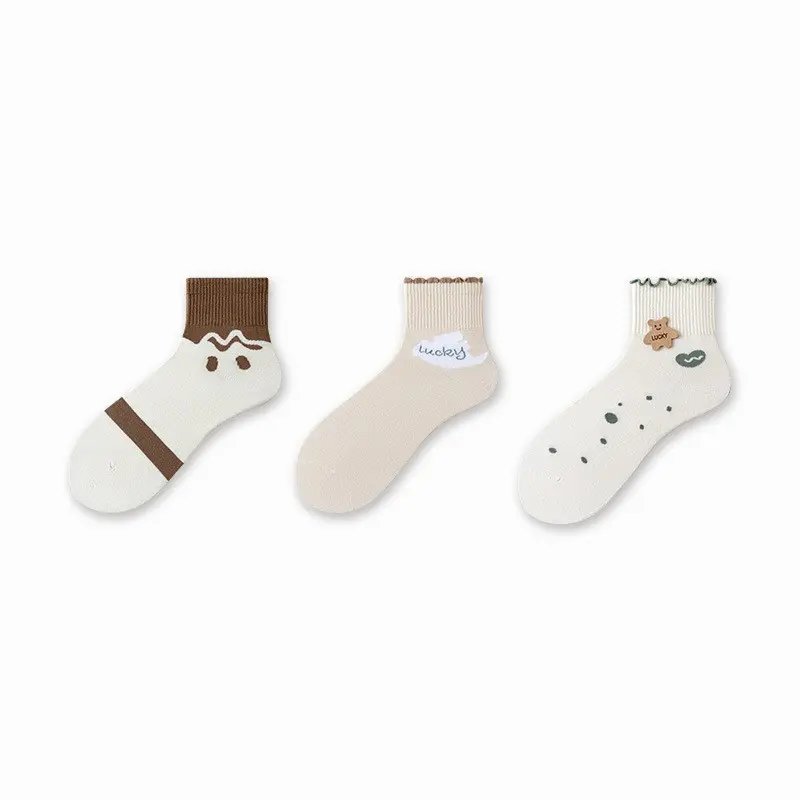 Animal Fuzzy Cartoon Crew Socks for Women
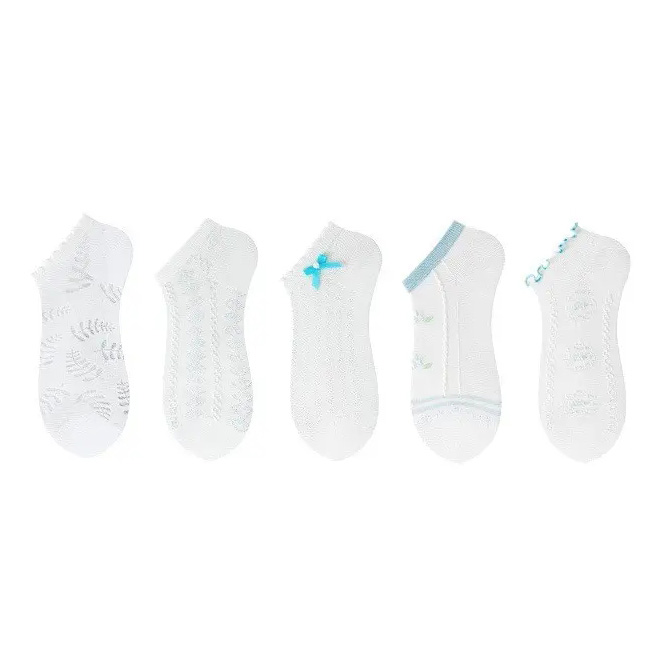 Cotton Flower Ankle Socks Low Cut Socks
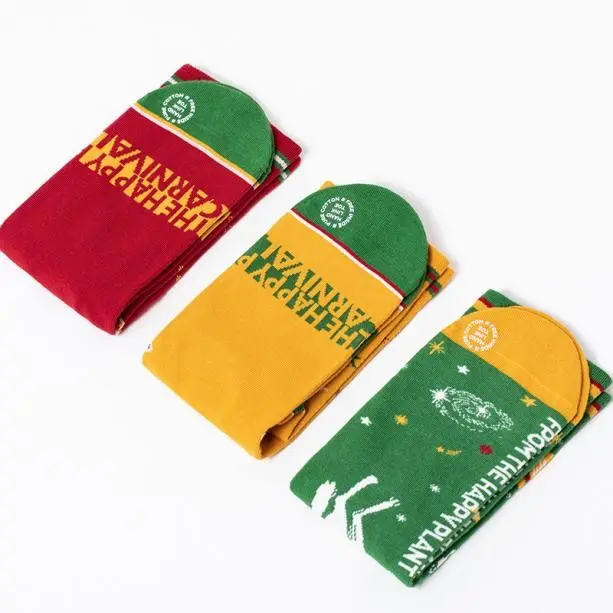 Thick Christmas Festival Crew Socks
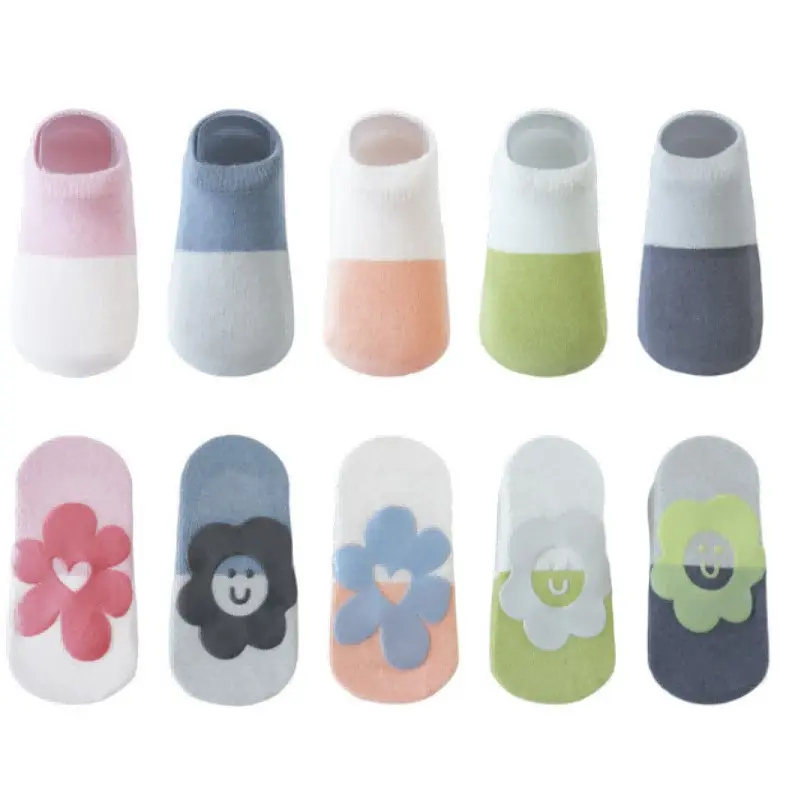 Cotton Cute Anti Slip Baby Ankle Socks with Cartoon
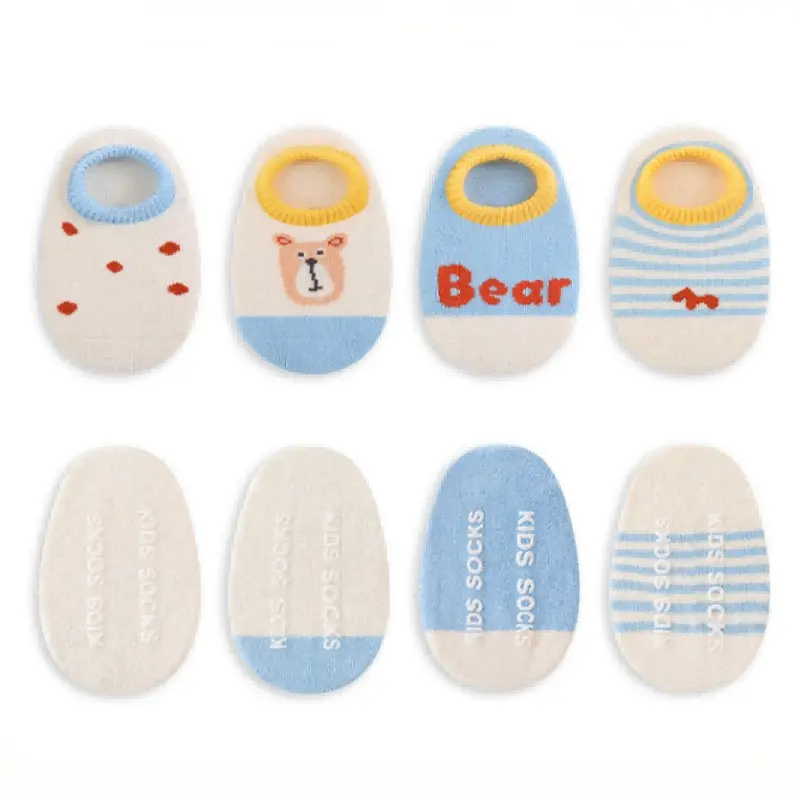 Colorful Soft Baby Socks Anti-slip
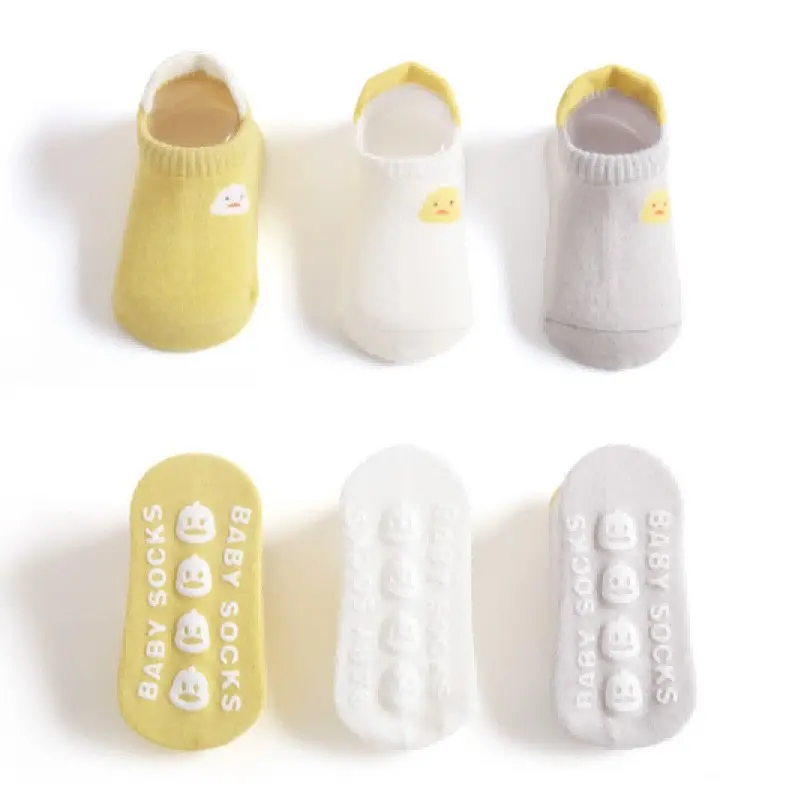 Non Slip Soft Ankle Baby Toddlers Socks
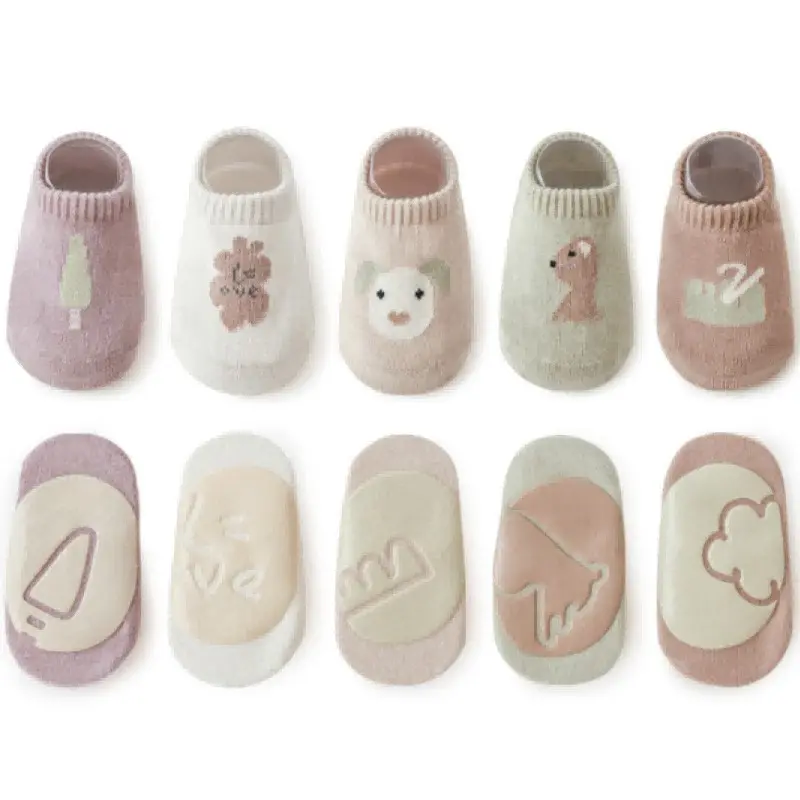 Cartoon Baby Socks With Grips Crew Walking Socks
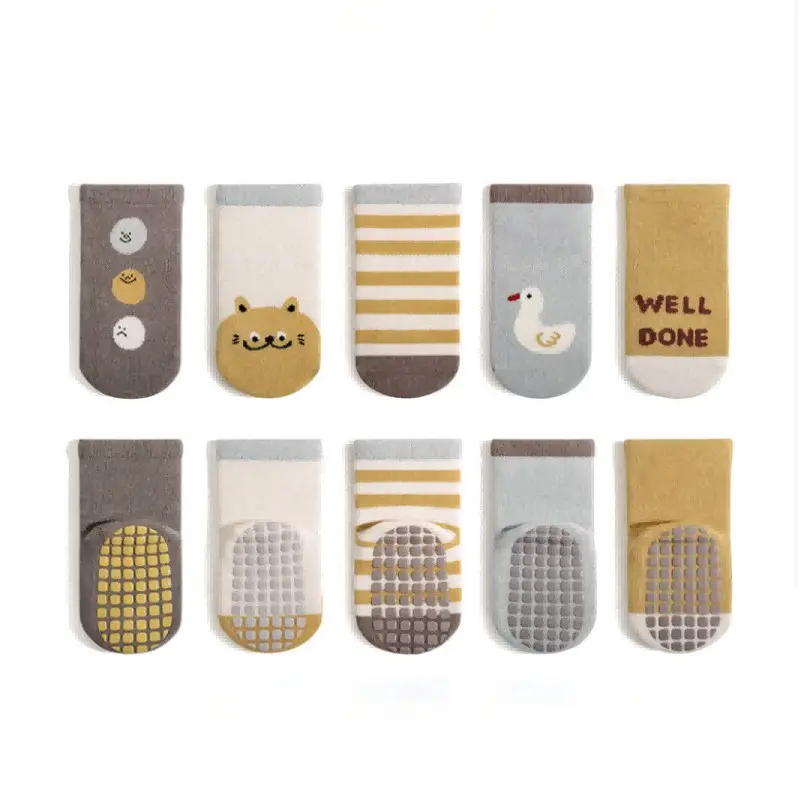 Baby Socks Floor Grip Mid-tube Socks with Cartoon