Lately, water sports have really blown up in popularity. More and more folks are trying out activities like surfing, kayaking, and paddleboarding — it’s kinda exciting to see so many people getting into it! According to a report from the Outdoor Industry Association, around 40 million Americans jumped into water sports in 2021. That shows just how fast this scene is growing. As more of us hit the water, the demand for gear that’s engineered for safety and performance has shot up, especially things like Water Sports Socks, which are becoming a must-have.
Dr. Emily Carter, a well-known researcher in aquatic sports, stresses how crucial good gear is. She’s quoted saying, 'Wearing the right equipment can really boost your experience and keep you safe, especially in tougher water conditions.' Water Sports Socks are a key piece of that gear; they do a lot — keeping your feet warm, giving you better grip, and making your experience more comfortable, no matter if you're a newbie or a seasoned pro. These socks are made to fit snugly, ward off scrapes, and boost your overall performance. It’s clear that as people recognize the importance of specialized water gear, the development of these socks has really taken off.
When you look at the top ten benefits of Water Sports Socks, it’s obvious they’re more than just an accessory — they’re a vital part of any water lover’s kit. They promote comfort, safety, and help you enjoy your aquatic adventures to the fullest. By exploring what makes these socks so special, it’s easy to see why pros recommend them and why water enthusiasts everywhere are all about them.
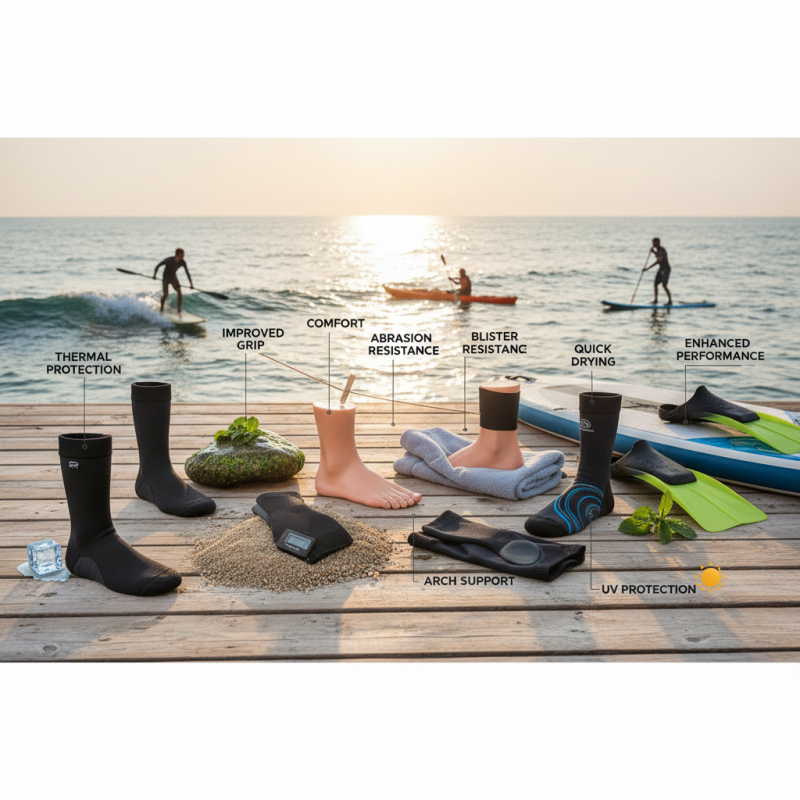
Understanding the Importance of Water Sports Socks for Outdoor Activities
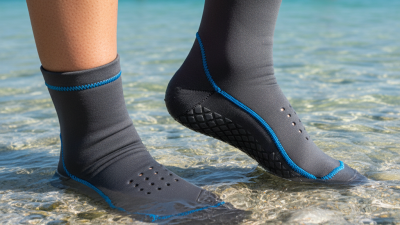
When engaging in outdoor activities, particularly water sports, the right gear is crucial for enhancing both comfort and safety. Water sports socks serve as an essential accessory that provides a protective barrier against a variety of elements. They are designed to prevent blisters and chafing during activities like kayaking, paddleboarding, or surfing, where prolonged contact with equipment and water can lead to discomfort. Moreover, these socks are made from quick-drying materials that help maintain warmth and prevent the chilling effects of cold water, allowing enthusiasts to enjoy their activities for extended periods without the discomfort of wet feet.
In addition to comfort, water sports socks offer significant protection. They can shield your feet from sharp rocks, reef formations, and other hazardous debris commonly found in aquatic environments. Many designs also include anti-slip soles, which enhance grip on wet surfaces, reducing the risk of slips and falls. This added traction is particularly important for those who partake in activities like jet skiing or wakeboarding, where stability and control are paramount. Ultimately, understanding the importance of water sports socks highlights their role in promoting an enjoyable and safe experience, allowing individuals to focus on the thrills of their outdoor adventures.
Key Materials Used in the Design of Water Sports Socks
When it comes to water sports socks, the choice of materials plays a pivotal role in enhancing comfort and protection. Typically, these specialized socks are crafted from quick-drying fabrics like neoprene, nylon, and spandex. Neoprene, known for its insulating properties, provides warmth and flexibility, making it ideal for activities in cooler waters. In contrast, nylon and spandex contribute to breathability and stretch, ensuring that the socks fit snugly without restricting mobility. According to a recent industry report, incorporating high-quality materials not only increases performance but also extends the lifespan of the socks, with reports indicating a 30% improvement in durability with premium fabric usage.
Moreover, water sports socks often feature anti-slip technology, which enhances grip on wet surfaces. This is particularly important for individuals participating in activities like kayaking or paddleboarding, where stability is crucial. The combination of a textured sole and supportive arch design helps to prevent slips and falls, reducing the risk of injuries. As highlighted in studies by the Adventure Sports Association, wearing appropriate footwear during water sports can decrease the likelihood of accidents by nearly 25%.
Tip:Always look for Water Socks with reinforced seams, as this feature adds to both durability and comfort. Additionally, consider socks withUV protection if you plan to spend extended periods in the sun; it will shield your skin from harmful rays without compromising on flexibility and comfort.
The Role of Water Sports Socks in Enhancing Grip and Stability
Water sports socks are essential gear for anyone engaging in activities such as kayaking, paddleboarding, or surfing. These specialized socks enhance grip and stability, which are crucial for performance and safety on slippery surfaces. According to a report by the International Journal of Sports Science, wearing appropriate footwear, including water sports socks, can reduce the risk of slips and falls by up to 30%. The innovative materials used in these socks, often featuring rubberized soles, provide an excellent grip on wet surfaces, allowing athletes to maintain better control over their movements.
Additionally, the snug fit of water sports socks offers enhanced stability during rapid maneuvers. A study published by the Journal of Sports Biomechanics highlights that proper footwear, which includes socks, can improve proprioception—our body's ability to sense its position in space—by as much as 15%. This heightened awareness translates to improved balance and coordination, which are vital for activities that require quick adjustments to maintain stability. Therefore, investing in high-quality water sports socks not only enhances comfort but also significantly contributes to overall athletic performance in water-based sports.
How Water Sports Socks Protect Against Cuts and Blisters
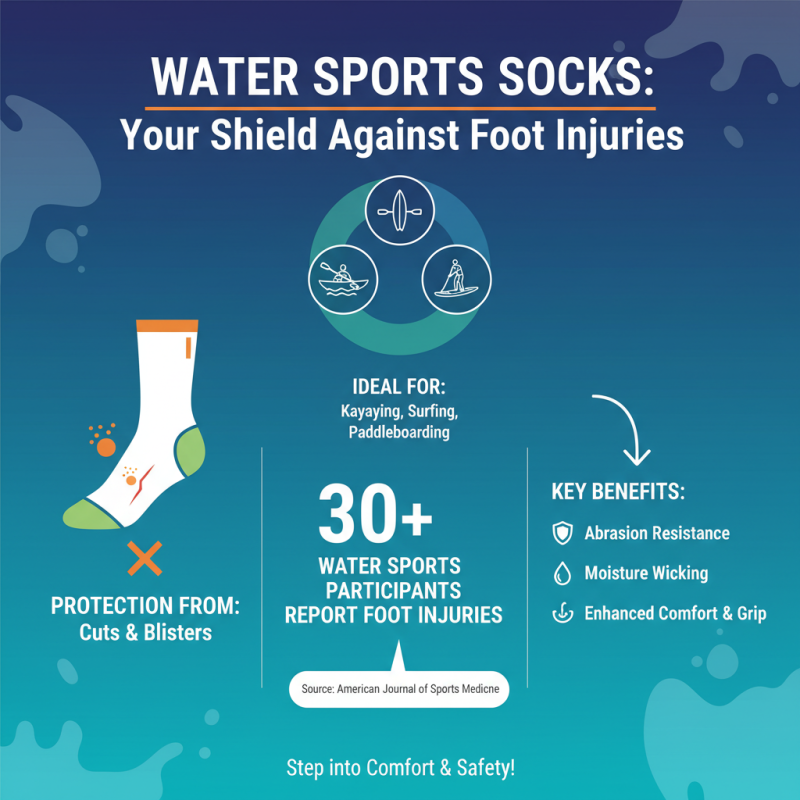
Water sports enthusiasts often face various challenges, including the risk of cuts and blisters caused by contact with rough surfaces or prolonged exposure to water. Water sports socks, designed specifically for activities like kayaking, surfing, and paddleboarding, provide essential protection against these discomforts. According to a study by the American Journal of Sports Medicine, over 30% of participants in water sports reported foot injuries related to abrasions and blisters, emphasizing the need for protective gear.
The unique material composition of water sports socks contributes significantly to reducing the occurrence of cuts and blisters. Made from a blend of neoprene and other synthetic fabrics, these socks offer not only cushioning but also a snug fit that prevents chafing. A report by the National Safety Council highlights that protective footwear can reduce the risk of foot injuries by up to 60% in aquatic environments. This is particularly relevant for individuals navigating rocky shorelines or sharp surfaces, where the likelihood of injury is heightened.
Moreover, the moisture-wicking properties of water sports socks help to keep the feet dry, further diminishing the chances of blisters. According to the Journal of Sports Technology, socks that wick away sweat can lower blister incidence by 50%, allowing athletes to focus on performance rather than discomfort. By combining protective features with comfort-driven technology, water sports socks stand out as an essential accessory for anyone keen on maximizing their safety and enjoyment in the water.
Comfort Features to Look for in Quality Water Sports Socks
When selecting water sports socks, comfort features play a vital role in enhancing your overall experience on the water. One of the most important aspects to consider is the material of the socks. High-quality water sports socks are often made from a blend of neoprene, spandex, or specialized synthetic fabrics that provide flexibility and stretch. This ensures a snug fit, allowing for easy movement while protecting your feet from harsh elements. Additionally, breathable materials help manage moisture, reducing the risk of blisters and keeping your feet dry and comfortable during extended water activities.
Another crucial comfort feature is the design of the socks. Look for options with reinforced seams and cushion padding, which not only offer added protection against abrasion but also ensure a comfortable fit around your ankles and soles. Socks with a snug, ergonomic design can prevent slippage, keeping them securely in place as you paddle, swim, or surf. Finally, features like quick-drying capabilities and UV protection can greatly enhance your comfort, allowing for a more enjoyable and hassle-free experience, whether you’re in the water or transitioning between activities.
Top 10 Benefits of Water Sports Socks for Ultimate Comfort and Protection - Comfort Features to Look for in Quality Water Sports Socks
| Benefit | Description | Comfort Feature |
| Increased Traction | Provides grip on slippery surfaces. | Non-slip sole design |
| Protection from Abrasions | Protects feet from rocks and sharp objects. | Reinforced toe and heel |
| Temperature Regulation | Keeps feet warm in cold water. | Insulating materials |
| Quick Drying | Dries faster reducing discomfort. | Moisture-wicking fabrics |
| Enhanced Comfort | Soft and comfortable to wear. | Padded footbed |
| Improved Stability | Offers more foot stability during activities. | Ankle support |
| Water Resistance | Protects feet from water exposure. | Water-resistant material |
| Versatile Use | Suitable for various water sports. | Multi-purpose design |
| Easy to Clean | Can be machine washed for convenience. | Durable fabrics |
| Style Options | Available in various colors and designs. | Fashionable styles |
Maintaining and Caring for Your Water Sports Socks
Proper maintenance and care of your water sports socks are essential for prolonging their lifespan and ensuring optimal performance. After each use, it’s important to rinse them in fresh water to remove any salt, sand, or chlorine that could lead to deterioration. Avoid using harsh detergents or bleach that can damage the fabric; instead, opt for a gentle wash with mild soap. When washing, refrain from wringing out the socks too aggressively, as this can distort their shape and reduce their protective qualities.
Drying your water sports socks also requires special attention. It’s best to air dry them in a shaded area, as direct sunlight can cause the materials to fade and weaken over time. Avoid using a dryer, as the high heat can shrink and damage the fibers. If your socks do become wet inside, consider using a towel to absorb excess moisture before allowing them to dry completely. By taking these simple steps, you can maintain the comfort and functionality of your water sports socks, ensuring they are ready for your next aquatic adventure.
Top 10 Benefits of Water Sports Socks
Choosing the Right Size and Style for Your Water Sports Socks
When selecting water sports socks, finding the right size and style is crucial for both comfort and performance. A well-fitted sock can prevent blisters and provide the necessary insulation and protection when participating in activities such as kayaking, paddleboarding, or diving. To determine your size, measure your foot length and compare it to the sizing chart provided by manufacturers, as sizes can vary between different styles. Opt for a snug fit that allows for minimal movement while still enabling flexibility and comfort.
While choosing the right size is essential, the style of the water sports socks also plays a significant role in their effectiveness. Consider the thickness and material; for instance, thicker socks may provide more warmth in colder water, while thinner options facilitate better sensitivity and grip for activities that require precise footwork. Look for socks with non-slip soles, which can enhance traction on wet surfaces. Remember to consider the season and specific conditions you'll be in, as this can guide your choice between neoprene, nylon, or other materials.
**Tips:** Ensure that the socks are stretchy enough to accommodate your foot's shape without being too tight. If possible, try on socks with your water shoes to check for a good fit. Additionally, consider socks with additional features like reinforced seams or quick-drying fabrics, which can significantly enhance your overall experience in the water.
FAQS
: Water sports socks are specialized socks designed for outdoor activities that involve water, providing comfort, protection against blisters and chafing, and keeping feet warm and dry.
They are made from materials like neoprene that offer cushioning and a snug fit, reducing friction and preventing skin irritation during prolonged contact with water and equipment.
They help protect against cuts, abrasions, and blisters caused by contact with rough surfaces, such as rocky shorelines or sharp equipment used in water sports.
They are commonly made from a blend of neoprene and synthetic fabrics, which provide comfort, cushioning, and moisture-wicking properties.
These properties help keep feet dry, which can significantly lower the risk of blister formation, allowing athletes to perform without discomfort.
Traction is crucial to prevent slips and falls on wet surfaces. Many water sports socks feature anti-slip soles, enhancing grip during activities like jet skiing or wakeboarding.
Yes, they provide protection and comfort for a range of activities including kayaking, paddleboarding, surfing, and more, making them versatile for various water sports.
Research indicates that wearing protective footwear can reduce the risk of foot injuries by up to 60% in aquatic environments, making these socks an essential accessory for safety.
Conclusion
Water Sports Socks are essential gear for anyone engaging in outdoor water activities, offering unparalleled comfort and protection. These specialized socks are designed with key materials that ensure durability while enhancing grip and stability, which are crucial for maintaining balance in wet conditions. Additionally, they provide a protective barrier against cuts and blisters, allowing for longer and more enjoyable water sports experiences.
When selecting Water Sports Socks, it’s important to consider various comfort features and ensure the right size and style are chosen to fit your specific needs. Proper maintenance and care for these socks can extend their lifespan and effectiveness, making them a worthwhile investment for any water sports enthusiast. In summary, Water Sports Socks are not just an accessory but a vital component that enhances performance and safety during outdoor water activities.

 Trampoline Socks
 Aqua Park Socks
 Hospital Slipper Socks
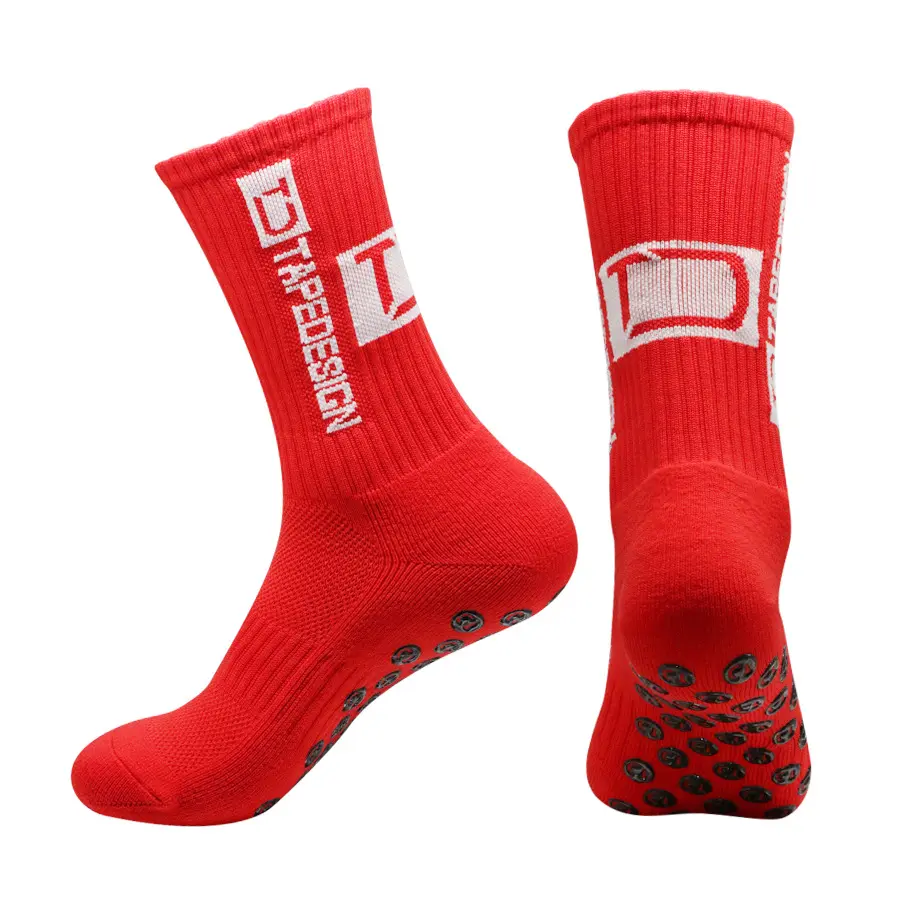 Grip Football Socks
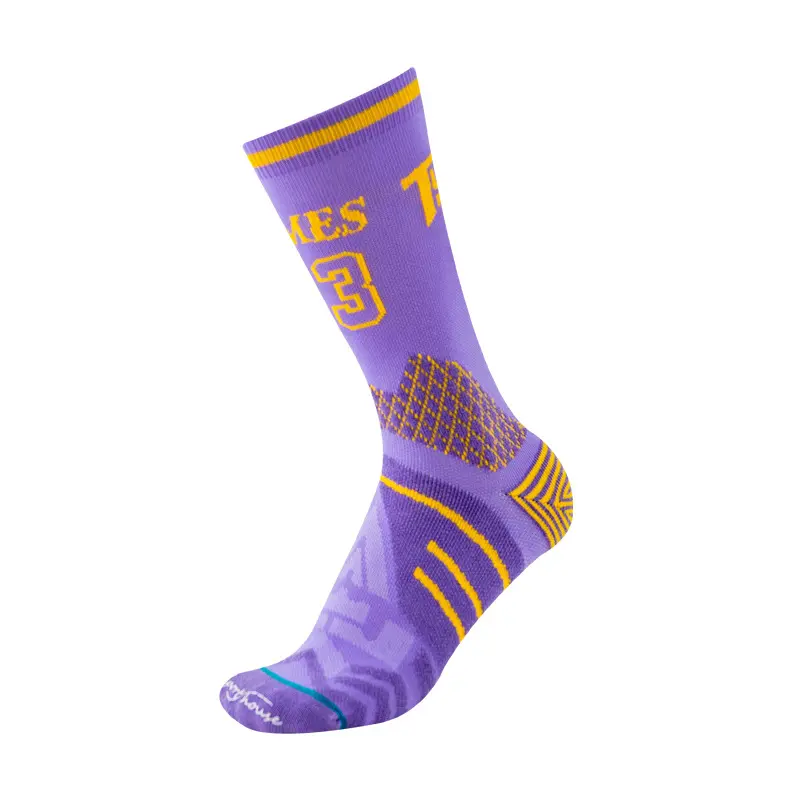 Basketball Socks
 Badminton Socks
 Cycling Socks
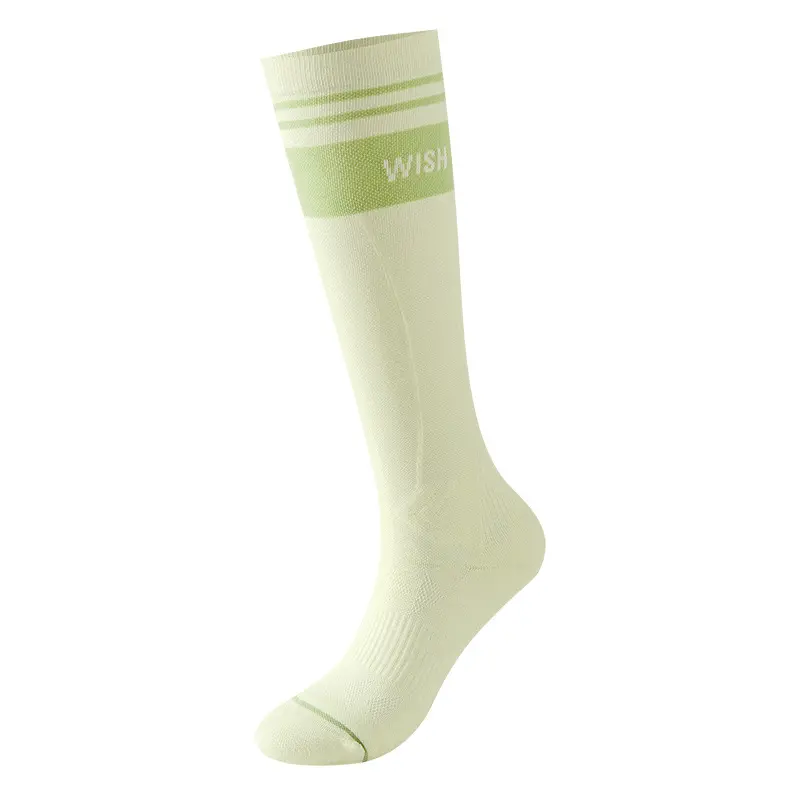 Running Socks
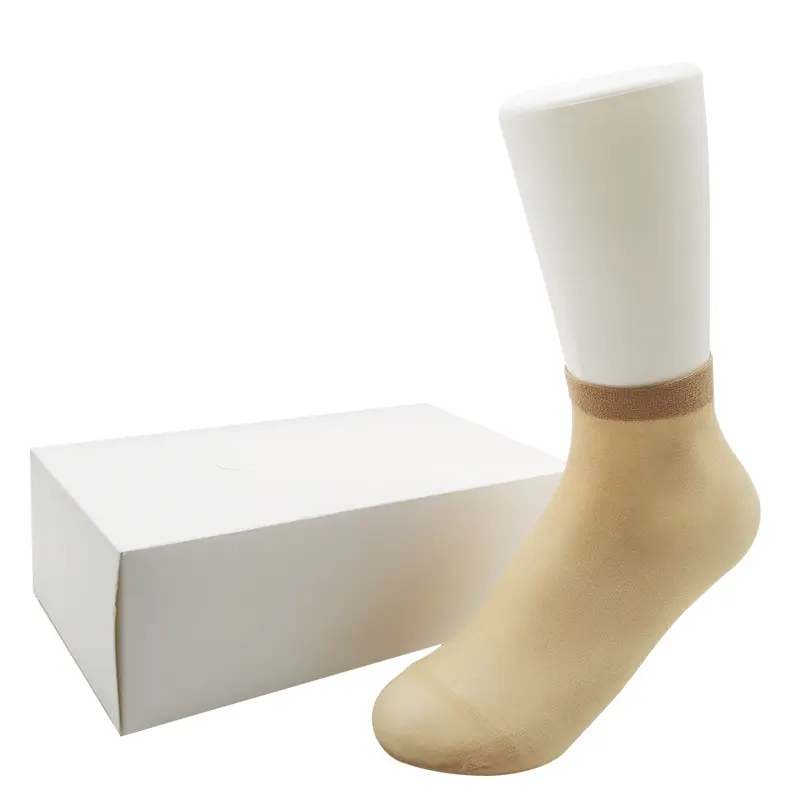 Disposable Socks Bowling Alley Socks
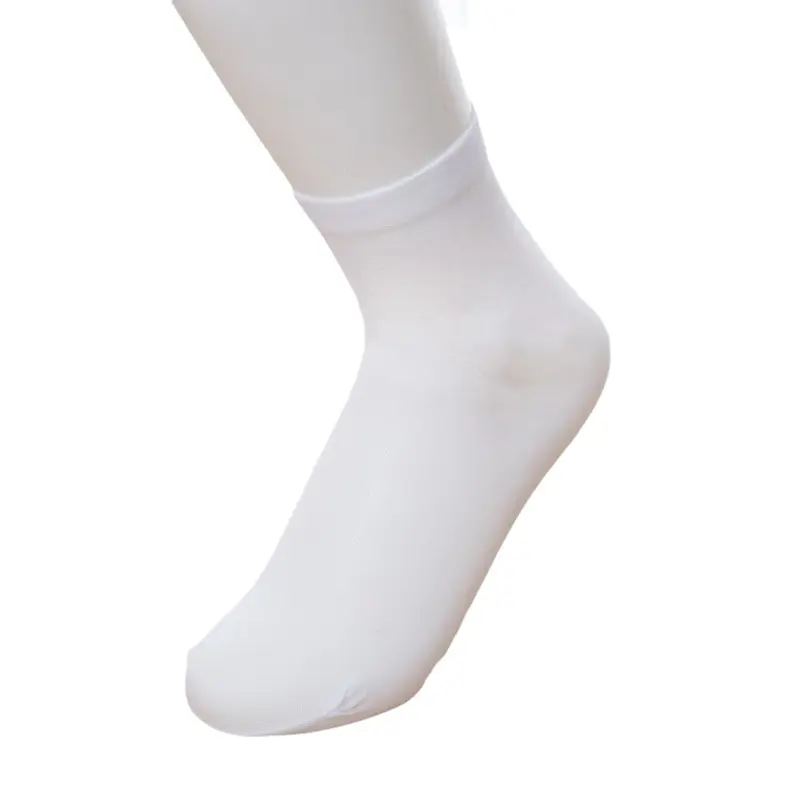 Disposable socks
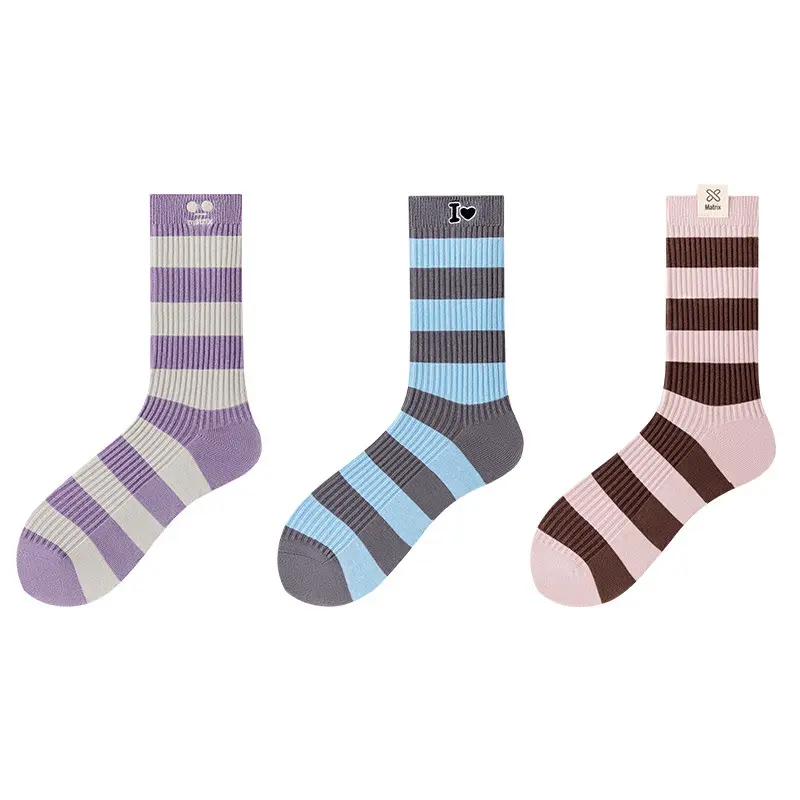 Warm Colorful Striped Crew Socks for Women
 Custom Unisex Crew Socks Breathable Socks
 Digital Printing Vintage Crew Socks
 Animal Fuzzy Cartoon Crew Socks for Women
 Cotton Flower Ankle Socks Low Cut Socks
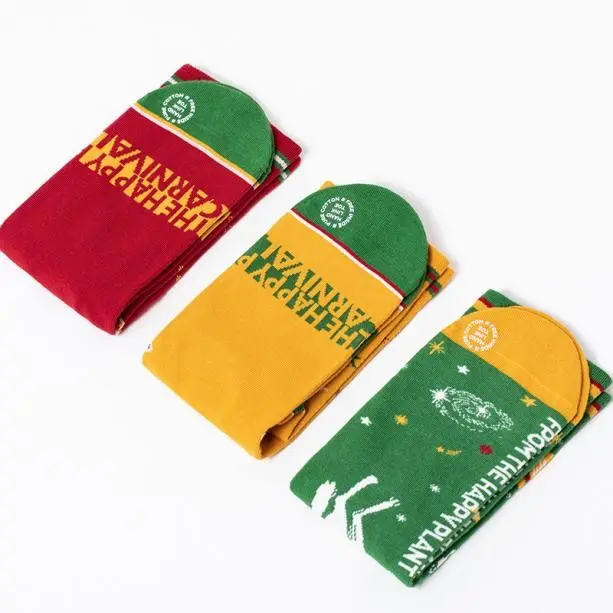 Thick Christmas Festival Crew Socks
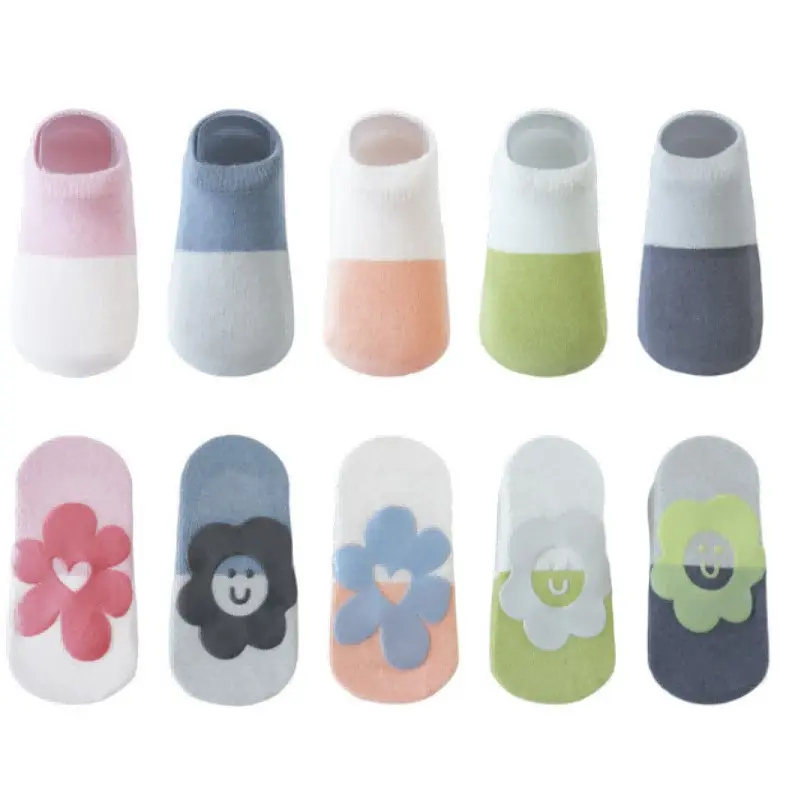 Cotton Cute Anti Slip Baby Ankle Socks with Cartoon
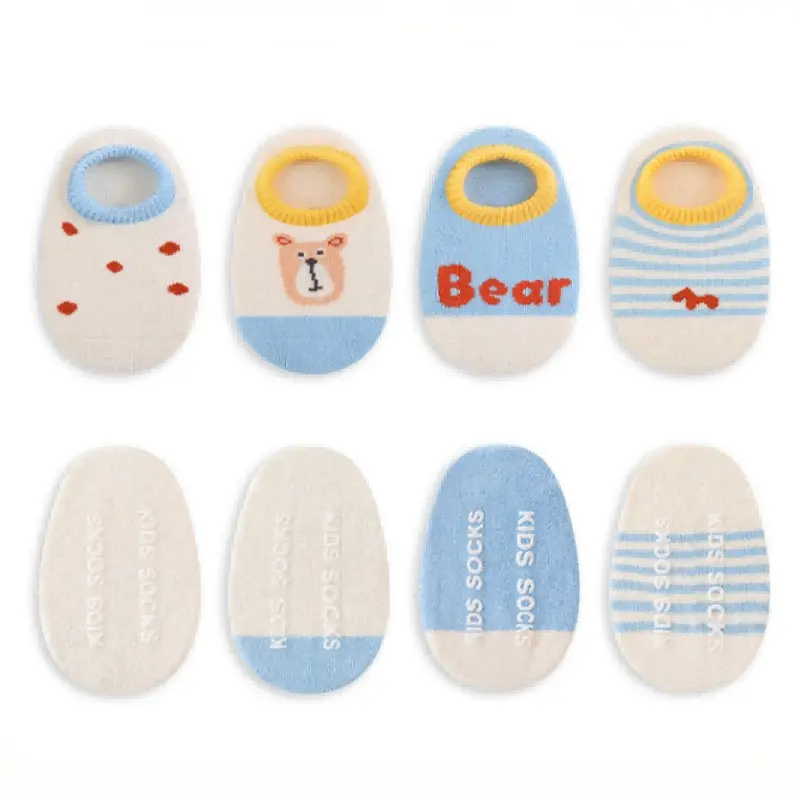 Colorful Soft Baby Socks Anti-slip
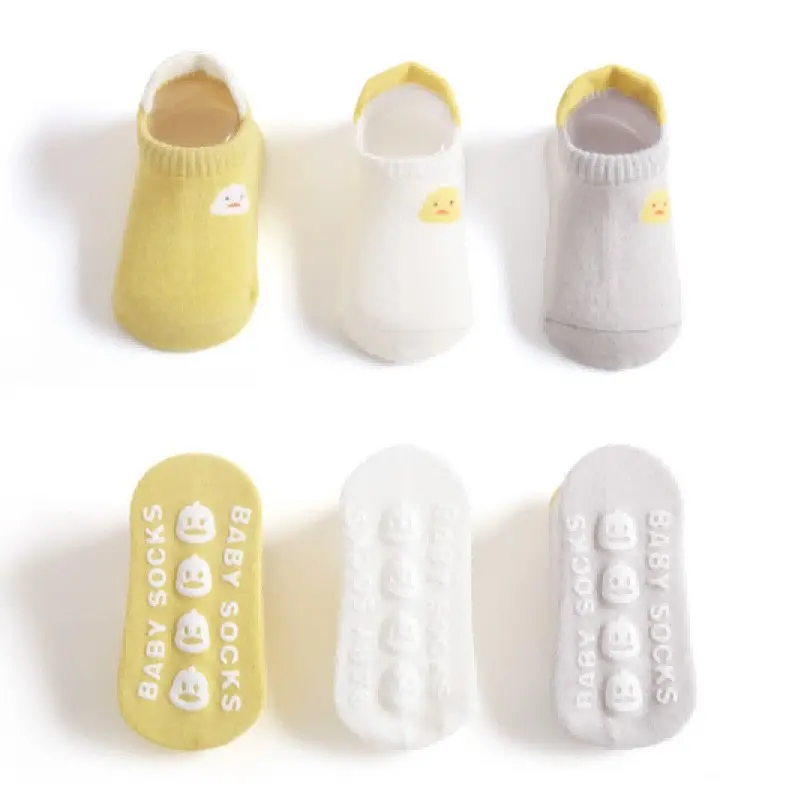 Non Slip Soft Ankle Baby Toddlers Socks
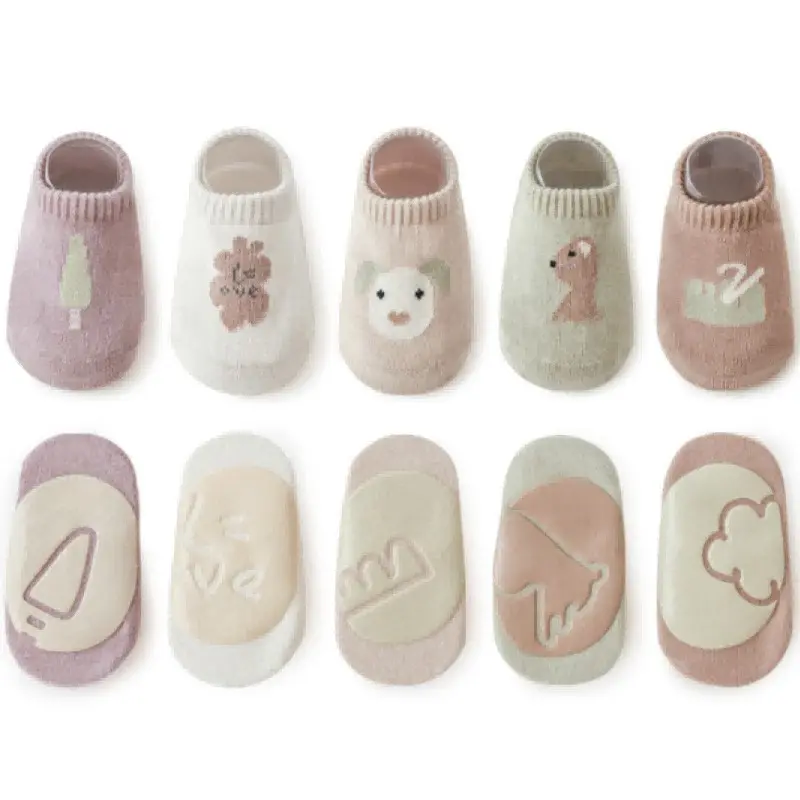 Cartoon Baby Socks With Grips Crew Walking Socks
 Baby Socks Floor Grip Mid-tube Socks with Cartoon