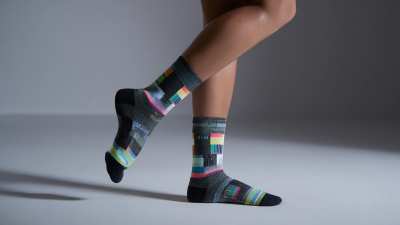
As more and more folks are diving into outdoor adventures, one thing that really can’t be overlooked is choosing the right gear. When you’re into water-based activities, having good Aquatic Footwear is actually pretty important. I mean, Dr. Jane Rivers, a well-known expert in water sports, puts it simply: “Picking the right shoes can totally make or break your whole water experience.” Her point is that the right footwear can boost your comfort, keep you safer, and even improve your performance out there.
Aquatic Footwear is made to handle wet conditions—think quick-drying materials and solid grip. It’s best to go for lightweight options since long days on the water can get tiring. Brands like AquaTech and WaveRider are leading the way with designs that mix function with style — so you don’t have to choose between looking good and being practical. Just remember, not all water shoes are the same; some might lack good traction, and others could limit your movement, which is kinda annoying.
Honestly, a lot of us learn the hard way—blisters, slips, the usual mess—when we underestimate the right gear. Investing in a decent pair of Aquatic Footwear isn’t just about comfort; it’s about staying safe and avoiding unnecessary headaches. If you take a bit of time and maybe listen to some advice, you’ll definitely find a pair that’s perfect for your next adventure. Trust me, it’s worth it.
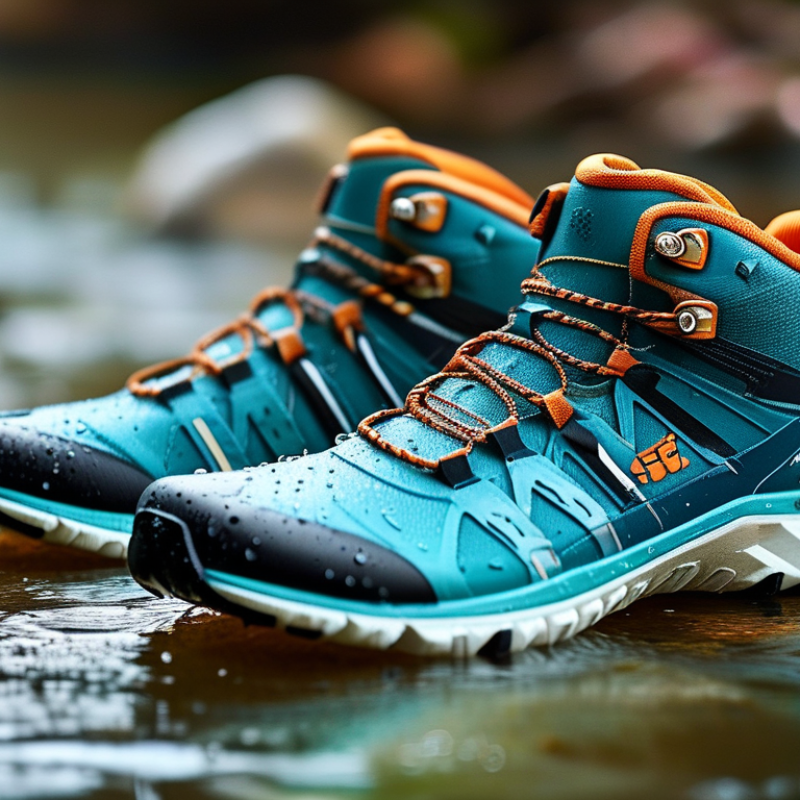
Understanding Aquatic Footwear: Types and Features
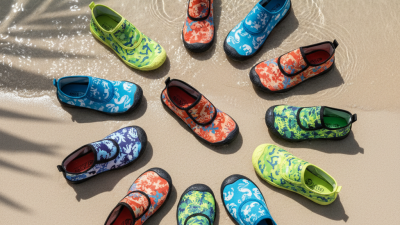
When choosing aquatic footwear, it’s crucial to understand the types and features available. Water shoes, for instance, are designed for comfort and flexibility. They often feature breathable mesh uppers and quick-drying materials. A recent industry report noted that over 50% of outdoor enthusiasts prioritize comfort when selecting footwear.
Another popular type is water sandals. These provide excellent grip and support. Many models include adjustable straps for a secure fit. A study revealed that 40% of consumers consider traction the most important feature. This is especially vital on slippery surfaces, where stability is essential.
Although aquatic footwear has evolved, there are still areas for improvement. Some designs lack adequate arch support. Additionally, durability can be an issue, especially with frequent saltwater exposure. Consumers often report fading colors and wear after limited use. It's vital to consider these aspects for a satisfying adventure experience. Proper aquatic footwear can enhance your outdoor activities significantly, but awareness of limitations is equally important.
Discover the Best Aquatic Footwear for Your Next Adventure
This chart illustrates the popularity of different types of aquatic footwear, showcasing how various options are favored for different water activities. Water shoes lead in popularity, making them a preferred choice among adventurers.
Factors to Consider When Choosing Aquatic Footwear
Choosing the right aquatic footwear is essential for any water-based adventure. Comfort should be a top priority. Look for shoes that provide a snug fit but allow for movement. Breathable materials will keep your feet cool. Equally important, consider the grip of the soles. A solid grip prevents slips on wet surfaces. You want to feel secure while enjoying your activities.
Another factor is the water drainage system. Footwear with good drainage will help keep your feet dry. Excess water can lead to discomfort and even blisters. Lightweight designs are also beneficial. Heavy shoes can hinder your movement and make activities feel laborious. If you participate in activities like kayaking or paddleboarding, look for options specifically designed for those sports.
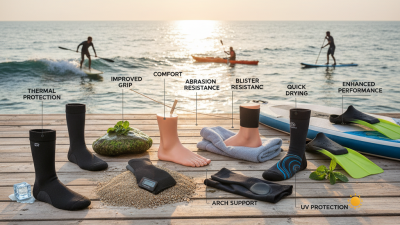
Don’t forget about seasonal wear. Different environments may require different types of aquatic footwear. For colder waters, Hospital Aquatic Socks can be a game changer, providing warmth without sacrificing movement. Always assess your specific needs. Reflecting on what activities you enjoy can guide your choice. Balancing these elements helps ensure a fun day out on the water.
Top Brands for Quality Aquatic Footwear
When planning your next aquatic adventure, choosing the right footwear is crucial. Quality aquatic footwear offers support, durability, and traction. Many brands focus on these attributes, ensuring customers enjoy their activities safely. For example, around 70% of users report improved comfort with well-fitted shoes. It emphasizes the importance of proper sizing.
Some brands invest heavily in research. According to market reports, over 60% of consumers look for grip and non-slip features in aquatic footwear. Advanced technologies enhance performance and safety. Spa Grip Footwear often comes equipped with these features. Such footwear not only prevents slips but also enhances one's confidence in the water.
However, not all products on the market meet these standards. Some may look appealing but lack functionality. Take the time to research customer reviews and feedback. An emphasis on performance over style can save you from a poor experience. It can be helpful to weigh the pros and cons of various footwear options. Prioritizing comfort and safety should guide your purchasing decision. Finding the right fit can transform your aquatic experiences.
Durability and Comfort: Key Attributes of Aquatic Footwear
When exploring aquatic environments, durability and comfort are essential. The right footwear can enhance your experience, from river trekking to beach outings. According to the Outdoor Industry Association, footwear is a critical category, generating over $2 billion in sales annually. Many outdoor enthusiasts prioritize comfort and durability in their choices to prevent discomfort during extended wear.
One aspect to consider is the material. Waterproof and quick-drying fabrics are ideal for aquatic activities. These materials help reduce the risk of blisters and fungal infections, often caused by prolonged exposure to wet conditions. A report by the American Society of Testing and Materials indicates that footwear should last at least 500 kilometers for optimal performance. Reliable options, though rare, do exist.
Temporary Footwear often lacks the essential features found in more specialized options. While it may be tempting to choose budget-friendly options, they might not provide the support needed. Not all shoes are created equal. Some might wear out quickly or fail to protect your feet against sharp objects or uneven surfaces. A cautious approach can prove beneficial here. In essence, understanding the balance between durability and comfort can elevate your next adventure significantly.
Care and Maintenance Tips for Aquatic Footwear
When you invest in aquatic footwear, proper care is essential to extend its lifespan. Rinsing your shoes after each use is a simple yet effective practice. Saltwater and chlorine can degrade materials over time. Make sure you wash them thoroughly with fresh water. Allowing them to air dry in a shaded area helps prevent odors and mildew build-up.
Storage also plays a crucial role in maintenance. Storing your footwear in a cool, dry place is key. Avoid damp environments, as this can lead to mold growth. If you notice any wear or damage, address it immediately. Small tears can become larger problems. A simple patch or adhesive can save your shoes from early retirement.
Consider the fit and comfort of your aquatic footwear. Over time, they may stretch or lose their shape. Regularly check for signs of damage and replace them when necessary. This proactive approach ensures that your adventures remain safe and enjoyable. Sometimes, it’s the little details that make a big difference in performance and safety. Pay attention to these aspects, and you will enhance your outdoor experiences significantly.
Best Aquatic Footwear for Specific Water Activities
When choosing aquatic footwear, consider the specific activity you'll be engaging in. For kayaking or canoeing, a snug fit is essential. Look for shoes that drain easily and offer traction on wet surfaces. The right footwear can help prevent slips and enhance your control over the paddle. Some options are lightweight and quick-drying, making them perfect for paddlers on the go.
If you're into snorkeling or swimming, opt for fins or water shoes with a flexible sole. These provide support while allowing for natural movement under the water. The ideal pair should protect your feet from sharp objects and keep them warm in cooler waters. It's easy to overlook the importance of fit here; footwear that is too tight can cause discomfort.
For river activities like tubing, shoes should prioritize comfort and stability. You want footwear that stays on your feet even in fast currents. Lightweight sandals or shoes with ankle straps work well. Just keep in mind that excessive wear can lead to premature failure. Reflecting on these details can help you choose wisely for your adventures.
User Reviews and Recommendations for Aquatic Footwear
When it comes to aquatic footwear, comfort and safety are paramount. User reviews indicate that many types of aquatic shoes often lack proper grip. A survey by the Outdoor Industry Association revealed that approximately 40% of users faced slippage while walking on wet surfaces. This simple fact highlights the importance of selecting footwear specifically designed for water activities.
Many users recommend footwear with quick-drying materials and breathable designs. Research by the American Podiatric Medical Association shows that water-friendly shoes reduce the risk of foot problems. Users also appreciate styles that offer arch support. However, some reviews point out issues with durability, with certain models wearing out after limited use. This discrepancy calls for more focus on quality and user feedback in product development.
Consumer insights also show a growing interest in multi-functional designs. Users want footwear suitable for both aquatic environments and casual outings. In the nursing home industry, comfort becomes a crucial factor for footwear longevity. Many residents spend extended periods in the same shoes, so selecting the right aquatic option is vital. It’s essential for brands to consider these diverse needs and user experiences to provide reliable options.
Discover the Best Aquatic Footwear for Your Next Adventure
| Footwear Type | Best For | User Rating | Price Range |
| Water Shoes | Beach Activities | 4.5/5 | $20 - $50 |
| Fins | Snorkeling & Diving | 4.7/5 | $30 - $80 |
| Water Sandals | River Hiking | 4.3/5 | $25 - $60 |
| Neoprene Boots | Cold Water Activities | 4.6/5 | $40 - $100 |
| Aquatic Sneakers | Kayaking & Canoeing | 4.4/5 | $50 - $90 |
FAQS
: Key types include water shoes and water sandals. Each is designed for comfort and support in wet environments.
Comfort prevents discomfort during activities. A snug fit with breathable materials keeps feet cool and relaxed.
A solid grip is crucial to prevent slips. Good traction allows for secure movement on wet and slippery surfaces.
Footwear with good drainage keeps feet dry. Excess water can cause blisters and discomfort during outdoor activities.
Yes, both attributes enhance your experience. While comfort prevents fatigue, durability ensures longevity through various activities.
Waterproof, quick-drying fabrics are ideal. They help reduce blisters and fungal infections from prolonged wetness.
Different seasons require different footwear. Colder waters might need warmer options, balancing comfort and movement.
Some models lack arch support and can fade quickly. Consider these limitations when selecting footwear for your adventures.
Lightweight designs allow for easier movement. Heavy shoes can make activities feel more strenuous and less enjoyable.
Your preferred activities shape footwear needs. Understanding your hobbies can guide you to the best options for comfort and performance.
Conclusion
Aquatic footwear is essential for anyone looking to enjoy water-based activities, and understanding the various types and features is crucial for making the right choice. When selecting aquatic footwear, factors such as the type of water activity, fit, material, and traction should be carefully considered. Durability and comfort are key attributes that enhance your experience, ensuring that your feet remain protected and comfortable throughout your adventures.
Additionally, proper care and maintenance will extend the life of your aquatic footwear, making it a worthy investment. Whether you're kayaking, paddleboarding, or simply enjoying a day at the beach, certain styles are better suited for specific activities. User reviews and recommendations can provide valuable insights, guiding you towards the best aquatic footwear options tailored to your needs.

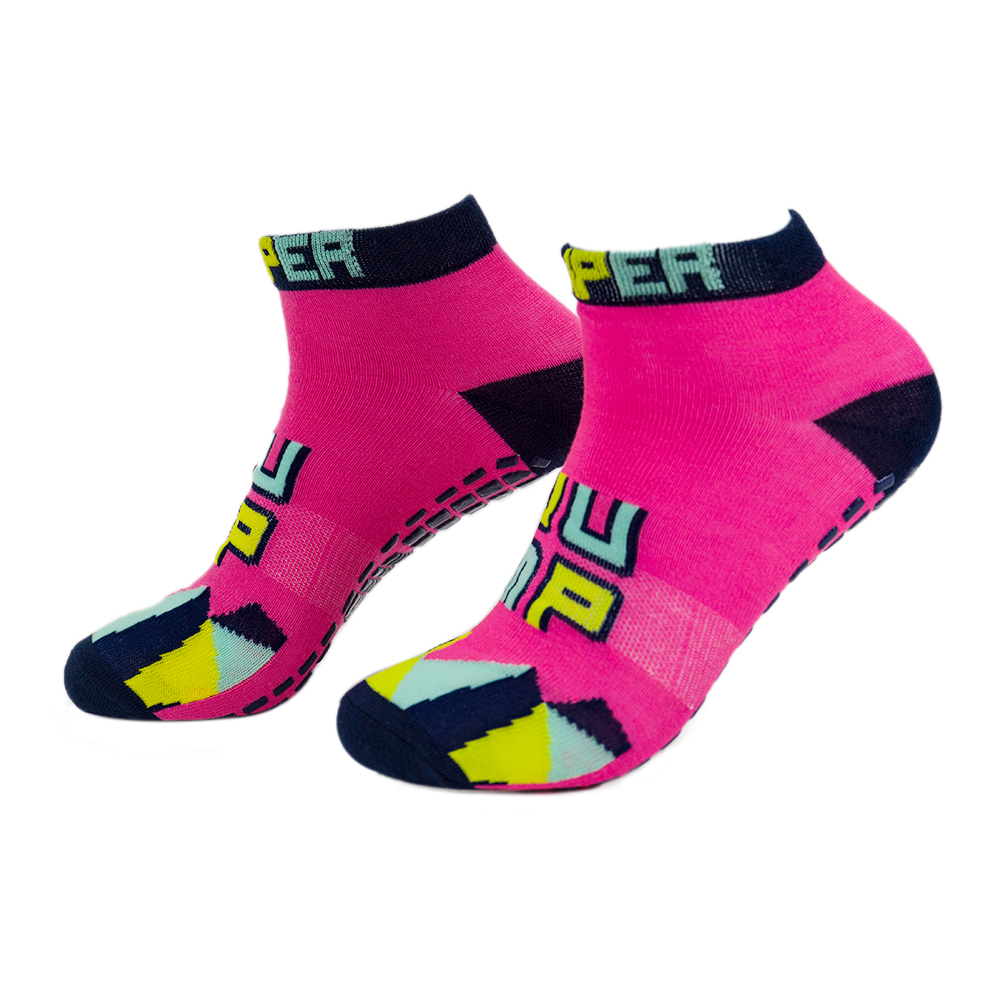 Trampoline Socks
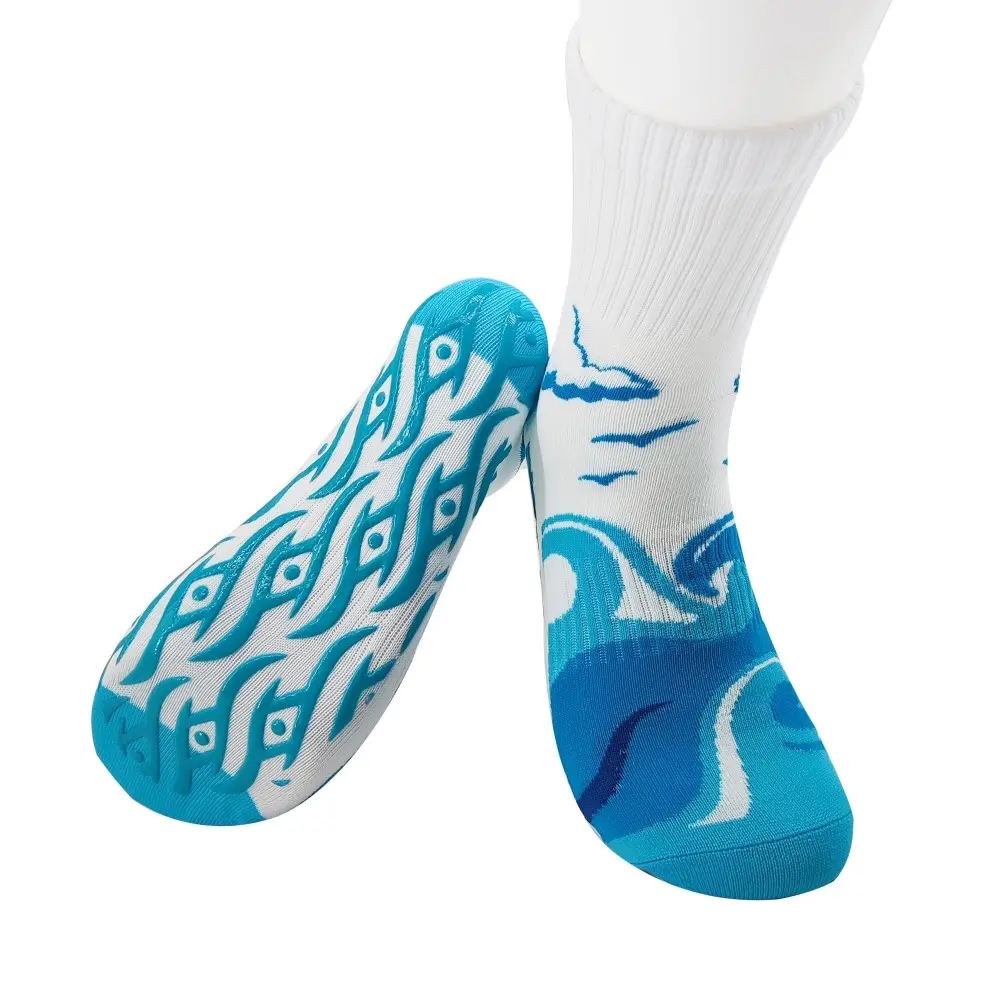 Aqua Park Socks
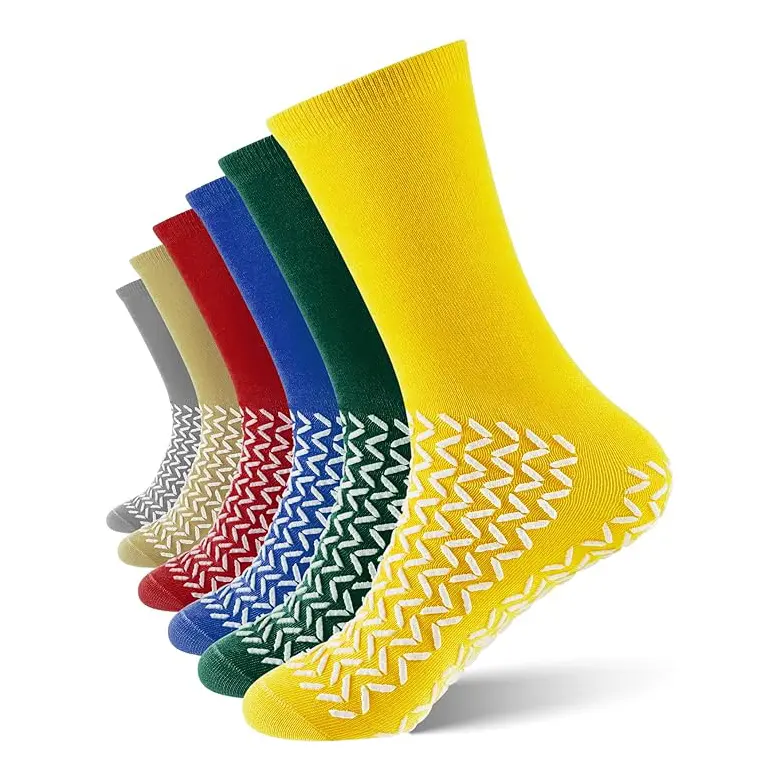 Hospital Slipper Socks
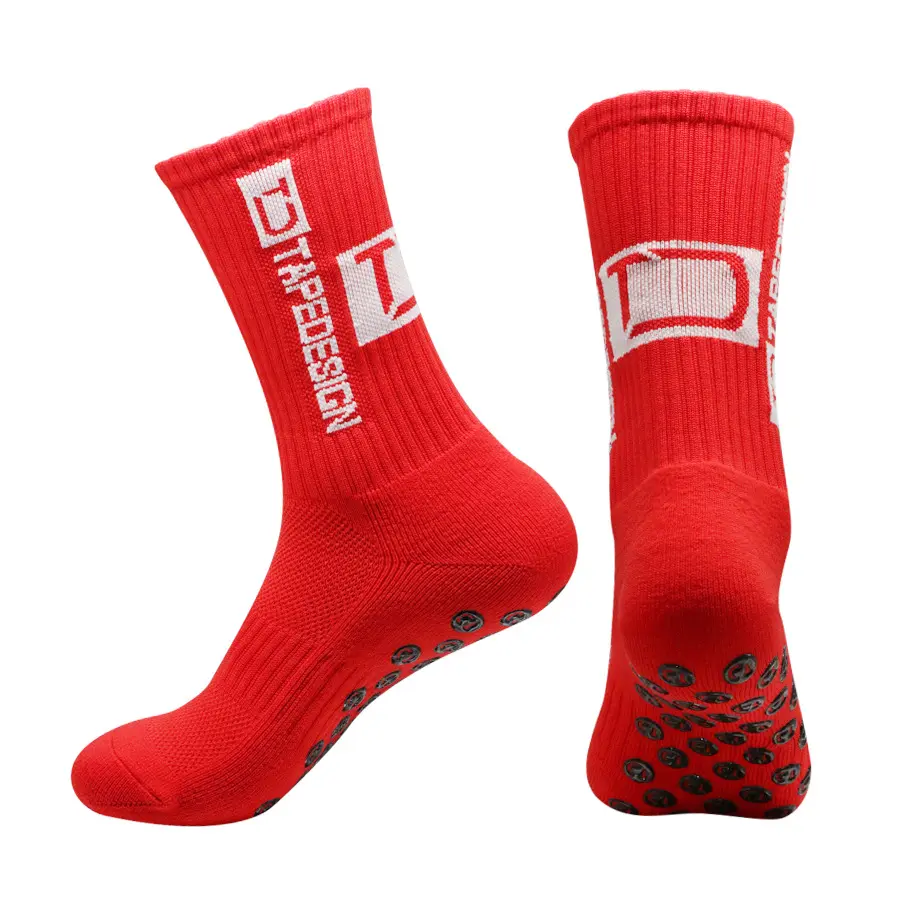 Grip Football Socks
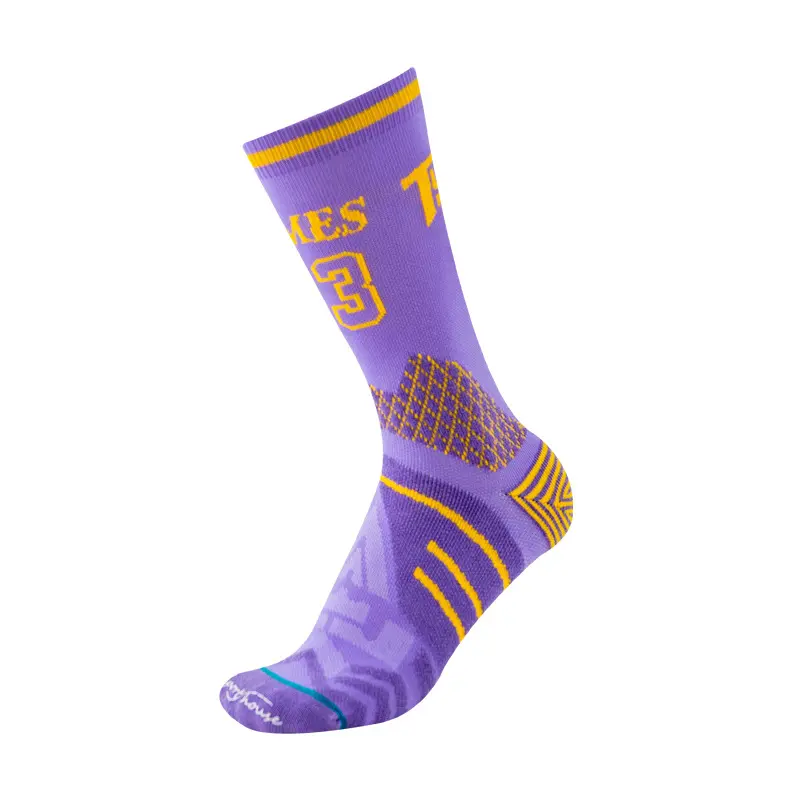 Basketball Socks
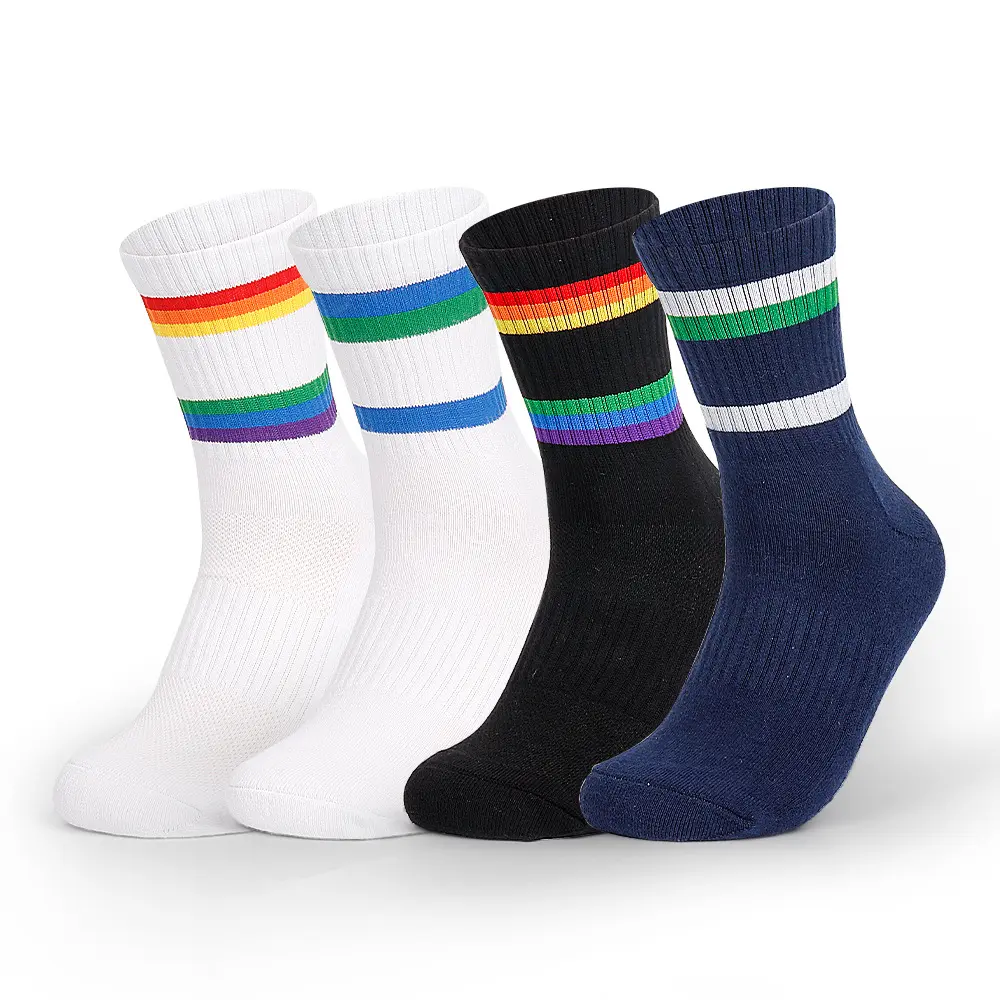 Badminton Socks
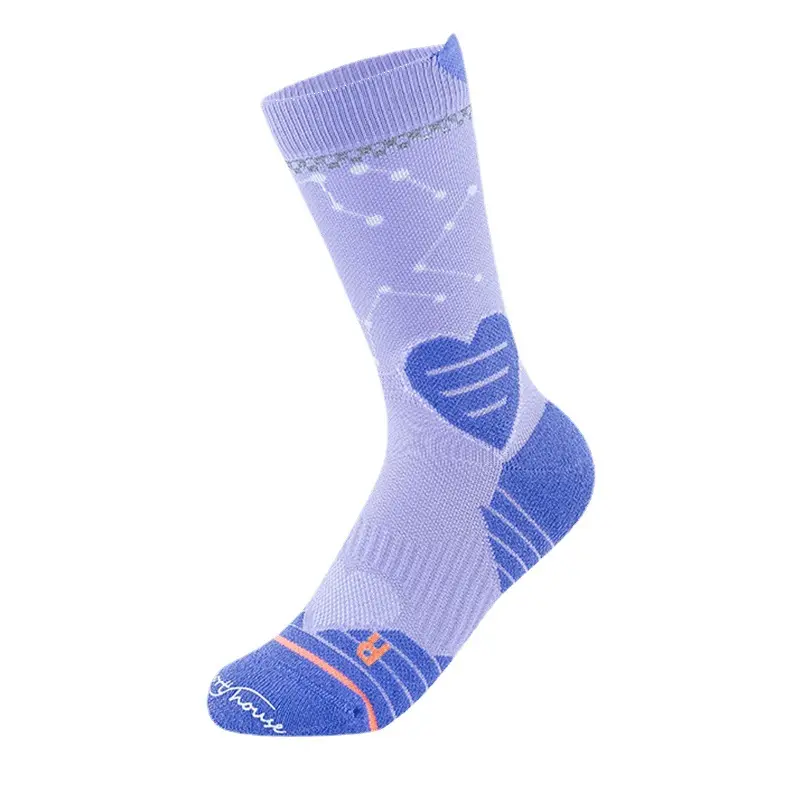 Cycling Socks
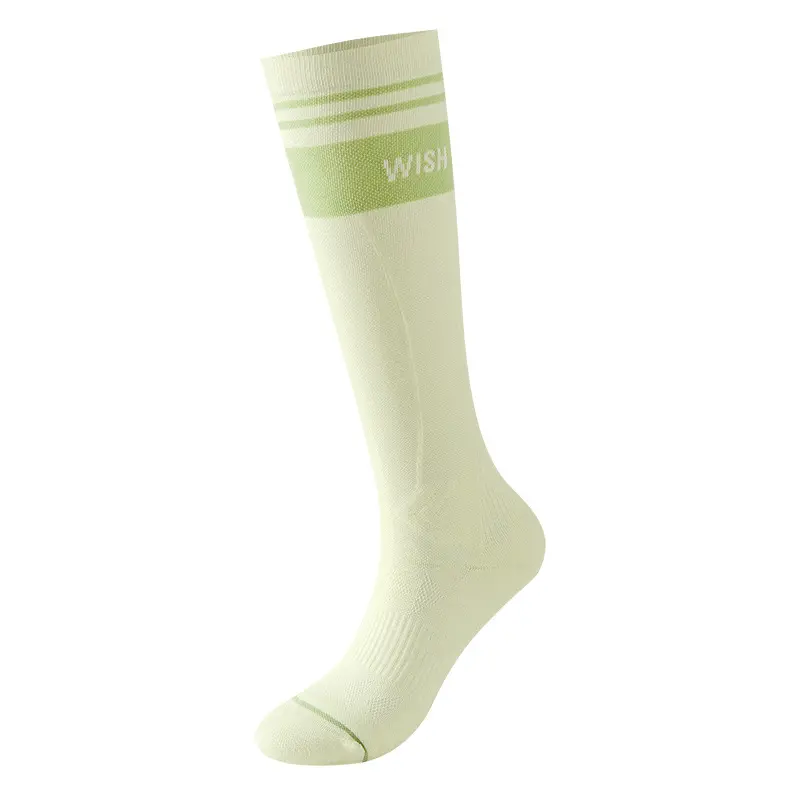 Running Socks
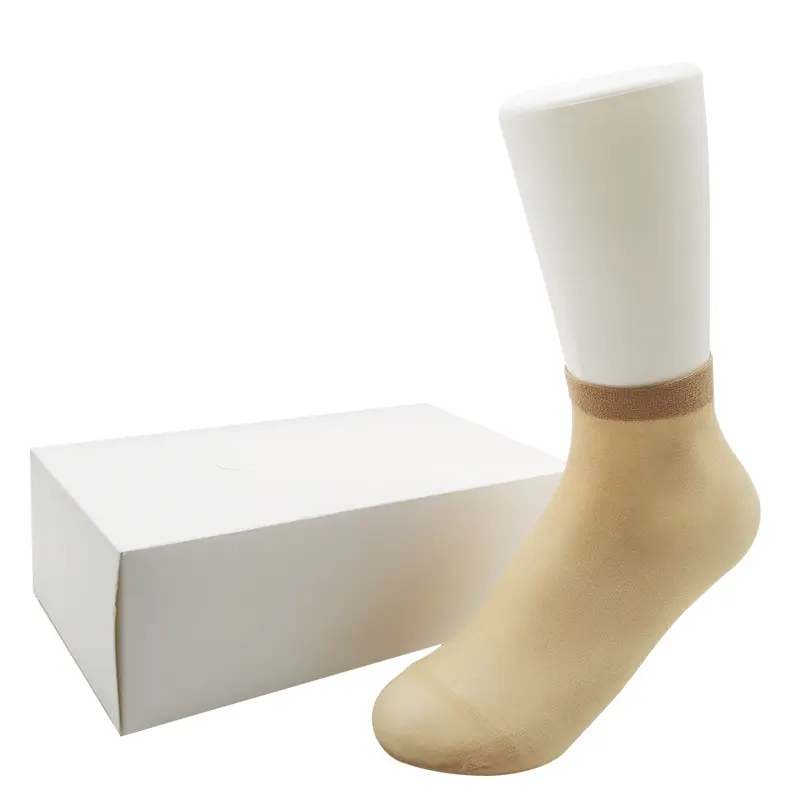 Disposable Socks Bowling Alley Socks
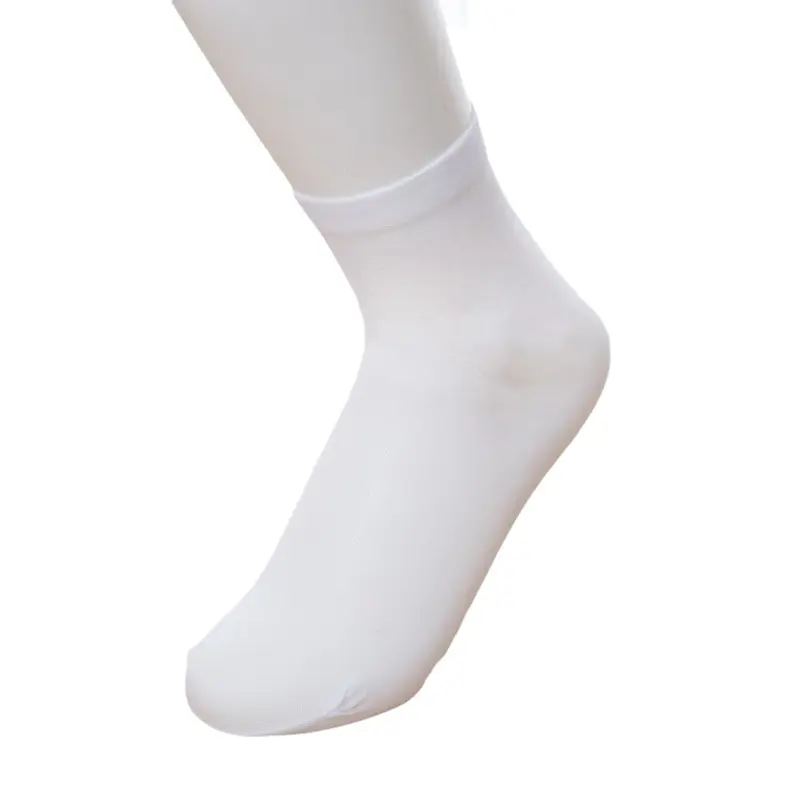 Disposable socks
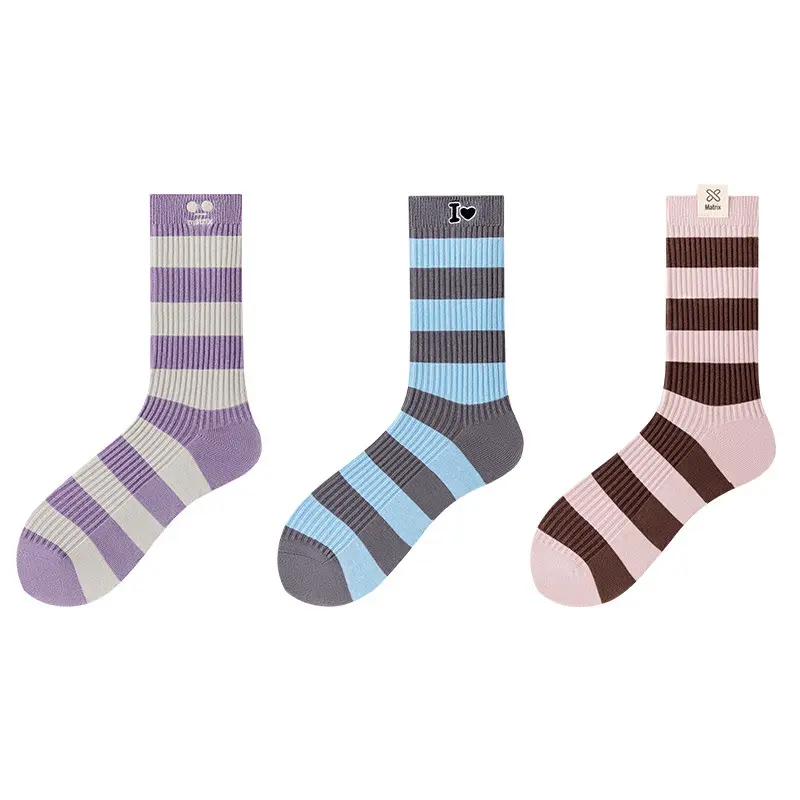 Warm Colorful Striped Crew Socks for Women
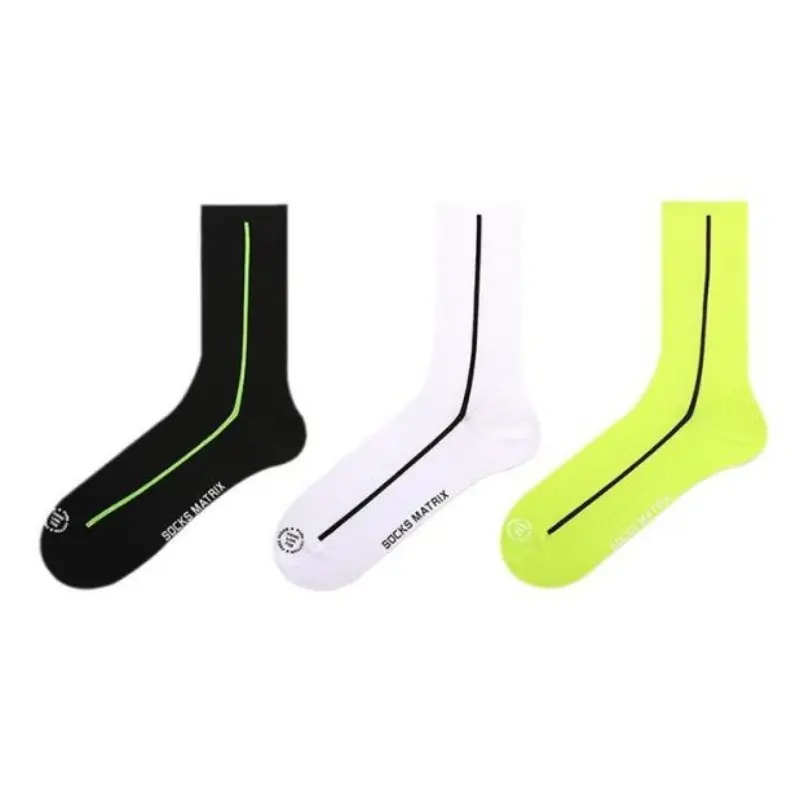 Custom Unisex Crew Socks Breathable Socks
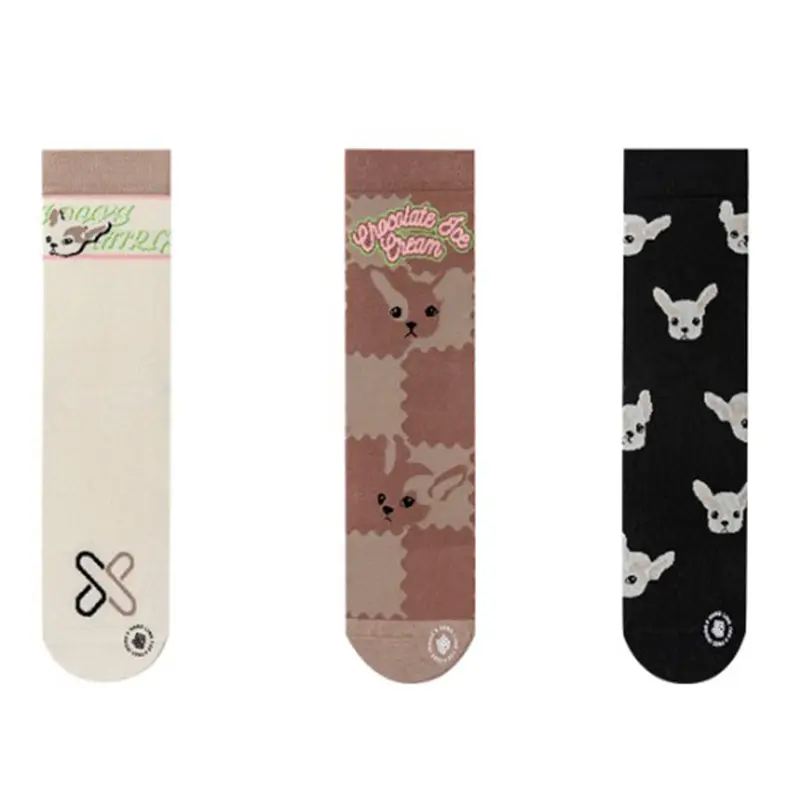 Digital Printing Vintage Crew Socks
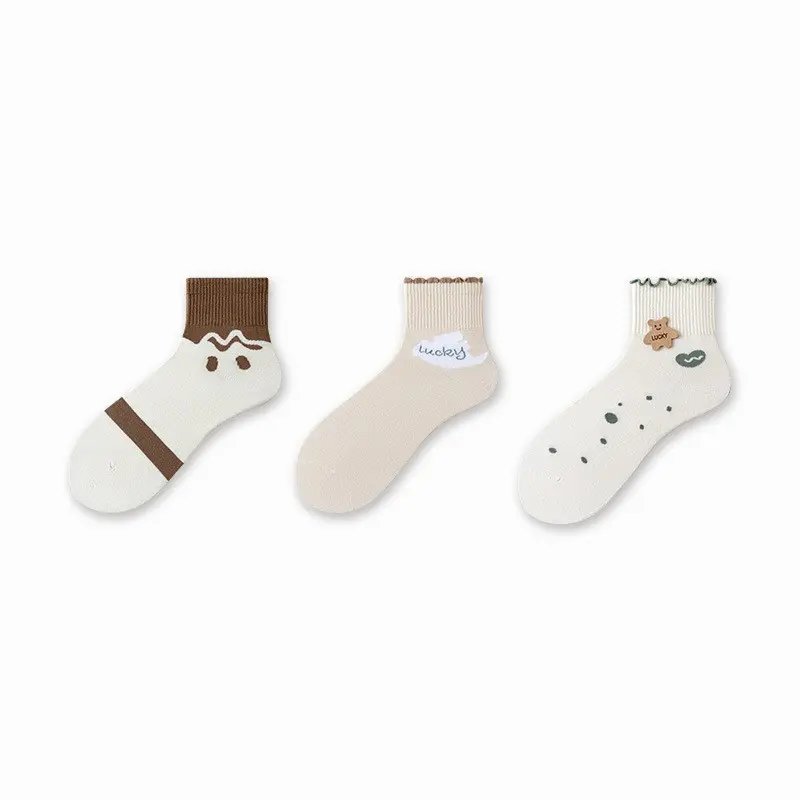 Animal Fuzzy Cartoon Crew Socks for Women
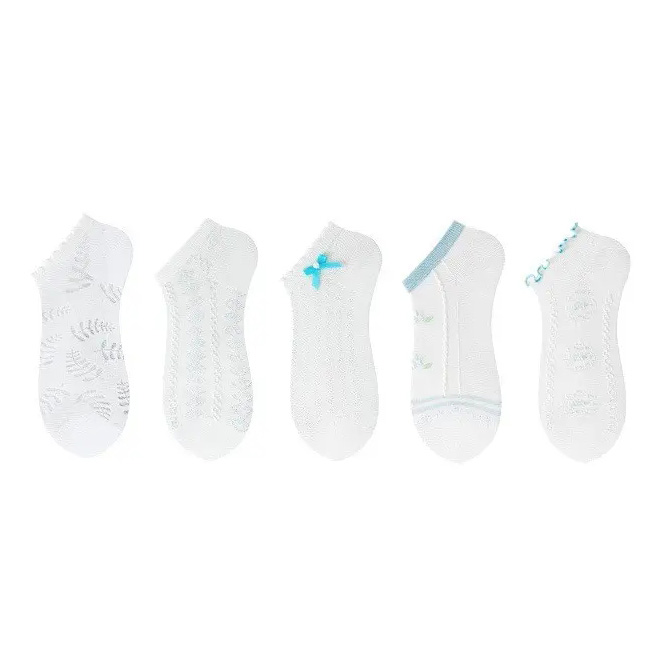 Cotton Flower Ankle Socks Low Cut Socks
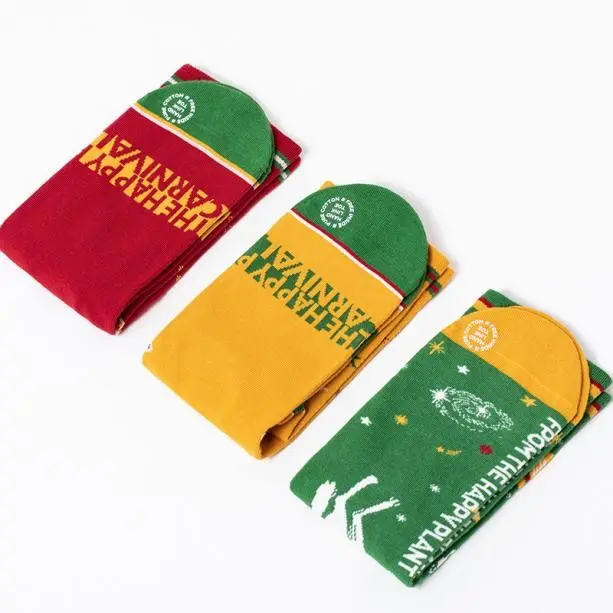 Thick Christmas Festival Crew Socks
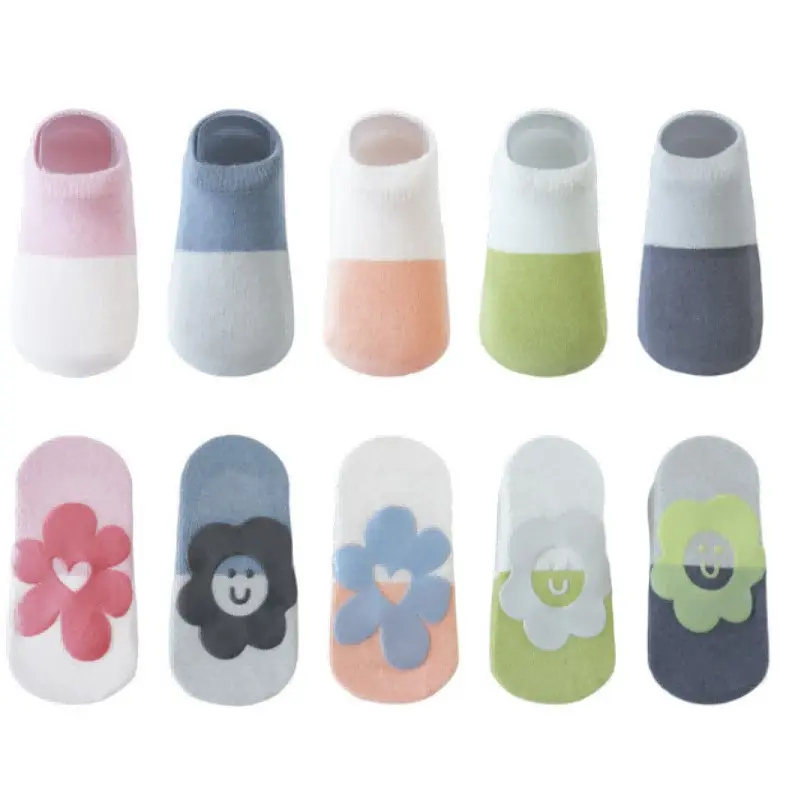 Cotton Cute Anti Slip Baby Ankle Socks with Cartoon
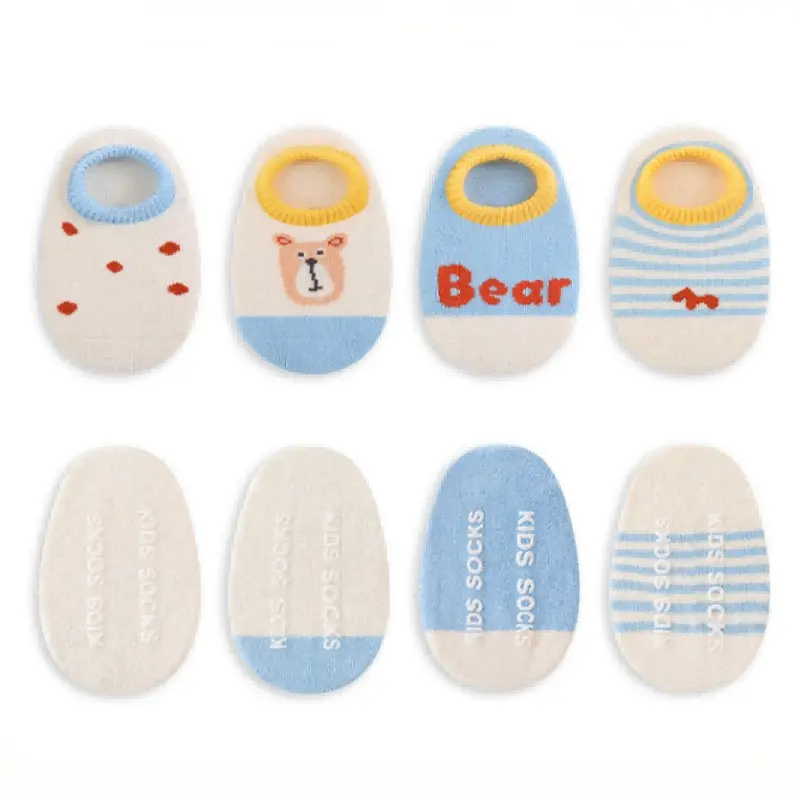 Colorful Soft Baby Socks Anti-slip
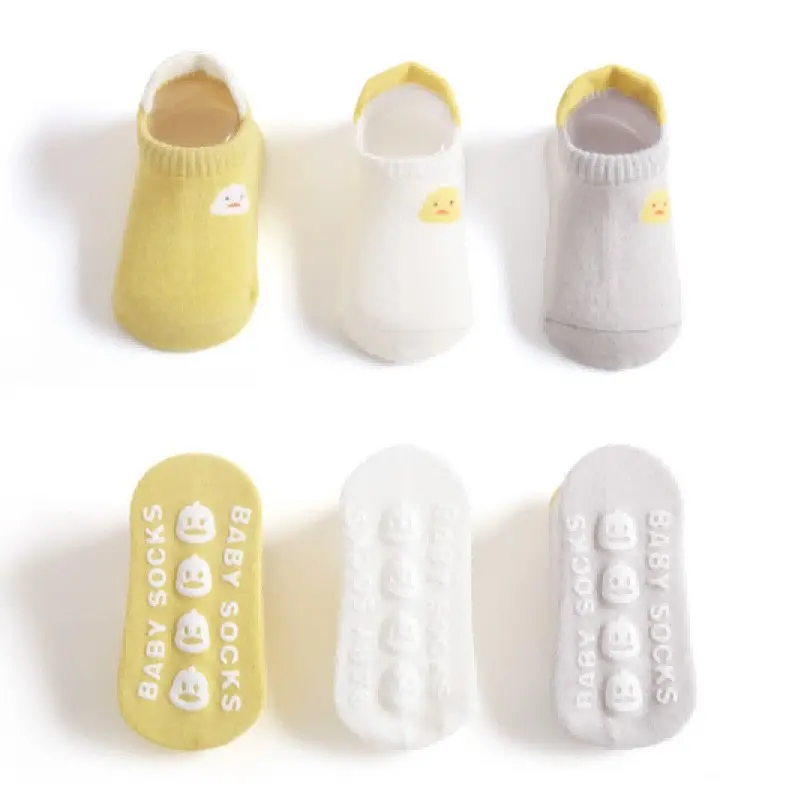 Non Slip Soft Ankle Baby Toddlers Socks
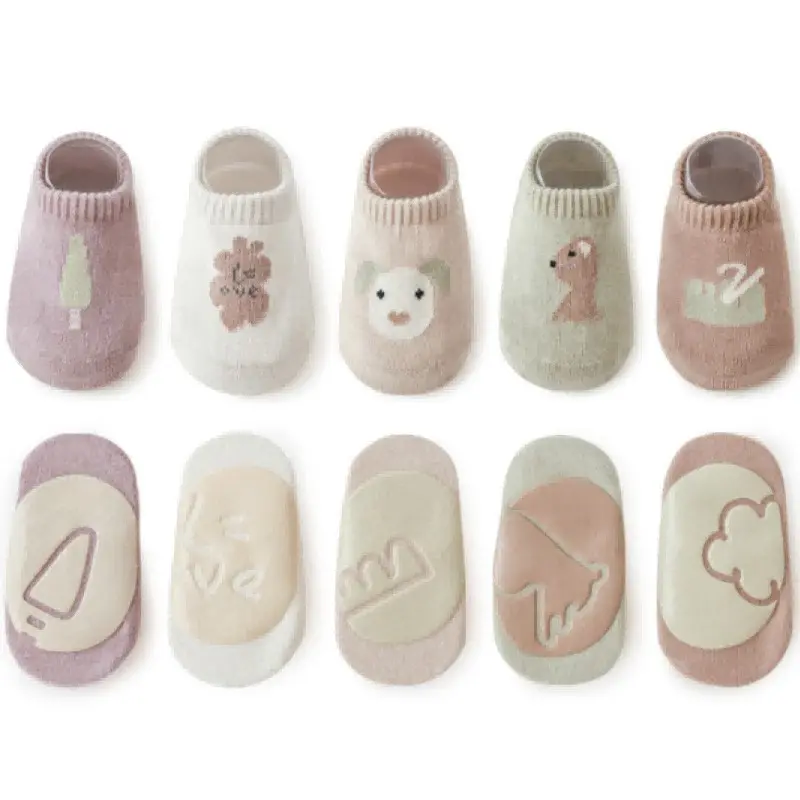 Cartoon Baby Socks With Grips Crew Walking Socks
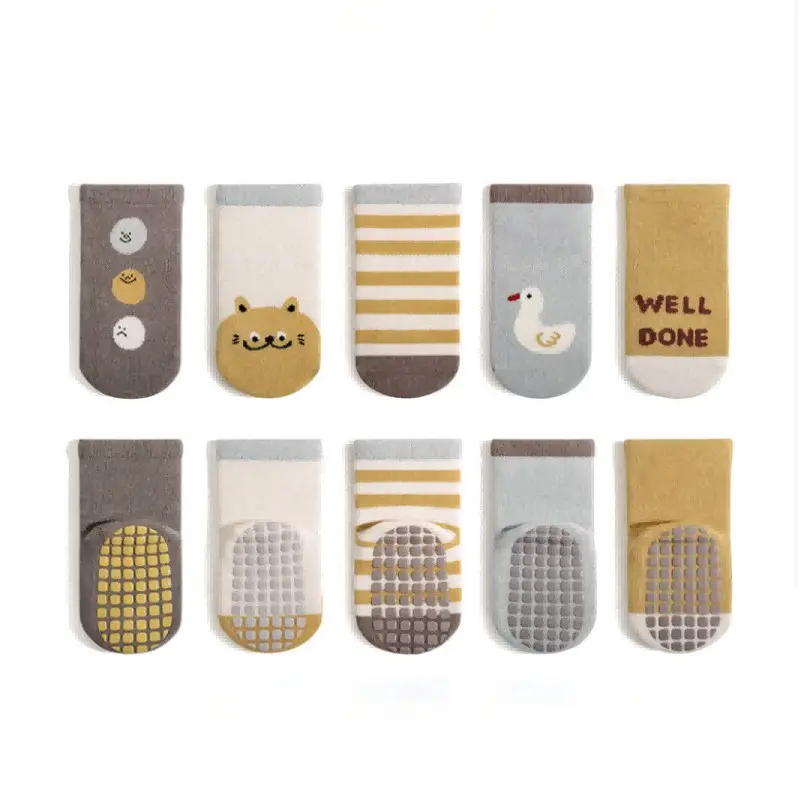 Baby Socks Floor Grip Mid-tube Socks with Cartoon