- Home
- Products
- Customization
- About Us
- Blogs
- Contact Us
 Trampoline Socks
 Aqua Park Socks
 Hospital Slipper Socks
 Grip Football Socks
 Basketball Socks
 Badminton Socks
 Cycling Socks
 Running Socks
 Disposable Socks Bowling Alley Socks
 Disposable socks
 Warm Colorful Striped Crew Socks for Women
 Custom Unisex Crew Socks Breathable Socks
 Digital Printing Vintage Crew Socks
 Animal Fuzzy Cartoon Crew Socks for Women
 Cotton Flower Ankle Socks Low Cut Socks
 Thick Christmas Festival Crew Socks
 Cotton Cute Anti Slip Baby Ankle Socks with Cartoon
 Colorful Soft Baby Socks Anti-slip
 Non Slip Soft Ankle Baby Toddlers Socks
 Cartoon Baby Socks With Grips Crew Walking Socks
 Baby Socks Floor Grip Mid-tube Socks with Cartoon
Leave Your Message
- Phone
- E-mail
- Whatsapp
- WeChat

Lately, the Hospital Socks market has been expanding, fueled by a stronger focus on comfort and safety for patients in healthcare settings. A Grand View Research report projects the global market at about USD 2.3 billion by 2025, highlighting how crucial proper foot care is to recovery. Leading players like SICHUAN MIFO TECHNOLOGY CO., LTD. are pushing the boundaries in R&D, production, and trade, making quality, functionality, and certification non-negotiables.
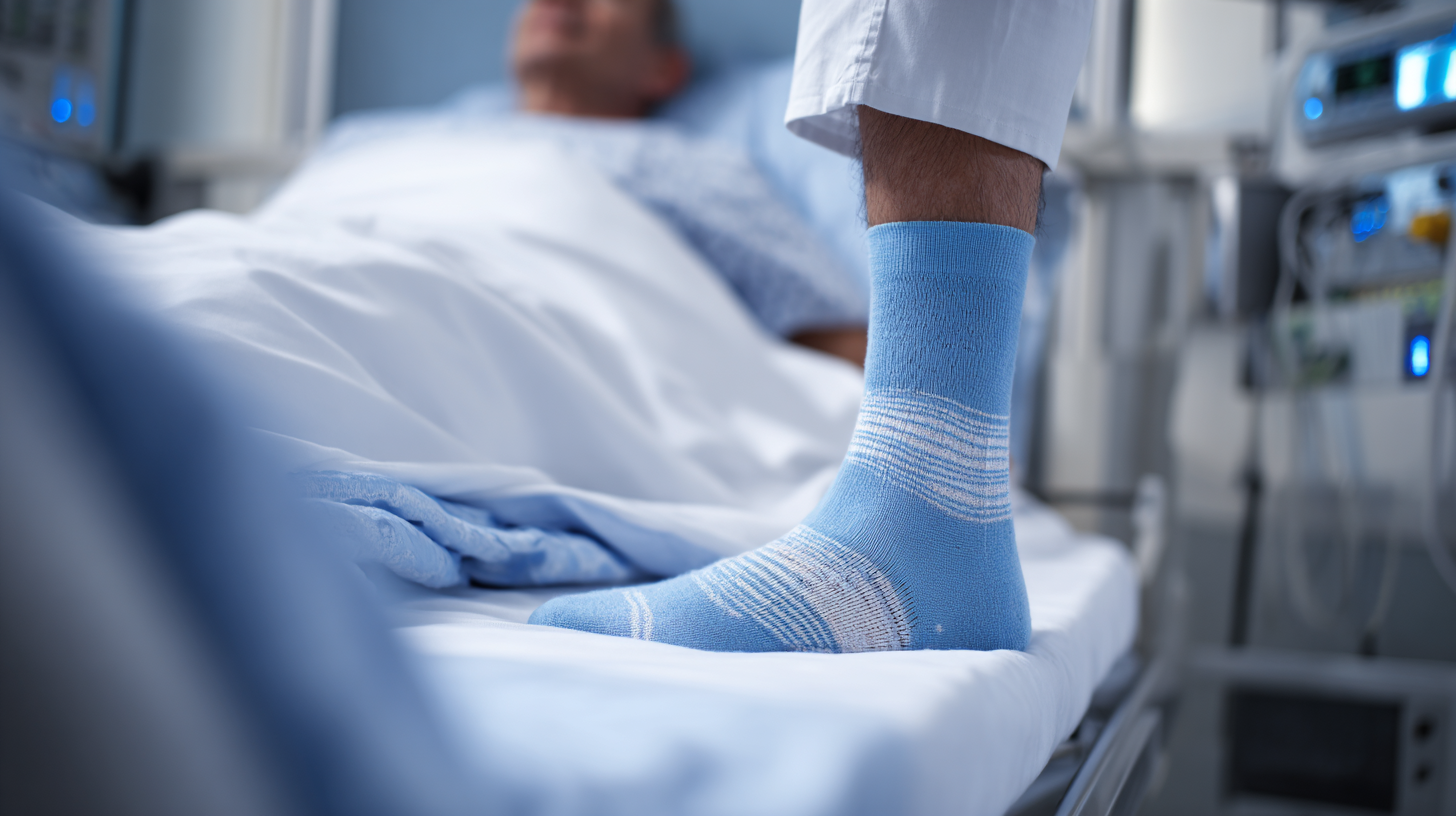
With our state-of-the-art facilities and dedication to top-tier products, we see hospital socks as more than an accessory - they're a real cornerstone of patient comfort and care during recovery.
Specialized hospital socks are more than just a little extra — they’re a real part of patient care. They can make a big difference in comfort and safety during a hospital stay. A report in the Journal of Hospital Medicine notes that about 30% of patients feel uncomfortable because footwear in medical settings just isn’t right for them. Good hospital socks are built with non-slip materials to help keep patients steady, which matters because falls account for more than 30% of hospital incidents.
Beyond safety, these socks often wick moisture away and have cushioned soles, boosting overall comfort. A study from the American Association of Critical-Care Nurses found that patients wearing specialized socks reported about a 20% bump in comfort compared with those given standard hospital footwear. By helping regulate temperature and reducing friction, hospital socks can really influence a patient’s healing experience.
Tip: When choosing hospital socks, go for seamless construction and graduated compression—these features can improve circulation and cut down on swelling, especially after surgery.
Tip: Let patients personalize their socks with fun patterns or colors. That small touch can lift spirits and support emotional well-being during a tough hospital stay.
When it comes to everyday comfort, custom plain color thin Ankle Socks are a must-have in anyone's wardrobe. With a snug fit around the ankle and breathable fabric, these socks are designed to provide all-day comfort, making them an ideal choice for both casual wear and light activities. According to a recent study by the Textile Retailers Association, consumers prioritize comfort and durability when selecting socks, with 62% of respondents stating that these factors influence their purchasing decisions. This highlights the importance of investing in high-quality ankle socks that won't just keep you comfortable but also last through daily wear.
The versatile design of custom plain color thin ankle socks makes them incredibly adaptable. Whether you’re lounging at home, running errands, or heading to a light workout, these socks seamlessly fit into any outfit, providing the perfect balance of style and functionality. With the footwear market projected to grow by 5.5% annually through 2027, the demand for comfortable, stylish accessories like ankle socks is on the rise. As consumers shift towards more casual wear, the need for socks that can keep up with an active lifestyle cannot be underestimated. The classic ankle sock stands out not just for its simplicity but also for its ability to enhance everyday comfort without sacrificing fashion.
: Hospital socks are important for patient safety as they provide traction and warmth, helping to prevent falls and injuries, particularly for at-risk patients such as the elderly or those with mobility challenges.
Hospital socks often feature non-slip soles that enhance grip on slippery surfaces, thereby reducing the chances of accidents during patient ambulation.
Hospital socks provide comfort by keeping feet warm and supported, which can help reduce anxiety and promote a sense of well-being in a hospital environment.
The best hospital socks are typically made from breathable, moisture-wicking fabrics like bamboo, merino wool, or specialized synthetic fibers that help keep feet dry and comfortable.
Many hospital socks are designed with antimicrobial properties, which help to maintain hygiene and reduce the risk of skin irritations and infections in clinical environments.
Hospital socks may incorporate features like non-slip grips on the soles and compression technology, which promotes better circulation for patients who may be immobilized for extended periods.
Yes, by providing warmth and comfort, hospital socks encourage safe movement, which can foster a more active recovery process for patients.
Yes, employing hospital socks as a standard part of patient care addresses both comfort and safety, ultimately leading to better health outcomes.
Patients who are elderly or have mobility challenges are at an increased risk of slips and falls in hospital settings.
Comfortable and warm hospital socks can help reduce patient anxiety by providing a sense of security and well-being in the often stressful hospital environment.