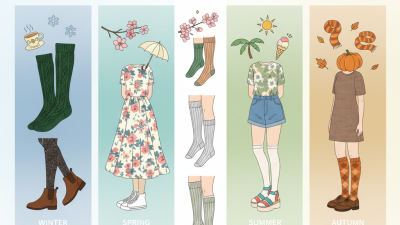
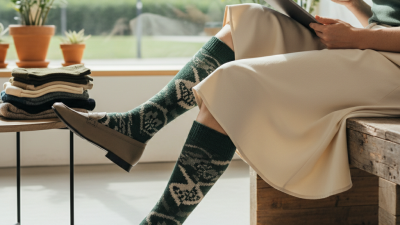
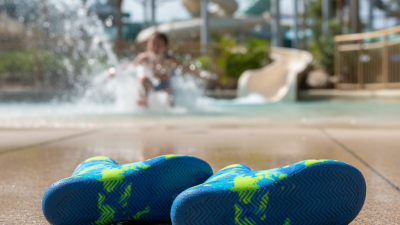
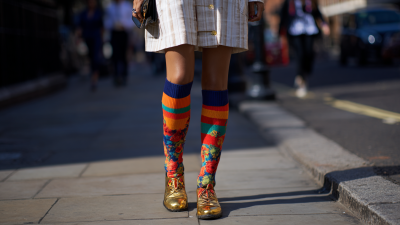
When you’re picking out everyday socks, especially Long Socks, it’s actually pretty important to get it right. The right pair can totally change how your outfit looks and feels. Long Socks are pretty versatile — they keep you warm in the colder months and add a bit of style all year round. But here’s the thing: not all Long Socks are the same, and everyone’s got their own preferences.
Some brands might say they’re the best, but honestly, it comes down to what you like. Material, fit, thickness — these are all key factors. For example, wool blends are great if you want warmth, while cotton tends to breathe better. It’s also worth thinking about what you usually do during the day—whether you need different kinds for work, sports, or just hanging out.
And don’t forget about quality. Sure, cheap Long Socks might seem like a good deal at first, but they often don’t last long. They might sag or get worn out pretty quickly. Honestly, it’s better to invest in a few good pairs you can trust rather than constantly replacing low-quality ones. Keep these things in mind, and you’ll end up with socks that actually work for you and make your daily outfits feel a lot more put together.
Types of Long Socks for Everyday Use
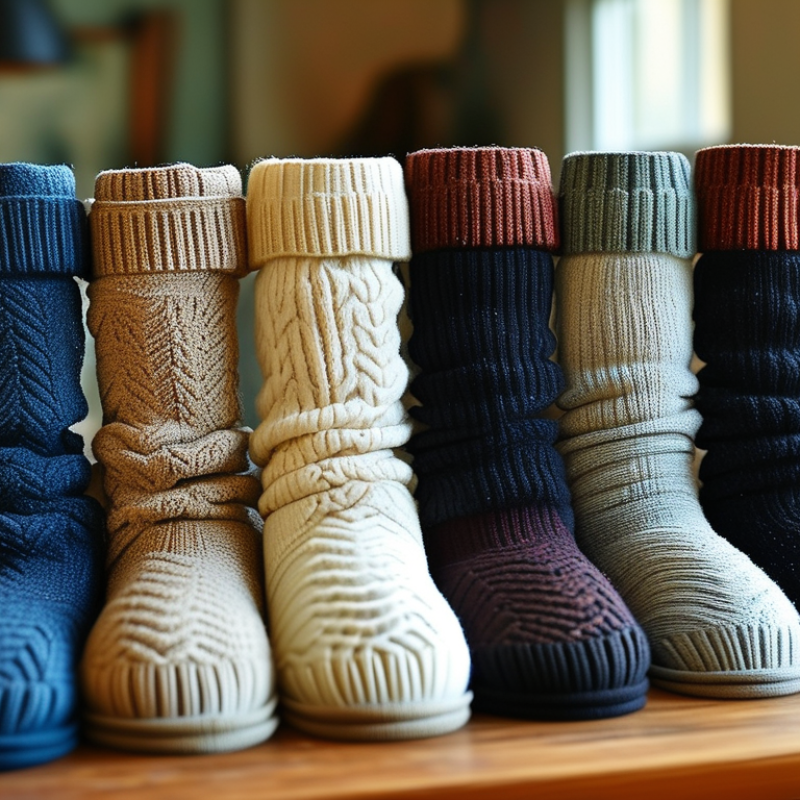
When choosing long socks for everyday use, consider different types available. There are cotton, wool, and synthetic blends. Cotton Socks offer breathability. They are soft against the skin and good for daily wear. Wool socks, while thicker, provide warmth and moisture-wicking properties. They work well in cooler weather and can prevent odor.
Compression Socks are another option. They improve circulation and provide support, making them ideal for long days on your feet. Sports socks often include cushioning and arch support. However, they might not be suitable for formal settings. Each type has its pros and cons.
Finding the right fit can be challenging. Long socks should hug the calf without being too tight. Sizing can vary greatly. Some brands may not cater to all foot shapes. This can lead to discomfort during the day. Regularly review your collection to see if they still meet your needs. Prioritize comfort and suitability for your lifestyle. With some trial and error, you can discover what truly works for you.
Factors to Consider When Choosing Long Socks
When choosing long socks for everyday use, a few factors come into play. Comfort is paramount. Socks made from cotton blends can provide breathability. According to the Textile Research Journal, cotton absorbs moisture and promotes airflow. This helps reduce odor and discomfort during long wear.
Fabric composition matters, too. High-quality materials enhance durability. Look for socks that maintain elasticity after multiple washes. A report from the American Apparel & Footwear Association highlights that socks should last through various activities without losing shape.
Tip: Always check the sock's fit. Socks that are too tight can restrict circulation. Meanwhile, excessively loose socks might slide down, causing discomfort. For those looking for versatility, consider styles that feature cushioning materials. This adds comfort while walking or standing for extended periods.
Another note is regarding design. Different colors and patterns can elevate your wardrobe. Simple options often mix well with various outfits. Baby Long Socks, for example, are available in various styles, catering to both utility and style. In conclusion, understanding these factors can lead to better choices in everyday long socks.
Materials Commonly Used in Long Socks
When selecting long socks for everyday use, materials play a crucial role in comfort and durability. Cotton blends are popular due to their soft feel and breathability. According to the Textile Research Journal, cotton fibers absorb moisture well, making them ideal for daily wear. However, pure cotton socks can lose elasticity over time. Many consumers report that blended materials, such as cotton-polyester, offer added durability.
Wool is another common material choice. Merino wool, in particular, regulates temperature effectively. This wool type can keep feet warm in winter and cool in summer. The American Association of Textile Chemists and Colorists notes that wool socks can also prevent blisters through moisture-wicking properties. Yet, some users find wool itchy, which can be a concern for extended wear.
Nylon is often mixed with other fibers to enhance strength and elasticity. This combination creates socks that maintain their shape and fit. Data from the International Journal of Clothing Science shows that nylon blends improve the lifespan of socks significantly. However, these materials may not always offer the same breathability as natural fibers. With various options available, it's essential to consider personal preferences and intended use when selecting long socks.
What is the Best Type of Long Socks for Everyday Use? - Materials Commonly Used in Long Socks
| Material | Breathability | Durability | Comfort | Moisture Management |
| Cotton | Good | Moderate | High | Average |
| Wool | Excellent | High | Very High | Great |
| Polyester | Fair | High | Moderate | Excellent |
| Nylon | Good | Very High | High | Good |
| Bamboo | Excellent | Moderate | High | Excellent |
Socks for Different Activities: Everyday vs. Sports
When selecting socks for daily activities, comfort is key. Everyday socks should be soft and breathable. Look for materials like cotton or bamboo. These fabrics allow your feet to breathe and keep moisture at bay. Many people overlook the importance of a good fit. Socks that are too tight can restrict circulation. On the other hand, loose socks can slip down and cause blisters.
For sports, the needs shift significantly. Grip Socks Long are a fantastic choice for activities that require stability. They help prevent slipping during workouts. These socks often feature rubberized grips that offer extra traction. This is especially important for yoga or Pilates. However, some may find them too snug for casual wear. It’s vital to choose socks that fit your specific activities.
It’s also essential to consider how long socks can affect foot health. Some individuals may develop issues with certain styles. Compression socks can boost circulation but may feel constrictive. Finding the right balance between comfort and support is crucial. Everyone’s feet are different, so personal experience plays a big role in choosing the right type.
Sizing and Fit for Optimal Comfort in Long Socks
When it comes to long socks, sizing and fit are crucial for comfort. A report by the American Orthopedic Foot & Ankle Society indicates that about 30% of people wear socks that don't fit properly. Ill-fitting socks can lead to blisters or discomfort during daily activities. Long Sport Socks should reach just below the knee for optimal support, especially if you're active throughout the day.
Choosing the right size is essential. Most brands provide a size chart based on foot length and calf circumference. According to the Sock Industry Council, many people neglect this and simply choose based on shoe size. This can result in socks that are too tight or too loose. Too tight, and you risk circulation issues; too loose, and they may slip down.
Moreover, material plays a role in the overall fit. Cotton blends provide breathability, while synthetic fabrics enhance moisture management. Find what works best for your daily routine. It’s worth reflecting on past selections to improve comfort. Have those old socks caused discomfort? Upgrade to high-quality long sport socks that fit well. They can significantly enhance your daily experience.
Best Types of Long Socks for Everyday Use
This chart illustrates the comfort ratings (out of 10) of various types of long socks based on material, cushioning, and fit.
Care Instructions for Longevity of Long Socks
Long socks serve various purposes, from athletic activities to daily wear. Proper care can significantly extend their lifespan, especially for Soccer Long Socks. These socks often endure rigorous movements and washing cycles. To maintain their quality, ensure you follow specific care instructions.
Washing your long socks should be gentle. Use cold water and a mild detergent. This helps preserve the fabric integrity. Avoid bleach; it can weaken the fibers. After washing, air drying is preferred. High heat can lead to shrinkage. Hanging them to dry retains their shape and structure.
When storing long socks, keep them in a cool and dry place. Avoid folding them tightly, as this can lead to creases. Instead, roll them loosely to maintain their elasticity. Regular checks for wear and tear are essential. Identifying small damages early can prevent larger issues. Soccer Long Socks, in particular, need special attention since they face more friction during play. Taking these steps can help ensure your long socks remain in excellent condition for daily use.
Popular Brands Offering Quality Long Socks
When selecting long socks for daily wear, many brands provide excellent options. Quality fabric selections often enhance comfort and breathability, making socks ideal for various activities. Some brands focus on moisture-wicking materials. This feature keeps feet dry during long hours of wear.
Durability is another important factor. Brands emphasize reinforced heels and toes. This attention to detail extends the life of the socks. Customers appreciate options with varying thicknesses and lengths. This diversity caters to personal preferences and climate conditions.
However, not all long socks deliver on these promises. Some may wear out quickly or lose their shape after washing. It’s crucial to read reviews and gather feedback. Relying on experience helps in making informed choices, ensuring feet feel comfortable and supported throughout the day.
The Ultimate Guide to Choosing Factory Wholesale Breathable Running Socks for Comfort and Performance
When it comes to selecting the perfect running socks, prioritizing comfort and performance is essential for any avid runner. A standout option is premium running socks crafted from OEKO-TEX® certified yarn, which ensures safety and sustainability. Additionally, these socks incorporate GRS recycled materials, reflecting a commitment to environmental responsibility while enhancing product quality. With features like moisture-wicking properties and anti-odor technology, these socks provide long-lasting comfort, keeping feet dry and fresh even during intense workouts.
The innovative seamless ergonomic construction is designed to eliminate chafing and blisters, allowing runners to focus on their performance without the distraction of discomfort. Featuring arch support, these socks help to stabilize the foot, reducing fatigue over long distances. Furthermore, they offer opportunities for customization, allowing brands to showcase their logos prominently—this not only enhances branding but also creates a unified look for teams and events. By continuously improving performance through advanced design and high-quality materials, these socks are an essential addition to any runner's gear.
FAQS
: Comfort is the most important factor. Look for breathable cotton blends.
High-quality materials improve durability. They should maintain shape after many washes.
Socks must not be too tight or loose. Tight socks restrict circulation; loose socks slide down.
Cotton blends are popular for soft feel and breathability. Wool regulates temperature well but can be itchy.
Wash gently in cold water and use mild detergent. Avoid bleach to maintain fabric integrity.
Air drying is preferred. High heat can cause shrinkage and damage the fabric structure.
Keep them in a cool, dry place. Roll them loosely to avoid creasing and maintain elasticity.
They often lose elasticity over time, which can affect the fit and comfort.
Cushioning adds comfort for long periods of standing or walking.
Look for wear and tear. Early detection can prevent larger issues later.
Conclusion
When selecting the best type of long socks for everyday use, it's essential to consider various factors such as material, sizing, and fit. Long socks come in different types suited for various activities, whether for casual wear or sports. Common materials used include cotton, wool, and synthetic blends, each offering distinct benefits in terms of comfort and breathability.
Additionally, proper care instructions can help extend the lifespan of long socks, ensuring they remain a staple in your wardrobe. It's crucial to choose the right size for optimal comfort, as well-fitting long socks can enhance your daily experiences significantly. By focusing on these aspects, you can find the perfect long socks to meet your needs.

 Trampoline Socks
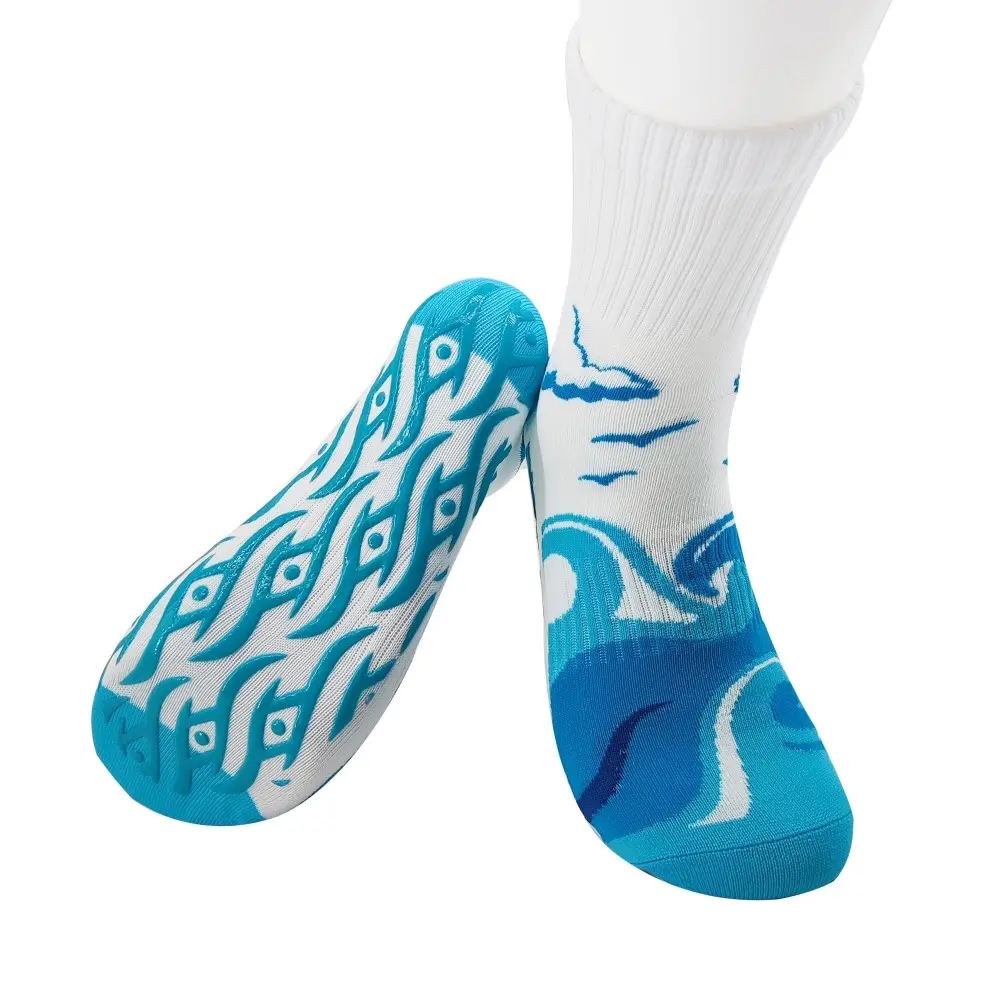 Aqua Park Socks
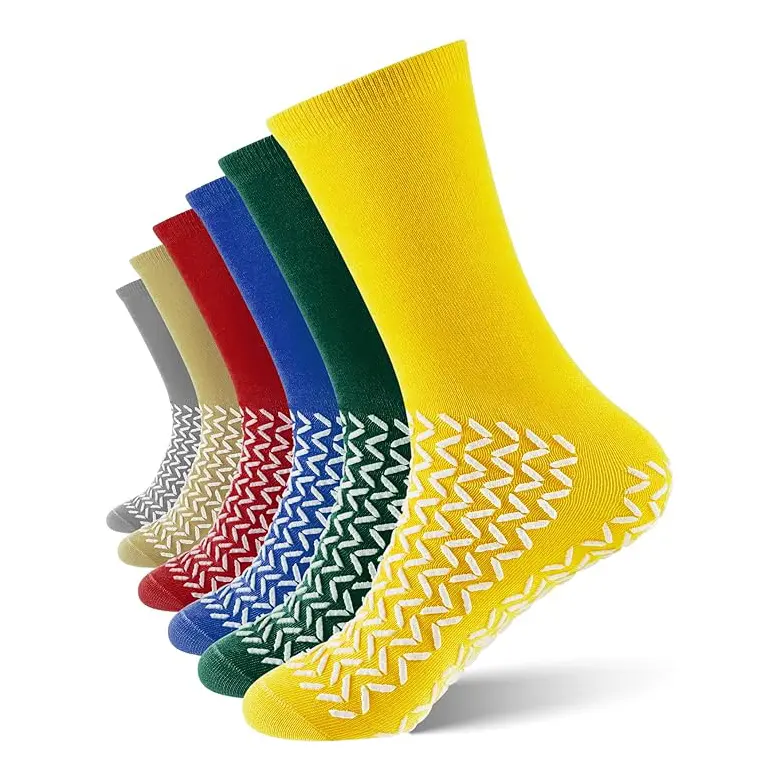 Hospital Slipper Socks
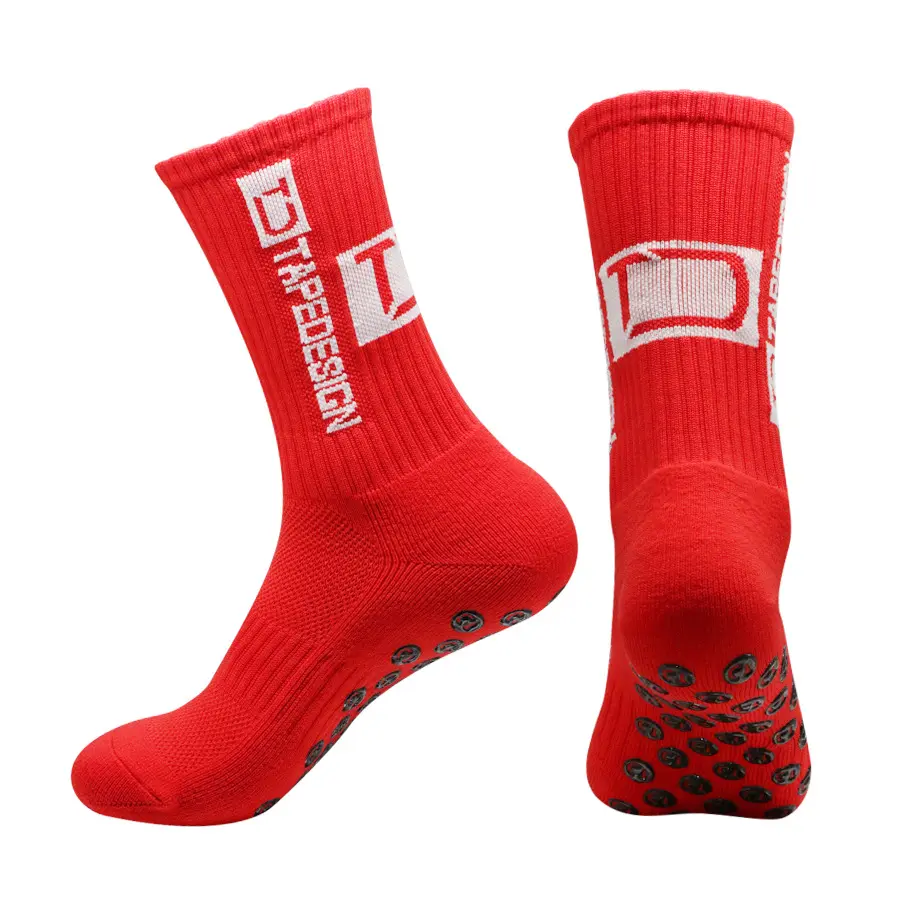 Grip Football Socks
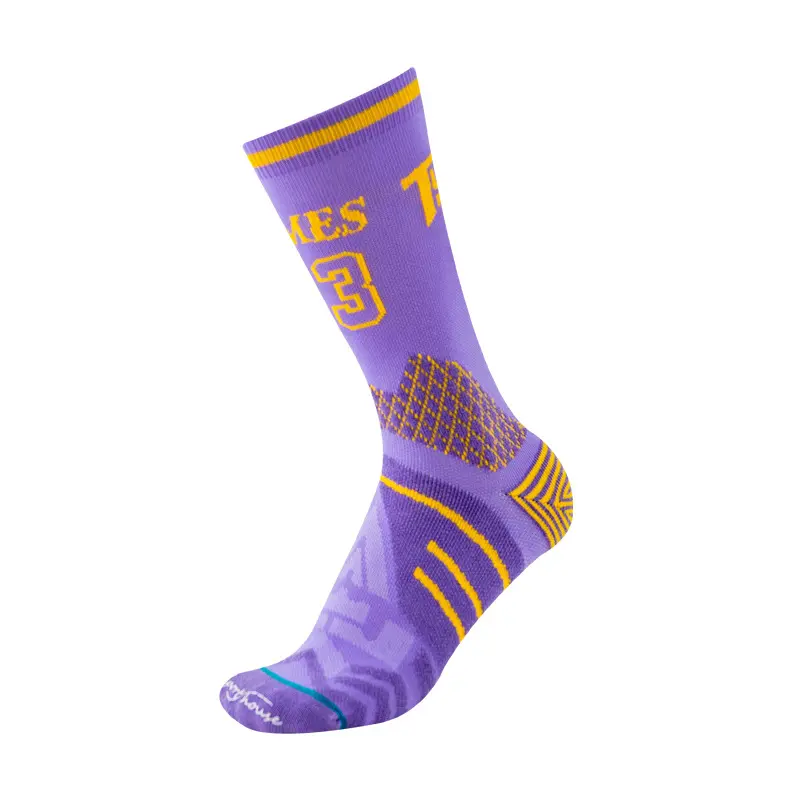 Basketball Socks
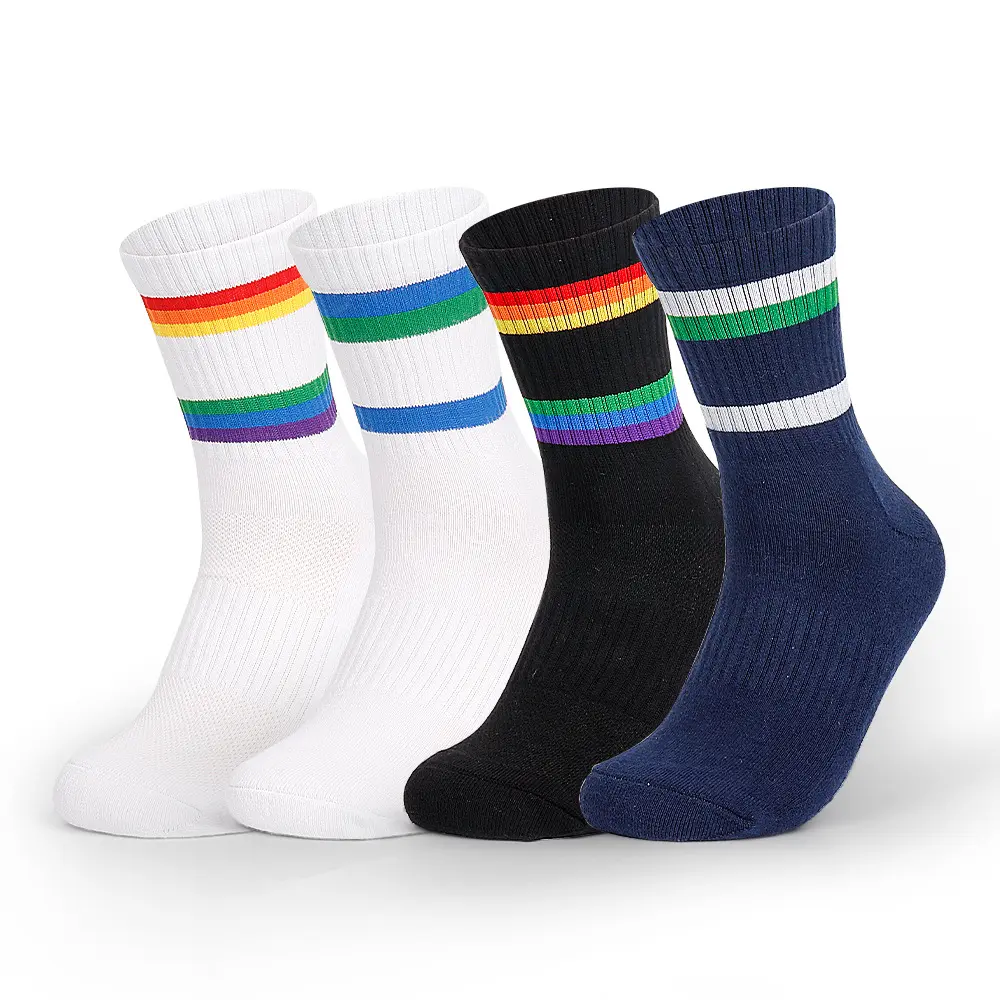 Badminton Socks
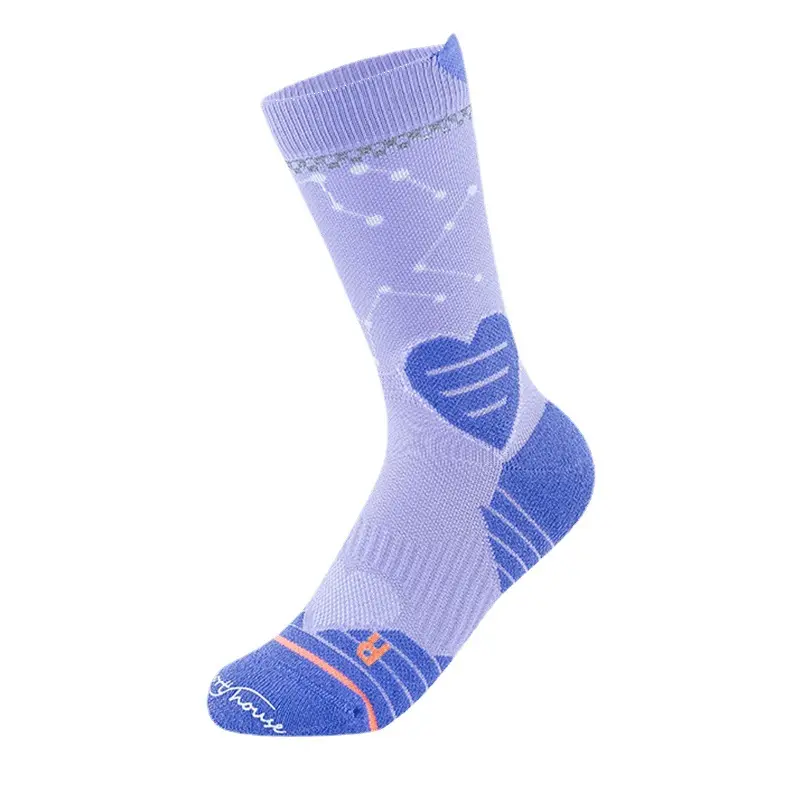 Cycling Socks
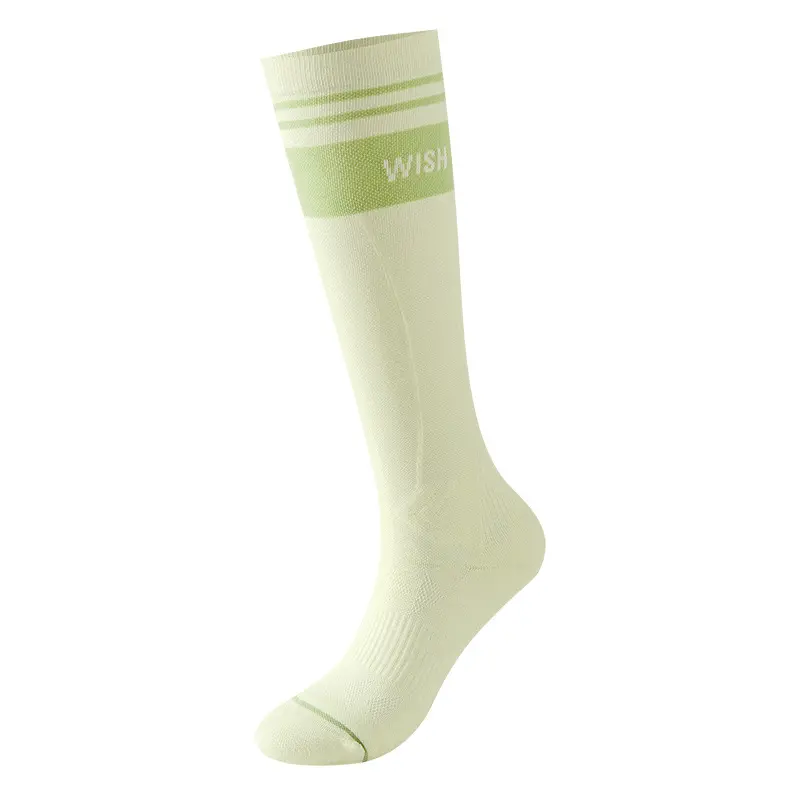 Running Socks
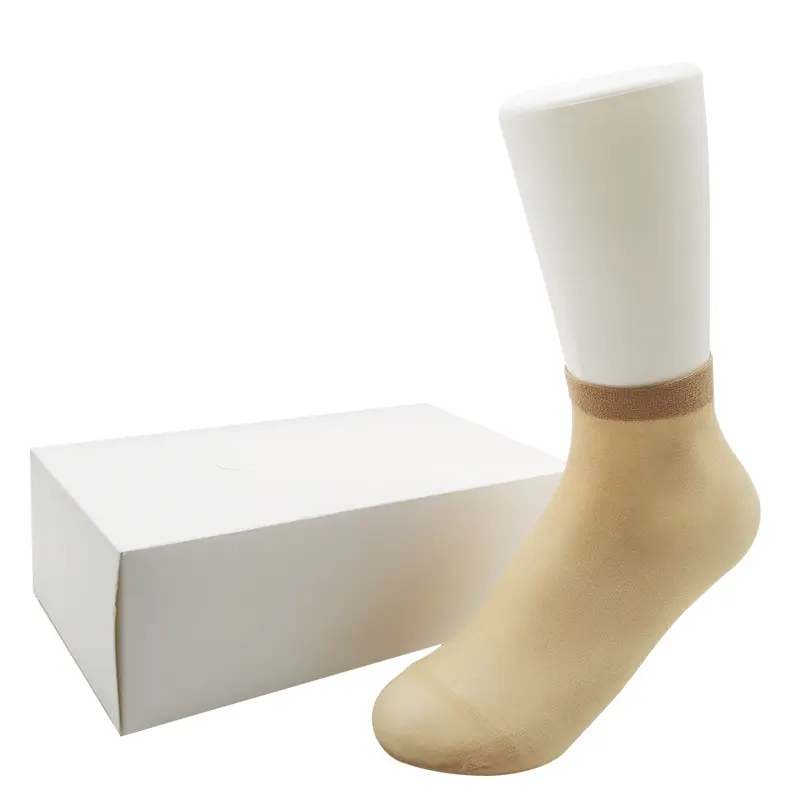 Disposable Socks Bowling Alley Socks
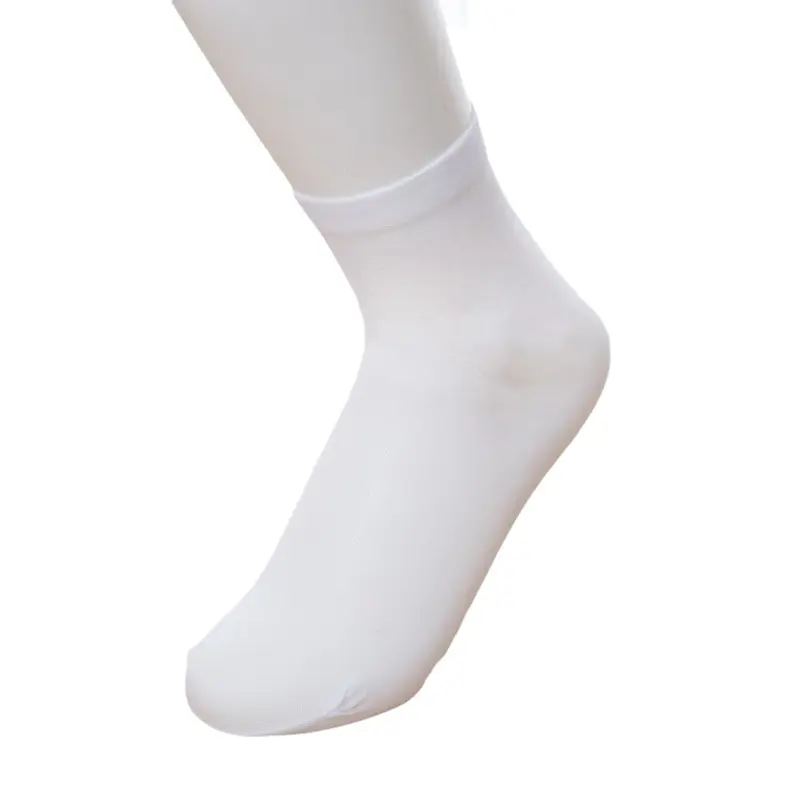 Disposable socks
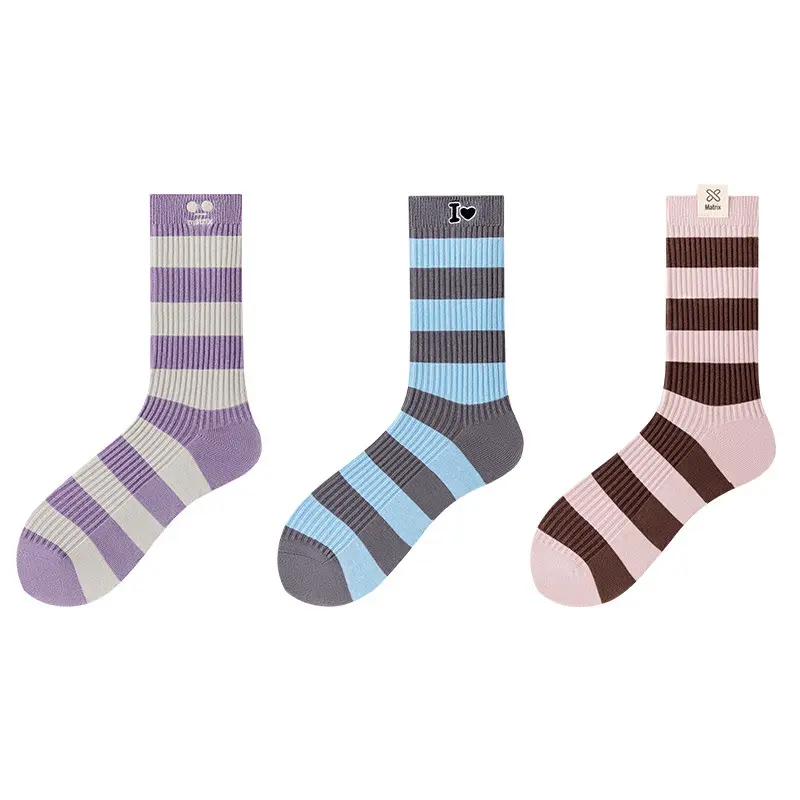 Warm Colorful Striped Crew Socks for Women
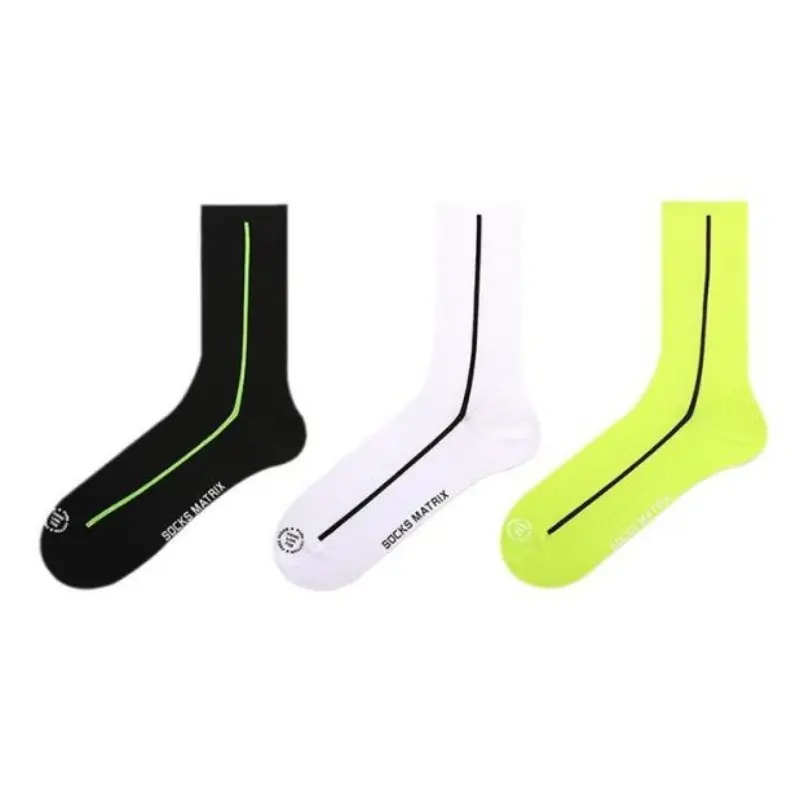 Custom Unisex Crew Socks Breathable Socks
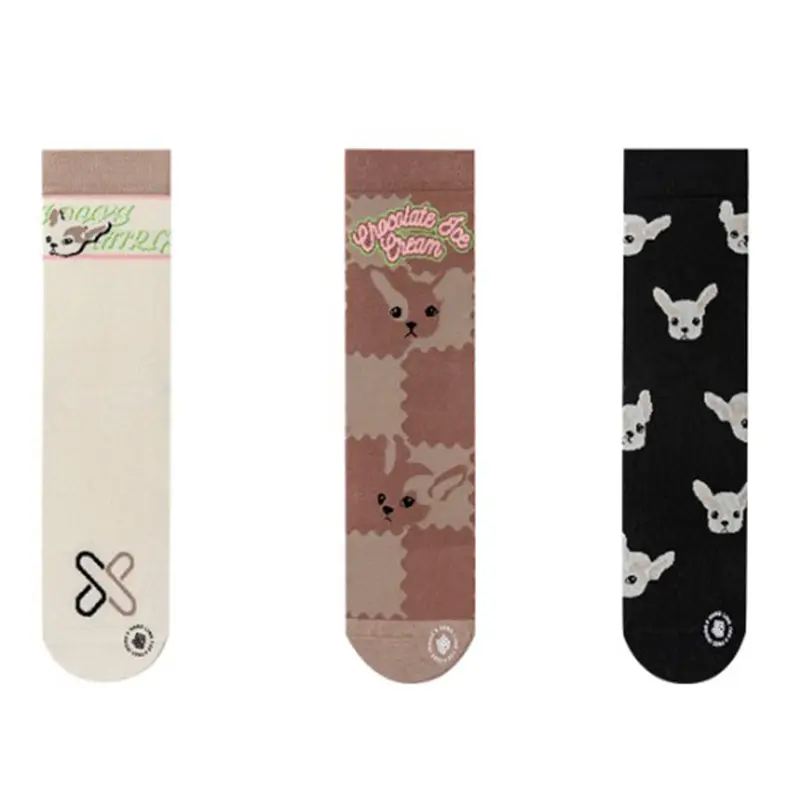 Digital Printing Vintage Crew Socks
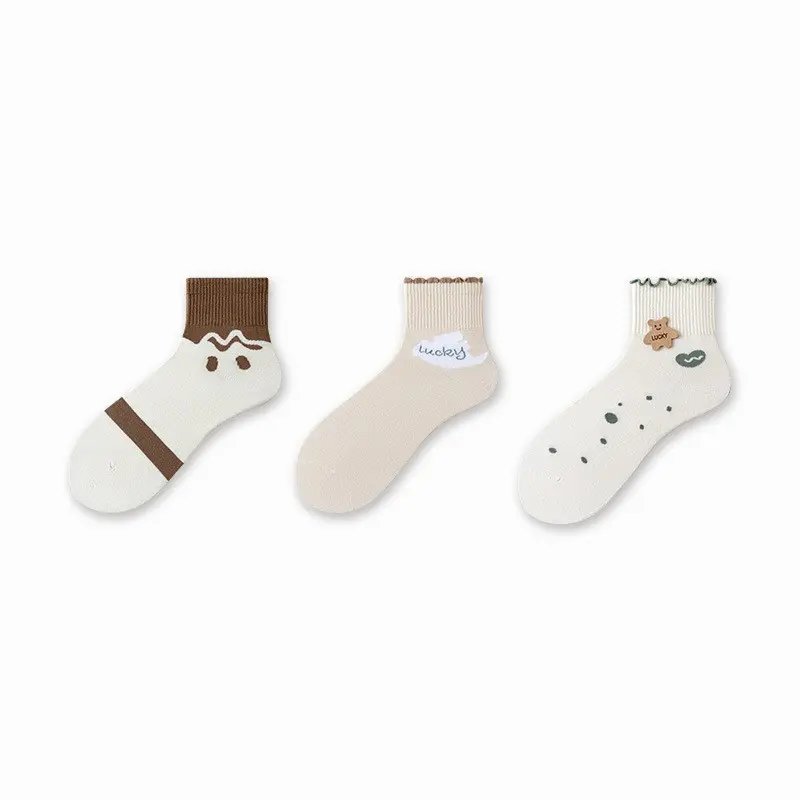 Animal Fuzzy Cartoon Crew Socks for Women
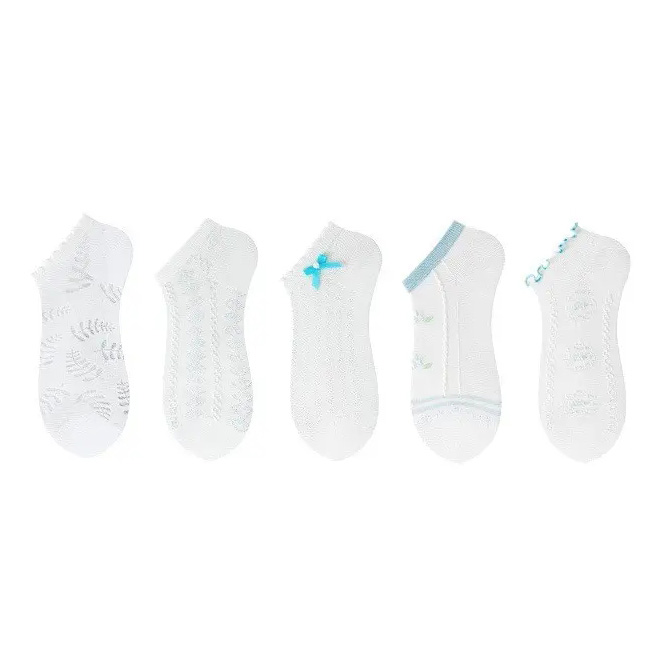 Cotton Flower Ankle Socks Low Cut Socks
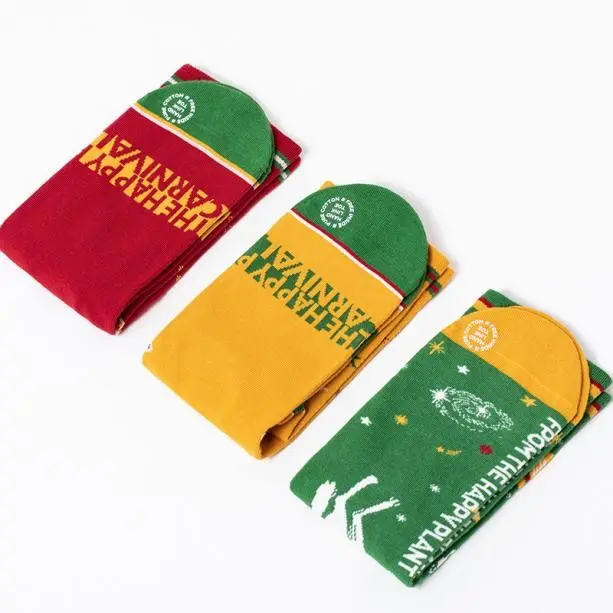 Thick Christmas Festival Crew Socks
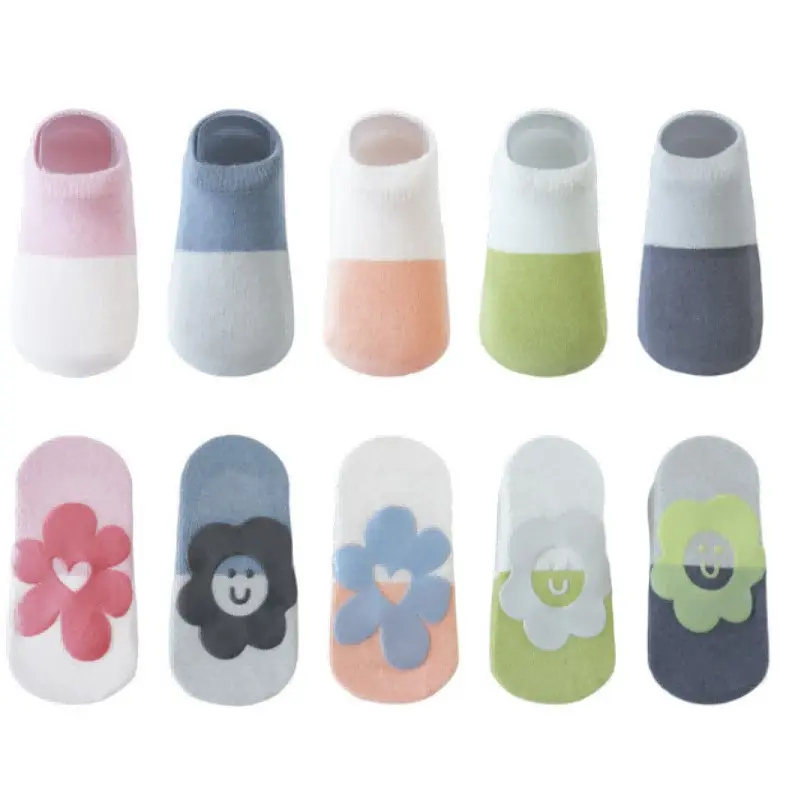 Cotton Cute Anti Slip Baby Ankle Socks with Cartoon
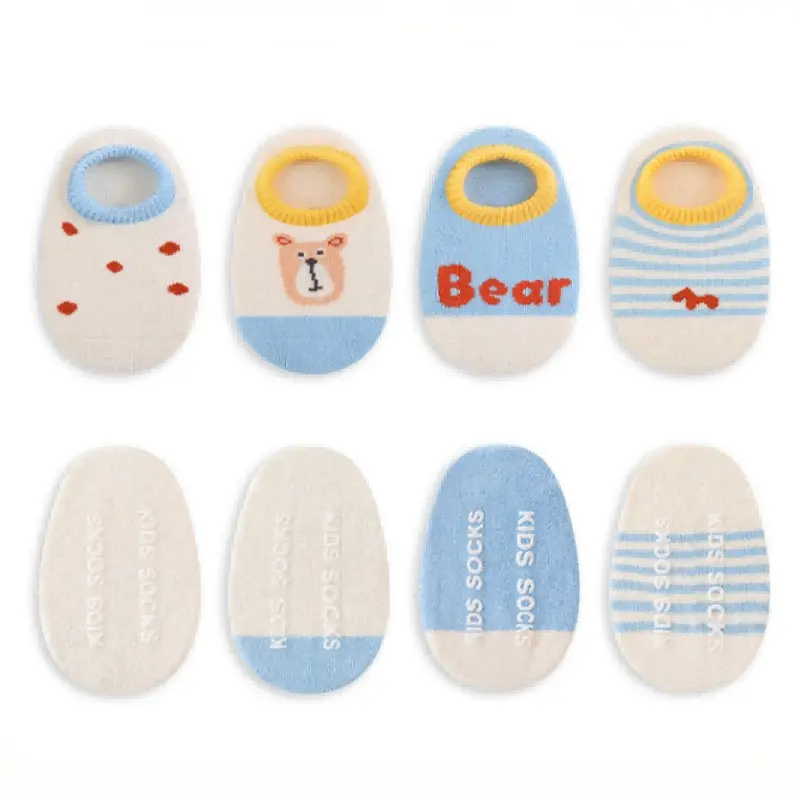 Colorful Soft Baby Socks Anti-slip
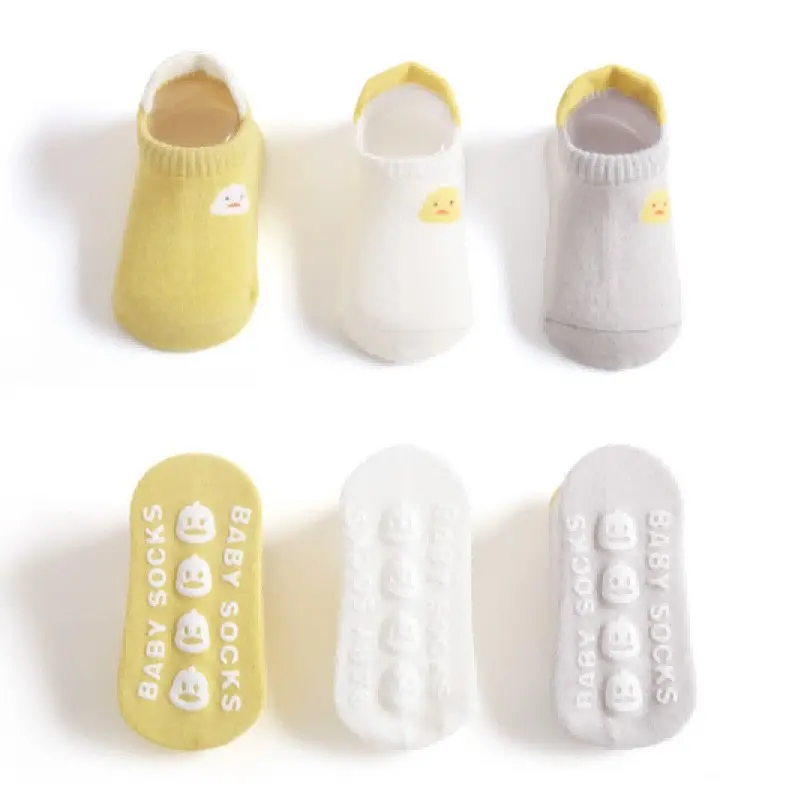 Non Slip Soft Ankle Baby Toddlers Socks
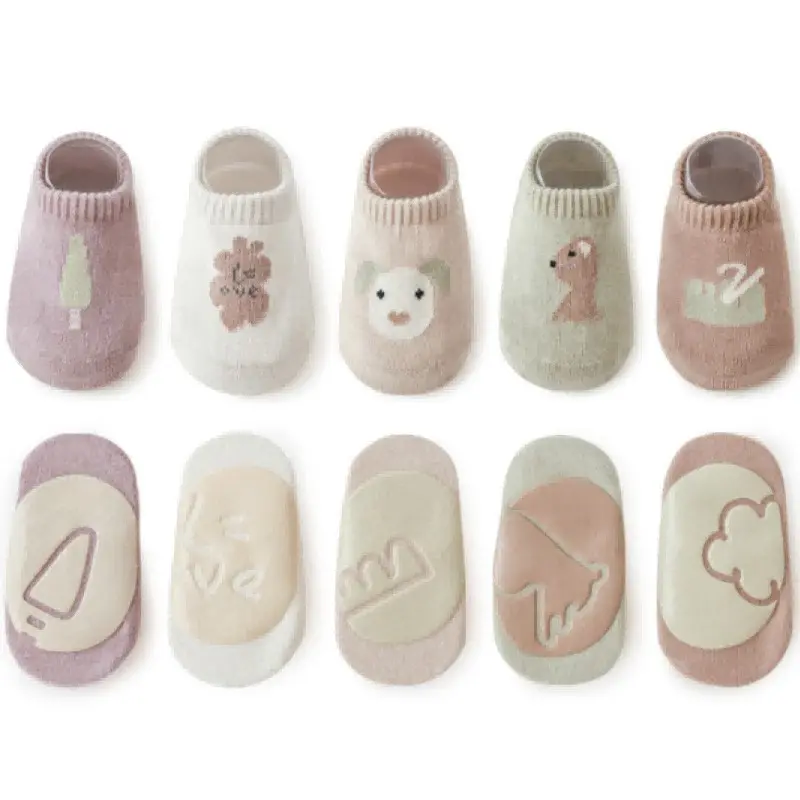 Cartoon Baby Socks With Grips Crew Walking Socks
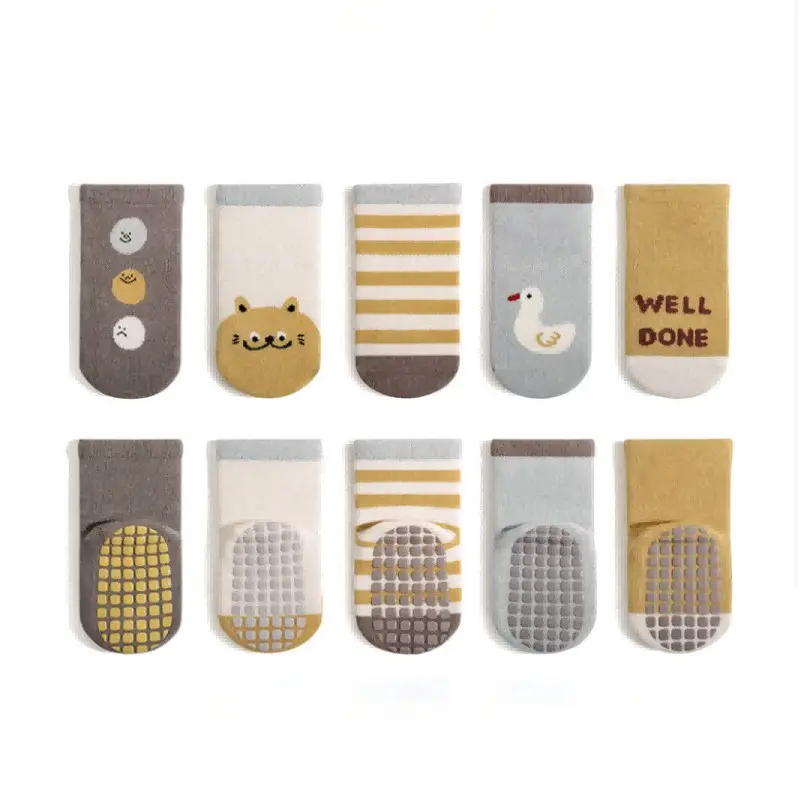 Baby Socks Floor Grip Mid-tube Socks with Cartoon