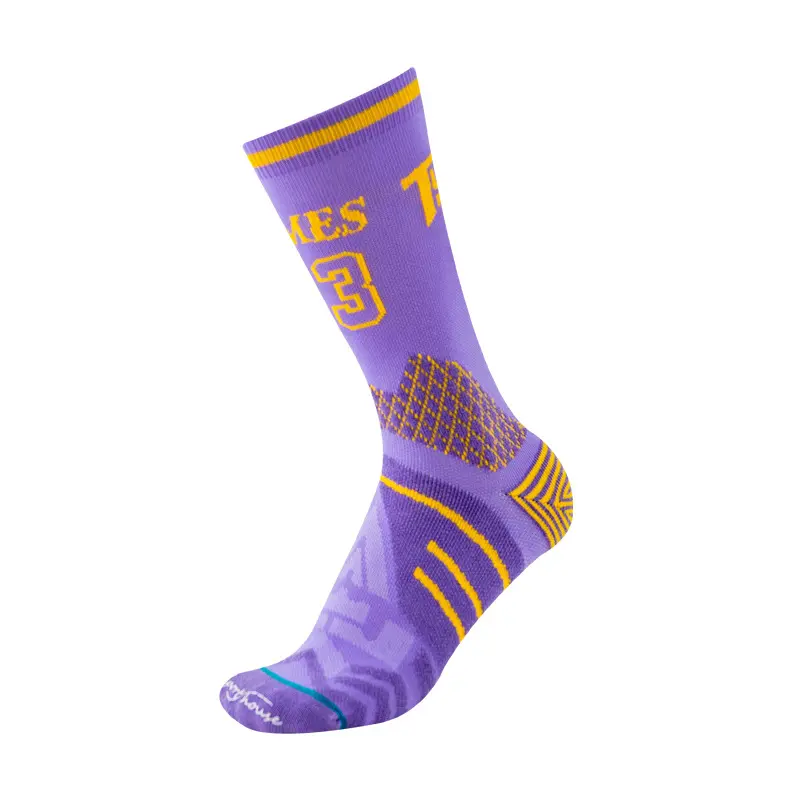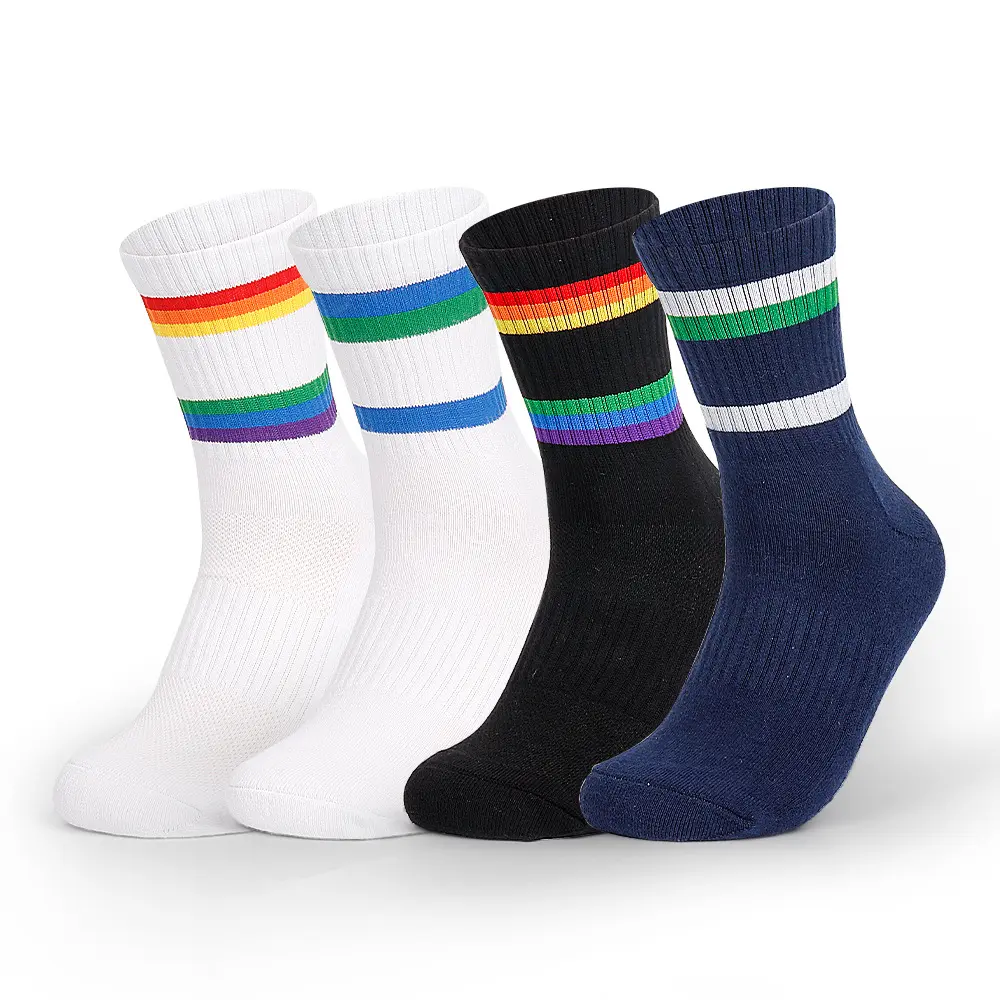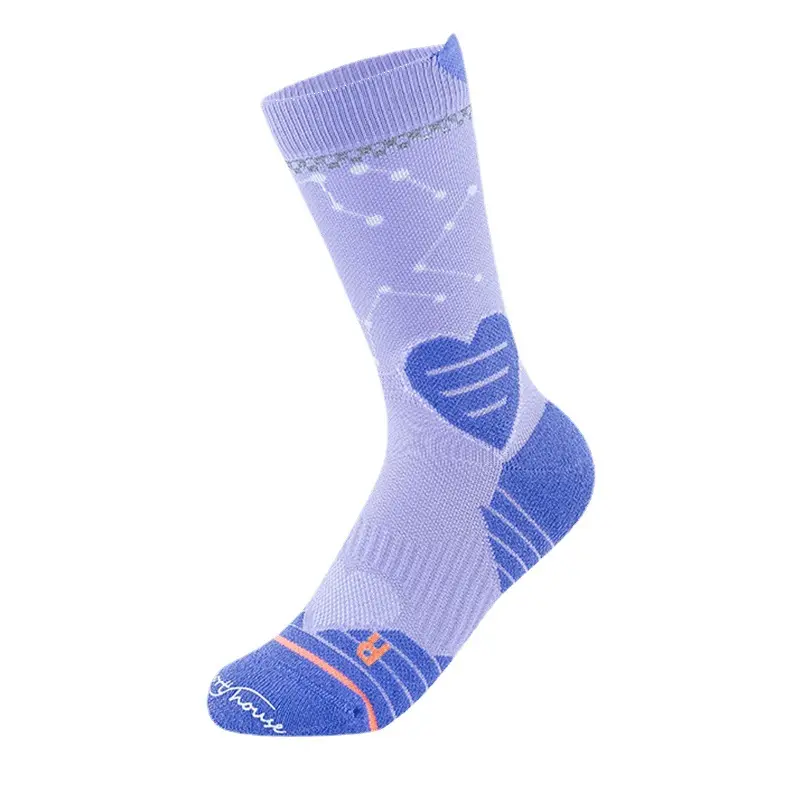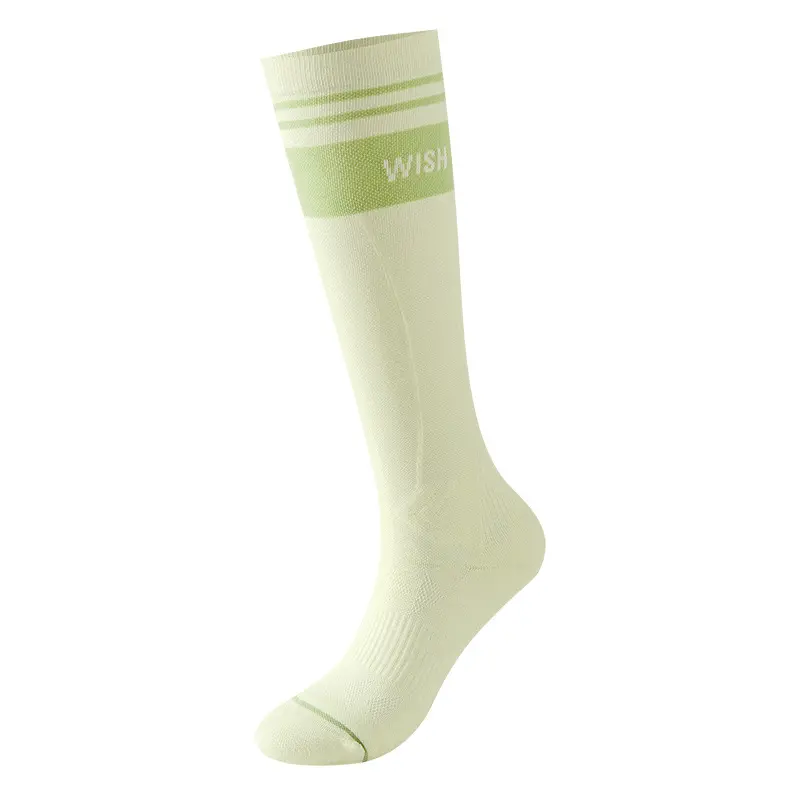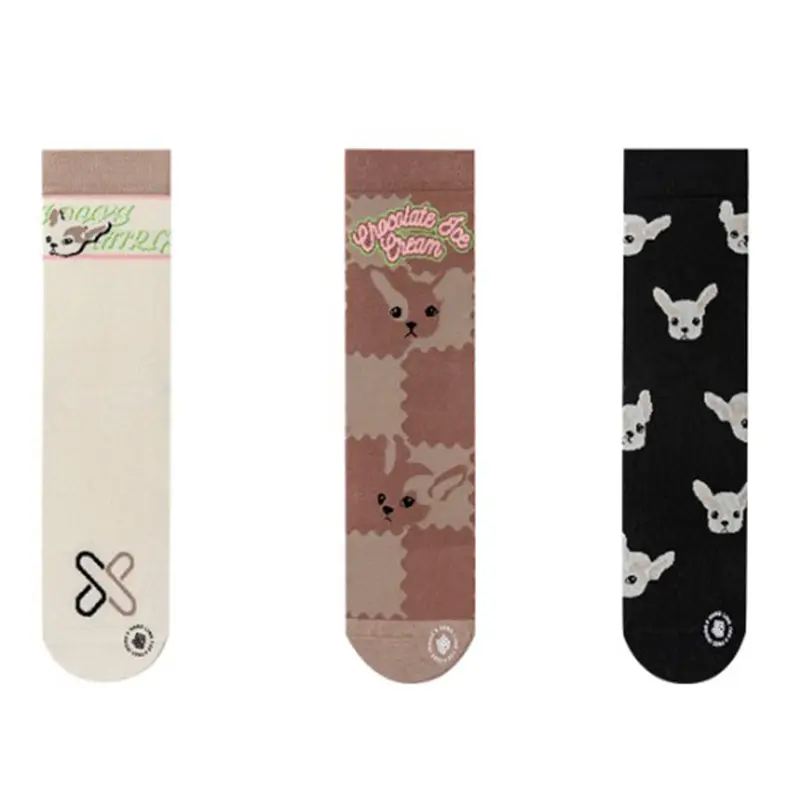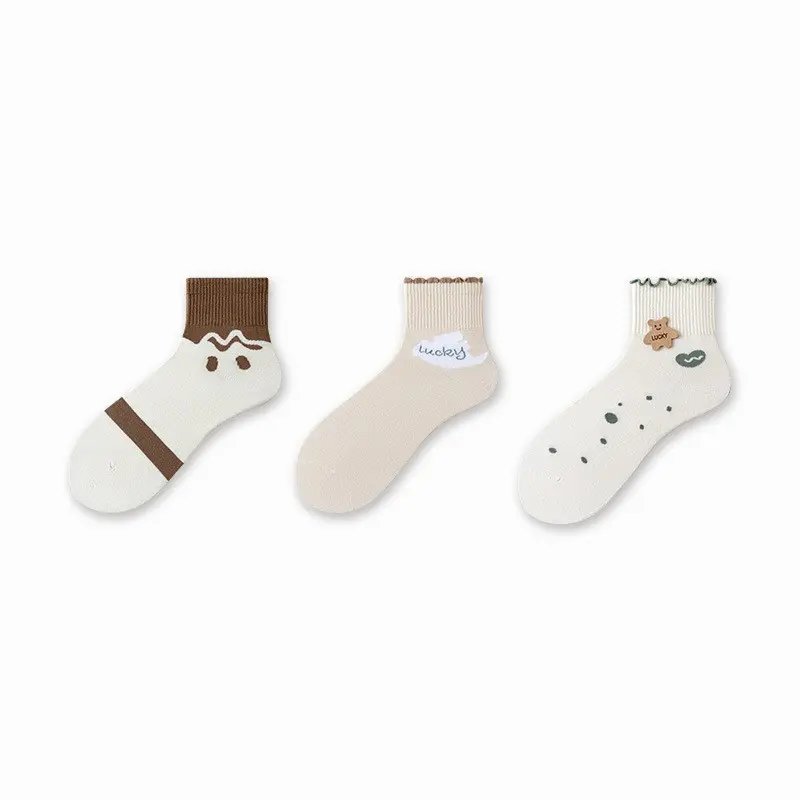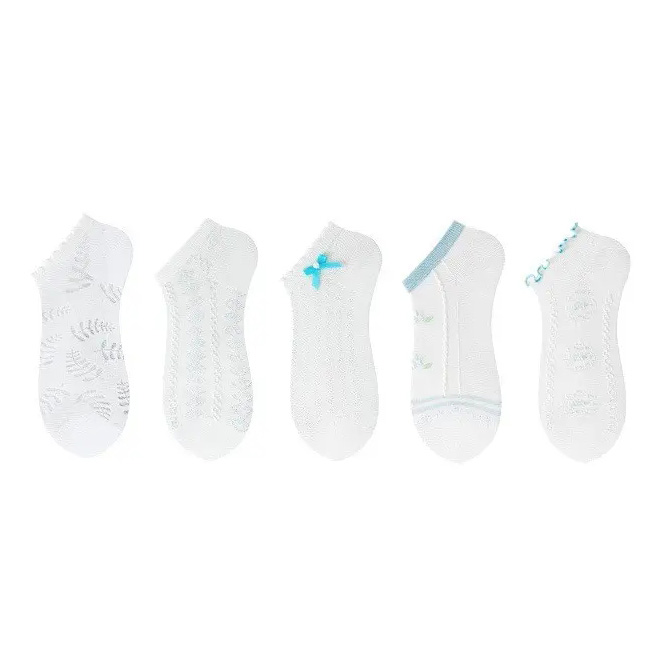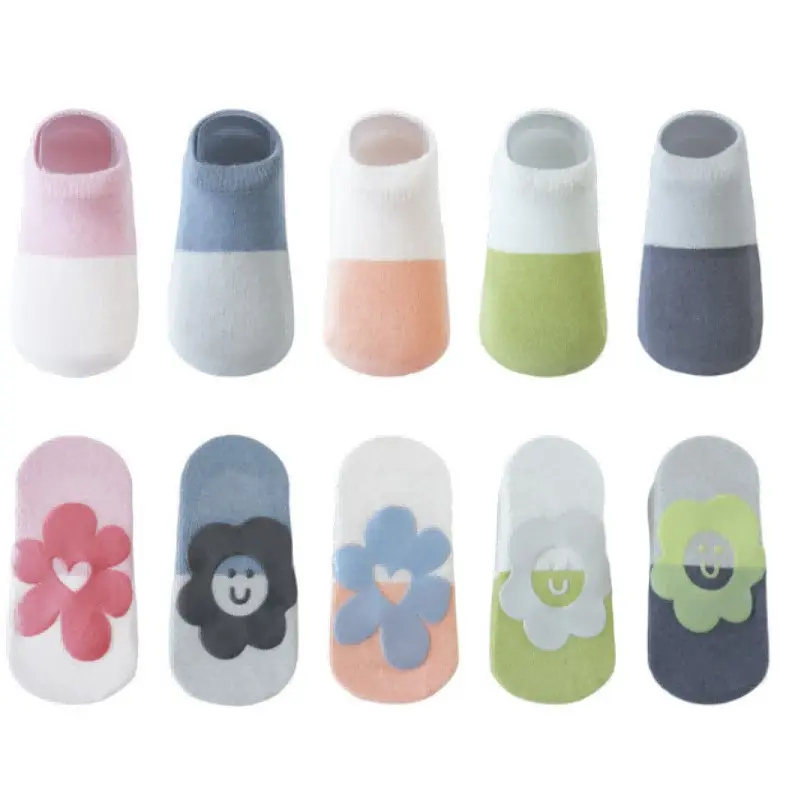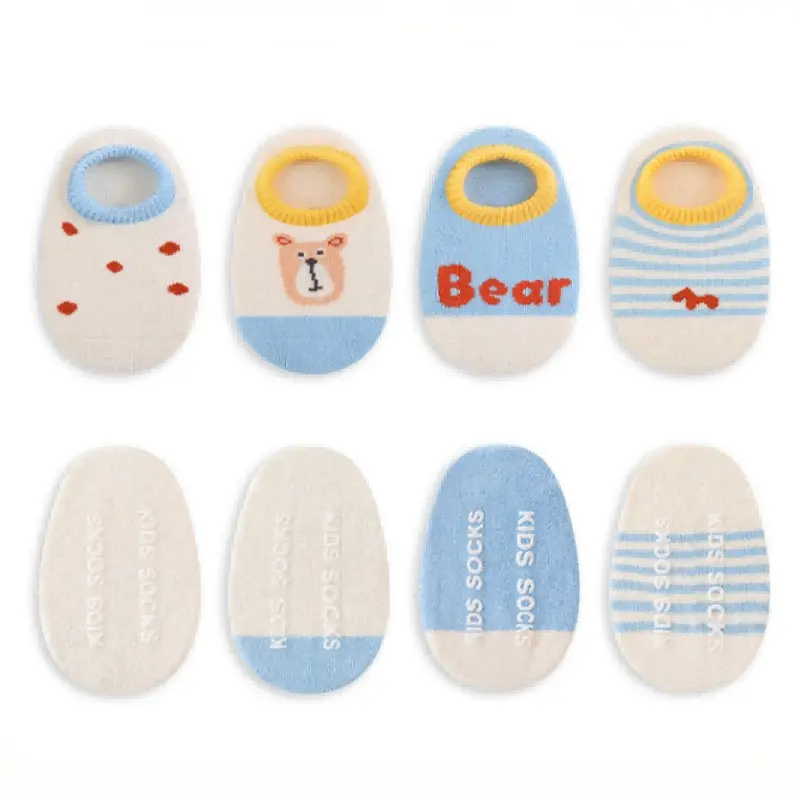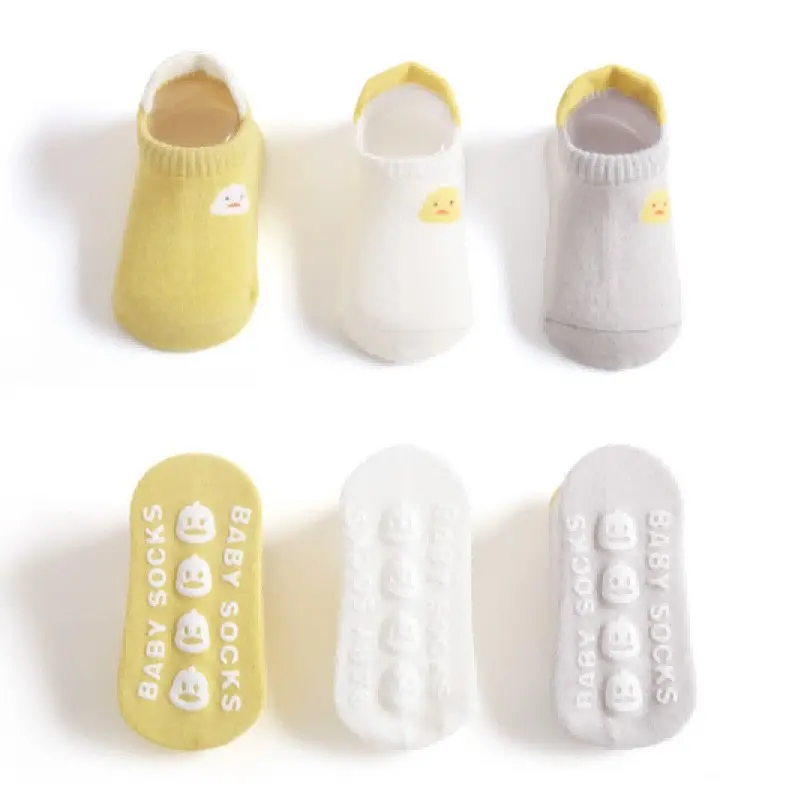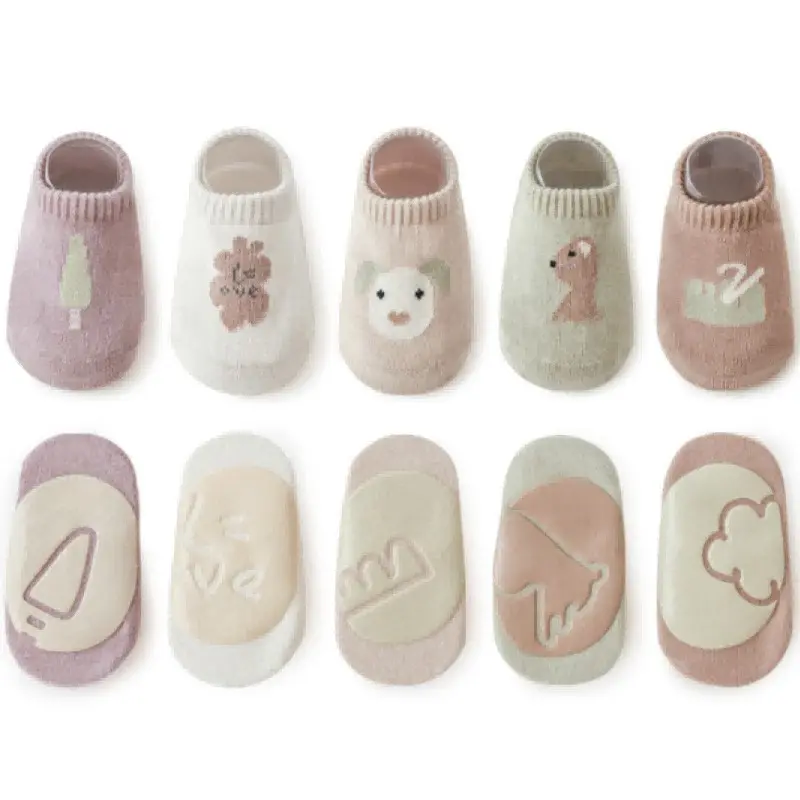
Finding the right shoes is pretty important – not just for comfort, but for your overall health, too. But one thing people don’t always think about is the role of the “right” socks. Seriously, those can make a huge difference! Shoe Fitting Socks might sound kinda simple, but they actually help your shoes fit better and feel way more comfortable. They act like a bridge between your foot and the shoe, giving you that snug but cozy fit. A lot of folks struggle to find socks that actually improve their shoe experience instead of making things worse.
Of course, in a perfect world, every shoe would just fit perfectly every single time. But, well, reality’s a bit messier. Sometimes socks slide around or bunch up, which is super annoying. That’s why brands like FitSock and Sockwell are worth checking out—they make socks designed specifically to work with different shoe shapes. These aren’t just extras; they really become a crucial part of your footwear setup. Shelling out a little extra for good quality “Shoe Fitting Socks” can really help prevent blisters, arch pain, and all those little discomforts.
And here’s the thing—not all socks are a perfect fit for everyone. Feet come in all shapes and sizes, so what works for one person might not for another. Finding the right sock is kinda like a trial-and-error process, but it’s worth it. The bottom line? Comfort’s the goal. Even the best shoes can still feel off if your socks aren’t right. So, taking a bit of time to pick the right pair can honestly make a huge difference in your day-to-day comfort.
When it comes to achieving the perfect fit for your shoes, the right socks can make all the difference. Shoe fitting socks are designed to enhance comfort and support. Their specific materials help ensure a snug fit inside your footwear. These socks often contain cushioning and moisture-wicking properties, which are essential for long-term wear.
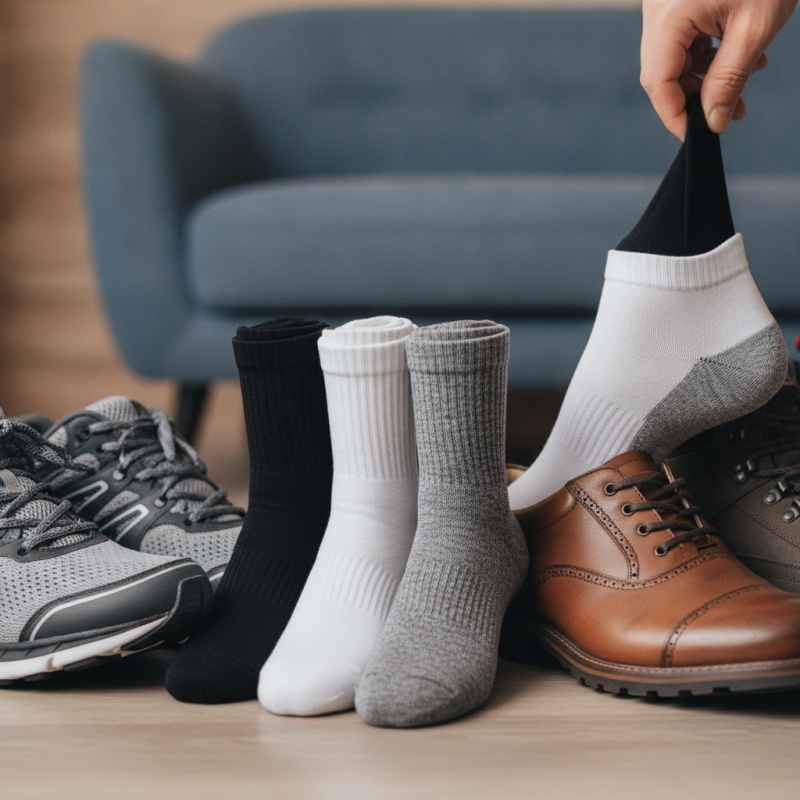
Choosing the right sock length is crucial. Ankle Socks may work well for athletic shoes, while crew-length socks are better for boots. Ill-fitting socks can lead to blisters or irritation over time. Try different styles to see what works best with your shoes.
Tips for selecting the ideal shoe fitting socks: Always consider the material. Natural fibers like cotton or merino wool are great for breathability. Look for socks that provide arch support if you are on your feet all day. Pay attention to the toe seam— a seamless design can reduce discomfort. Not all socks suit all shoes, so experimenting is key.
Finding the right shoe fitting socks is crucial for optimal comfort. When searching for these socks, several key features stand out. First, materials matter. Look for breathable fabrics like merino wool or advanced synthetic blends. These materials help wick moisture, reducing the risk of blisters. According to a report by the American Podiatric Medical Association, over 70% of foot conditions relate to poor fitting footwear. This highlights the need for quality socks.
Padding is another essential feature. Socks with targeted cushioning help absorb shock. This is especially important for active individuals. Research from the Journal of Foot and Ankle Research indicates that adequate cushioning reduces the risk of injuries during physical activity. Not all socks provide this support. A sock with a reinforced heel and toe can prevent wear and tear, ensuring longevity.
Some socks offer arch support, enhancing overall foot stability. This is vital for maintaining balance. However, it's worth noting that not all individuals require the same support. Experimentation may be necessary to find the best fit. Lastly, sock height can impact overall comfort. Crew-length or knee-high socks may stay in place better than ankle socks. This fit can enhance comfort throughout the day, preventing constant readjustment.
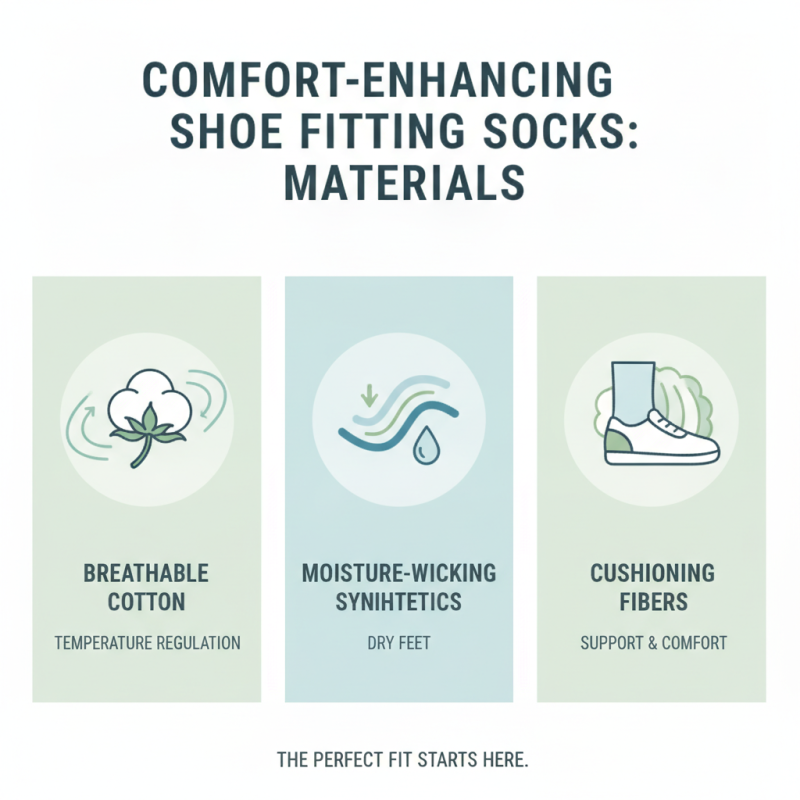
When it comes to achieving the perfect fit for your footwear, the materials used in shoe fitting socks play a crucial role. Many comfort-enhancing socks are made from a blend of breathable cotton, moisture-wicking synthetics, and cushioning fibers. These materials work together to provide both support and comfort. The breathability helps in temperature regulation, while moisture-wicking keeps your feet dry.
Another innovative option is merino wool, valued for its softness and natural temperature-regulating properties. This material can keep your feet warm in colder climates and cool during warmer seasons. When testing different socks, consider the thickness and elasticity that suit your feet best. A socket that is too tight might create pressure points, while too loose a fit can lead to friction.
In the realm of footwear solutions, the use of Hospital Shoe Fitting Kits can provide guidance on selecting the right sock materials. It might take some trial and error to find the ideal combination. Some socks may not hold up after several washes, while others might lack the cushioning needed for all-day wear. The quest for comfort can sometimes feel overwhelming. But, being attentive to material choices can lead to better fitting solutions and overall satisfaction.
Cushioning plays a vital role in the effectiveness of shoe-fitting socks. When it comes to foot health, proper cushioning can make a significant difference. Good cushioning absorbs shock and reduces pressure points during movement. This is especially important for individuals with jobs that require long periods of standing or walking. Without adequate support, feet can suffer from fatigue.
The materials used in shoe-fitting socks also matter. Soft, breathable fabrics can enhance comfort. Look for options that provide arch support and extra padding for the heels. These elements contribute to better alignment and can help prevent painful conditions like plantar fasciitis. However, some may find that not all cushioning feels right. It’s crucial to test different types to see what best suits your feet.
Not all cushioning is created equal. For those with specific foot issues, experimenting becomes essential. A sock that works for one person may not be effective for another. Individual needs vary, and finding the right pair can require patience and a willingness to try various options. Listening to your feet is key. Taking the time to identify the best cushioning can lead to a more comfortable walking experience.
When it comes to selecting the perfect socks for your shoes, understanding fit and sizing is essential. A recent industry report highlighted that approximately 70% of people wear the wrong sock size. This can lead to discomfort and even foot health problems. An ideal sock should fit snugly but not too tight. Consider materials that support breathability and moisture-wicking to enhance overall comfort.
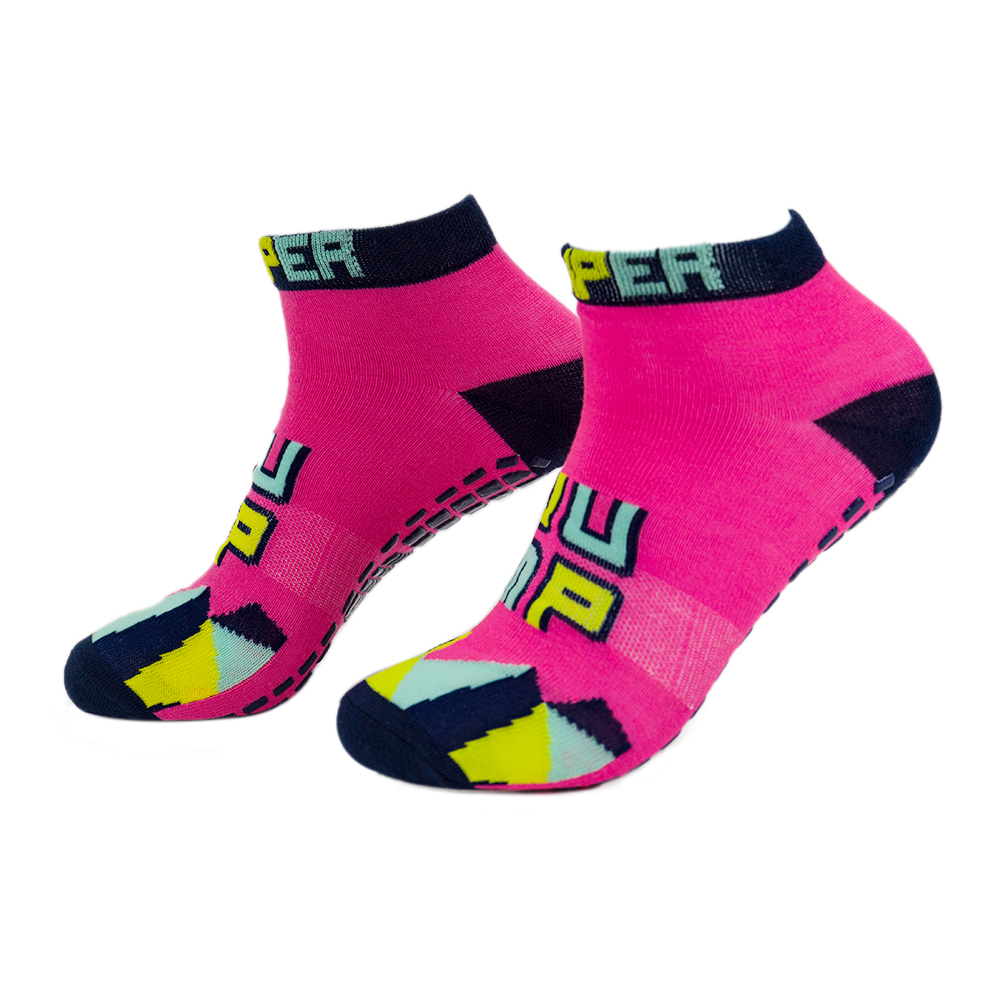
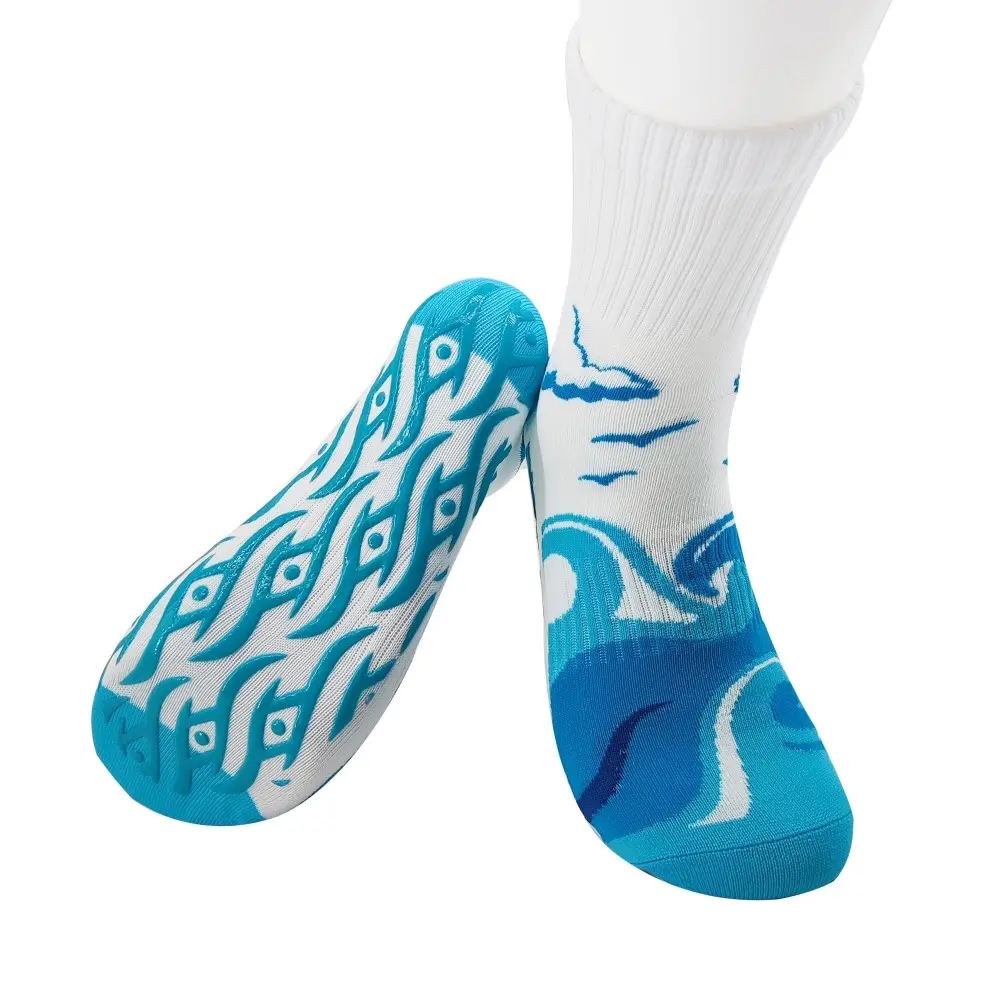
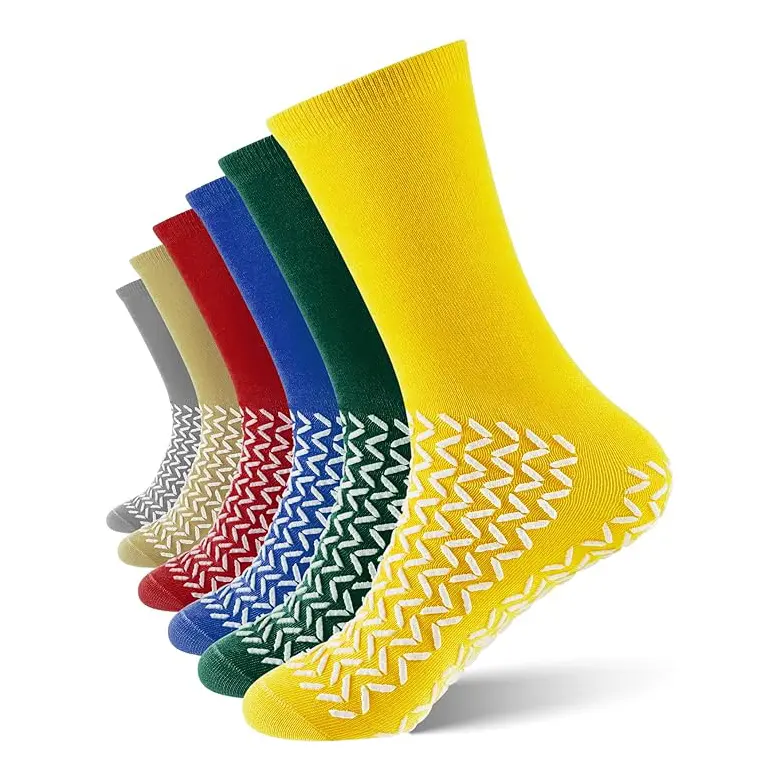
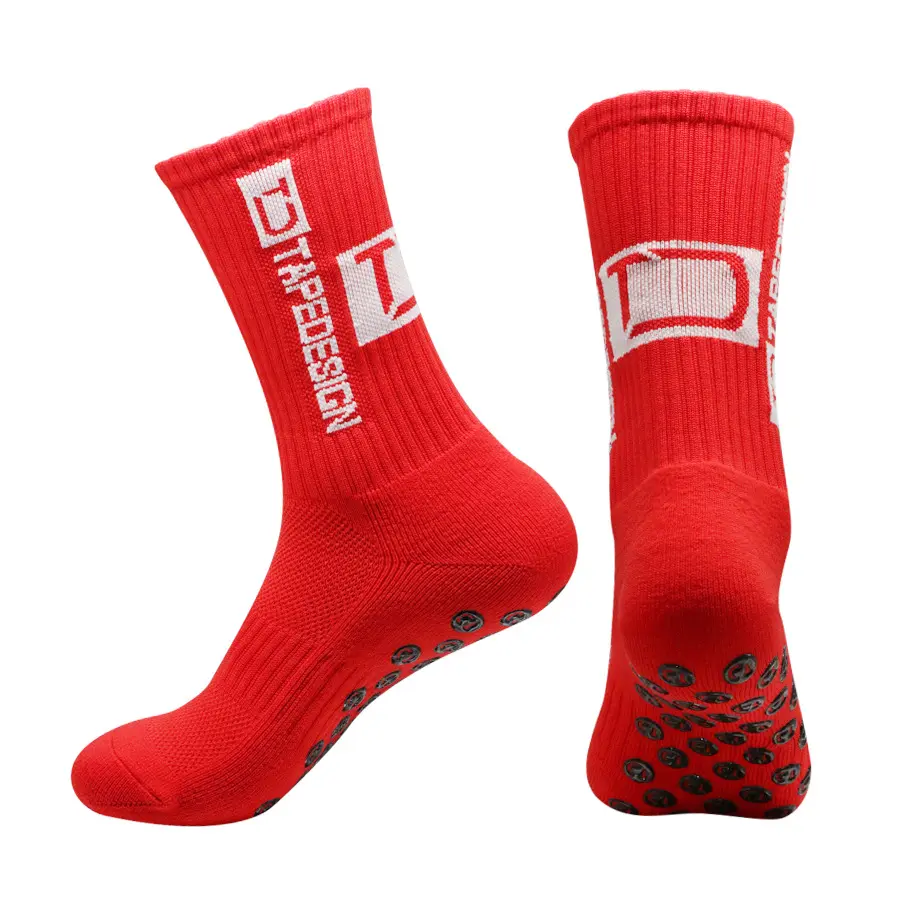
Football Socks Grip Socks are specifically designed for sports, but their features can benefit everyday footwear as well. These socks often come with cushioned soles and arch support, making them a great choice. Not only do they help prevent blisters, but they also promote stability. It’s crucial to pay close attention to sock length and thickness. A sock that is too long can bunch up, while one that is too thin may not provide enough support.
Choosing the right sock involves more than just size; it also requires consideration of shoe type and activity level. The wrong choice can detract from the overall experience. Whether you’re running or simply walking, the right sock makes a difference. In fact, studies recommend trying on socks with your footwear to ensure optimal fit. Also, remember that styles may differ in sourcing and production, affecting overall quality.
| Sock Type | Material | Cushioning Level | Best For | Size Range |
|---|---|---|---|---|
| Athletic Socks | Cotton/Polyester Blend | Medium | Running, Gym | S, M, L, XL |
| Dress Socks | Wool/Nylon Blend | Light | Formal Wear | M, L |
| Compression Socks | Nylon/Spandex | High | Travel, Recovery | S, M, L, XL |
| No Show Socks | Cotton/Elastane | Low | Casual Wear, Sneakers | S, M, L |
| Hiking Socks | Merino Wool | Medium | Outdoor Activities | M, L |
When it comes to shoe fitting, the right socks play a crucial role. Many people overlook how socks affect shoe comfort. Experts agree that choosing the right sock material is key. Opt for breathable fabrics, like cotton or moisture-wicking blends. These materials reduce friction and help prevent blisters. For added support, look for socks with cushioning.
Different activities also require different sock types. For running, select socks with strong arch support. These can help evenly distribute pressure. When considering casual wear, Socks Black Socks can add versatility to your wardrobe. They provide a snug fit, which enhances overall comfort. However, some may find black socks too formal for athletic use. This inconsistency can be a point of frustration for users.
Wearing socks that don’t fit properly can worsen foot discomfort. Ill-fitting socks may bunch up or slide down. These small annoyances can lead to bigger problems over time. It’s essential to assess how your socks interact with your footwear. An uncomfortable sock can distract you from your day. Regularly evaluate your choices to find the perfect match for every shoe.
When it comes to shoe fitting socks, finding the right pair can make a substantial difference. Various brands offer unique features that enhance comfort and fit. Some prioritize moisture-wicking properties, while others focus on cushioning for added support. Users often report varying levels of satisfaction, reflecting the subjective nature of comfort.
A comparative analysis reveals interesting insights. Many testers prefer socks that blend elasticity with durability. However, some brands may not offer the right fit for wider or narrower feet. It's crucial to consider individual foot shape and activity level when choosing. Bow Socks, for example, are designed to provide extra stretch and support. They cater to a range of footwear styles, making them a popular choice. Still, not every user finds them ideal.
Gathering reviews can help identify common trends. While some users rave about fit and comfort, others highlight issues such as wear and tear over time. It's easy to overlook how important fabric composition is as well. Different materials may lead to different experiences. Ultimately, buyers should be aware of these factors before making a decision.
: They enhance comfort and support, ensuring a snug fit inside your shoes.
Wearing the wrong size can lead to discomfort and even foot health issues.
Natural fibers like cotton or merino wool are recommended for breathability.
Ankle socks work for athletic shoes, while crew-length is better for boots.
Yes, socks that don’t fit well can lead to blisters and irritation over time.
Yes, seamless designs can reduce discomfort and improve wearability.
Absolutely. Always test socks with your shoes for the best fit.
Thin socks may lack support. Consider a thicker option if needed.
No, different socks may suit various shoe types and activities better.
Experiment with different styles and pay attention to thickness and length.
Shoe fitting socks are designed to enhance the overall comfort and fit of footwear. These specialized accessories provide numerous benefits, including improved cushioning, moisture-wicking properties, and support that contribute to better foot health. When selecting shoe fitting socks, it's essential to consider key features such as fabric materials that promote breathability and elasticity, as well as the thickness of cushioning for optimal comfort.
Choosing the right size and fit is crucial to ensure that the socks complement your shoes perfectly. Additionally, expert recommendations can guide you in identifying the best types of shoe fitting socks tailored to your needs. A comparative analysis of the top brands in this category reveals variations in features and ratings, helping consumers make informed decisions for their footwear solutions. Overall, investing in quality shoe fitting socks can significantly enhance your footwear experience and contribute to healthier feet.