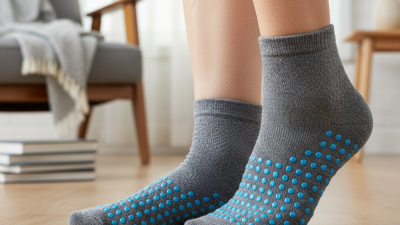
Picking out high-quality wholesale Yoga Socks Anti Slipfor your studio can actually feel kind of overwhelming at times. I mean, there’s so many options out there! Sarah Thompson, who’s pretty well-known in the yoga gear scene, once said, "The right Yoga Socks can really level up your practice by giving you better stability and grip." So, when you’re trying to choose the best pair, it’s smart to think about the material, how durable they are, and just how comfortable they feel. Good quality socks aren’t just about performance—they also make your practice safer and more enjoyable.
A lot of studios tend to overlook how important that grip really is on yoga socks. Honestly, many instructors tell me that slippery socks can mess with their clients’ progress — nobody wants to feel unstable, right? And don’t forget about the fit. If your socks are too tight or too loose, they can be a total distraction and just uncomfortable during sessions. That’s where paying attention to the little details really pays off. Keep in mind, not every sock labeled as “anti-slip” will work for every type of practice, so it’s worth doing a little homework.
Definitely take some time to check out different brands and what they offer. Sometimes a sock might look super cute but fall flat when it comes to actual performance. It’s also a good idea to ask your fellow instructors for their recommendations — their firsthand feedback can save you a lot of trouble. Spending a bit more time finding the right Yoga Socks Anti Slip can really make a difference — not just for how your studio runs but also for how happy and safe your clients feel.
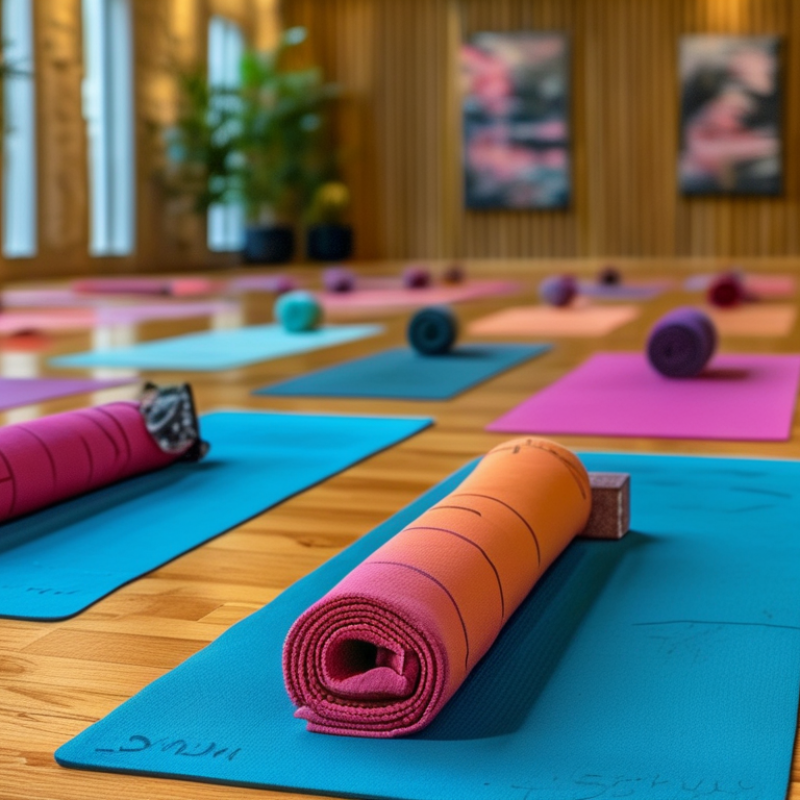
Factors Influencing the Quality of Wholesale Yoga Socks
When selecting high-quality wholesale yoga socks, it’s essential to consider several factors that influence their quality. The fabric choice plays a significant role. High-performance materials such as cotton blends or moisture-wicking synthetics can enhance comfort and durability. According to a study by the Textile Research Journal, socks made from synthetic fibers can reduce moisture retention by 30%, thereby providing a better grip during yoga sessions.
The design details, such as the type and placement of anti-slip features, also matter. A recent report from the Yoga Alliance suggests that 70% of yoga practitioners prefer socks with additional grip patterns on the soles. This feedback emphasizes the importance of creating socks that meet user expectations. However, not all designs perform equally. Some users find that poorly placed anti-slip grips can hinder movements instead of aiding them.
Another factor is the manufacturing process. Socks that undergo rigorous quality control tests are generally more reliable. A survey conducted by the International Textile and Apparel Association indicates that 65% of buyers look for certifications that ensure quality. This desire for reliability highlights the importance of sourcing from reputable manufacturers. Despite these insights, many still overlook these factors, leading to subpar products that fail to satisfy end-users.
Understanding the Materials Used in Anti-Slip Yoga Socks
When selecting high-quality wholesale yoga socks, understanding the materials is crucial. Anti-slip yoga socks are usually made from a blend of natural and synthetic fibers. Cotton offers comfort and breathability, while blends often include spandex for stretch and elastane for grip. The combination of these materials enhances flexibility and durability.
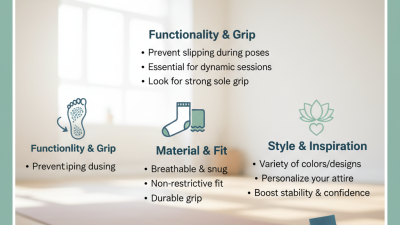
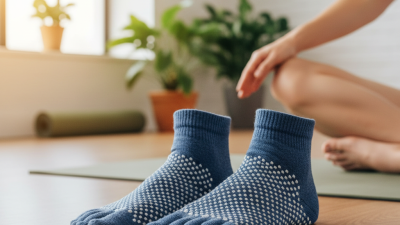
Consider the thickness of the fabric. Thicker socks provide warmth, while thinner options allow for more grip on the mat. Look for rubberized dots or silicone patterns on the soles. These features significantly improve traction during your practice.
Tips: Always check the stitching. High-quality seams prevent tearing. Testing the grip of the Yoga Socks Non Slip is essential before bulk buying. A sample run can reveal potential issues. Remember, not all materials perform the same way under sweat. Customers might have different preferences about comfort and fit. Balance quality with your budget for the best experience.
Comparative Analysis of Pricing: High-Quality vs. Low-Cost Options
When selecting wholesale yoga socks, comparing high-quality and low-cost options is crucial. High-quality yoga socks often use premium materials like organic cotton and advanced anti-slip technologies. According to a report from the Apparel Institute, 70% of consumers indicate they prefer quality over price in yoga accessories. This suggests that investing in high-quality socks can lead to better satisfaction and repeated purchases.
On the other hand, low-cost options might seem appealing. However, these socks may compromise on essential features like grip and durability. A study from The Yoga Journal noted that 45% of yogis experienced slips during practice, primarily due to poor-quality socks. If your studio prioritizes safety and performance, the initial savings from cheaper socks could result in higher long-term costs due to increased complaints or replacements.
Terrifyingly, relying solely on cost can lead to unanticipated consequences. Low-cost socks often deteriorate quickly. In some cases, the materials may even irritate the skin, leading to potential injuries. Ensuring your studio provides reliable products should take precedence over short-term financial savings, reinforcing the need for a careful assessment of pricing and quality.
Assessing Comfort and Fit: Key Metrics for Yoga Sock Selection
When selecting high-quality wholesale yoga socks, comfort and fit are paramount. According to the Yoga Journal, participants noted that about 75% of their comfort during practice comes from proper footwear. A good fit enhances grip and prevents slipping, which is essential for safety in yoga sessions.
To measure comfort, consider the sock’s material. Often, a blend of cotton, spandex, and silicone provides the right stretch and breathability. The thickness also plays a role; socks too thin may lack support, while those too thick can impede movement. A report from the International Journal of Yoga indicates that improper fit contributes to over 30% of yoga injuries. The ideal yoga sock should fit snugly without bunching or restricting movement.
Socks with anti-slip features enhance stability and confidence. Look for silicone grips strategically placed on the soles. Such designs often increase traction during challenging poses. Additionally, testing different styles can reveal how various cuts and lengths affect comfort. The emphasis on individual preferences helps refine the choice, as one size does not fit all.
Evaluating Slip Resistance: Industry Standards and Testing Methods
When selecting Non Slip Yoga Socks for your studio, understanding slip resistance is essential. Evaluating quality starts with industry standards. Various organizations have set benchmarks for slip resistance, often measured through standardized testing methods. These tests assess how well footwear grips surfaces, especially during dynamic movements common in yoga practice. Look for products that cite compliance with these standards.
Testing methods often involve friction assessments on different surfaces. A high-quality sock should exhibit satisfactory performance across various conditions. It’s crucial to consider the socks' materials and design, as these factors impact their grip. Additionally, take note of customer feedback regarding real-world performance. A sock may pass tests in controlled settings but fail under typical studio conditions.
Not every product will meet the highest standards. Some Non Slip Yoga Socks may begin tolose their effectiveness after repeated washes. It's wise to choose models that maintain their grip over time. Pay attention to the socks' construction, as reinforced areas can help sustain durability. Sometimes, reviewing these choices reveals the importance of continuous evaluation in your selection process. This reflective approach can lead to better outcomes for your studio.
Sustainability in Yoga Sock Production: Importance and Impact
The rise of sustainability in yoga sock production reflects a growing awareness within the industry. Many studios now seek eco-friendly options in their Grip Socks Yoga. Traditional materials often lead to significant environmental degradation. For instance, the production of polyester, commonly used in yoga socks, releases high levels of carbon dioxide. A report from the Global Fashion Agenda suggests that the fashion industry is responsible for over 10% of global greenhouse gas emissions. This is a pressing issue we need to tackle.
Using organic cotton or recycled materials can significantly reduce the carbon footprint of yoga sock production. Studies show that organic cotton uses 91% less water than conventional cotton. Moreover, choosing suppliers committed to sustainable practices enhances credibility. A 2021 survey found that 70% of consumers prefer brands focused on sustainability. This shift indicates a demand for responsible choices in yoga gear, urging manufacturers to innovate.
However, achieving full sustainability is challenging. Not all producers can meet stringent environmental standards. Inconsistent supply chains often hinder progress. Without a clear definition of what constitutes "sustainable," some products may only offer greenwashing. This situation necessitates critical evaluation from both studios and consumers. We must ensure that our Grip Socks Yoga choices align with genuine sustainability efforts, creating a positive impact together.
How to Choose High Quality Wholesale Yoga Socks Anti Slip for Your Studio - Sustainability in Yoga Sock Production: Importance and Impact
| Material | Anti-Slip Technology | Sustainability Factor | Durability | Price Range (per pair) |
| Organic Cotton | Silicone Grips | Biodegradable | High | $10 - $15 |
| Bamboo Fiber | Rubber Dots | Renewable Resource | Medium | $8 - $12 |
| Recycled Polyester | Textured Sole | Repurposed Waste | Medium to High | $9 - $13 |
| Lyocell | Spot Grip Technology | Low Water and Chemical Usage | High | $11 - $16 |
Customer Feedback: Leveraging Reviews for Informed Purchasing Choices
When selecting high-quality Yoga Grip Socks for your studio, customer feedback is invaluable. Reviews from fellow yogis provide real-world insights. They share their experiences about comfort, fit, and performance. Pay attention to the details people mention, like cushioning and breathability. This information can guide you in making the right choice.
Tips for assessing customer feedback: Focus on the number of reviews. A high volume can indicate a consistent quality. Look for patterns in comments. Do multiple users mention the same pros or cons? Are there frequent mentions of durability? These factors matter.
Consider reflecting on what customers say about sizing. Some might find the socks snug, while others appreciate a tighter fit. This feedback can help you understand which models cater to different preferences. Yoga grip socks vary widely in design; adaptation is crucial. Observing these nuances can significantly influence your purchasing decision.
FAQS
: Cotton blends and moisture-wicking synthetics enhance comfort and durability.
Design details, especially anti-slip features, significantly impact grip and user satisfaction.
Look for rigorous quality control and certifications from reputable manufacturers.
The sock's material and fit play crucial roles in comfort during practice.
Properly placed grips enhance stability and confidence during challenging poses.
Eco-friendly materials, like organic cotton, reduce environmental impact and appeal to consumers.
Improper fit can contribute to yoga injuries and affect overall performance.
Not all brands meet sustainability standards; critical evaluation is necessary to avoid greenwashing.
Conventional materials often lead to significant greenhouse gas emissions and water waste.
Studios should prioritize both comfort features and sustainability in their choices.
Conclusion
When choosing high-quality wholesale yoga socks anti slip for your studio, several critical factors must be considered. First, understanding the materials used in these socks can significantly impact their performance and durability. A comparative analysis of pricing reveals that investing in high-quality options often yields better results in terms of comfort, fit, and slip resistance. Evaluating these socks against industry standards and testing methods ensures that they meet necessary safety requirements.
Additionally, sustainability plays a vital role in the production of yoga socks. Choosing eco-friendly materials can enhance the positive impact on the environment while appealing to conscious consumers. Moreover, leveraging customer feedback and reviews provides valuable insights that can guide your purchasing choices, ensuring that the selected yoga socks anti slip will meet the needs of both instructors and students in your studio. By considering these elements, you can make informed decisions that enhance the overall practice experience.

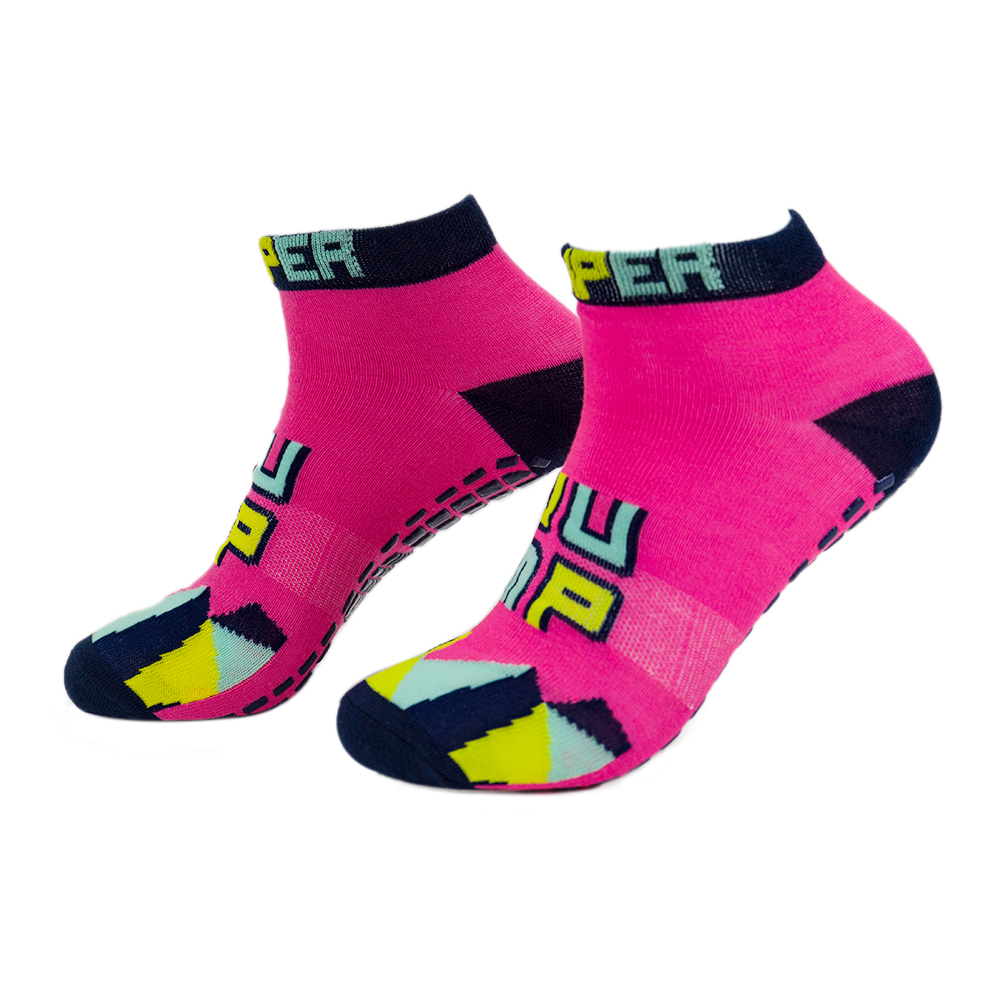 Trampoline Socks
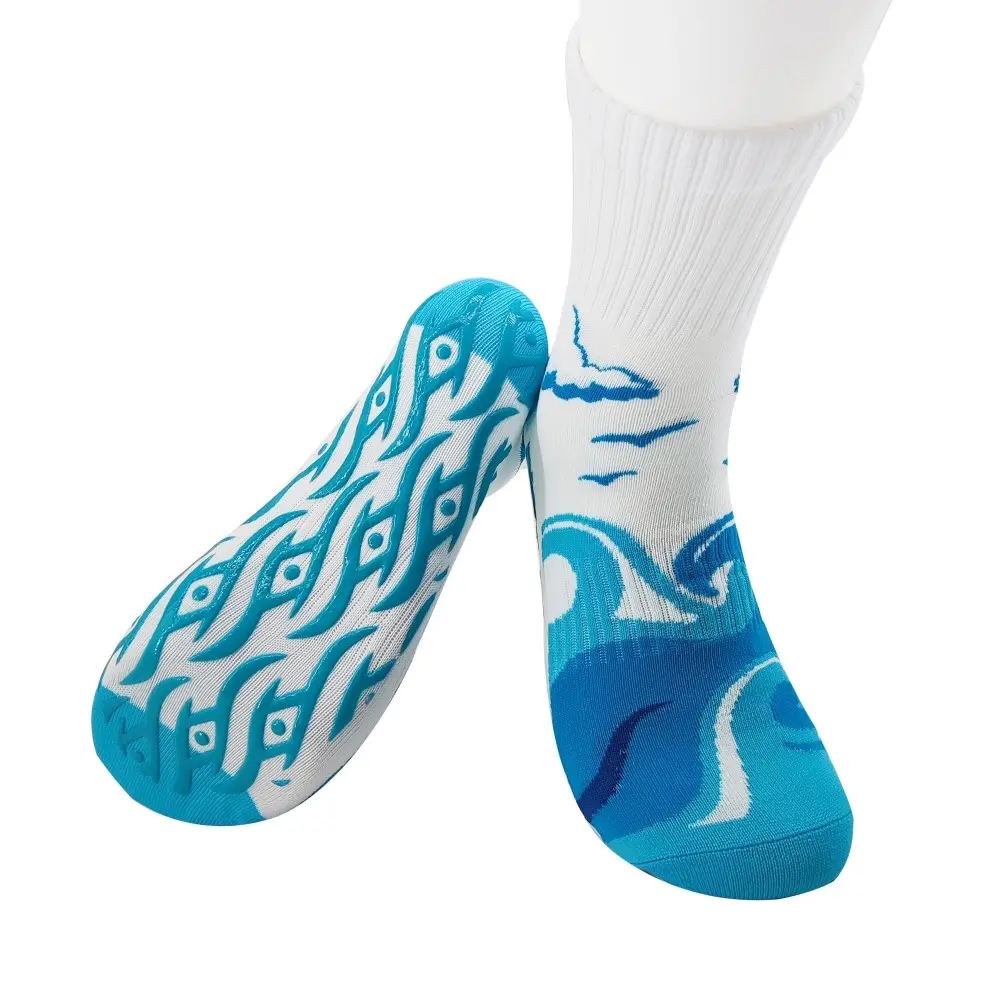 Aqua Park Socks
 Hospital Slipper Socks
 Grip Football Socks
 Basketball Socks
 Badminton Socks
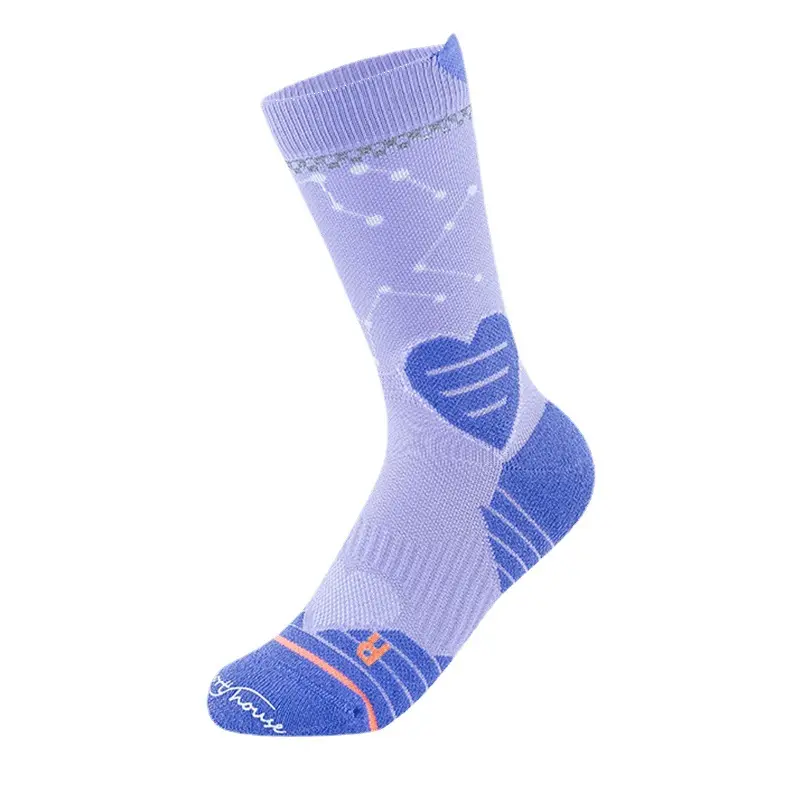 Cycling Socks
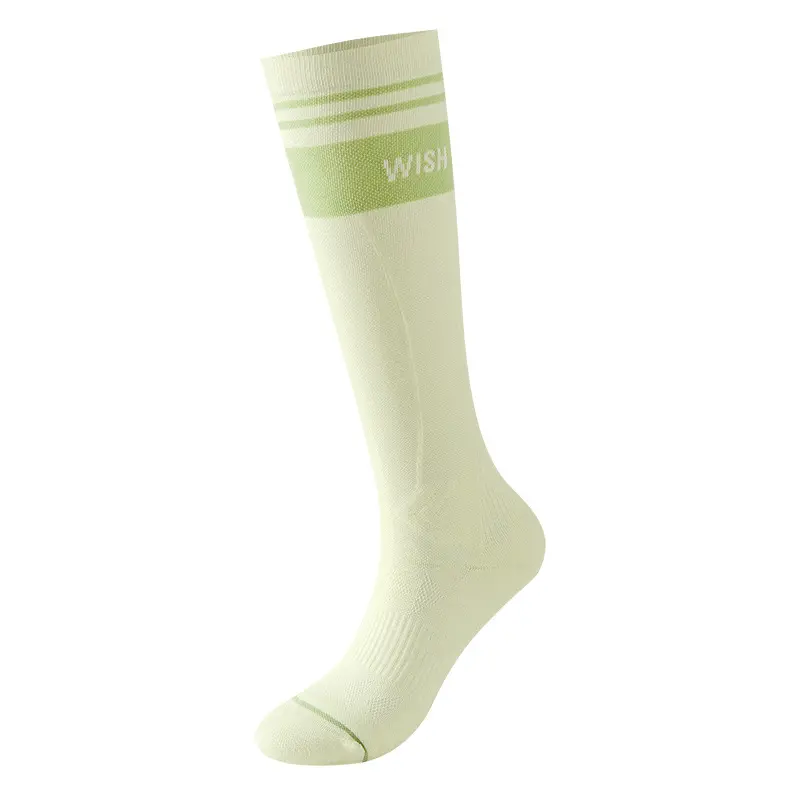 Running Socks
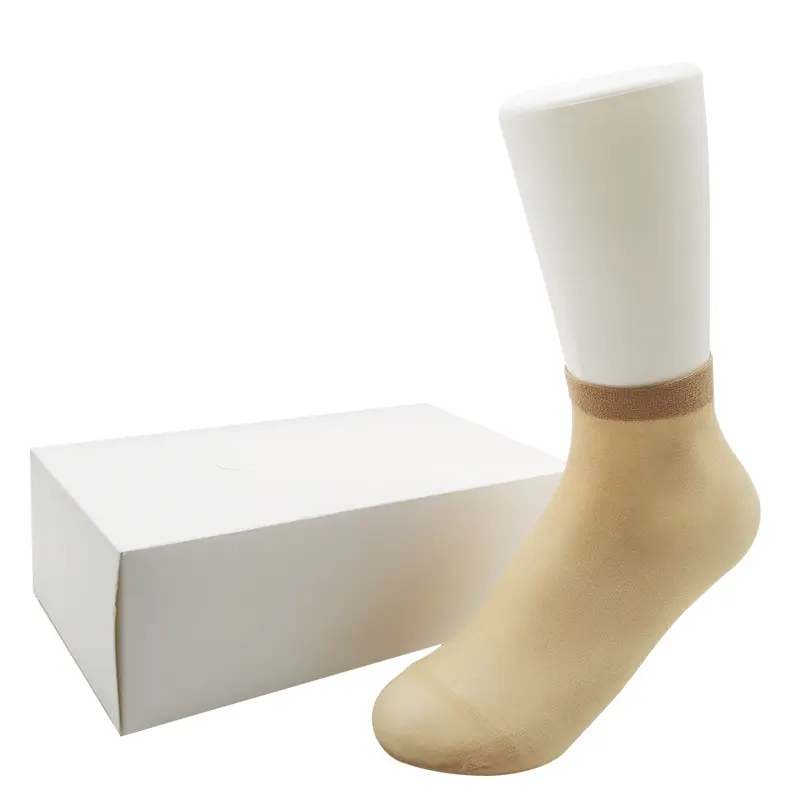 Disposable Socks Bowling Alley Socks
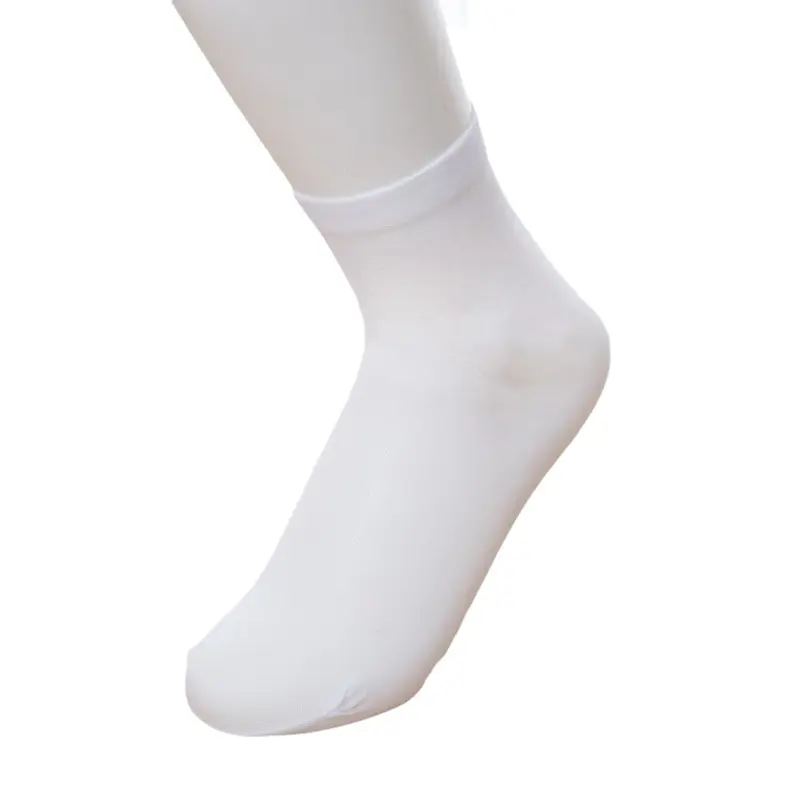 Disposable socks
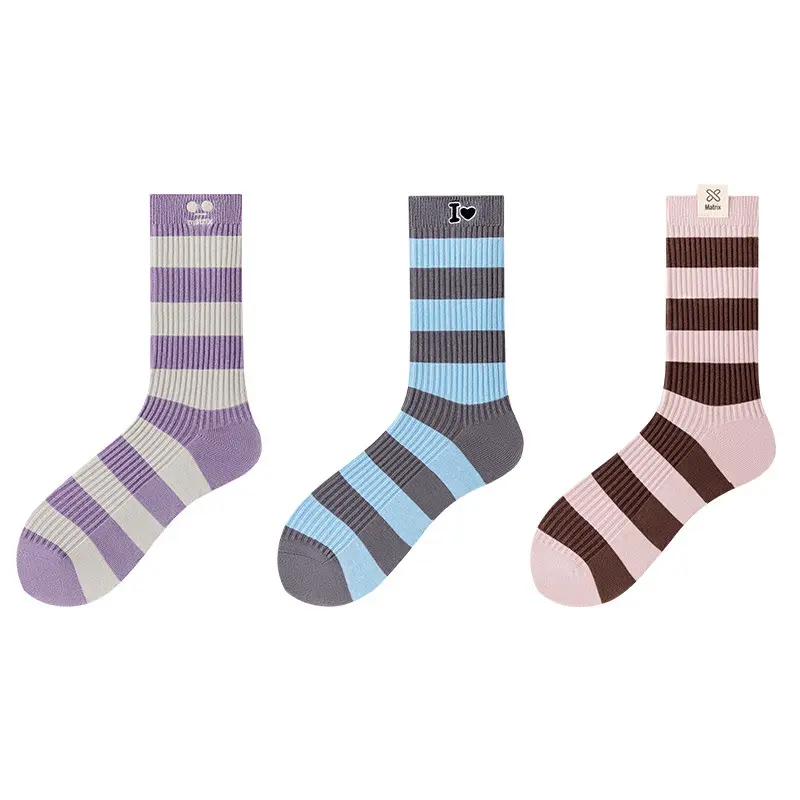 Warm Colorful Striped Crew Socks for Women
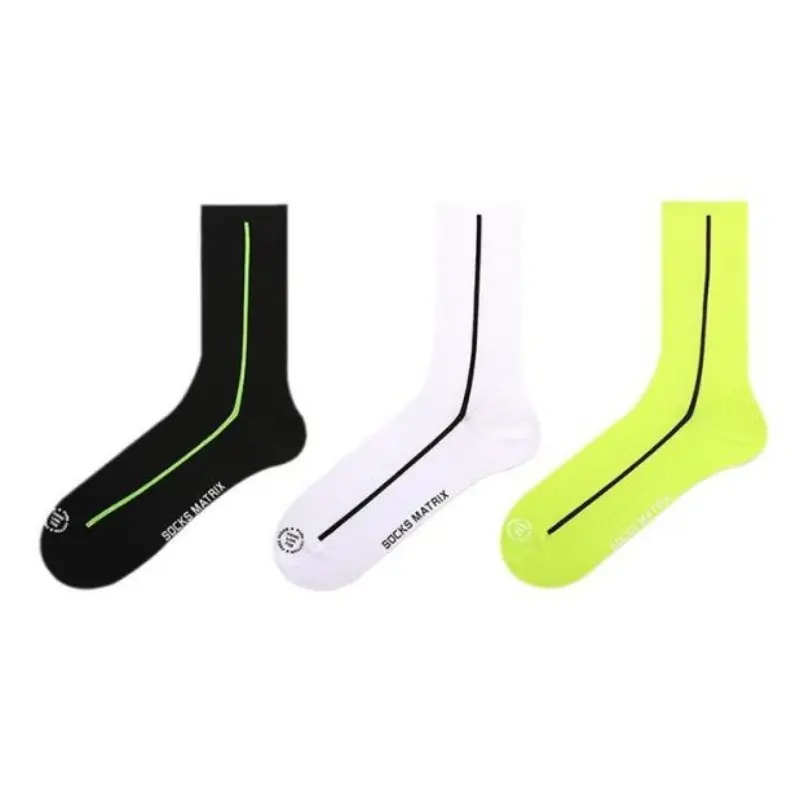 Custom Unisex Crew Socks Breathable Socks
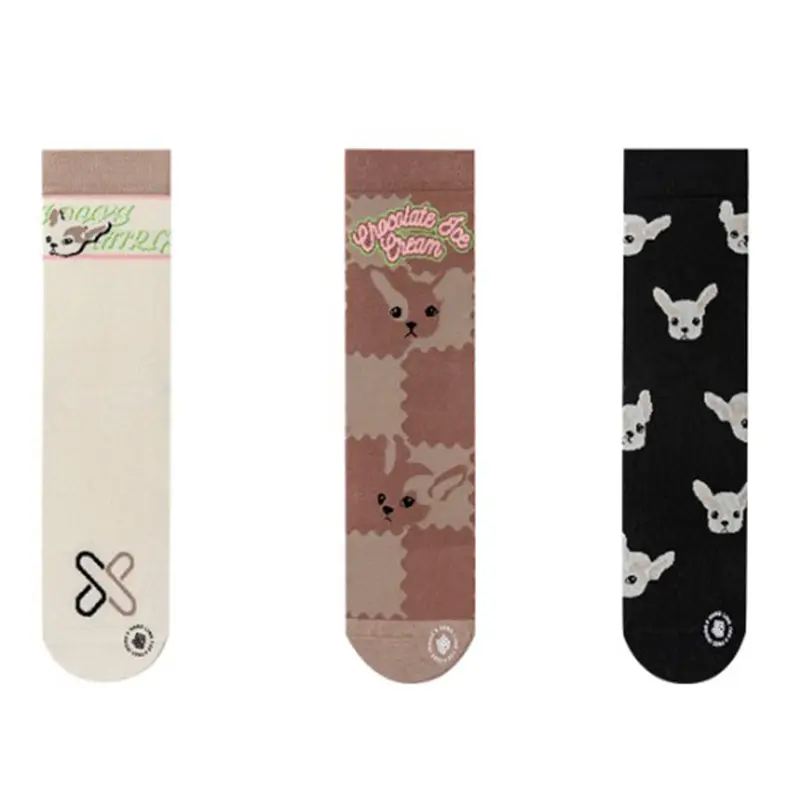 Digital Printing Vintage Crew Socks
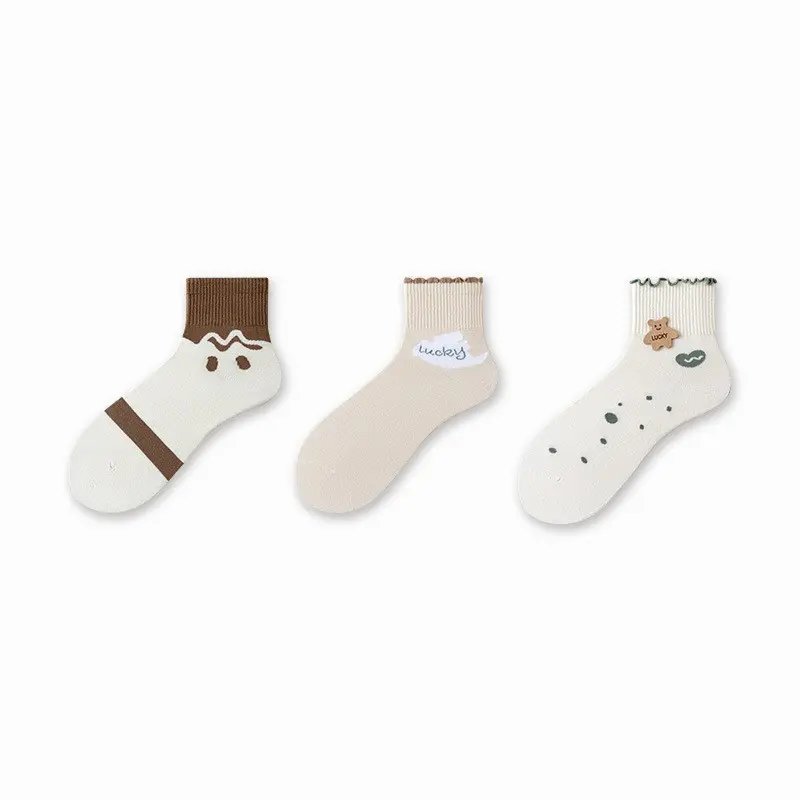 Animal Fuzzy Cartoon Crew Socks for Women
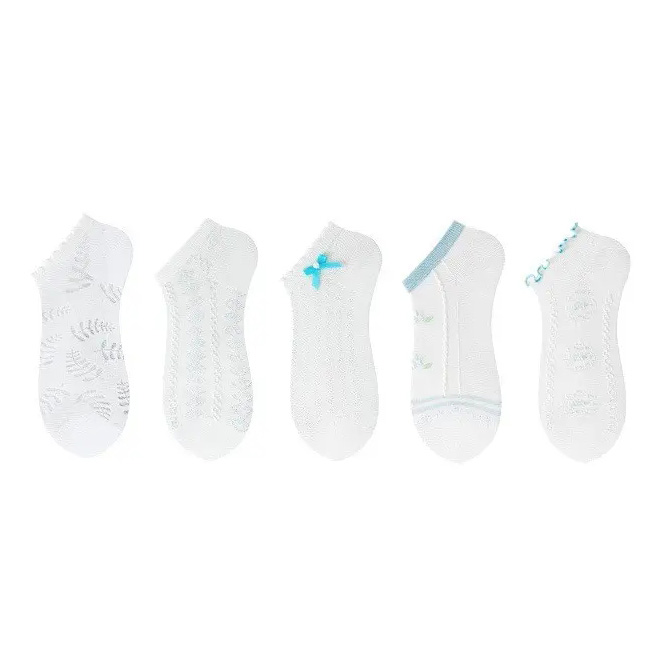 Cotton Flower Ankle Socks Low Cut Socks
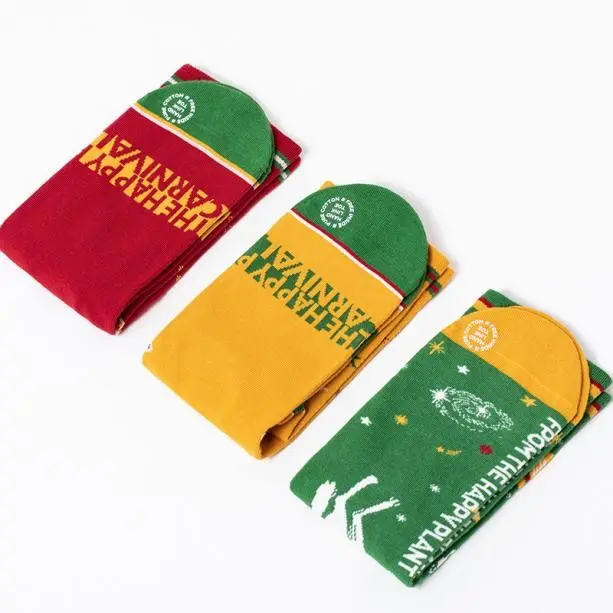 Thick Christmas Festival Crew Socks
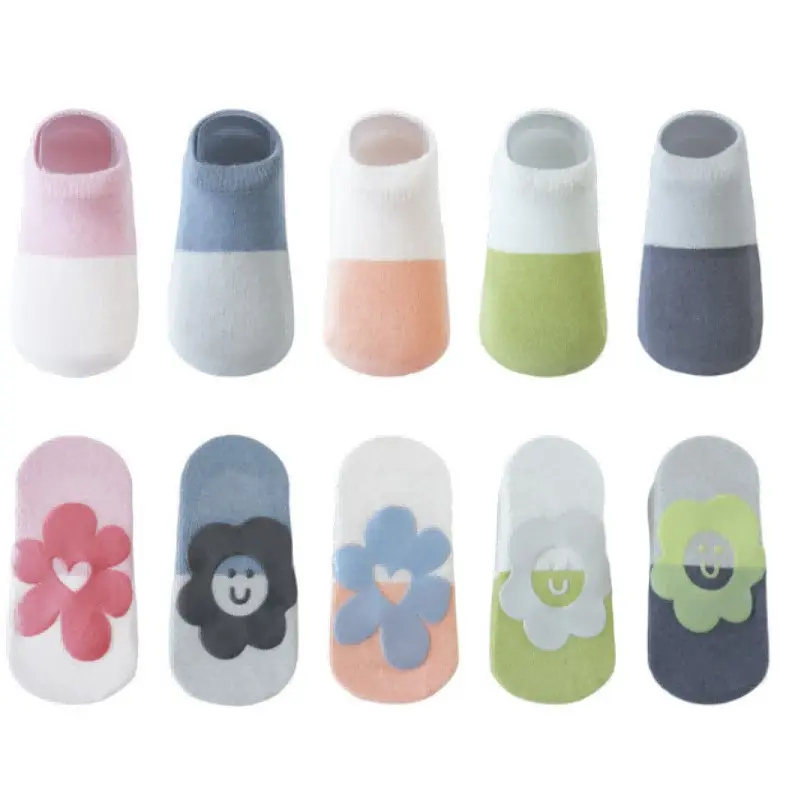 Cotton Cute Anti Slip Baby Ankle Socks with Cartoon
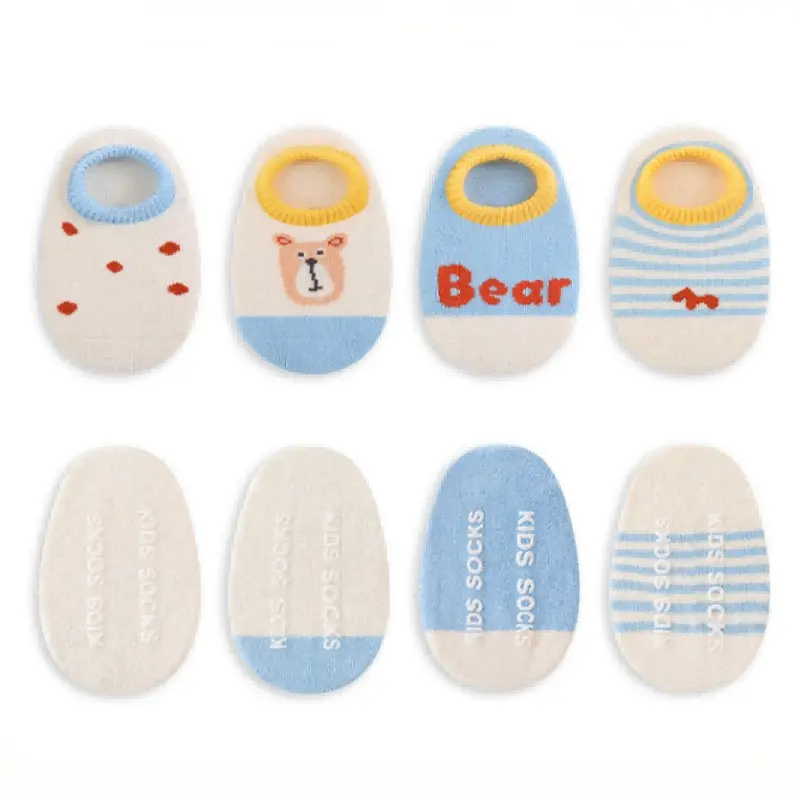 Colorful Soft Baby Socks Anti-slip
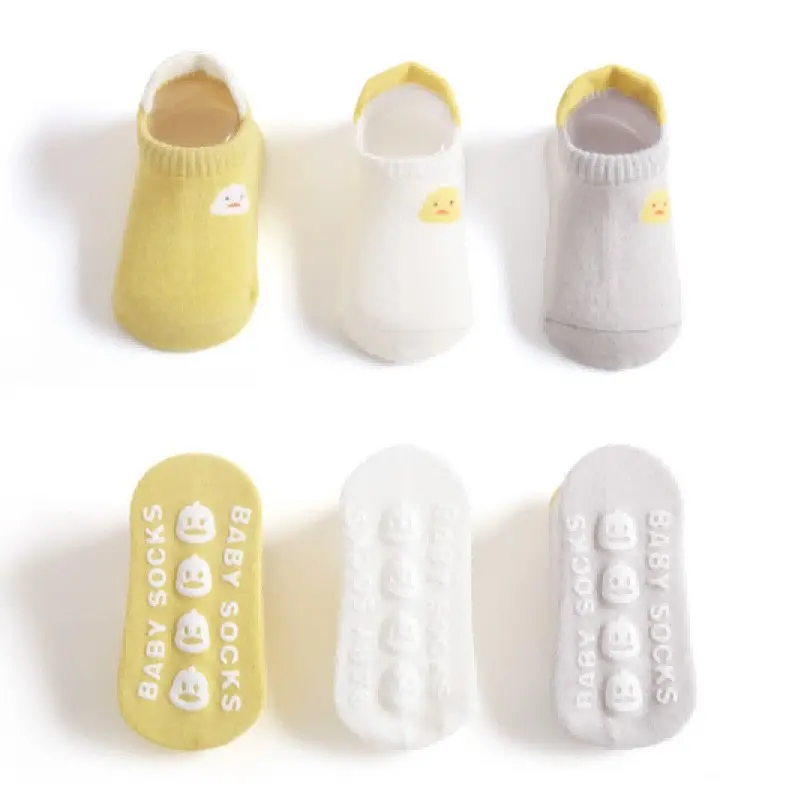 Non Slip Soft Ankle Baby Toddlers Socks
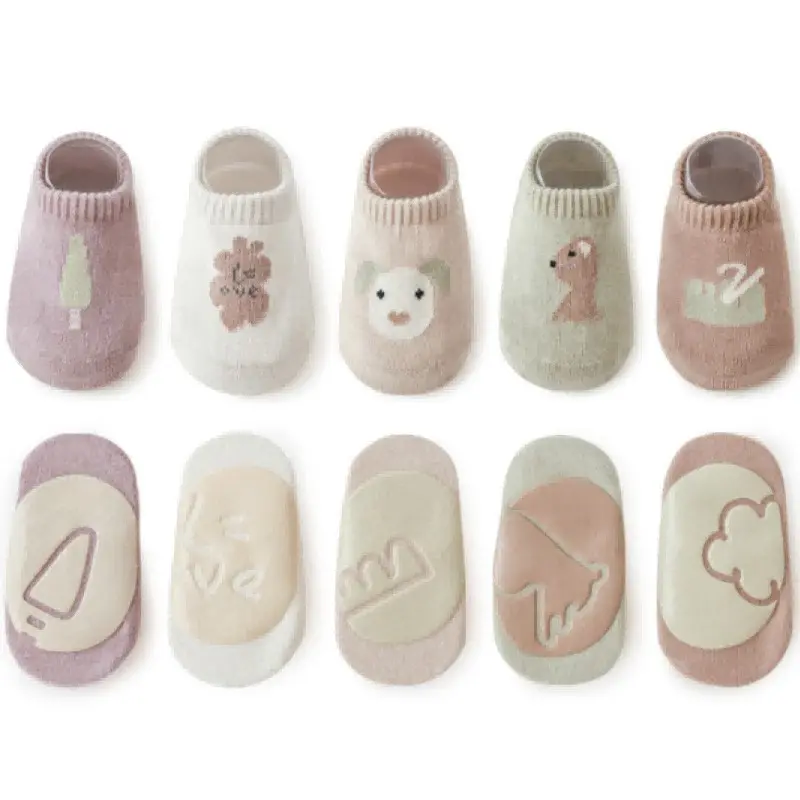 Cartoon Baby Socks With Grips Crew Walking Socks
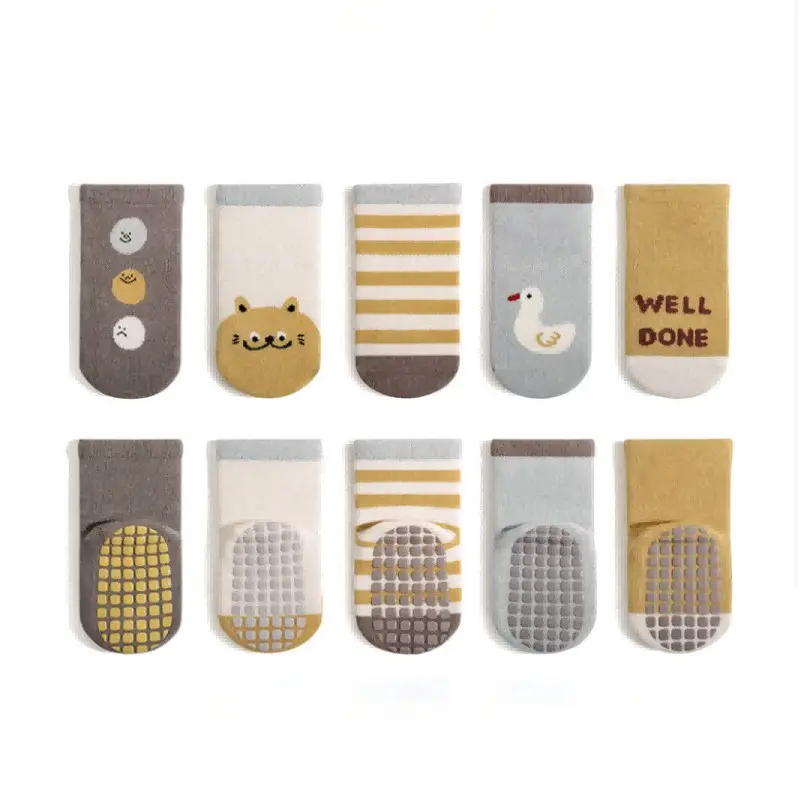 Baby Socks Floor Grip Mid-tube Socks with Cartoon