When you're in the hospital, comfort really makes all the difference, right? Picking the right pair of Hospital Socks can actually have a pretty big impact on how smoothly your recovery goes. Dr. Emily Carter, who’s really experienced in patient care at HealthFirst Hospital, points out, “The right socks can help you move around better and boost blood circulation.”
Hospital socks come in all sorts of styles—some with non-slip grips to prevent slips, and others that focus on keeping you warm. But honestly, a lot of folks overlook how important the fit is. Wearing socks that are too tight or too loose can lead to discomfort, or even make health issues worse.
And let’s not forget—not all Hospital Grip Socks are created equal. The material is super important too; it should be breathable but still keep your feet warm. Everyone’s needs are a bit different, so it’s worth thinking about what’ll work best for you. Honestly, little details like this can really make your stay more comfortable and safer. The right pair of socks might seem small, but they can really improve your overall hospital experience.

Understanding the Importance of Hospital Socks for Patient Comfort
Hospital socks play a vital role in enhancing patient comfort. These specially designed socks provide warmth and support during a hospital stay. Often, patients find themselves feeling cold on the floors or in shared rooms. Hospital socks can help alleviate this discomfort, making recovery a little more pleasant.
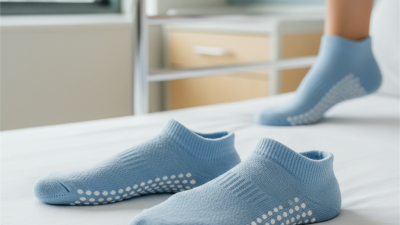
When selecting hospital socks, consider the material. A soft, breathable fabric is best for sensitive skin. Look for socks with non-slip grips, especially if mobility is a concern. They provide safety by reducing the risk of falls. Some socks are even designed to promote circulation, which can be crucial for patients bedridden for long periods.
Here are a few tips for choosing the right socks. First, gauge the patient’s activity level. Active patients may need different socks than those who are mostly sedentary. Check the sizing too. Socks that are too tight might cause discomfort, while loose ones can slip off easily. Reflect on the color and design as well. Bright patterns can lift spirits, while neutral tones may provide a calming effect. It’s all about finding what works best for individual needs.
Different Types of Hospital Socks Available in the Market
When it comes to hospital socks, choosing the right type is essential. There are various options available in the market, each with unique features. Compression Socks are popular, designed to improve circulation. According to a recent study published in the Journal of Vascular Surgery, 30% of patients experienced better blood flow when wearing compression socks. These socks often offer graduated compression, which means the pressure is highest at the ankle and decreases up the leg.
Non-slip hospital socks are another common choice. They provide traction and help prevent falls. The Centers for Disease Control and Prevention (CDC) reports that falls in healthcare settings account for over 25%of patient injuries. Non-Slip Socks can significantly reduce this risk. The material used in these socks is often thicker to provide warmth and comfort during long hospital stays.
Thermal socks are also available, offering additional warmth in colder environments. A study in the Journal of Clinical Nursing found that patients often reported feeling colder, leading to discomfort and decreased satisfaction. While these socks are helpful, it’s crucial to consider individual needs. Not everyone may benefit from the warmth or compression they provide. Evaluating personal circumstances and preferences is vital in making the right choice.
Key Features to Look for When Choosing Hospital Socks
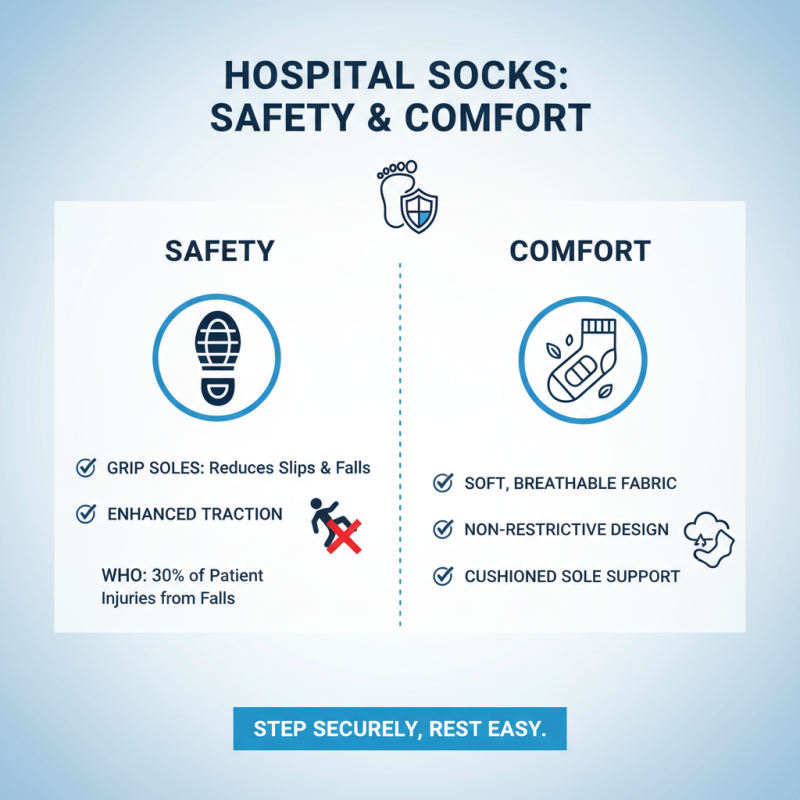
When selecting hospital socks, focus on key features that enhance safety and comfort. Grip socks are essential in reducing the risk of slips and falls, a prevalent issue in medical settings. According to a report by the World Health Organization, falls in hospitals contribute to about 30% of patient injuries. The right socks should provide ample traction, ensuring each step is secure.
Consider the material as well. Breathable fabrics help maintain foot hygiene, which is crucial in a hospital environment. A study from the American Podiatric Medical Association noted that moisture-wicking materials significantly lower the risk of foot infections. Sizes and fit are also vital. Socks that are too tight can restrict circulation, while loose ones may bunch up, leading to discomfort.
Pay attention to design elements. Compression features may improve blood flow, especially for longer hospital stays. Yet, not every sock offers this benefit adequately, so research is necessary. Evaluate whether the socks have reinforced areas to withstand wear and tear, as hospital socks often face frequent washing and use. Making the right choice requires careful consideration of all these factors.
Material Choices: Which Fabrics Are Best for Hospital Socks?
When it comes to hospital socks, choosing the right material is crucial. Hospital Tube Socks are designed for comfort and safety. They often feature a blend of cotton, polyester, and spandex. Cotton is breathable and soft, reducing irritation. Polyester adds durability and helps with moisture-wicking, while spandex provides stretch. This blend is ideal for those who may be in bed for extended periods.
Consider how each fabric affects you. Some people may find certain materials too hot or too cold. Stretchy materials can offer a snug fit. However, if they’re too tight, they could restrict circulation. Be mindful of your preferences. If you're sensitive to materials, look for hypoallergenic options.
Tips: Pay attention to the thickness of the socks. Thicker socks provide warmth but can feel bulky. Lighter socks may be cooler but might not offer enough warmth. Check for anti-slip features as well. You want to stay safe while walking in the hospital. When choosing your hospital socks, think about how they suit your lifestyle and needs.
Sizing and Fit: Ensuring Proper Comfort and Safety
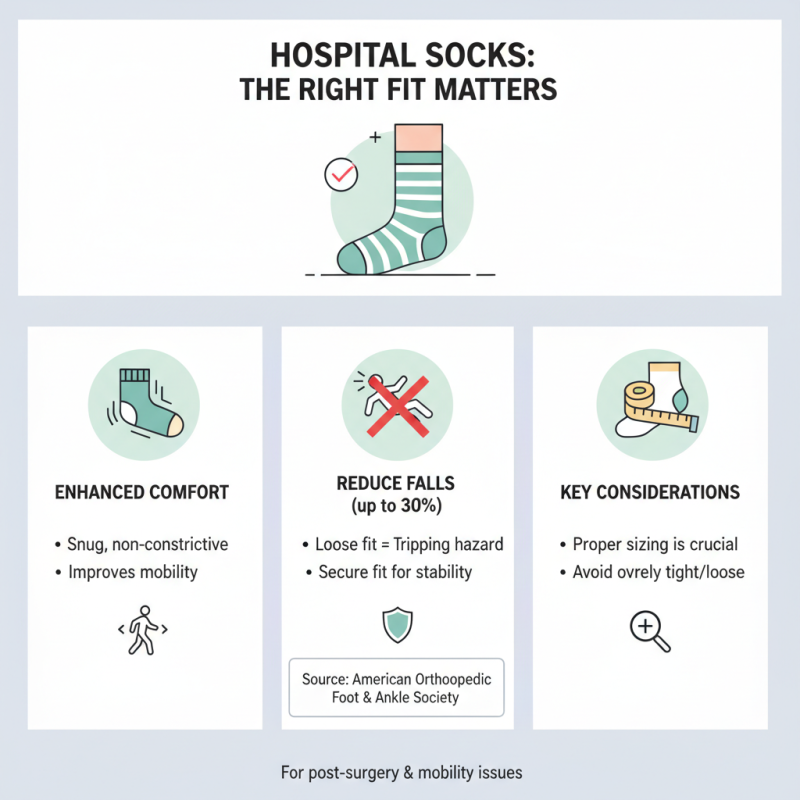
Sizing and fit are crucial when selecting hospital socks. Properly fitting socks enhance comfort and mobility. According to a report by the American Orthopaedic Foot and Ankle Society, up to 30% of patients experience slips and falls in healthcare settings. Ill-fitting socks can contribute to these accidents. You should focus on finding socks that fit snugly without being constrictive. A loose fit can lead to tripping hazards, especially for patients recovering from surgery or those with mobility issues.
When choosing socks, consider materials that provide adequate cushioning and grip. Research shows that grippy socks, particularly in hospital settings, significantly help prevent falls. The texture of the soles enhances stability on slippery floors. Patients often overlook this detail, assuming any sock will do. However, improperly sized socks can cause discomfort or even impede blood circulation. Achieving the right balance between fit and functionality is essential for patient safety.
Another aspect to contemplate is the height of the socks. Longer socks can offer additional warmth but may be restrictive. Shorter styles might be inadequate in colder environments. Patients should experiment to find what feels best. Remember, the goal is to promote healing while ensuring safety. The right choice of socks can drastically improve a patient’s experience in the hospital.
Budget Considerations: Finding Quality Hospital Socks Within Your Range
Choosing the best hospital socks involves more than just comfort. Budget considerations play a huge role. Hospital-themed socks can vary widely in price. Some may seem overpriced for what they offer. It’s important to find options within your range without sacrificing quality.
When selecting socks, look for materials that provide warmth and breathability. Often, higher-quality socks come at a higher price. Still, there are affordable alternatives that don't compromise on comfort. Read reviews to gauge durability. It’s wise to compare prices across different sources. You might discover that some styles are marked up without reason.
Also, consider the design. Hospital-themed socks that are visually appealing can uplift your mood. However, artistic designs may sometimes signal a higher price tag. Reflect on what matters most: function or flair? Balancing your budget with your needs is key. Keep an eye out for sales or discounts, as they can unveil excellent, cost-effective options.
Additional Recommendations for Maintaining Hospital Socks Effectively
Keeping your hospital socks in optimal condition requires some attention. Regular washing is essential. It's best to follow care instructions. Use warm water and a gentle cycle. Avoid bleach as it can damage the fabric. After washing, air-dry them if possible. Direct sunlight can cause fading, so find a shaded spot.
Storage is also crucial. Avoid cramming them into a drawer. Fold them neatly or use a dedicated organizer. This helps maintain their shape. It's easy to overlook how socks can wear out from improper handling. Consider checking them for holes or thinning. Even small issues can lead to discomfort during use.
Wearing the right socks is just as important. Choose pairs that fit snugly but are not too tight. Ill-fitting socks can cause blisters or circulation issues. Reflect on the materials. Natural fibers tend to provide breathability, which is essential for comfort. Evaluate your needs regularly. What worked last month may not serve you now.
Hospital Socks Usage and Preferences Survey
Cozy Up This Holiday Season: The Ultimate Guide to Custom Wholesale Christmas Gift Socks
As the holiday season approaches, the demand for unique and cozy gifts surges, with custom wholesale Christmas gift socks becoming an essential choice for retailers and brands. These specially designed socks not only bring comfort but also add a personal touch to holiday gifting. According to recent market reports, the custom sock industry has witnessed a steady growth of around 20% annually, driven by consumer preferences for personalized products.
Our custom wholesale Christmas gift socks are crafted from high-quality fabrics, ensuring a gentle touch against the skin while maintaining durability for long-term wear. With festive designs featuring charming reindeer or classic snowflakes, these socks can also be customized to reflect the brand’s identity through colors and logos. The flexibility in minimum order quantities (MOQs) allows businesses of all sizes to participate in the festive spirit without overwhelming inventory concerns. Furthermore, strict quality checks guarantee that each pair meets high standards, making them suitable for holiday giveaways and promotions.
In addition to aesthetic appeal, these socks serve as effective marketing tools. Studies indicate that custom apparel, such as socks, can enhance brand recognition by up to 30%. By offering personalized gifts, retailers can engage customers more deeply, fostering loyalty and encouraging repeat business during the holiday rush. With timely delivery options, businesses can confidently prepare for the season, ensuring they have stock available to meet customer demand.
FAQS
: Evaluate your resources. Understand your timeline. Identify potential challenges upfront.
Use a planner or digital tools. Break tasks into smaller steps. Set realistic deadlines to stay focused.
Lack of communication leads to confusion. Ignoring feedback can stall progress. Overlooking team strengths may cause setbacks.
Encourage open communication. Foster a trustworthy environment. Recognize individual achievements regularly to boost morale.
Practice mindfulness or meditation. Take short breaks during work. Engage in physical activities to relieve tension.
Gather all relevant information. Weigh pros and cons. Involve team members for different perspectives.
Reflect on what went wrong. Learn from the experience. Adjust your strategy and try again without fear.
Feedback is crucial for improvement. It can highlight unseen issues. Regular check-ins can keep the project aligned.
Communicate with your team. Assess the reasons for the delay. Adjust expectations and find solutions together.
Set clear and achievable goals. Celebrate small wins along the way. Connect with others who inspire you.
Conclusion
Hospital socks play a crucial role in ensuring patient comfort and safety during a hospital stay. With various types available on the market, it is essential to understand the specific features that cater to different needs, such as anti-slip properties, cushioned insoles, and moisture-wicking materials. When selecting hospital socks, factors like fabric choice, proper sizing for a secure fit, and budget considerations should all be taken into account to ensure both quality and comfort.
Additionally, maintaining hospital socks is important for hygiene and longevity, so knowing appropriate washing methods and care tips can enhance their durability. By focusing on these elements, patients and caregivers can find the best hospital socks that will contribute positively to the healing experience.

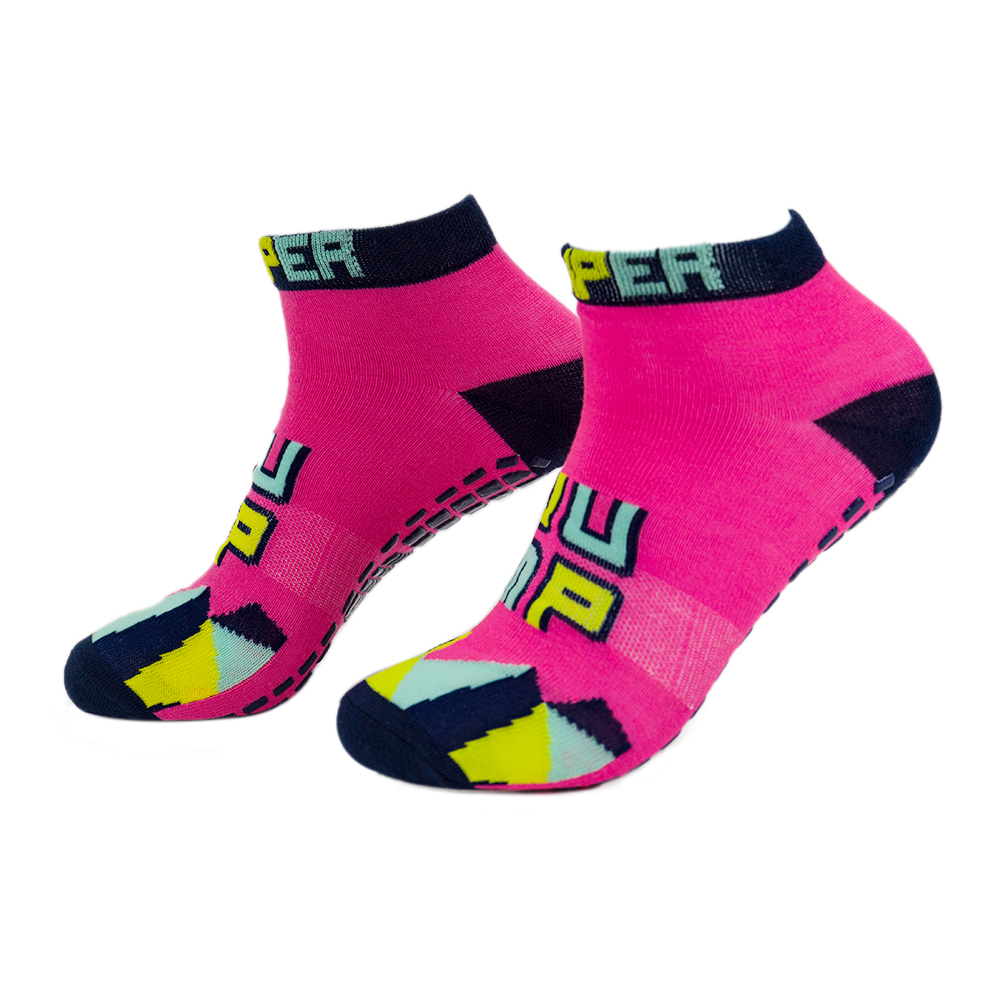 Trampoline Socks
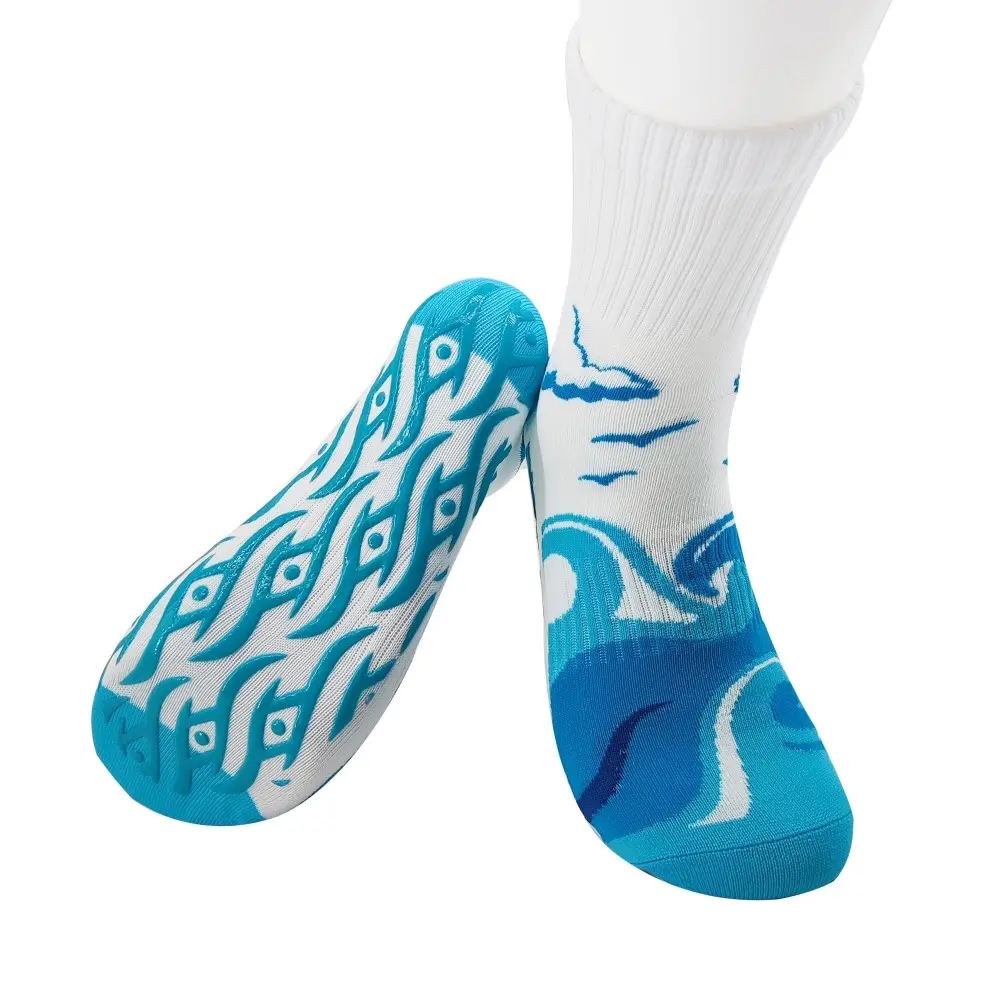 Aqua Park Socks
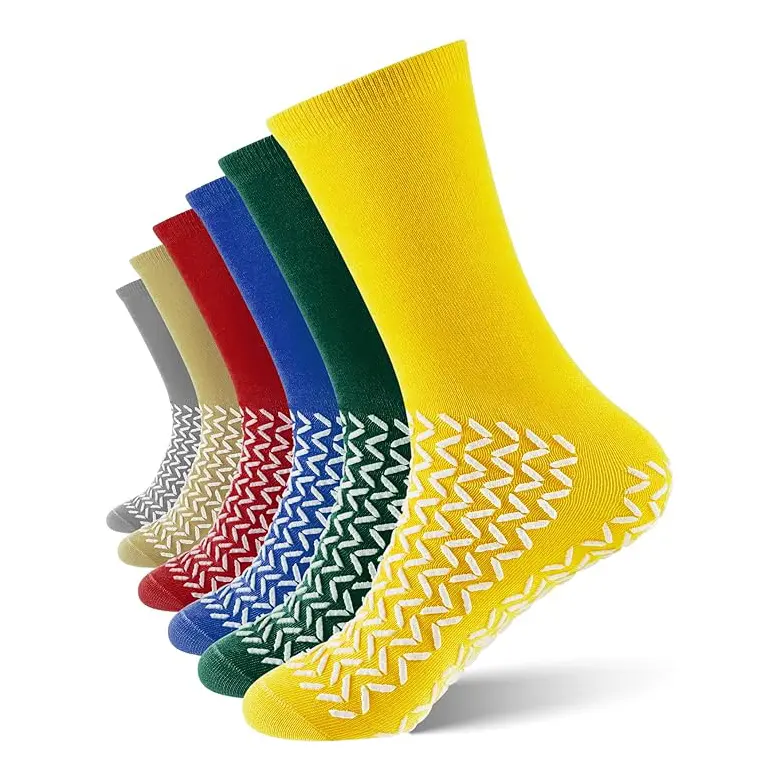 Hospital Slipper Socks
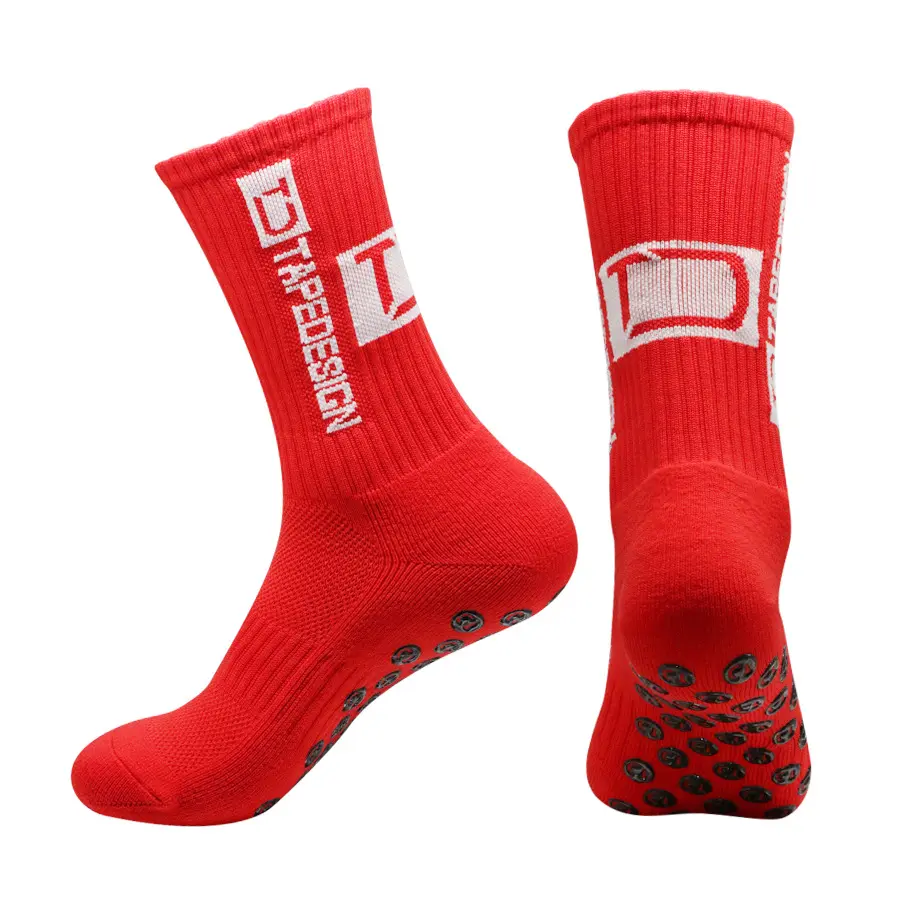 Grip Football Socks
 Basketball Socks
 Badminton Socks
 Cycling Socks
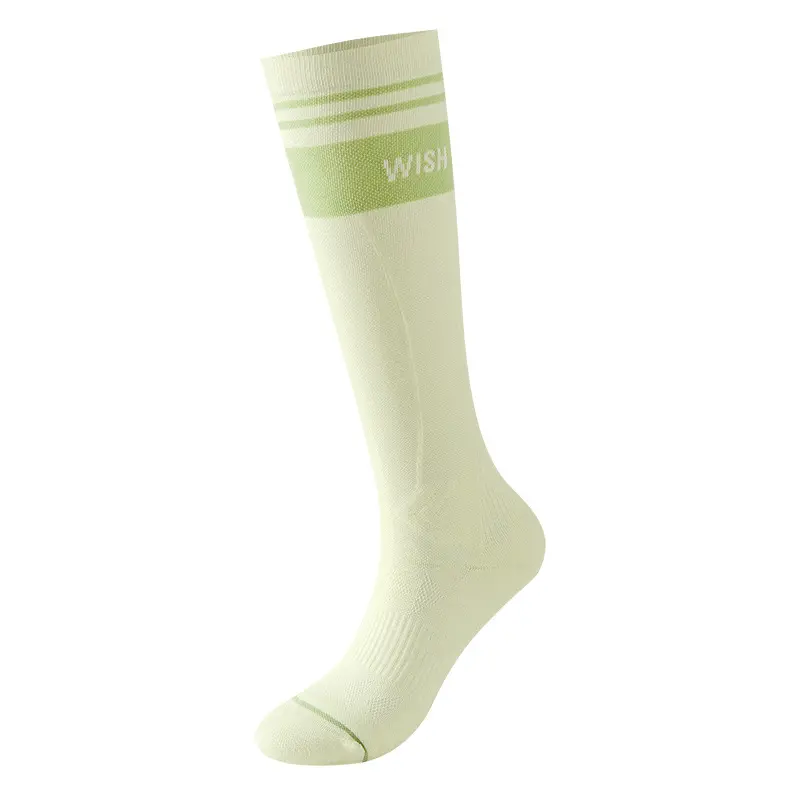 Running Socks
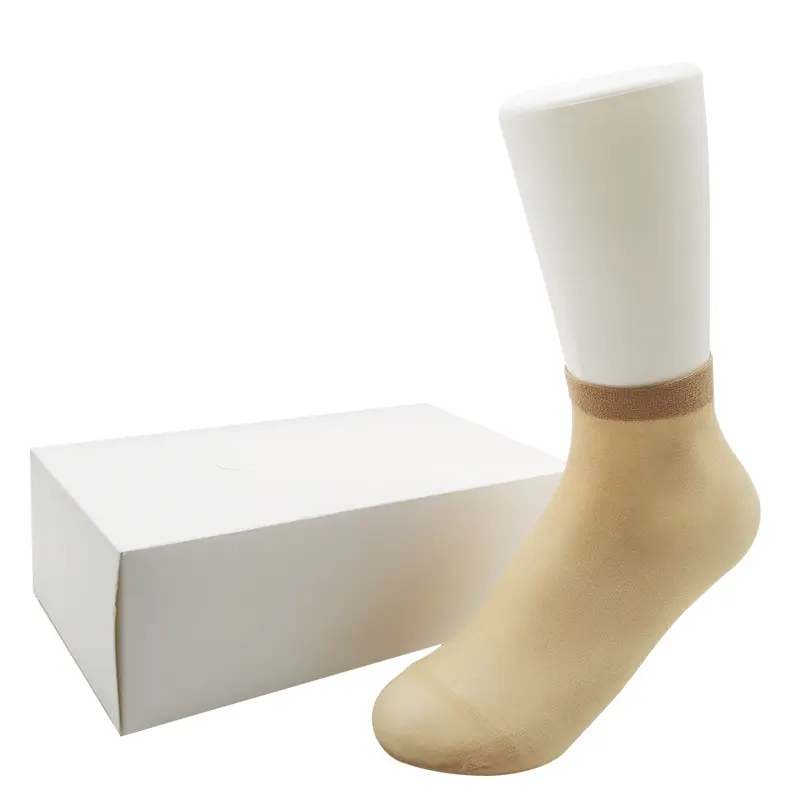 Disposable Socks Bowling Alley Socks
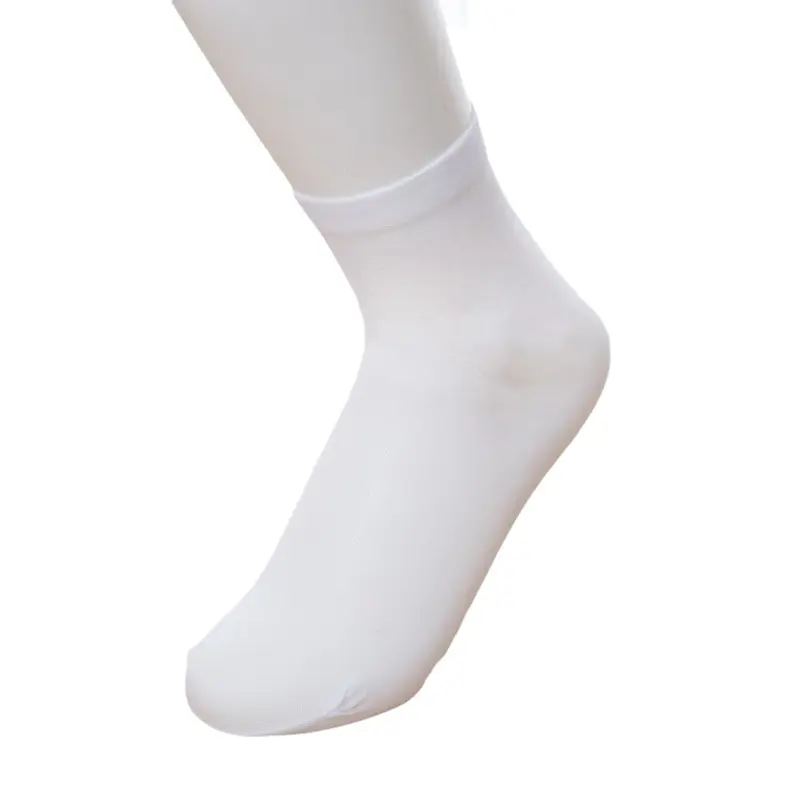 Disposable socks
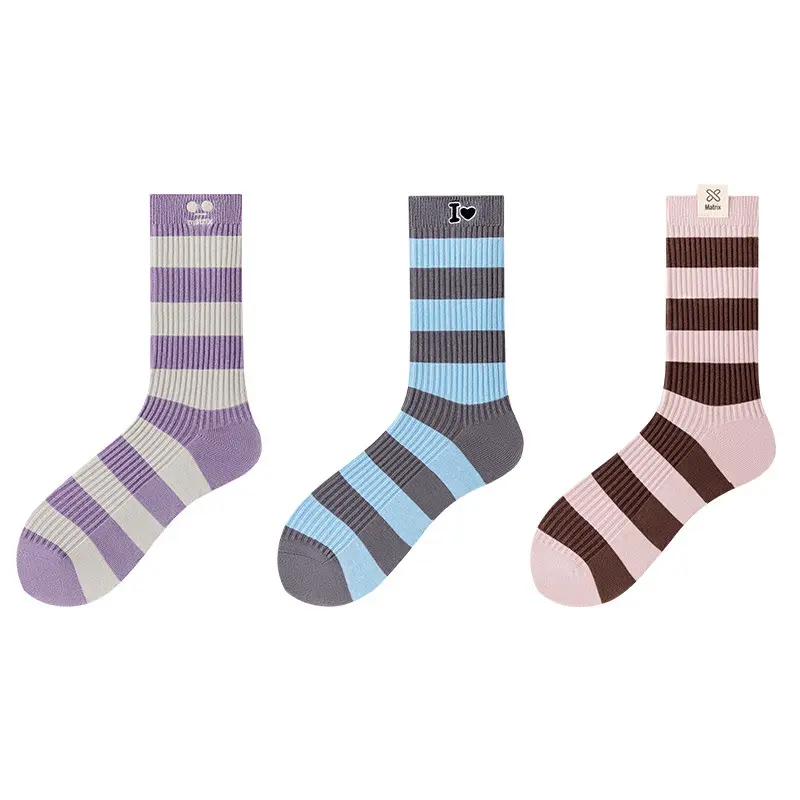 Warm Colorful Striped Crew Socks for Women
 Custom Unisex Crew Socks Breathable Socks
 Digital Printing Vintage Crew Socks
 Animal Fuzzy Cartoon Crew Socks for Women
 Cotton Flower Ankle Socks Low Cut Socks
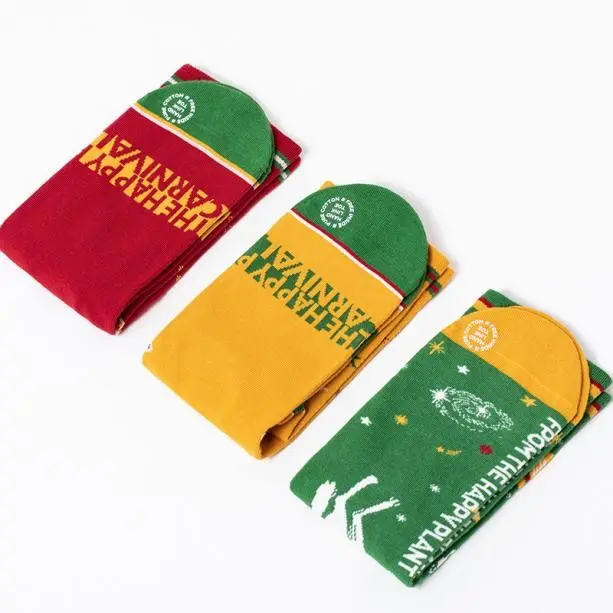 Thick Christmas Festival Crew Socks
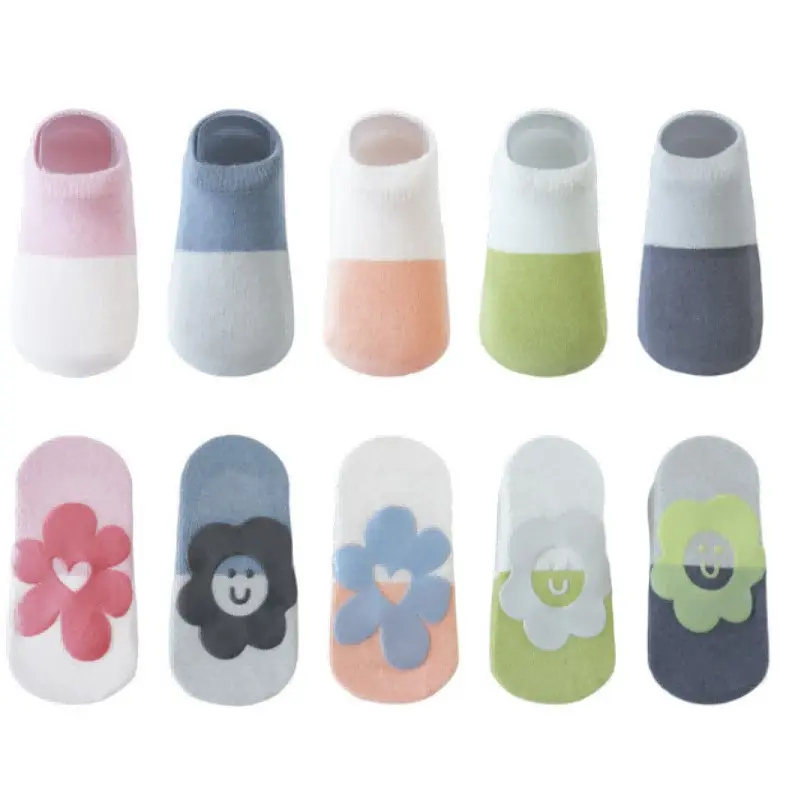 Cotton Cute Anti Slip Baby Ankle Socks with Cartoon
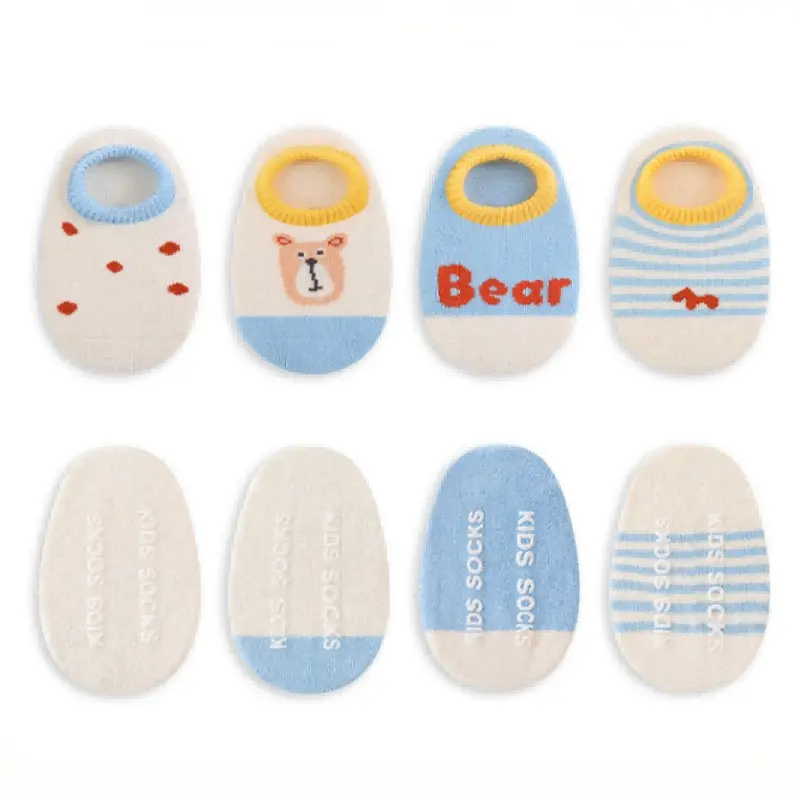 Colorful Soft Baby Socks Anti-slip
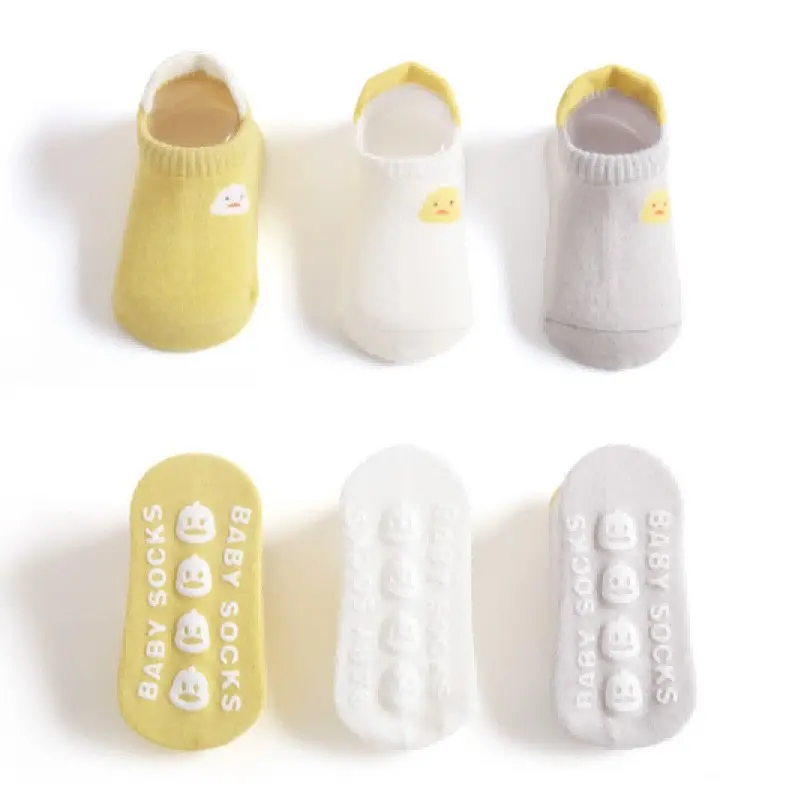 Non Slip Soft Ankle Baby Toddlers Socks
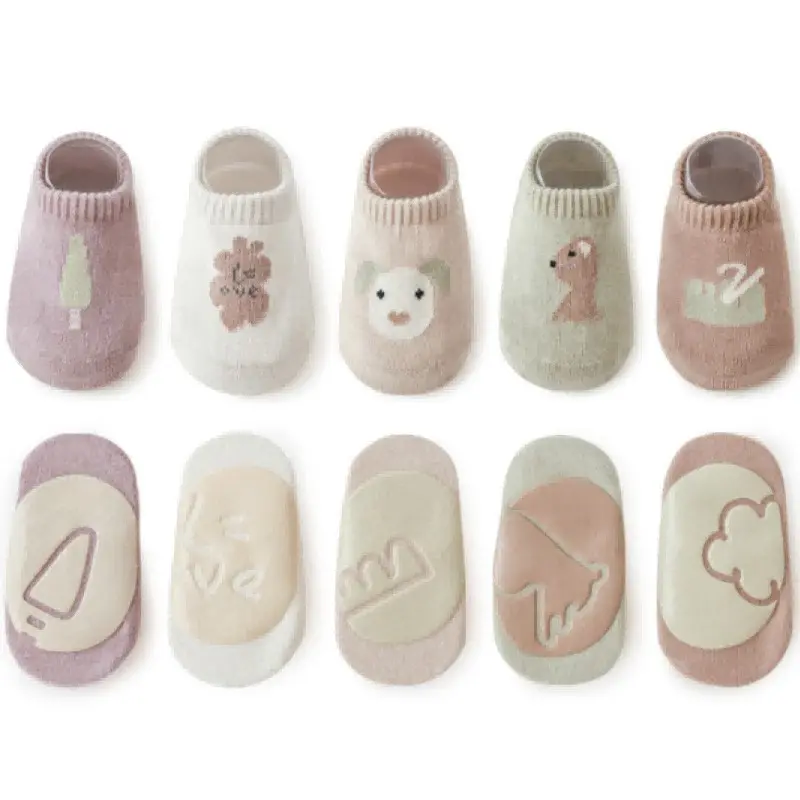 Cartoon Baby Socks With Grips Crew Walking Socks
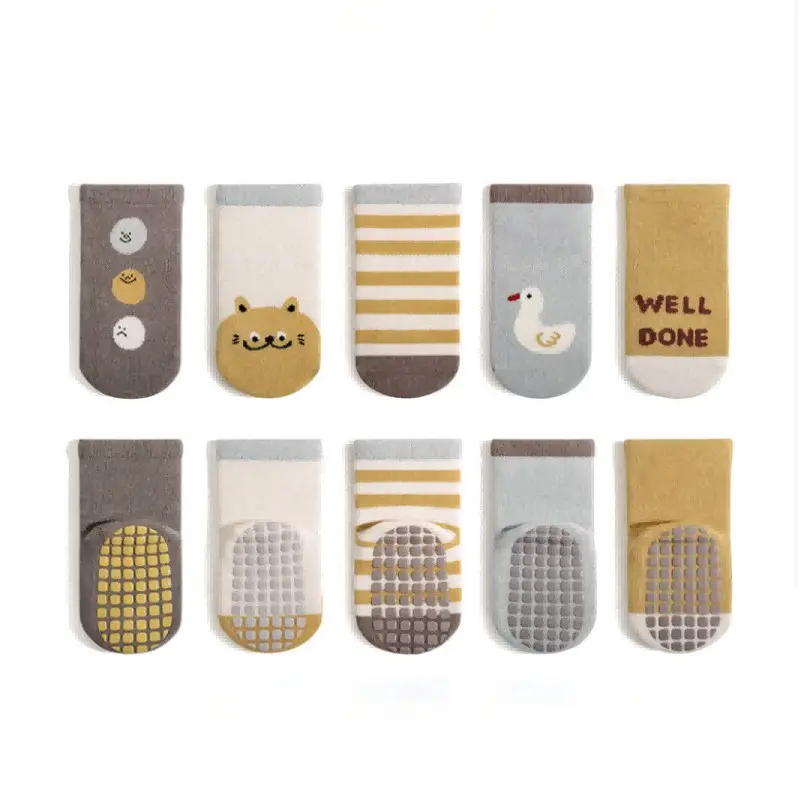 Baby Socks Floor Grip Mid-tube Socks with Cartoon