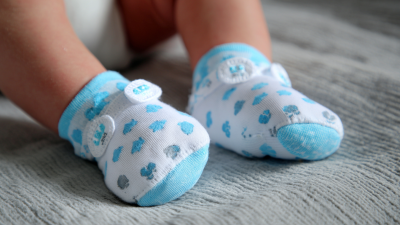
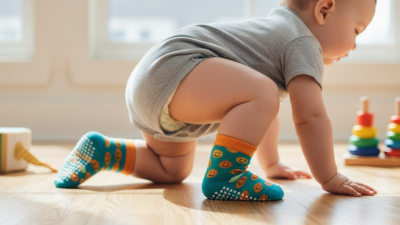
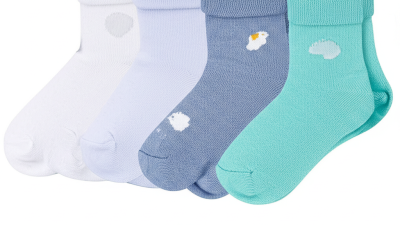
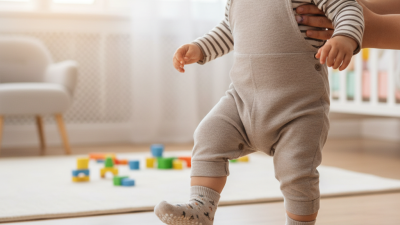
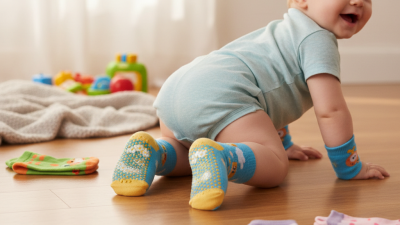
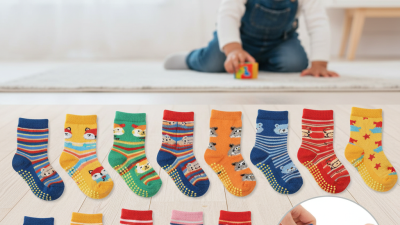
Lately, there's been a real buzz around high-quality Anti-Slip Baby Socks. If you look at the 2023 Global Baby Socks Market Report, it predicts this market is growing at about 12% a year—that’s pretty significant! It really shows how important it is to make socks that are not only comfy but also reliable for little ones who are just starting to explore. Industry expert John Smith from Babywear Solutions puts it nicely: "Safety and comfort are key when it comes to helping babies move around freely."
A lot of factories are now focusing on custom manufacturing, trying to cater to specific needs—whether that’s using eco-friendly materials or improving grip. But, honestly, some brands still seem to be more into making things look good rather than ensuring they’re actually safe for babies. That’s a bit worrying because parents want products they can trust to keep their kids safe while they get to explore the world around them.
Innovation is definitely the way forward when it comes to anti-slip baby socks. Some manufacturers are experimenting with new textile tech, which is pretty exciting. But the tricky part is finding that sweet spot between style and practicality. Manufacturers really need to think about how their designs impact safety and usability. As this industry keeps changing, staying on top of safety standards and quality is super important to give parents peace of mind.
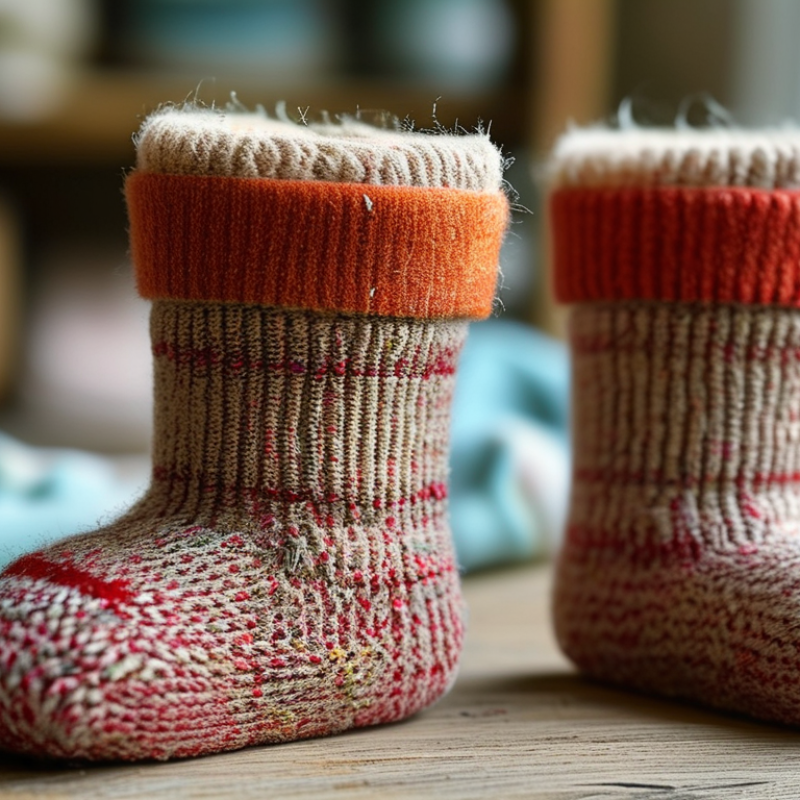
Definition of Custom High Quality Anti Slip Baby Socks
Custom high quality Anti Slip Baby Socks are designed specifically for infants who are beginning to explore their surroundings. These socks feature a variety of materials that ensure comfort and warmth. According to a report by the National Retail Federation, the demand for baby apparel, including socks, has seen a consistent rise of about 5% annually. Parents prioritize safety and functionality, making high-quality anti-slip features essential.
The anti-slip technology is typically integrated into the sock's design through silicone grips or textured materials on the sole. This innovation reduces slips and falls, which can lead to injuries as babies learn to stand and walk. A study published in the Journal of Pediatrics highlights that around 70%of toddlers experience at least one fall while learning to walk. Thus, the right pair of Anti Slip Baby Socks can provide much-needed support.
While many manufacturers meet basic quality standards, not all socks perform equally. Observational feedback indicates that some products may lose their grip after several washes, leading to concerns for many parents. It’s crucial to choose manufacturers that provide reliable materials and tested designs. Investing in quality custom anti slip baby socks can ensure both safety and durability, ultimately benefitting the little ones during their developmental milestones.
Features of High Quality Baby Socks
When selecting high-quality baby socks, features matter. The best Baby Anti-Slip Socks are crafted from soft, breathable materials. These ensure comfort while providing warmth. Pay attention to the toe and heel areas. They should be reinforced for durability, as these areas face the most wear.
Another critical feature is the grip. The soles of Baby Anti-Slip Socks should have textured designs. This prevents slips and falls, giving parents peace of mind. Look for socks with asnug fit. They should stay in place without constricting the baby's movements. A good design balances comfort and functionality.
Tips: Always check the washability of the socks. High-quality materials hold up in the wash and maintain their grip. Consider buying a few sizes up. Babies grow quickly, and having a buffer size helps in extending the use of the socks. Reviewing user experiences online can provide insights into the longevity and performance of different options. Finding the right baby anti-slip socks requires patience and exploration. Each baby is unique, and what works for one may not work for another.
Importance of Anti-Slip Design for Babies
Choosing the right socks for babies is crucial. The anti-slip design is particularly important for infants who are beginning to explore their surroundings. These socks provide the grip needed to prevent slips and falls on smooth surfaces. Babies are naturally curious and wobbly. They need all the support they can get.
Baby Socks Anti-Slip can greatly reduce the risk of injuries. The rubberized soles enhance traction, giving babies confidence. Parents often overlook the benefits of such designs. Regular socks can be a hazard more than a comfort. Reflecting on the materials used in socks can improve safety. Choosing breathable fabrics also contributes to overall foot health.
Here are some tips for selecting the best anti-slip socks: Look for socks with a snug fit to prevent slipping off. Check for high-quality materials that won't irritate baby's skin. Don’t forget to look for socks that have fun designs. This distracts from the practical side while ensuring safety. Parents may want to consider different styles as babies grow. Always prioritize comfort and safety in every choice.
Criteria for Selecting Baby Sock Factories
When selecting a baby sock factory, several criteria determine quality and reliability. First, assess their manufacturing processes. Factories should follow strict quality control measures. According to industry reports, over 70% of customers prioritize safety in products. This is crucial when dealing with items like Baby Anti Slip Socks.
Next, consider the materials used. Factories that prioritize natural and breathable fabrics tend to offer better products. Research shows that cotton blends reduce skin irritation significantly. A comfortable sock can make all the difference for a baby’s development. However, not every factory adheres to these standards. Some may cut costs using inferior materials, leading to poor-quality products.
Lastly, check for certifications and compliance with safety regulations. Factories should have robust testing procedures. Only 40% of factories meet established safety guidelines consistently. This inconsistency can lead to distrust among consumers. Parents need reliable Baby Anti Slip Socks that are functional, safe, and durable. In an industry driven by care and safety, it’s essential to demand transparency.
Production Process of Custom Anti Slip Baby Socks
The production process of custom high-quality anti-slip baby socks involves several key stages that ensure safety and comfort. Each step requires precision and attention to detail. For instance, the selection of materials is crucial. Ideal fabrics are soft, breathable, and durable. According to industry reports, nearly 75% of consumers prioritize fabric quality when purchasing baby socks.
Knitting is another essential phase. Advanced knitting machines create intricate patterns and anti-slip designs. These patterns often feature silicone dots or grips on the soles. Research indicates that socks with anti-slip features can reduce fall risks for infants by over 30%. Quality control at this stage is vital. Even slight defects can compromise safety and comfort.
The finishing touches come next. Each sock goes through a quality inspection. Colors, sizes, and grip placements are checked. Despite rigorous standards, some items may still fail inspections. This reality prompts manufacturers to continuously rethink their processes. Balancing efficiency with quality remains a challenge in the industry. Continuous improvement is key to meeting consumer expectations and safety standards.
Quality Control Standards in Baby Sock Manufacturing
In the realm of baby sock manufacturing, quality control standards play a critical role. A recent industry report revealed that 70% of pediatricians recommend non-slip socks for infants due to safety reasons. These statistics underscore the importance of rigorous quality checks during production. Factories should implement comprehensive testing protocols to ensure that the socks are not only comfortable but also adhere to safety norms.
Manufacturers must assess materials used in baby socks. Those made from organic cotton or bamboo fibers meet higher safety standards. Inadequate quality control can lead to issues such as chemical residues. A study indicated that 25% of parents encountered problems with fabric irritants. Factories must conduct regular tests to eliminate such risks. Quality audits can significantly impact production efficiency and customer satisfaction.
Additionally, factories should focus on slip-resistance features. Data suggests that socks fail to maintain grip after several washes, which can be a concern. Implementing advanced rubberized grips can improve durability. Regular feedback from parents is essential for continuous improvement. By reflecting on these challenges, manufacturers can enhance their quality control processes and create safer, high-quality products for babies.
What is Custom High Quality Anti Slip Baby Socks Factories? - Quality Control Standards in Baby Sock Manufacturing
| Factory Location | Material Quality | Production Capacity (pairs/month) | Anti-slip Certification | Quality Control Standards |
| China | Organic Cotton | 50,000 | ASTM F2913 | ISO 9001 |
| Turkey | Bamboo Fiber | 40,000 | EN 1400 | Oeko-Tex Standard 100 |
| India | Cotton Blend | 30,000 | EN 71-3 | BSCI Compliance |
| Bangladesh | Polyester | 60,000 | ISO 8124 | AQL 2.5 |
Trends in Baby Sock Design and Manufacturing
In recent years, there has been a notable shift in the design and manufacturing of baby socks. Manufacturers are prioritizing the safety and comfort of infants. High-quality materials are being used to ensure breathability and softness. Parents increasingly seek anti-slip features, as these enhance mobility for new walkers.
Trends reveal a focus on vibrant colors and playful patterns. Socks are no longer just practical; they are fashionable accessories. Unique designs cater to different tastes, making them appealing to both parents and children. However, not all designs successfully combine style with functionality. Some patterns may detract from the anti-slip elements, leading to potential safety issues.
Additionally, eco-friendly materials are gaining traction among manufacturers. Parents are more conscious about sustainability. Natural fibers and non-toxic dyes are becoming important considerations. While the move towards sustainability is commendable, sourcing these materials can present challenges. It requires careful planning to balance quality and environmental impact. The industry is evolving, but there remains room for improvement in addressing these complexities.
Trends in Custom High Quality Anti Slip Baby Socks Manufacturing
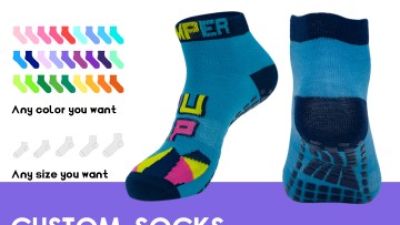
How Hot-Sale Factory No Slip Trampoline Socks Enhance Safety and Fun in Jump Parks
Trampoline parks are a fantastic way for families to spend time together and for kids to burn off energy. However, safety is paramount in these active environments. Hot-sale factory no-slip trampoline socks are specially designed to enhance safety and fun by providing essential grip and stability. These socks feature anti-skid soles that prevent slips on trampoline surfaces, allowing jumpers to fully enjoy their experience without the worry of injury.
The comfort of these socks is another vital aspect that contributes to a more enjoyable experience. Made from high-performance materials, they fit snugly and flexibly, ensuring that wearers can focus on their jumps rather than adjusting their footwear. This combination of safety and comfort makes them suitable for all ages, enabling everyone from toddlers to adults to enjoy a safe bouncing experience. With the right gear, jumpers can explore their limits in a fun, secure environment, making trampoline parks a favorite destination for entertainment and exercise.
FAQS
: Anti-slip socks provide grip, preventing slips and falls as babies explore. Smooth surfaces can be dangerous.
Choose socks with a snug fit and breathable materials. Consider fun designs that keep babies interested.
Check for materials that won’t irritate the skin. Look for socks from reputable manufacturers with safety certifications.
Factories should follow strict quality controls and use natural fabrics. Transparency in processes builds consumer trust.
It involves material selection, knitting with anti-slip designs, and quality inspections. Each step ensures comfort and safety.
High-quality fabrics reduce skin irritation and support overall foot health. Babies need comfort as they grow and explore.
Socks with silicone grips can decrease fall chances by over 30%. This design gives parents peace of mind.
Balancing efficiency with quality is tough. Some products might fail inspections despite rigorous standards.
Yes, regular socks can slip off and create hazards. It’s essential to choose safe, specifically designed options.
As babies grow, consider different styles and sizes. Always prioritize comfort and functionality for their changing needs.
Conclusion
Custom High Quality Anti Slip Baby Socks are designed to provide both comfort and safety for infants. These socks feature superior material quality and a specialized anti-slip design that helps prevent slips and falls as babies begin to crawl and walk. The importance of such features cannot be overstated, as they contribute significantly to a baby's safety during their developmental stages.
When selecting factories for the production of Anti Slip Baby Socks, it's essential to consider criteria such as manufacturing capabilities, quality control standards, and adherence to current trends in sock design. The production process involves careful attention to material selection and quality assurance, ensuring that the final product meets high safety and comfort standards. Staying informed about trends in baby sock design not only enhances product appeal but also aligns with modern parents’ expectations for functional yet stylish baby wear.

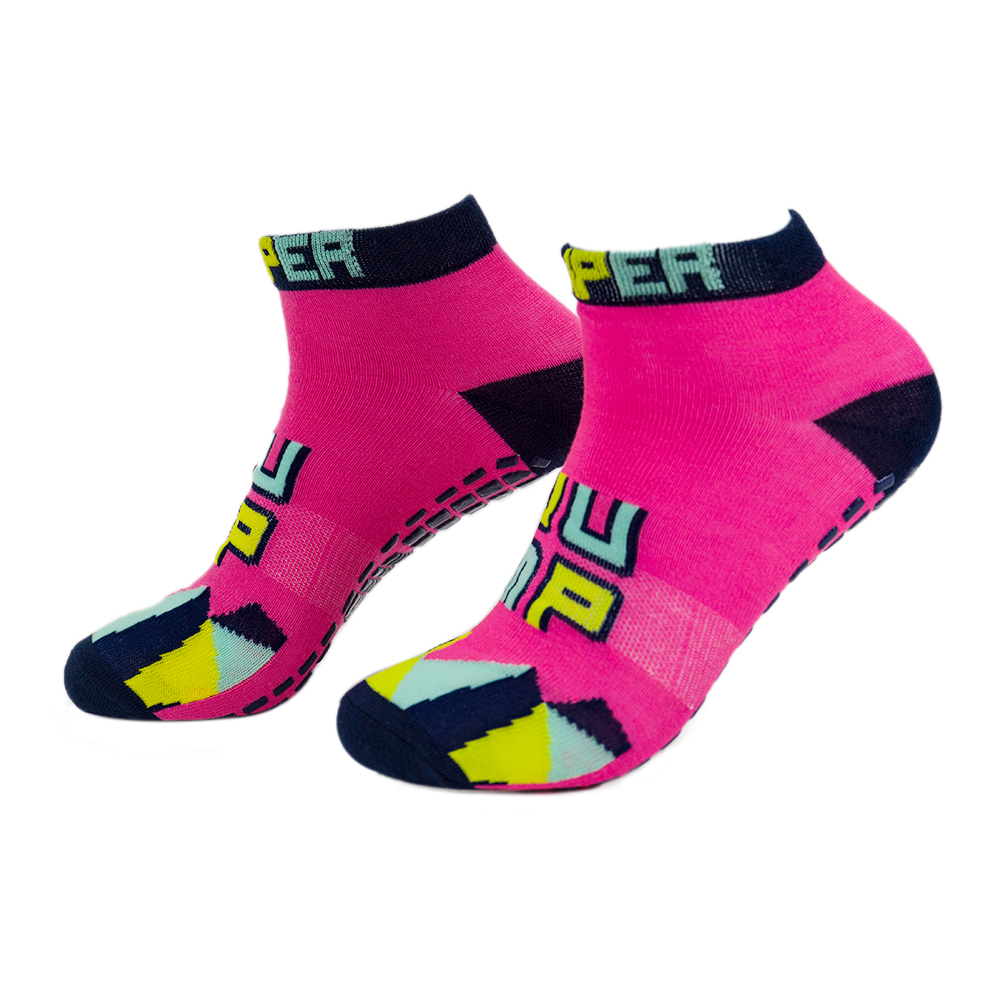 Trampoline Socks
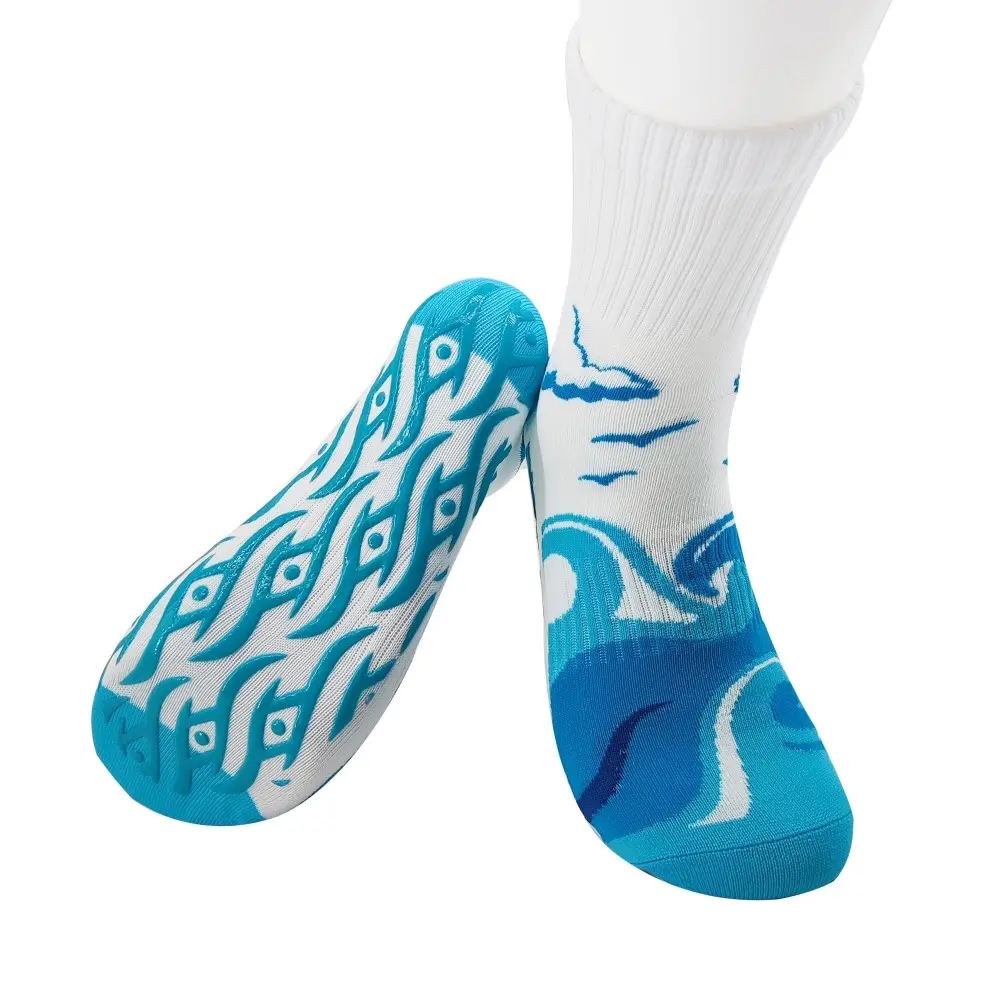 Aqua Park Socks
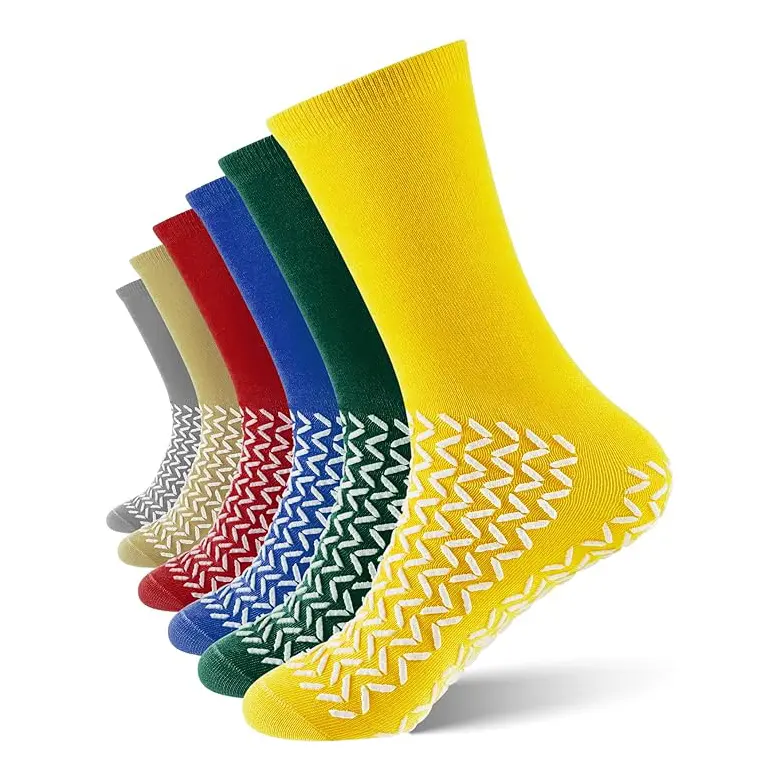 Hospital Slipper Socks
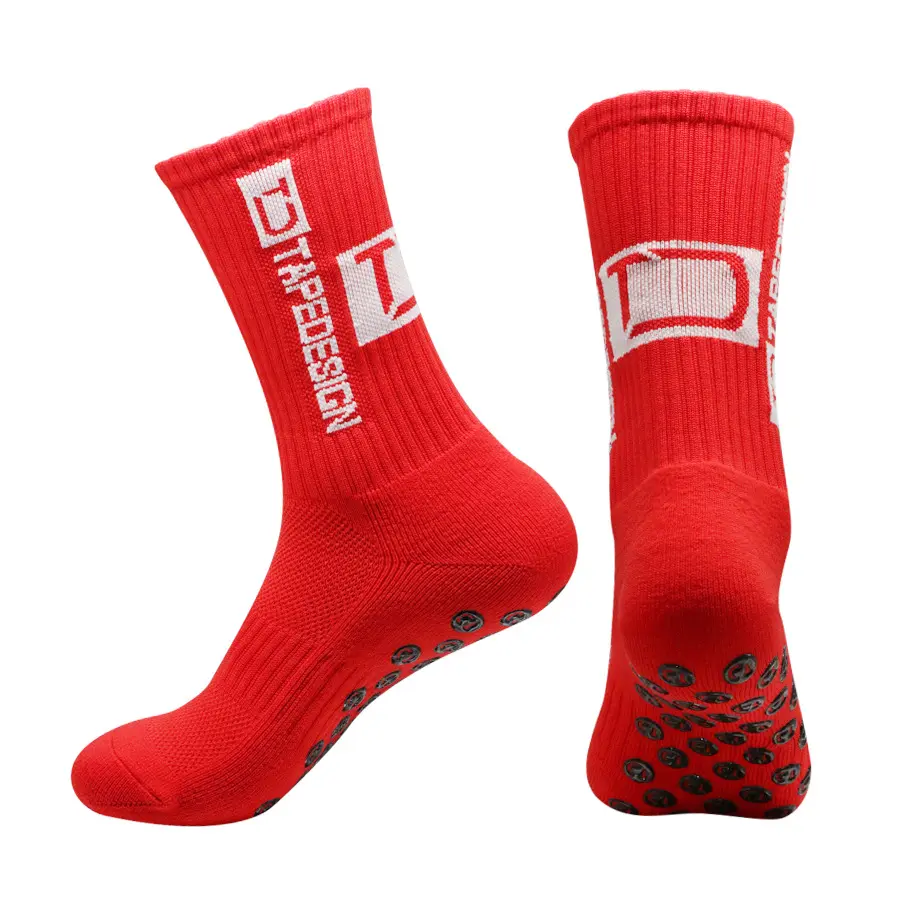 Grip Football Socks
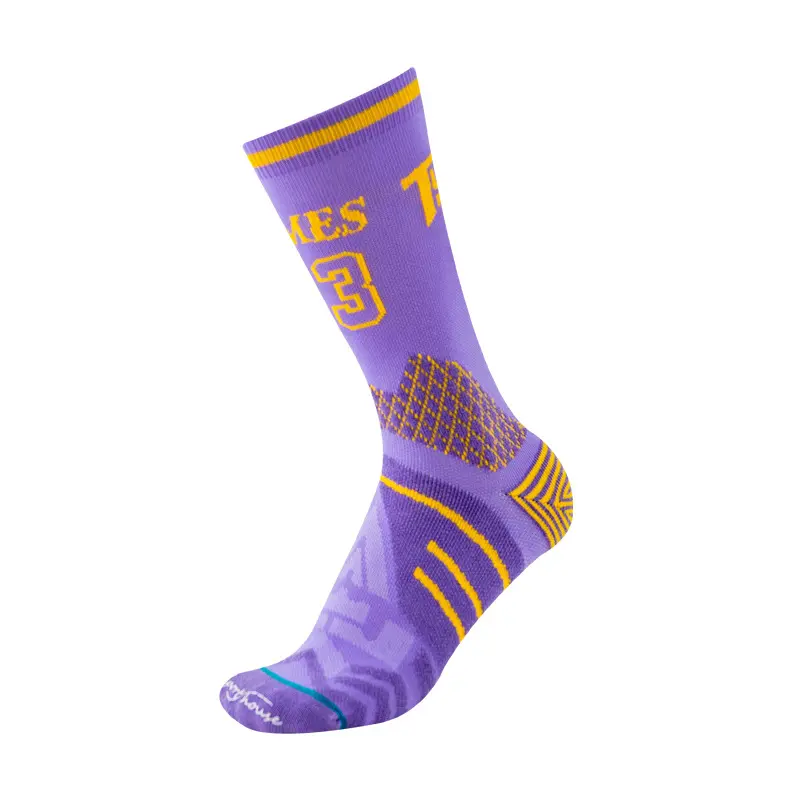 Basketball Socks
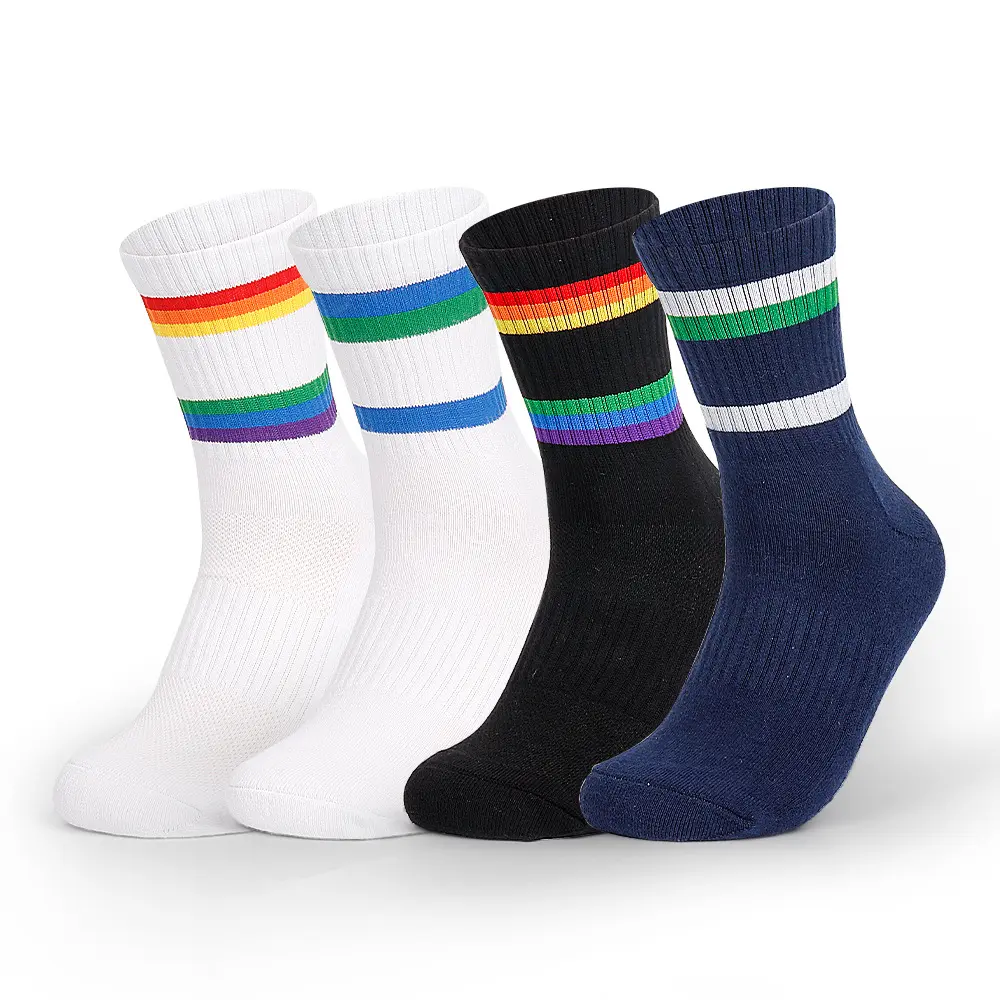 Badminton Socks
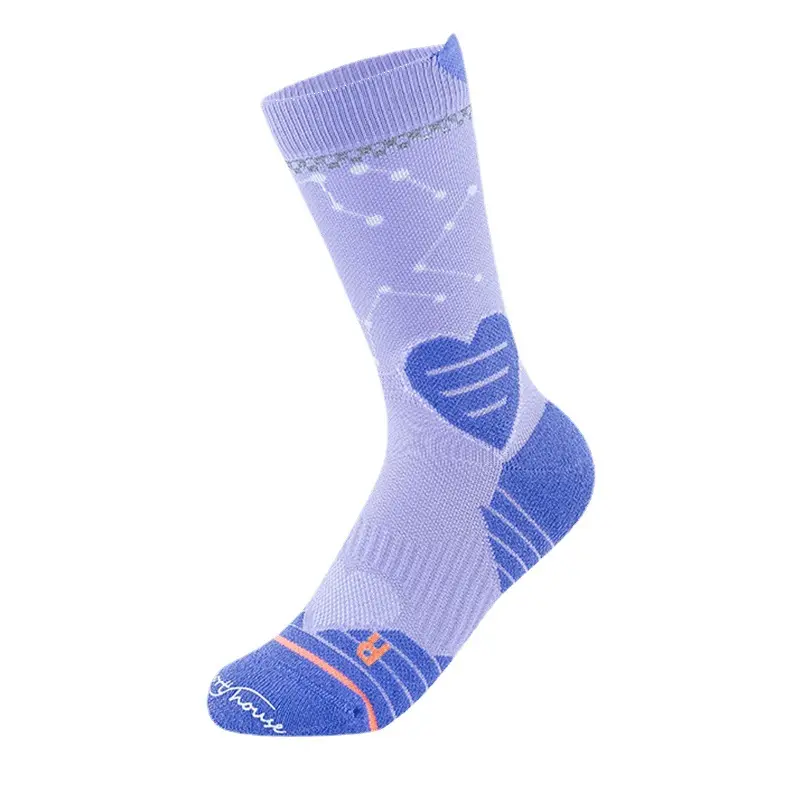 Cycling Socks
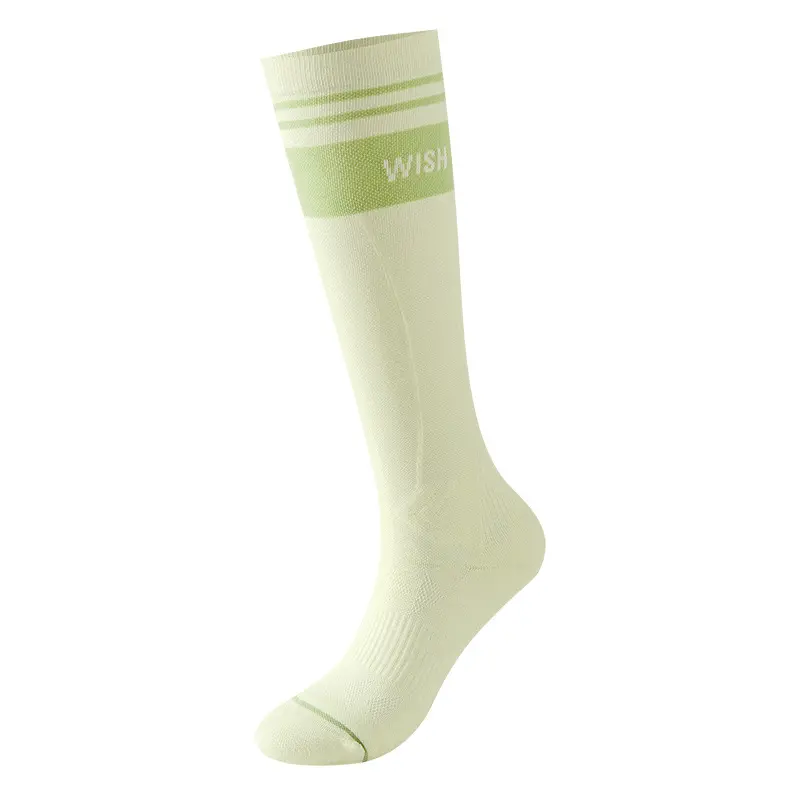 Running Socks
 Disposable Socks Bowling Alley Socks
 Disposable socks
 Warm Colorful Striped Crew Socks for Women
 Custom Unisex Crew Socks Breathable Socks
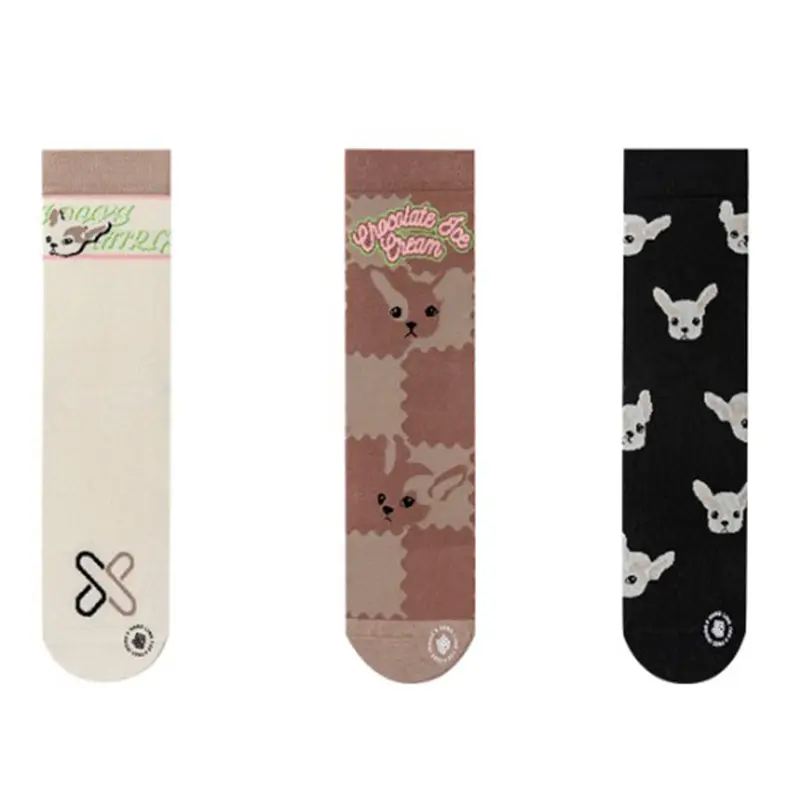 Digital Printing Vintage Crew Socks
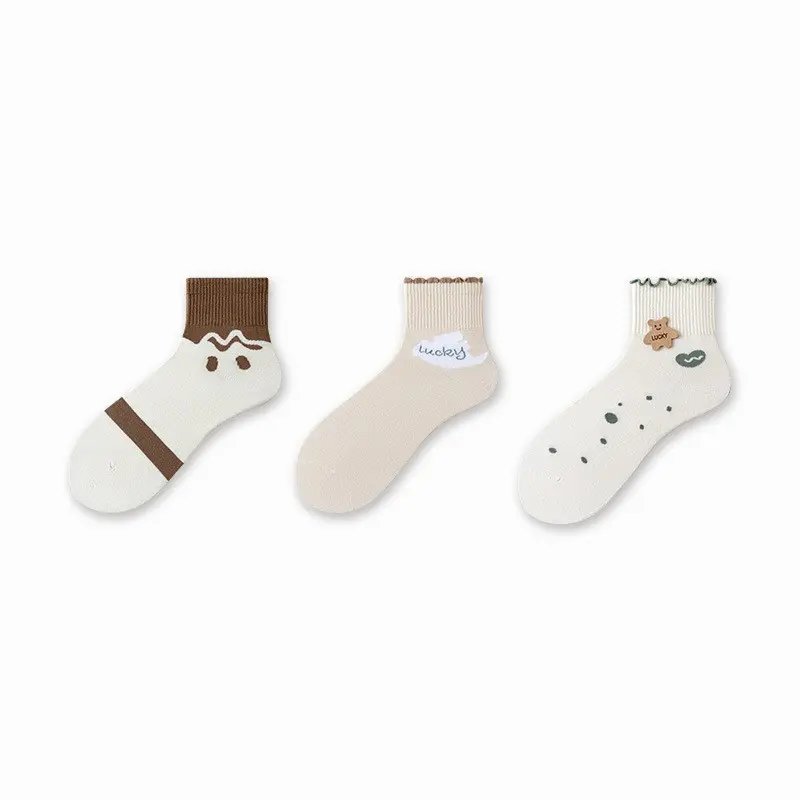 Animal Fuzzy Cartoon Crew Socks for Women
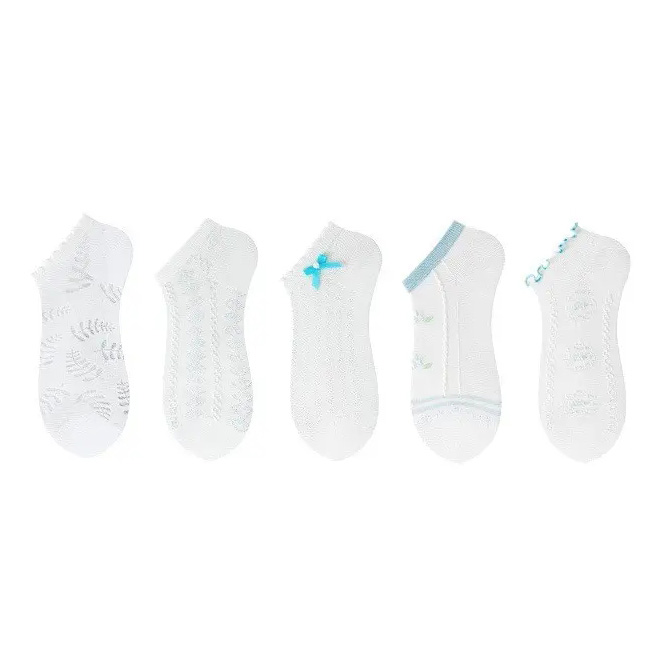 Cotton Flower Ankle Socks Low Cut Socks
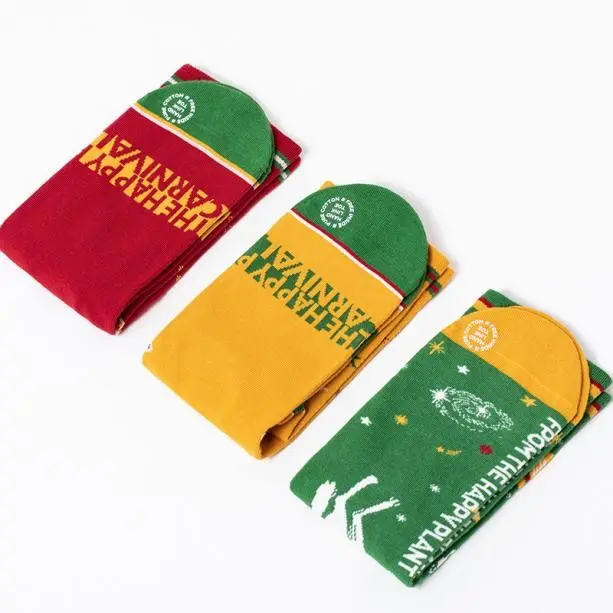 Thick Christmas Festival Crew Socks
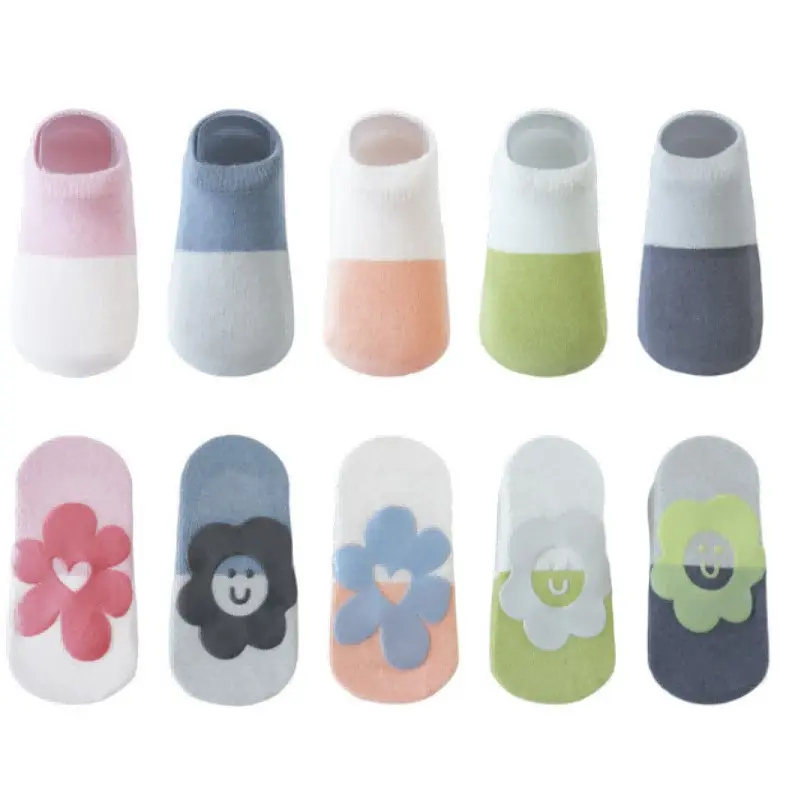 Cotton Cute Anti Slip Baby Ankle Socks with Cartoon
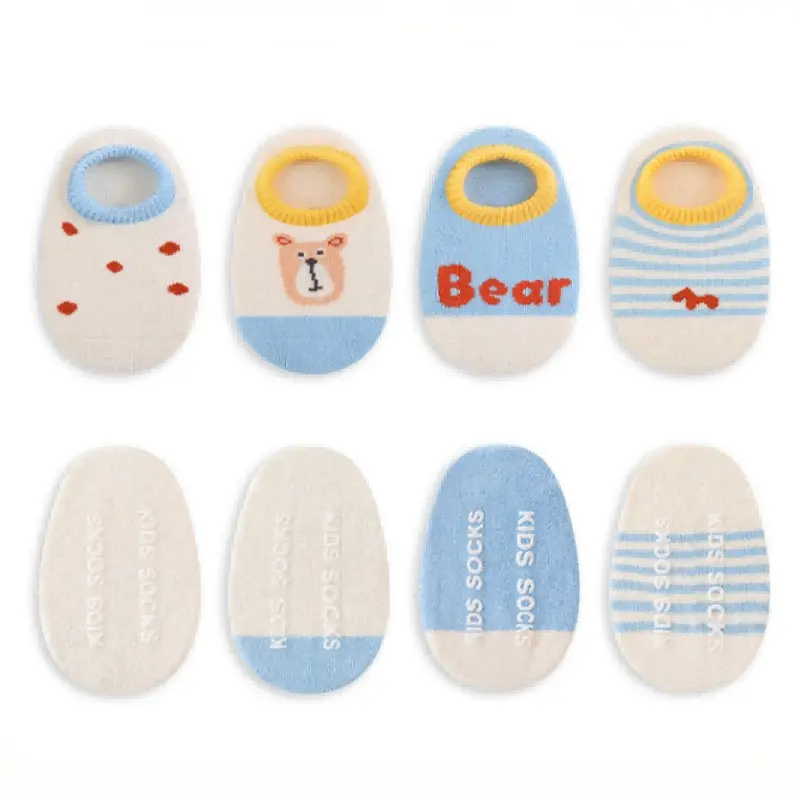 Colorful Soft Baby Socks Anti-slip
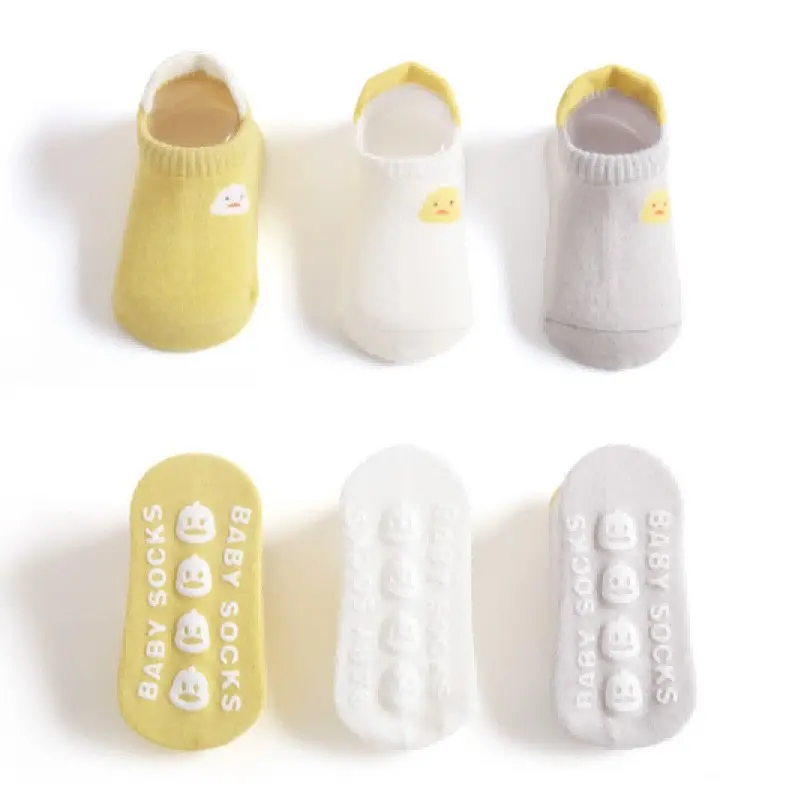 Non Slip Soft Ankle Baby Toddlers Socks
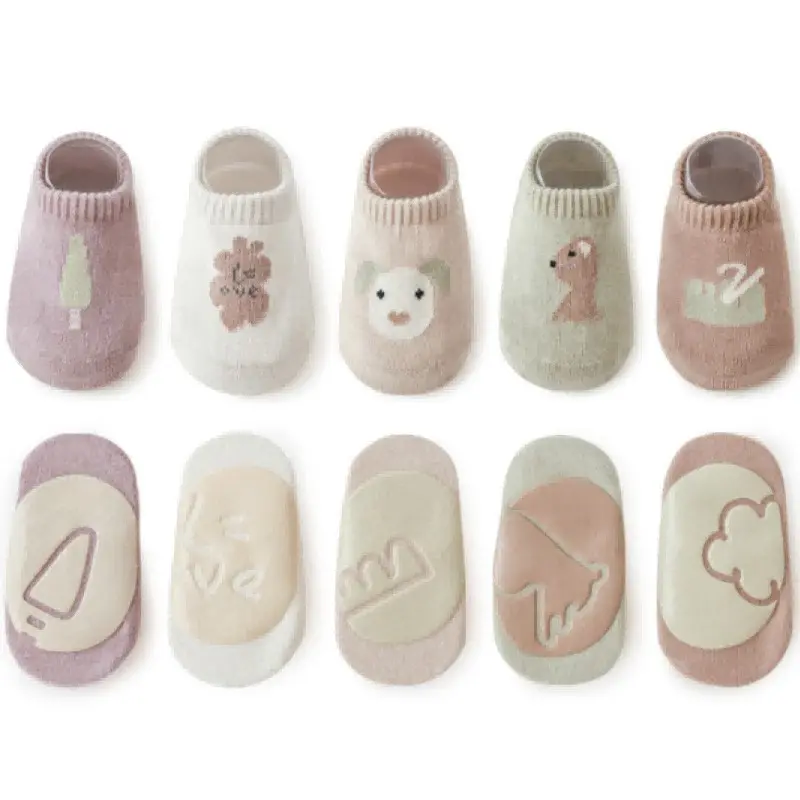 Cartoon Baby Socks With Grips Crew Walking Socks
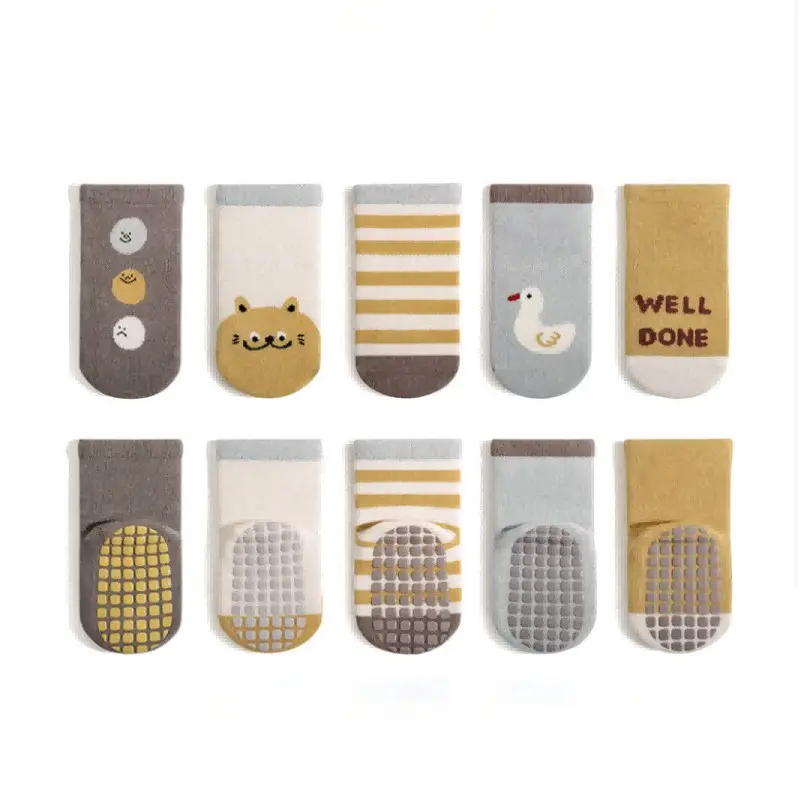 Baby Socks Floor Grip Mid-tube Socks with Cartoon