- Home
- Products
- Customization
- About Us
- Blogs
- Contact Us
 Trampoline Socks
 Aqua Park Socks
 Hospital Slipper Socks
 Grip Football Socks
 Basketball Socks
 Badminton Socks
 Cycling Socks
 Running Socks
 Disposable Socks Bowling Alley Socks
 Disposable socks
 Warm Colorful Striped Crew Socks for Women
 Custom Unisex Crew Socks Breathable Socks
 Digital Printing Vintage Crew Socks
 Animal Fuzzy Cartoon Crew Socks for Women
 Cotton Flower Ankle Socks Low Cut Socks
 Thick Christmas Festival Crew Socks
 Cotton Cute Anti Slip Baby Ankle Socks with Cartoon
 Colorful Soft Baby Socks Anti-slip
 Non Slip Soft Ankle Baby Toddlers Socks
 Cartoon Baby Socks With Grips Crew Walking Socks
 Baby Socks Floor Grip Mid-tube Socks with Cartoon
Leave Your Message
- Phone
- E-mail
- Whatsapp
- WeChat

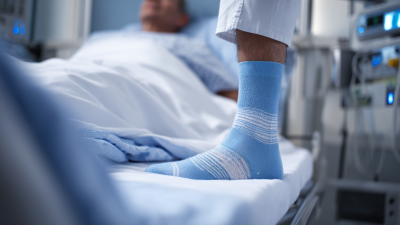
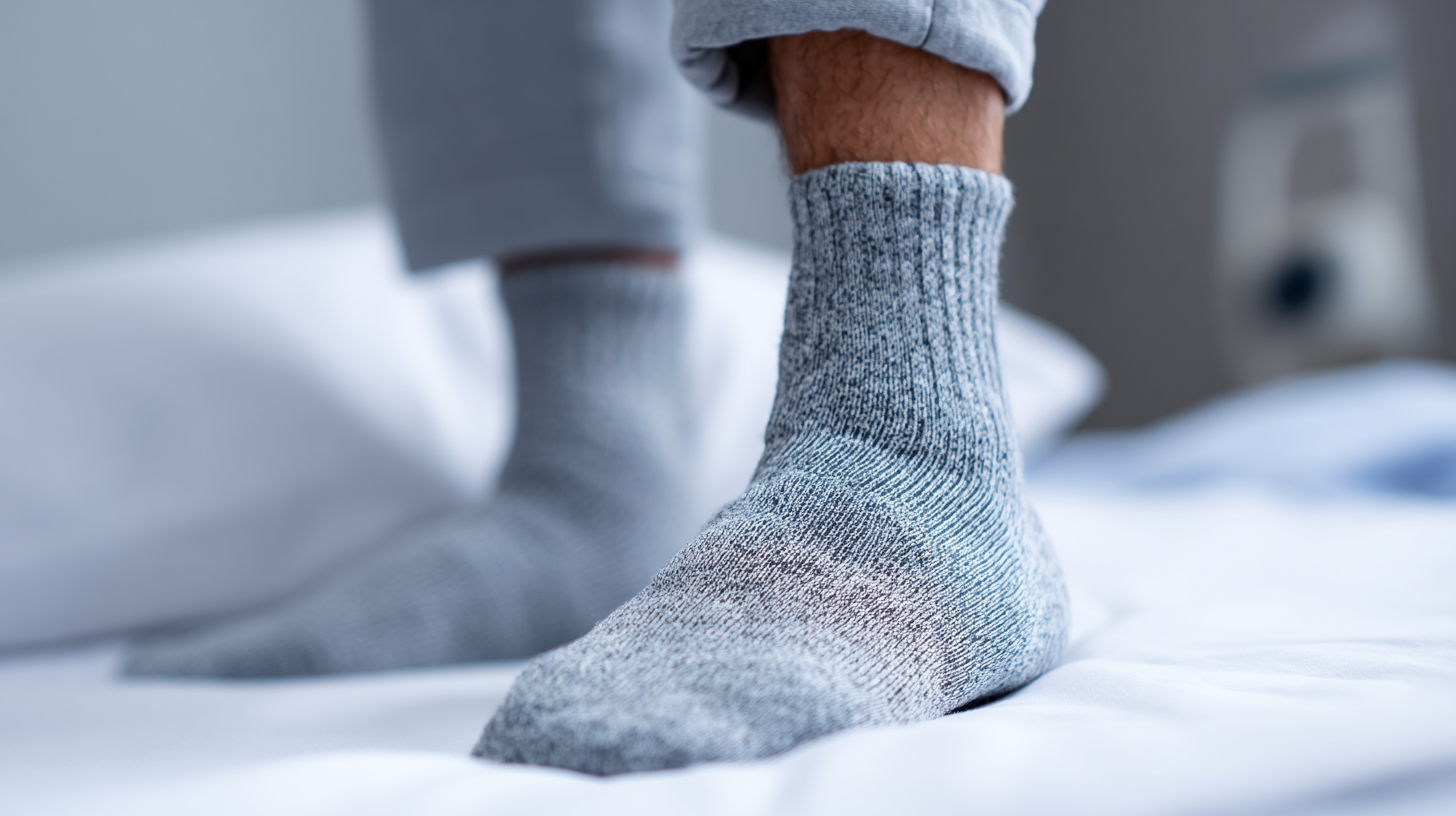
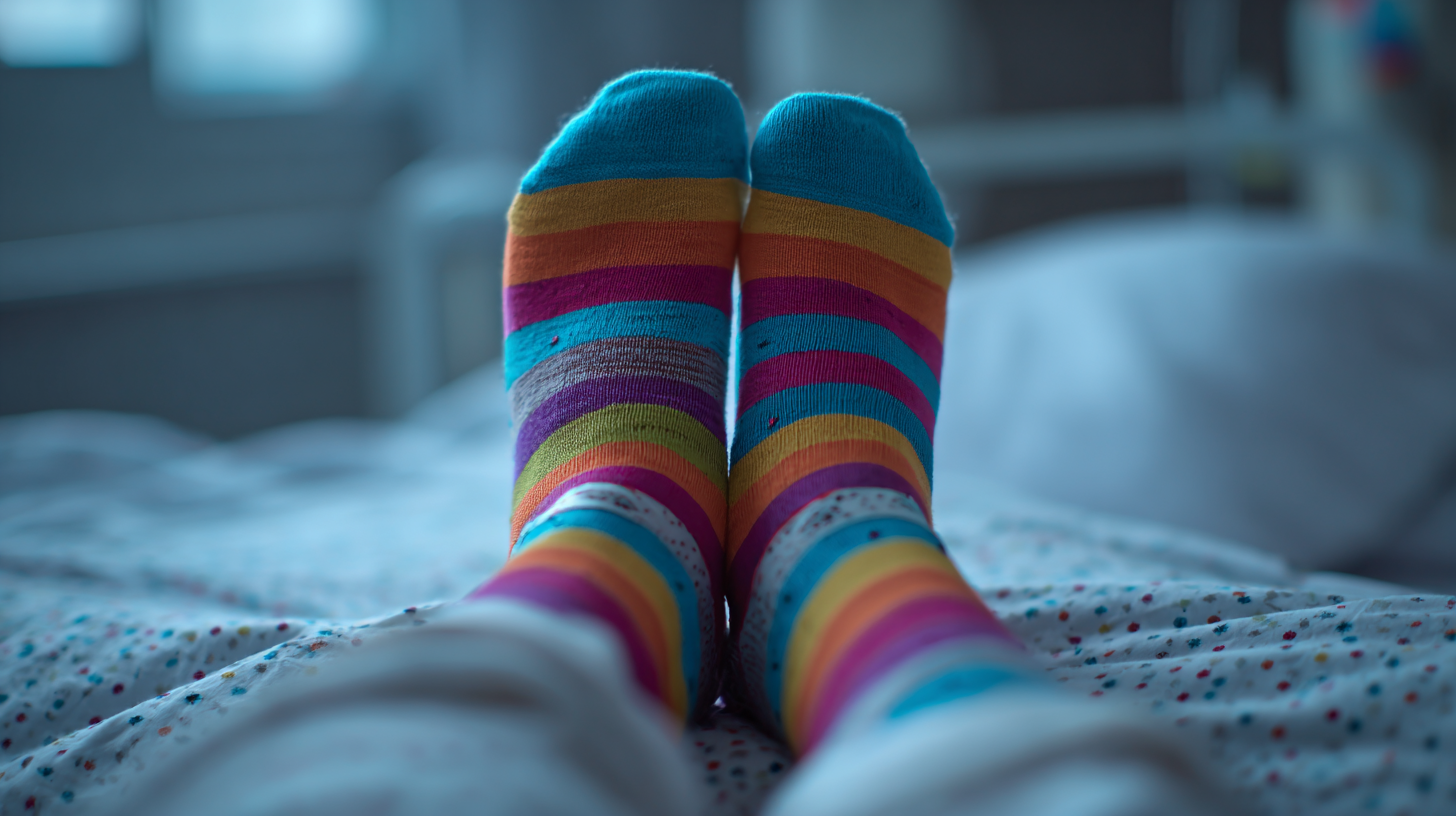
You know, in healthcare, specialized products really make all the difference — and one of those essentials is definitely Hospital Socks. They’re not just some普通clothing; they actually serve a pretty important purpose when it comes to patient care. They help make folks feel more comfortable and safer during their hospital stay. Interestingly, reports show that around 30% of patients end up falling while they're in the hospital, which honestly highlights how crucial effective solutions like hospital socks are — especially because they give better grip and stability. As a leader in sock manufacturing, Sichuan MiFo Technology Co., Ltd., has been around since 2013, committed to making high-quality hospital socks. With a huge 42,000-square-meter factory packed with cutting-edge equipment, we're working hard to meet the rising need for safety and comfort in healthcare. Really, understanding how beneficial hospital socks can be might even make a difference in patient recovery and how they experience their hospital stay — and that’s what really matters.
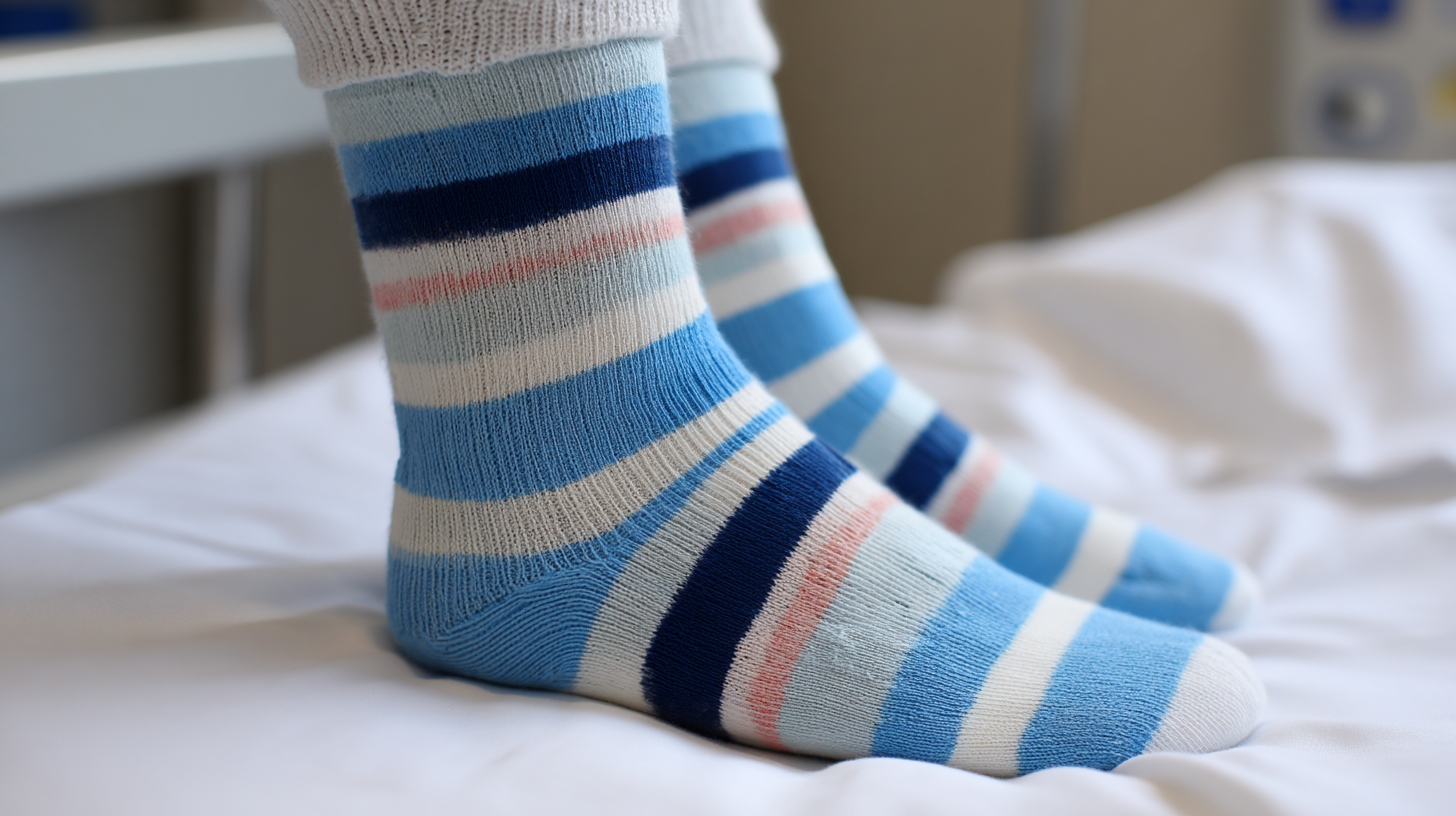
When it comes to healthcare, you can’t overlook just how important good grip and stability are—especially in hospital socks. I mean, did you know that falls are actually one of the main causes of injuries among patients in hospitals? Roughly 3 to 5% of folks admitted end up having a fall-related incident, which is pretty significant. That’s where these Non-Slip Socks come into play—they’re made with special grip patterns and materials designed to help reduce that risk. In fact, a study published in the Journal of Patient Safety showed that using non-slip socks can cut fall accidents by about 30%. Pretty impressive, right? It really highlights how much they matter in keeping patients safe.
But it's not just about safety—these socks also make a real difference in how comfortable and mobile patients feel. A survey from the National Institute of Health found that about 78% of patients actually prefer wearing non-slip socks during their stay, mainly because they help keep you warm and steady on your feet. Plus, that extra traction helps patients regain confidence in moving around, which really boosts their independence and speeds up recovery. When you look at all these stats, it’s pretty clear: the design and purpose of hospital socks are actually a bigger deal than most of us realize when it comes to patient care.
Athletes are constantly seeking ways to enhance their performance, and one often-overlooked aspect is the choice of Running Socks. Recent industry reports have highlighted the significant impact that breathable running socks can have on athlete endurance and comfort. For instance, studies show that moisture management in running socks can reduce the risk of blisters by up to 30%, allowing runners to focus more on their performance rather than discomfort. This is where premium running socks, made with OEKO-TEX® certified yarn and GRS recycled materials, come into play.
These high-quality socks are ingeniously designed with moisture-wicking and anti-odor technology, ensuring athletes remain dry and fresh during their runs. Furthermore, the added arch support enhances stability and reduces fatigue over long distances. An ergonomic, seamless construction not only provides superior comfort but also minimizes the likelihood of irritations and chafing, enabling athletes to push their limits. Reports indicate that athletes using advanced performance socks experience up to a 20% improvement in comfort levels, which can directly correlate to increased endurance.
Additionally, the customization of logos on these premium socks allows brands to reinforce their identity while also aligning with eco-friendly practices through the use of recycled materials. As performance and sustainability become increasingly intertwined in the athletic industry, investing in breathable running socks represents a smart strategy for athletes looking to elevate their game.
: Moisture-wicking fabrics are specialized materials designed to pull sweat away from the skin, enhancing patient comfort in hospital settings by reducing dampness and preventing skin irritation and infections.
Moisture-wicking socks manage moisture levels, creating a stable microclimate around the feet, which is essential for overall well-being during recovery.
Hospital socks, especially compression socks, enhance venous blood flow and reduce the likelihood of clot formation, significantly mitigating the risk of VTE, particularly in immobile patients.
Research has shown that graduated compression socks can reduce the incidence of VTE by up to 60% in high-risk populations by applying targeted pressure to the legs.
Antimicrobial properties in hospital socks are crucial for infection prevention, helping resist bacterial growth and reduce the risk of nosocomial infections in healthcare environments.
Leading hospital sock materials include treated cotton blends and synthetic fibers specifically designed to create an unfavorable environment for bacteria and fungi.
Selecting appropriate sock materials with antimicrobial properties and moisture-wicking capabilities helps reduce the risk of cross-contamination and supports a healthier recovery process.
Properly designed hospital socks can enhance blood circulation, providing both warmth and support, which is vital for patients recovering in a healthcare environment.
By reducing dampness and discomfort, moisture-wicking socks contribute to a more pleasant recovery experience for patients who often face discomfort in hospitals.
Prioritizing the right hospital sock materials is vital for ensuring patient safety, comfort, and effective infection control, all of which are critical in a healthcare setting.
Hospital socks might not be the most glamorous part of healthcare, but honestly, they make a big difference when it comes to patient safety and comfort. Stuff like those socks with better grip and stability really help cut down the chances of slipping—something you'd definitely want to avoid in a hospital setting. Plus, the moisture-wicking fabrics—they keep patients dry and comfy, which just makes the whole experience a lot better during a tough wait or recovery.
And hey, did you know these socks often have different pressure relief features tailored for various patient needs? That’s pretty clever because it helps improve circulation and even prevents stuff like blood clots (VTE). Some of the smarter hospital socks are also built with antimicrobial properties, which is a fancy way of saying they help keep things hygienic and reduce infection risks. All in all, choosing hospital socks instead of the usual cotton ones? It’s not only smarter health-wise but also more cost-effective—really helps hospitals do their thing without breaking the bank. At Sichuan MiFo Technology Co., Ltd., we're all about pushing the envelope with our high-quality hospital socks to meet these crucial needs — because, at the end of the day, good gear makes all the difference.