As the world of Aquatic Footwear keeps evolving, understandingglobal standards really makes a difference if you want to stay ahead of the game—especially when it comes to after-sales service and repair costs. I recently came across a market report that says the worldwide aquatic shoe market is expected to grow around 5.2% each year, reaching over $5 billion by 2026. Companies like Sichuan MiFo Technology Co., Ltd., which started back in 2013, are really leading the pack by blending cutting-edge R&D with smart production and trade strategies. They’ve got a massive factory spanning 42,000 square meters in Sichuan Province, which shows how serious they are about quality and keeping their customers happy. By focusing on top-notch after-sales support and managing repair costs well, manufacturers don’t just boost trust with consumers—they also stay aligned with industry standards that are becoming more and more important in this niche market.
Innovative Materials for High-Performance Aquatic Footwear Production
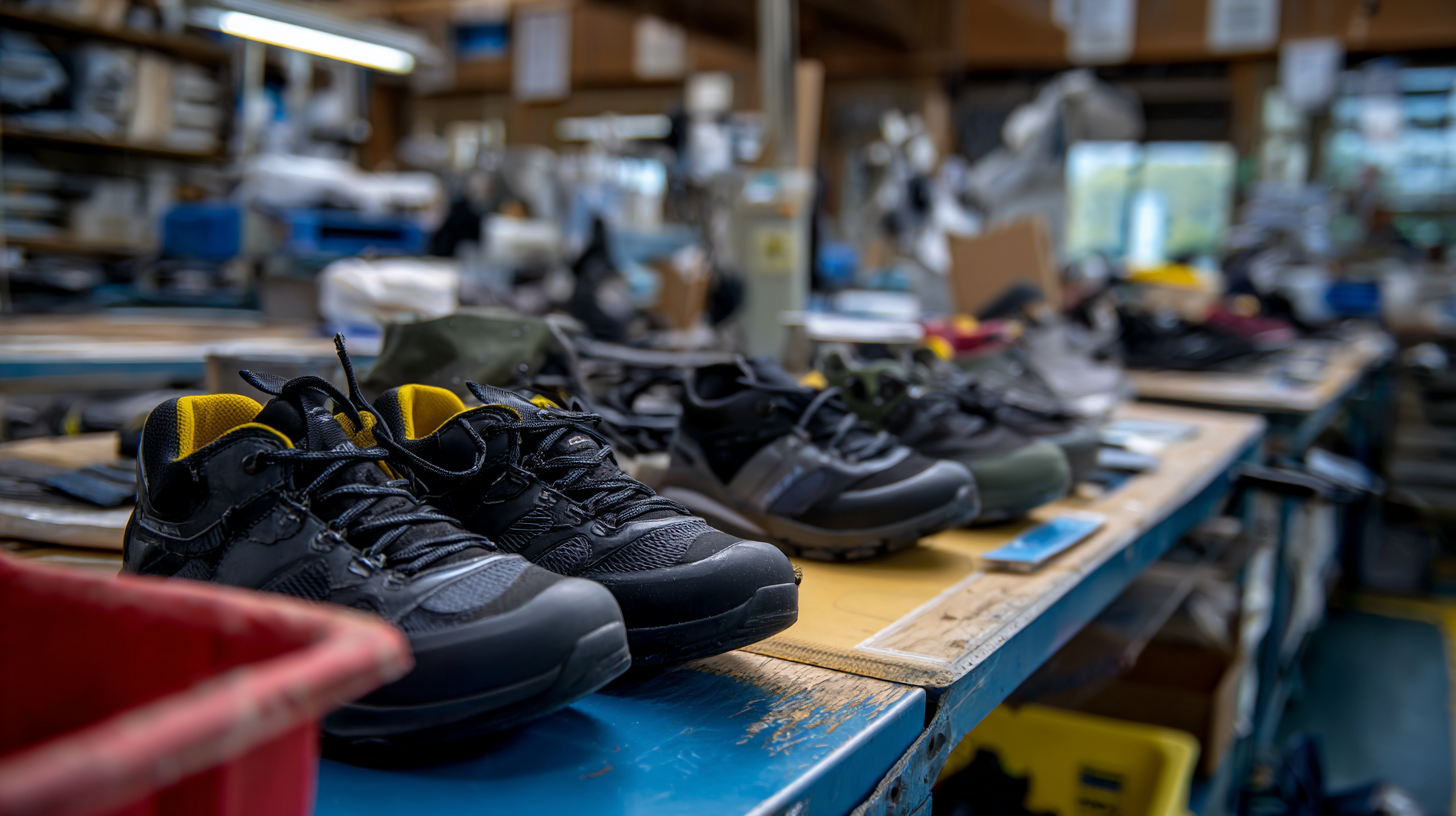
You know, these days, innovative materials are really pushing the boundaries when it comes to high-performance aquatic footwear. They're changing the game in both design and functionality. Take technologies like NanoFusion, for example—it's totally transforming textile finishes, making them tougher, water-resistant, and looking great at the same time. What’s cool is that it uses tiny nanomaterials to boost performance, but without ignoring environmental concerns. As more folks want shoes that look good and perform well, brands are really turning to these kind of cutting-edge solutions to keep up with what consumers want.
On top of that, there's a big shift happening towards sustainability in the sneaker world. We're seeing more bio-based plastics and eco-friendly materials creeping into production. Companies are honestly trying to cut back on their carbon footprint, so they’re looking into ways to make manufacturing cleaner and greener. That focus on reducing emissions and being more eco-conscious isn’t just a trend—it's becoming a key part of designing aquatic footwear that’s both high-performing and kind to the planet. Basically, this whole evolution reflects a real commitment—not just to making great products, but also to thinking about our impact on the environment. It feels like we’re heading into a new era of eco-friendly water shoes, and I think that’s pretty exciting.
Understanding Global Standards in the Best Aquatic Footwear Manufacturing Process - Innovative Materials for High-Performance Aquatic Footwear Production
| Material Type | Properties | Advantages | Applications | Global Standard Compliance |
| EVA (Ethylene Vinyl Acetate) | Lightweight, flexible, waterproof | Comfortable cushioning, good thermal insulation | Casual aquatic footwear, sandals | ISO 12647 |
| Neoprene | Elastic, waterproof, insulative | Durable, maintains comfort in water | Diving shoes, water sports | ASTM D751 |
| TPR (Thermoplastic Rubber) | Flexible, resilient, water-resistant | Good traction, easy to clean | Beach shoes, flip-flops | EN 13595-1 |
| Mesh Fabric | Breathable, lightweight, quick-drying | Reduces water retention, enhances comfort | Aquatic training shoes, water aerobics | ISO 14001 |
| Synthetic Leather | Durable, water-resistant, easy to maintain | Provides a high-end appearance, customizable | Stylish aquatic footwear, performance shoes | REACH Compliance |
Adopting Eco-Friendly Practices in Footwear Manufacturing
You know, in today’s world where everyone’s really talking about sustainability, jumping on the eco-friendly bandwagon when it comes to making aquatic footwear isn’t just a trend anymore — it’s pretty much a must-do. I came across the Global Footwear Sustainability Report 2022, and it blew my mind that about 63% of folks out there are actually looking for products that are kind to the environment. That’s seriously pushing brands to rethink how they produce their stuff. Things like using recycled plastics—like bottles—and upcycled rubber can really make a difference, cutting down waste and slashing their carbon footprint. And get this: studies suggest that using recycled materials can cut resource use by as much as 90% compared to using virgin materials. Crazy, right?
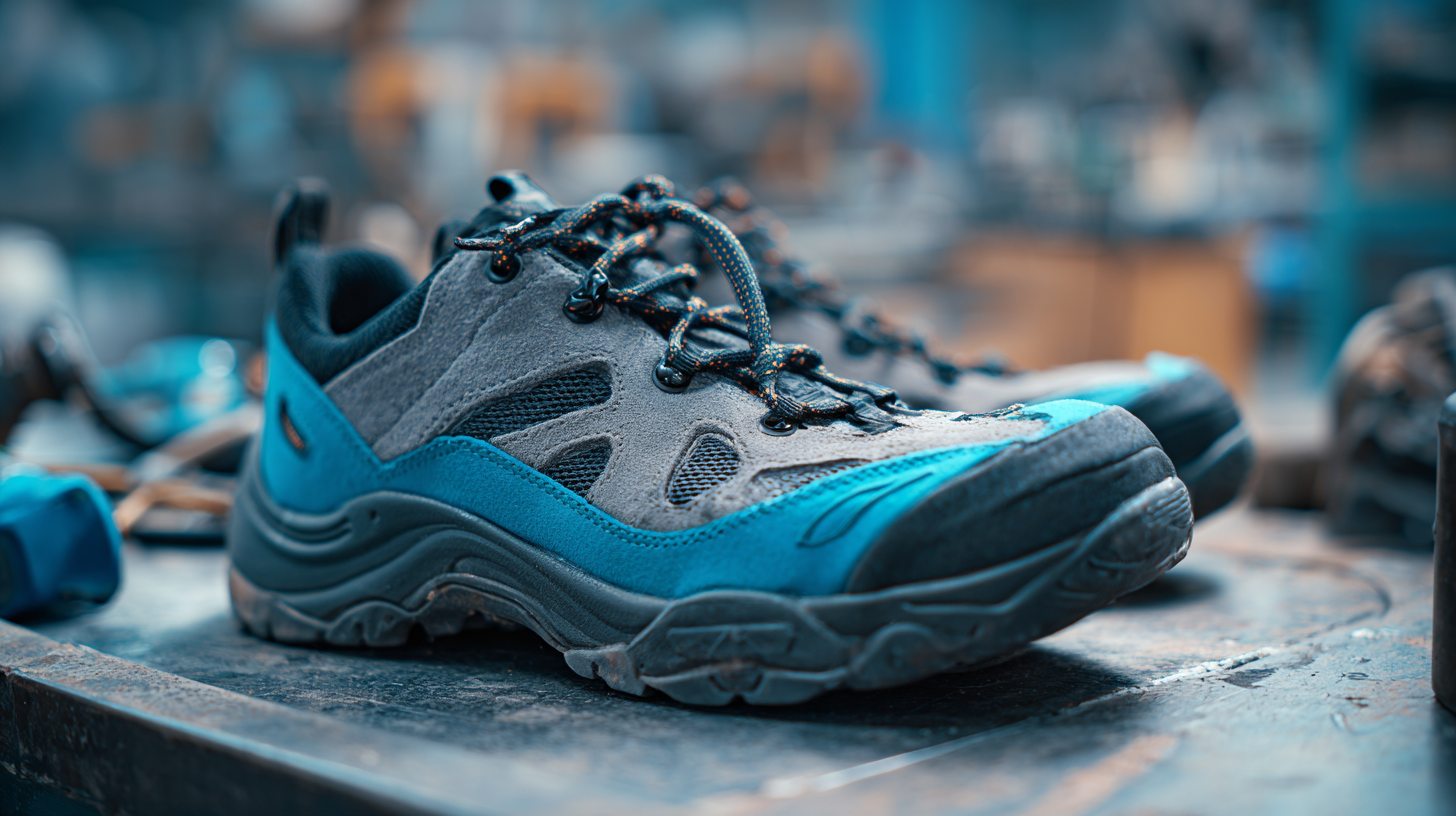
On top of that, water-efficient manufacturing methods are super important too. Did you know that making just one pair of shoes used to chew through around 1,800 liters of water? That’s insane! But now, with newer tech like waterless dyeing, factories can drastically cut back on water usage. It’s pretty cool. Plus, the Footwear Sustainability Index shows that brands that really commit to eco-friendly practices tend to enjoy better customer loyalty and a stronger reputation. Seems like going green isn’t just good for the planet — it’s good for business too. Overall, embracing these greener ways of making shoes isn’t just about meeting consumer demand — it’s about making a real impact and helping preserve our Earth, one step at a time.
Key Global Standards and Certifications for Aquatic Footwear
In the competitive world of aquatic footwear, it's pretty crucial for manufacturers to get a solid handle on global standards and certifications. Things like ISO 20344, which spells out how to test protective footwear, really help set reliable benchmarks for both performance and safety—that’s a big deal. On top of that, certifications like the Global Recycle Standard (GRS) are gaining more and more importance these days, especially as brands shift towards more sustainable practices. Consumers are definitely more into eco-friendly products now, and the industry’s prediction says the market for green footwear could hit around $30 billion by 2027. That growth is driven by folks becoming more aware and wanting products that are better for the planet.
For manufacturers, it’s also important to think about how these certifications impact their production. Sticking to the standards not only boosts the product’s reputation but also makes it easier to get into international markets—because it shows you’re playing by the rules. Research shows that products meeting these standards tend to build about 20% more trust among customers, which definitely bumps up sales and helps capture more market share. As the footwear game keeps changing, actually embracing these global standards isn’t just a good move—it’s pretty much essential if companies want to stay ahead and push for a more sustainable future in the aquatic footwear space.
Understanding Global Standards in Aquatic Footwear Manufacturing
Optimizing Design Processes for Enhanced Functionality and Comfort
When it comes to making aquatic shoes, we know that fine-tuning the design is super important—it's all about balancing performance and comfort. At Sichuan MiFo Technology Co., Ltd., we put a ton of effort into research and development to make sure our products not only meet but beat global standards. We’ve been around since 2013, and over the years, we’ve really embraced innovative methods, mixing the newest tech with the coolest design trends. That’s how we manage to produce water footwear that’s not just great for water activities, but also feels really comfortable, even after hours of wearing.
Our team is all about focusing on ergonomic designs and top-grade materials. We work together closely—doing plenty of testing and listening to feedback—to keep improving our shoes. Our high-tech facilities, sprawling over 42,000 square meters in Sichuan Province, really help us get every detail right. As we keep refining how we design and make our shoes, we’re committed to creating footwear that truly meets our customers’ varied needs, all while staying on top of the industry’s best practices.
Integrating Technology for Efficient Aquatic Footwear Production
In the fast-paced world of making aquatic shoes, staying on top with new tech is pretty much a must if you want to streamline things. Companies like Sichuan MiFo Technology Co., Ltd. really show how it’s done — they’re investing in top-notch R&D and slick manufacturing systems. Industry experts say that firms who jump on the tech bandwagon can boost their productivity by up to 30%, and they’re cutting down on mistakes too. You can see this shift all around, especially where automation and data analytics are used for quality checks and managing supply chains. It really paves the way for more sustainable and responsible production practices.
Sichuan MiFo’s got some seriously impressive facilities — over 42,000 square meters of high-tech manufacturing space. Thanks to innovative techniques and better materials, they’re not just meeting international standards—they often go beyond them. The market for aquatic footwear is projected to grow at around 6.5% annually from 2021 to 2028, so it’s definitely a space full of opportunity. As more manufacturers adopt these new technologies, we’re starting to see better performance, longer-lasting products, and a bit more eco-conscious thinking. It’s a pretty exciting time for the industry, and companies like MiFo are leading the way into a more advanced and responsible future.
Strategies for Quality Control in Aquatic Footwear Manufacturing
In the super competitive world of aquatic footwear manufacturing, having solid quality control strategies isn’t just a good idea — it’s absolutely essential if you want your products to last and keep customers happy. I came across a report from MarketResearch.com that predicts the global aquatic shoe market could hit around $5 billion by 2025. That’s a big number, and it really shows why brands need to stand out by offering top-notch quality. The whole process kicks off with choosing the right raw materials. Using water-resistant stuff like neoprene or lightweight thermoplastic rubber can make a huge difference—not just making the shoes more durable, but also way more comfy. Fun fact: products made with better materials tend to last around 30% longer, which means fewer returns and more loyal customers in the long run.
On top of that, bringing advanced tech into the mix is a game-changer. Automated quality checks—stuff like AI and machine learning—allow factories to keep an eye on production as it happens. According to PwC, companies that use this kind of tech can cut down defects by up to half, making everything run smoother and more efficiently. Plus, investing in regular staff training on quality practices really pays off. It helps reduce mistakes during manufacturing, and that’s always a good thing. Since people are increasingly after sustainable, high-quality products, having rock-solid quality control practices isn’t just smart — it’s what’s gonna fuel growth for aquatic footwear brands in the future.
FAQS
: Cutting-edge technologies like NanoFusion are being employed to enhance textile finishes, offering exceptional durability, water resistance, and aesthetic appeal through the use of nanomaterials.
Manufacturers are increasingly utilizing bio-based plastics and eco-friendly materials while focusing on reducing their carbon footprint and minimizing emissions during the production process.
Ergonomic designs are essential for enhancing both functionality and comfort, ensuring that footwear performs well in water and provides exceptional comfort during prolonged use.
The company focuses on rigorous testing, feedback loops, and utilizes state-of-the-art facilities to enhance quality and functionality in their manufacturing processes.
Implementing stringent quality control strategies is crucial for ensuring product longevity and consumer satisfaction, helping manufacturers to distinguish themselves in a competitive market.
Technologies such as AI and machine learning enable automated quality inspection systems, which can monitor production outputs in real time and significantly reduce defects.
Water-resistant materials like neoprene and lightweight thermoplastic rubber are recommended, as they enhance both the durability and comfort of the footwear.
Regular training of staff on quality control practices improves workforce competence, leading to fewer manufacturing errors and enhancing overall product quality.
As consumers increasingly seek products that excel in both form and function, there is a rising demand for high-performance aquatic footwear that meets these expectations.
The global aquatic footwear market is projected to reach $5 billion by 2025, indicating significant growth driven by consumer preferences for sustainable and high-quality products.

 Trampoline Socks
 Aqua Park Socks
 Hospital Slipper Socks
 Grip Football Socks
 Basketball Socks
 Badminton Socks
 Cycling Socks
 Running Socks
 Disposable Socks Bowling Alley Socks
 Disposable socks
 Warm Colorful Striped Crew Socks for Women
 Custom Unisex Crew Socks Breathable Socks
 Digital Printing Vintage Crew Socks
 Animal Fuzzy Cartoon Crew Socks for Women
 Cotton Flower Ankle Socks Low Cut Socks
 Thick Christmas Festival Crew Socks
 Cotton Cute Anti Slip Baby Ankle Socks with Cartoon
 Colorful Soft Baby Socks Anti-slip
 Non Slip Soft Ankle Baby Toddlers Socks
 Cartoon Baby Socks With Grips Crew Walking Socks
 Baby Socks Floor Grip Mid-tube Socks with Cartoon