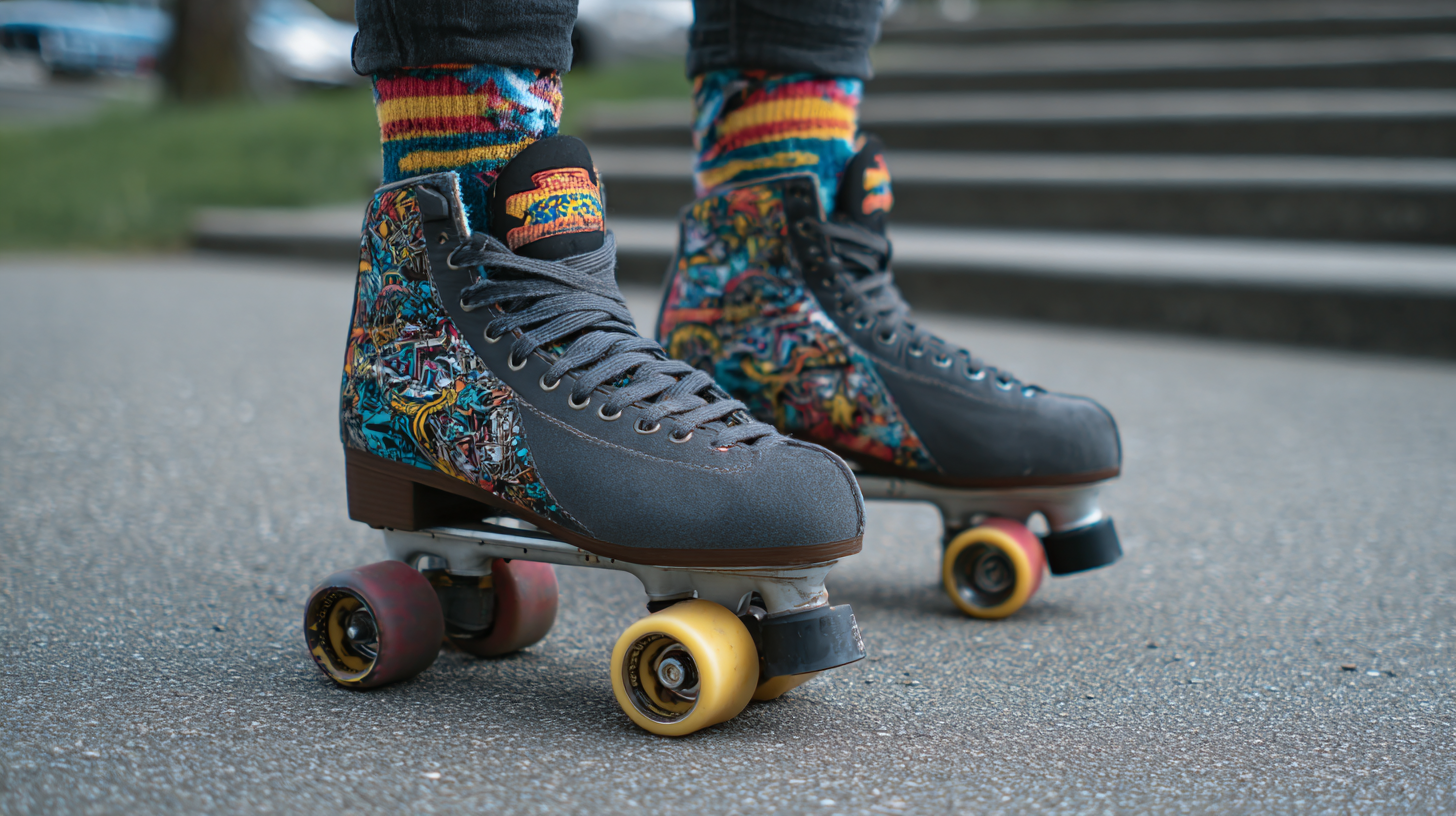
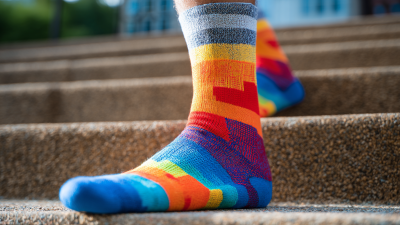
When you're out skating, whether you're a seasoned pro or just starting to find your groove, having the right gear can really make a big difference. One thing that often gets overlooked but is super important is the good ol’ Skating Rink Socks. These special socks aren’t just about keeping your feet warm and comfy—they’re also designed to boost your performance on the ice.
Here at Sichuan MiFo Technology Co., Ltd., we’ve been all about quality apparel since 2013. We're a modern hosiery company that combines R&D, manufacturing, and sales all in one, so we really get what skaters need. From moisture-wicking fabrics to cushioned soles, our range of skating socks is made to fit perfectly and support you where it counts—so you can focus on gliding smoothly without any distractions.
In this guide, we’ll go over some key things to keep in mind when picking out your ideal skating socks, making sure every skater can hit the ice with confidence and style.
Understanding the Different Types of Skating Rink Socks for Optimal Performance
When it comes to skating—whether you're into figure skating, ice hockey, or roller skating—the kind of socks you wear can make a pretty big difference in how you perform. Each activity calls for different styles of skating socks to keep things comfy, supported, and moving smoothly on the rink. For example, figure skaters usually go for thin but warm socks; they need something that fits snugly inside their boots but also keeps their feet warm against the cold ice. On the flip side, hockey players tend to prefer thicker, cushioned socks that give extra padding—super helpful when you're zipping around fast and taking some hits.
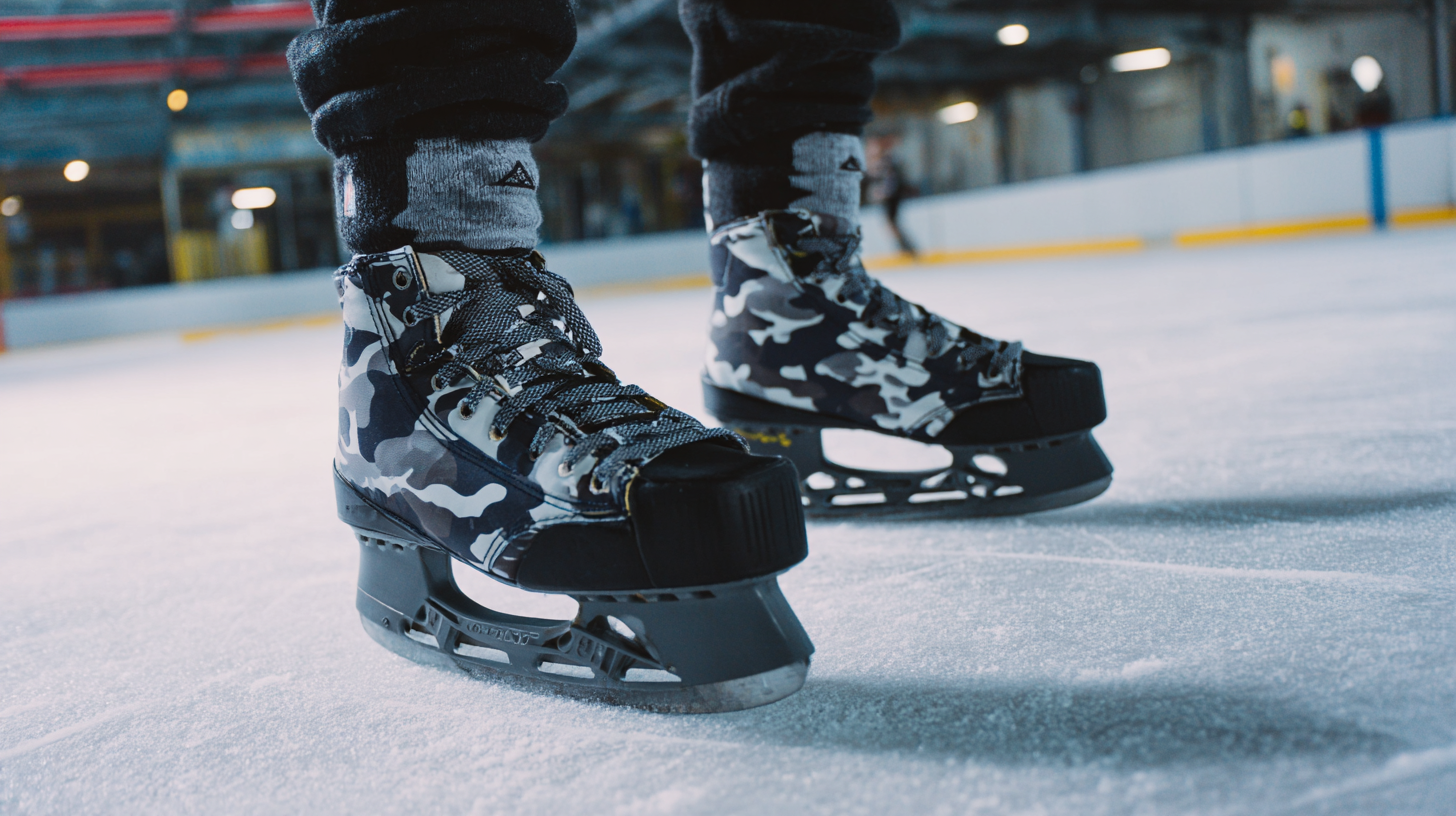
Also, sock materials matter a lot. Breathability and moisture-wicking features are key. Lots of skaters stick to synthetic fabrics like polyester or nylon because they pull sweat away from your skin, which keeps your feet dry and comfy—even during those intense practice sessions. Cotton might feel soft, but it tends to trap moisture, leading to blisters or just feeling pretty damp and uncomfortable. And don’t forget about sock length! Crew-length socks are pretty popular for figure skaters, but hockey players often go for longer ones that go above your shinpads, adding a bit more protection.
By understanding these little details, you can pick the right socks that not only boost your performance but also make your skating experience way more enjoyable. Trust me, it’s all about the right fit and fabric—it really does make a difference!
Material Matters: Choosing the Right Fabric for Skating Comfort and Warmth
When you're picking out the right skating rink socks, the material really matters — it can make a big difference in how comfy and warm you feel out on the ice. Skating pretty much needs a good mix of flexibility and insulation, so choosing the right fabric is kind of a big deal. Natural fibers, like wool, are awesome because they wick moisture away from your skin and still keep you warm. Plus, wool's breathability helps keep your body temperature in check, which is super important, especially when you're spending hours on the rink.
On the flip side, synthetic stuff like polyester or nylon has its perks too. These fabrics tend to dry super fast, so you're less likely to end up with cold, damp feet after a tough skate. They often come with extra features like cushioning and arch support, which can really improve how they fit and how you perform. Sometimes, opting for a blend of natural and synthetic fibers hits that sweet spot — giving you warmth, comfort, and durability all in one. Overall, picking a fabric that matches your skating style and where you'll be skating just makes the whole experience way more enjoyable on the ice.
The Perfect Skating Rink Socks: Material Comparison
This chart compares the comfort ratings of various sock materials commonly used by skaters. Wool stands out with the highest comfort rating, followed by thermal blends. Polyester and nylon provide adequate comfort, while cotton ranks lower for skating use.
Thickness vs. Thinness: Finding the Right Sock Width for Your Skating Style
When you're picking out skating rink socks, the whole debate about whether to go thick or thin is pretty important. Honestly, the best sock width really depends on your style of skating and what feels comfortable to you. Thick socks are great if you’re into comfort and warmth—they give you that extra cushioning, which can be a game-changer on longer skating sessions. Plus, they help absorb impacts and can even prevent blisters. But here’s the thing—sometimes, they make your skates feel snugger, which might impact how much control you have on the ice.
On the flip side, lots of competitive skaters prefer thinner socks because they give you better responsiveness and let you really feel your skates. They help with control and making those precise moves. Just keep in mind, going thin means sacrificing some warmth and padding. So, it’s all about finding that sweet spot between comfort and performance, depending on what kind of skating you’re into.
**Quick tip:** Always try on your skates with the socks you’re planning to wear. It might sound obvious, but it really helps to get the perfect fit and see how comfy it feels. Also, think about the weather—if it’s chilly, thicker socks are the way to go, but if it’s warmer, thinner options might be better. Don’t be afraid to experiment with different materials too—merino wool, synthetic blends—they can make a difference in warmth and moisture-wicking. Basically, it’s all about finding what works best for you and your skate sessions.
The Definitive Guide to Choosing the Perfect Skating Rink Socks for Every Skater
| Sock Type | Thickness | Best For | Climate Suitability | Material |
| Lightweight Socks | Thin | Artistic Skaters, Speed Skating | Warm Indoor Rinks | Synthetic Blends |
| Medium Thickness Socks | Medium | Recreational Skaters | Variable Climates | Wool Blend |
| Heavyweight Socks | Thick | Freestyle Skaters | Cold Outdoor Rinks | Cotton or Wool |
| Compression Socks | Thin to Medium | Competitive Skaters | All Climates | Nylon Blend |
| Thermal Socks | Thick | Skaters in Extremely Cold Conditions | Very Cold Climates | Merino Wool |
Sizing It Right: Importance of Proper Fit for Skating Rink Socks
Picking the right size when it comes to skating rink socks is super important — not just for comfort, but also for your performance on the ice. I read a study by the International Skating Union that said if your socks don't fit right, your athletic performance could drop by as much as 15%. Crazy, right? Socks that are too tight can cut off blood flow, making your feet uncomfortable, while ones that are too loose tend to bunch up and cause blisters or just mess with your skating rhythm. The trick is finding that sweet spot — a good fit helps keep your feet dry and warm, which makes all the difference.
Also, there was this survey by the Sports & Fitness Industry Association, and over 60% of skaters said they’d experienced discomfort during their sessions, mainly because their socks weren’t fitting properly. That really highlights why choosing the right size matters.
To get it just right, it’s a good idea to measure both your foot length and width, then check out the size charts from the manufacturer. Keep in mind, the material of the socks — whether it’s merino wool or a synthetic blend — also affects how they fit and feel. So, by really paying attention to finding the perfect fit, skaters can enjoy their time on the ice way more and actually perform better too.
Caring for Your Skating Socks: Maintenance Tips for Longevity and Performance
When you’re into skating, having the right pair of socks really makes a difference—not just for comfort, but also for how well you perform. But honestly, what’s just as important is knowing how to take care of those socks so they last longer. Here are some handy tips that every skater should keep in mind.
First off, make sure you wash your skating socks after every session. It sounds simple, but it helps get rid of sweat and that funky smell that can build up during practice or a big day on the ramp. I’d recommend using a gentle wash cycle with cold water—hot water can mess with the fabric, making it lose its stretch and shape. And if you want to keep them looking fresh, chucking them in a mesh laundry bag can help prevent any snags or tears from other clothes.
Oh, and big no-no—don’t toss them in the dryer! Air-drying is usually the way to go. Just hang ‘em up or lay them flat, and they’ll stay in good shape without shrinking. Also, try to store them somewhere cool and dry—moisture can cause mold or discoloration, and nobody wants that. Keep these tips in mind, and your skating socks will stay in tip-top shape, making your skating sessions even better. Trust me, little things like this really make a difference!
Matching Your Skating Socks to Your Skater Profile: Tips for All Levels and Styles
Picking the right skating rink socks isn't just about grabbing whatever’s lying around — it really depends on knowing your own skating style and needs. I mean, a report from the International Skating Union mentions that when skaters wear socks suited to their level and style, they feel way more comfortable and move more freely. For newbies, thicker, cushioned socks that keep your feet warm and comfy are a game changer — they help build confidence out on the ice. As you get a bit more experienced, many skaters tend to go for mid-weight socks that strike a good balance between support and flexibility, making it easier to pull off those tricky moves without feeling restricted.
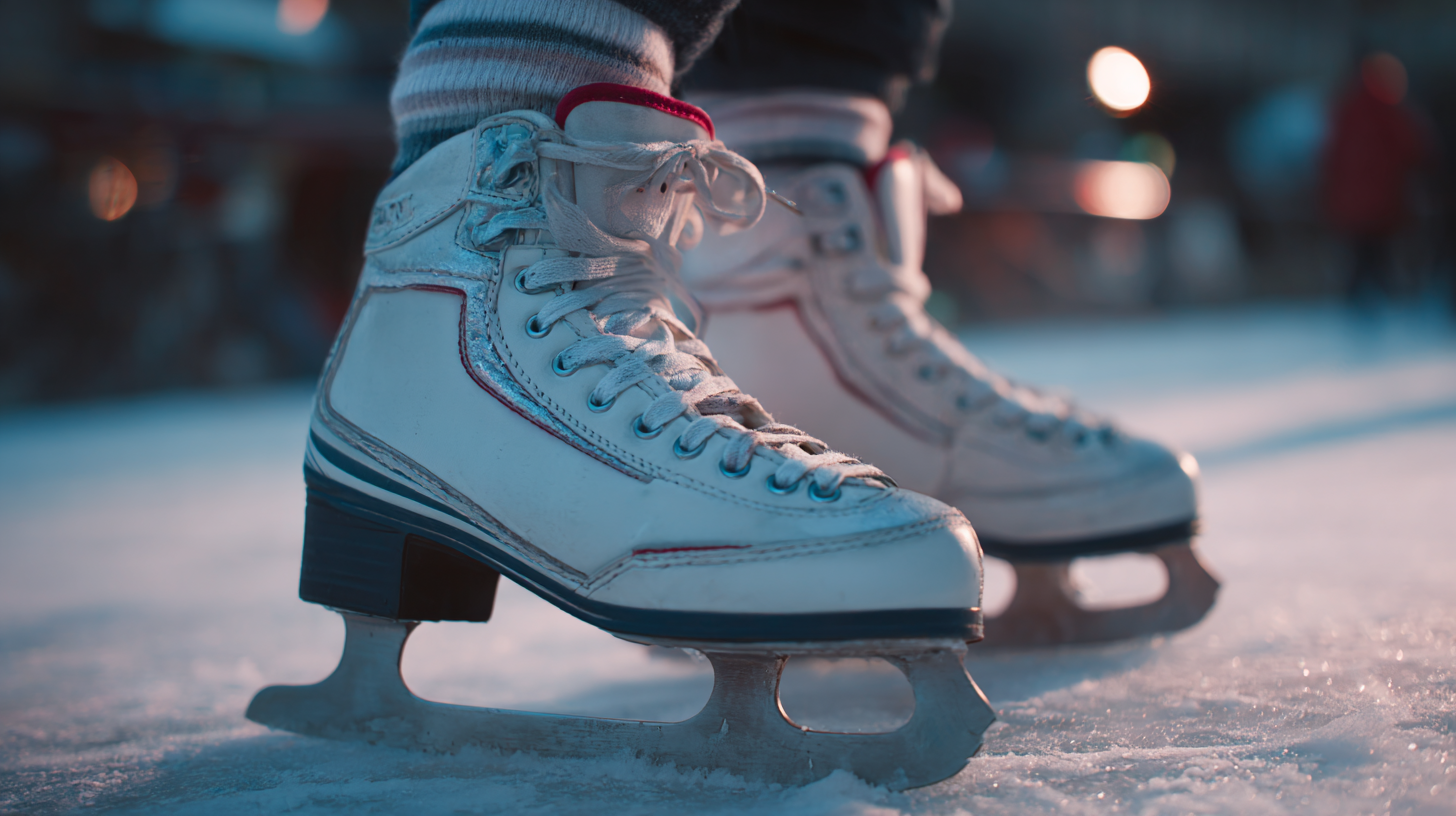
And if you're at the advanced level, you might lean toward super-thin, moisture-wicking socks. According to Skate Canada, ditching bulky gear helps with precision and smoother footwork. It's also worth paying attention to features like arch support if you have flat feet, or reinforced heels if you're doing high-impact routines — those little details can actually boost your performance. Bottom line: choosing the right socks isn’t just about personal preference; it’s about understanding how different materials and designs can help you perform your best, depending on your skating style and the conditions out there.
Enhancing Comfort and Safety: The Growing Demand for Baby Socks with Grip Features in the Children's Apparel Market
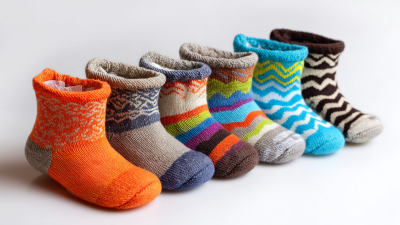
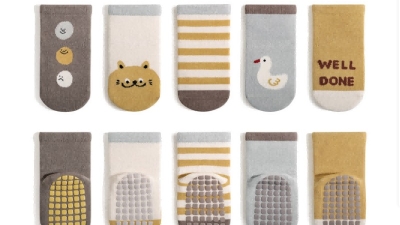
As the children’s apparel market evolves, the focus on comfort and safety has never been more pronounced, particularly with the increasing demand for baby socks featuring grip designs. These innovative socks are becoming essential for parents seeking to provide their little ones with the protection they need during their active daily routines. The mid-tube baby Grip Socks stand out as a prime example, engineered to accompany children from the toddler stage through to kindergarten, offering unmatched anti-slip performance.
What sets these socks apart is their thoughtfully designed soles adorned with silicone grip dots, ensuring enhanced traction on various surfaces, from smooth floors to slippery tiles. This feature is crucial in minimizing the risk of slips and falls, which can be a common concern for toddlers who are just mastering their walking skills. Additionally, the vibrant cartoon characters printed on these socks capture children's imaginations, encouraging them to take the initiative and put on their socks independently. This playful design not only boosts their confidence but also fosters a sense of ownership over their clothing.
Beyond safety and style, these socks deliver comfort for active little feet. Whether kids are playing indoors or enjoying a stroll outdoors, the combination of a secure fit and soft fabric means they can move freely without any discomfort. Meeting everyday style needs while ensuring reliable protection, these mid-tube baby grip socks are a practical investment for any parent looking to enhance their child's daily adventures.
FAQS
: The right type of socks significantly impacts a skater's performance by ensuring comfort, support, and optimal movement on the rink for different activities like figure skating and ice hockey.
Figure skaters often choose thin yet warm socks to maintain a snug fit within their boots while providing insulation against the cold ice.
Ice hockey players typically favor thicker, cushioned socks that provide additional padding to protect their feet during fast-paced and aggressive gameplay.
Synthetic fabrics like polyester or nylon are preferred for their breathability and moisture-wicking properties, as they help keep feet dry during rigorous skating sessions.
Improper sock fitting can decrease athletic performance by up to 15%, leading to discomfort from restricted blood flow or blisters from loose socks that bunch up.
Skaters should measure both their foot length and width, referring to manufacturer sizing charts to select the optimal size for a comfortable fit.
Skater profiles influence sock choice, as beginners may need thicker, padded socks for warmth, while advanced skaters often prefer ultra-thin, moisture-wicking socks for precision.
Skaters might look for features such as arch support for flat feet or reinforced heels for high-impact routines, depending on their skating level and needs.
Choosing the right socks can enhance comfort, mobility, and overall performance, allowing skaters to enjoy their time on the ice more fully.
Over 60% of skaters reported discomfort during their sessions due to ill-fitting socks, highlighting the importance of selecting the correct size for a better experience.
Conclusion
In our guide, "The Definitive Guide to Choosing the Perfect Skating Rink Socks for Every Skater," we really dig into what matters when picking out the best socks for your time on the ice. Honestly, understanding the different types of socks—like the materials and thicknesses—is a game-changer because it affects how warm and mobile you feel out there. And trust me, getting the right fit is just as important; it helps you glide smoothly with less chafing and more support during your routines.
We also throw in some handy tips on how to take care of your socks so they last longer. A little maintenance really does make a difference! Plus, we've got advice tailored for everyone—whether you're just starting out or you're a seasoned pro. Our goal is to help everyone find that perfect pair of skating socks that suits their needs. With our team at SICHUAN MIFO TECHNOLOGY CO., LTD., we want you to have all the tools you need to make your skating experience even better.

 Trampoline Socks
 Aqua Park Socks
 Hospital Slipper Socks
 Grip Football Socks
 Basketball Socks
 Badminton Socks
 Cycling Socks
 Running Socks
 Disposable Socks Bowling Alley Socks
 Disposable socks
 Warm Colorful Striped Crew Socks for Women
 Custom Unisex Crew Socks Breathable Socks
 Digital Printing Vintage Crew Socks
 Animal Fuzzy Cartoon Crew Socks for Women
 Cotton Flower Ankle Socks Low Cut Socks
 Thick Christmas Festival Crew Socks
 Cotton Cute Anti Slip Baby Ankle Socks with Cartoon
 Colorful Soft Baby Socks Anti-slip
 Non Slip Soft Ankle Baby Toddlers Socks
 Cartoon Baby Socks With Grips Crew Walking Socks
 Baby Socks Floor Grip Mid-tube Socks with Cartoon