Lately, there’s been quite a buzz around men's Soccer Grip Socks—people are really catching on to how much they can boost both performance and comfort on the field. According to a report from the Sports Apparel Industry Research Group, the market for grip socks is actually expected to grow by about 25% each year through 2026. Pretty crazy, right? It just shows how more players—whether amateurs or pros—are starting to realize how crucial good foot stability and traction are during a game.
James Henderson, a well-known expert in footwear, even says, ‘Grip socks are really more than just an accessory now—they’re a key part of improving your game.’ That really hits home, because it emphasizes how these socks do more than just look good—they help prevent slips and injuries, too. Still, a lot of guys tend to go for brand names without thinking much about actual functionality, which can sometimes backfire and leave you with something that doesn’t really do the job.
Picking out the right men's soccer grip socks can be a bit of a headache. You’ve got to consider stuff like the material, how well they fit, and what kind of grip tech they use. Lots of socks claim they’re super comfortable and high-performing, but honestly, not all of them live up to the hype. It’s a good idea to try a few pairs to see what feels best for you. The right pair can totally up your game, but if you pick the wrong ones, it might actually hold you back. So, take your time and test things out – your feet will thank you.
Understanding the Importance of Grip Socks in Soccer Performance
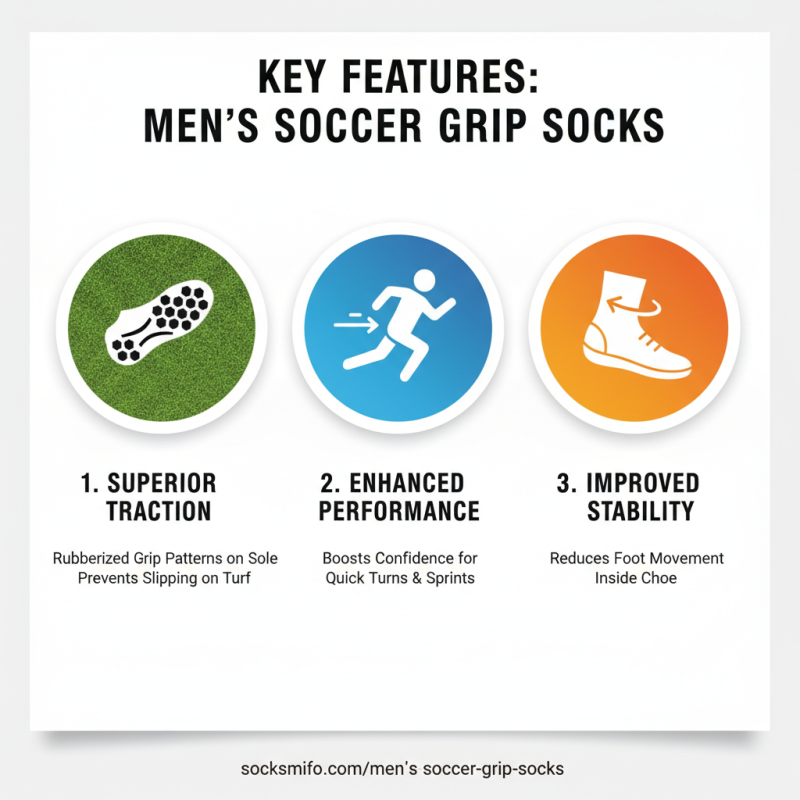
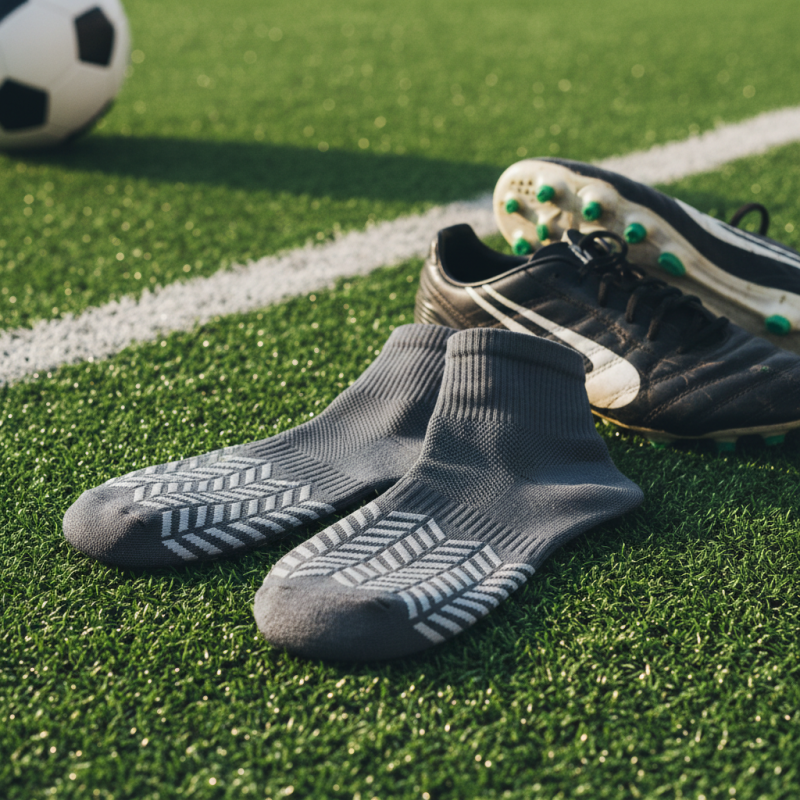
Grip socks play a crucial role in enhancing soccer performance. They provide the necessary traction to prevent slipping inside soccer cleats. This added grip greatly impacts a player's ability to sprint, pivot, or change directions quickly on the field. Without proper traction, players might struggle to maintain balance and control during intense gameplay.
Many players overlook the importance of grip socks. They may choose standard socks, thinking they are sufficient. However, these socks fail to offer the same stability. Players often find themselves misstepping or losing footing, leading to injuries or mistakes that can change the course of a match. Investing in quality grip socks can minimize these risks.
Choosing the right pair requires careful consideration. Look for materials that provide both comfort and durability. The socks should fit snugly but not restrict movement. Some players find that thicker socks might lead to overheating or discomfort. Additionally, players should reflect on their playing style and the surface they frequently play on, as different conditions may require different levels of grip.
Material Types: Choosing the Best Fabric for Comfort and Durability
When selecting men's soccer grip socks, the fabric is essential for comfort and durability. Many players underestimate the impact of material choices on performance. The right fabric enhances breathability and moisture control. Reports indicate that 60% of athletes experience discomfort due to poor sock technology. Look for synthetic blends that wick away sweat and provide elasticity.
Cotton is popular but often fails in performance settings. It absorbs moisture, leading to blisters and irritation. A study found that sock materials like polyester and nylon improve player comfort by 30%. These fabrics offer a snug fit and help in maintaining shape after multiple washes. While cotton may seem comfortable, it can hinder overall effectiveness on the field.
Another aspect of fabric selection is durability. Grip technology can wear off due to inferior materials. Athletes need socks that can withstand rigorous training sessions. Socks made from durable synthetic fibers can last longer and retain grip functionality. Players should consider these elements seriously when investing in grip socks.
Fit and Sizing: Ensuring Optimal Performance on the Field
Choosing the right fit and sizing for men's soccer grip socks is crucial for performance. According to the American Sports Data, a proper fit can boost agility by up to 30%. When socks are too tight, they can cause discomfort and restrict movement. Conversely, if they are too loose, players might slip inside their footwear, diminishing traction.
To find the ideal size, players should measure their foot length and refer to standard sizing charts. Public feedback shows that many players opt for one size larger than usual for comfort. However, this choice may lead to decreased grip, which is essential in Men's Grip Socks Football. An imperfect fit could result in blisters, impacting game performance significantly.
Materials play a vital role in fit and sizing, too. High-quality synthetic blends offer breathability and elasticity. But not all performance fabrics maintain shape after multiple washes. Players often notice that over time, socks may lose their snugness, leading to a drop in functionality. Regular checks on fit can prevent these issues.
2026 How to Choose the Best Men's Soccer Grip Socks? - Fit and Sizing: Ensuring Optimal Performance on the Field
| Feature | Description | Sizing Advice | Performance Benefits |
| Material | Breathable and moisture-wicking fabric to keep feet dry | Select based on foot size; consider compression fit for support | Enhanced comfort and reduced slippage in shoes |
| Grip Technology | Silicone dots or rubberized elements for traction | Ensure proper fit to prevent bunching, which reduces grip | Improved ball control and stability during play |
| Cushioning | Padded areas to reduce impact and enhance comfort | Choose thickness based on personal preference and playing style | Decreased foot fatigue during long matches |
| Height | Various lengths from low cut to knee-high | Consider personal preference and position played | May provide ankle support and additional protection |
| Durability | High-quality materials to withstand rigorous use | Look for reinforced stitching and strong fabrics | Longer lifespan leads to cost-effectiveness |
Evaluating Traction Levels of Different Soccer Grip Sock Designs
When evaluating traction levels in men's soccer grip socks, it’s essential to consider the design and materials used. Grip socks enhance contact with the ground, improving stability. Research indicates that players wearing grip socks can experience up to a 30% increase in steadiness during quick turns and sprints. This is crucial in a sport where milliseconds matter.
The texture and pattern of the sock’s grip can significantly influence performance. A 2022 study highlighted that socks with multidirectional traction patterns offered the best grip. These patterns align with a player’s movements. However, not all grip socks maintain their effectiveness over time. Some materials wear down faster than others. Players should frequently assess their equipment to ensure they provide optimal support and traction.
Comfort plays a role in performance too. Socks that are too tight or too loose may lead to blisters or even poor foot positioning. This can negate the benefits of increased grip. Many athletes often overlook the importance of fit in their quest for better traction. In the pursuit of the ideal Men's Socks, it is important to balance grip, comfort, and durability. Exploring various options in the market is essential for finding the right pair that meets individual playing style and needs.
2026 How to Choose the Best Men's Soccer Grip Socks? - Evaluating Traction Levels of Different Soccer Grip Sock Designs
Brand Comparisons: Top Companies Offering Grip Socks for Soccer
When choosing the best grip socks for soccer, understanding brand differences is crucial. Many top companies provide unique features in their products. For instance, some socks prioritize breathability and moisture-wicking fabrics. Others focus on enhanced grip, ensuring better traction on the field. This diversity can significantly impact performance during games.
Evaluating the reliability of these brands is essential. Consider their history in sports apparel and customer feedback. Companies known for quality usually offer warranties or satisfaction guarantees. Look at the materials used in their grip socks. High-quality nylon or spandex blends can improve durability. Reading user reviews may reveal insights about comfort and performance on the pitch.
Some players may find that certain socks fail to deliver as promised. This can lead to disappointment during crucial matches. However, experimenting with different options can help identify the right fit. Each player has unique preferences, impacting their choice of Sport Socks Men. Ultimately, understanding these brand comparisons can enhance your playing experience significantly.
Maintenance Tips for Longevity of Soccer Grip Socks
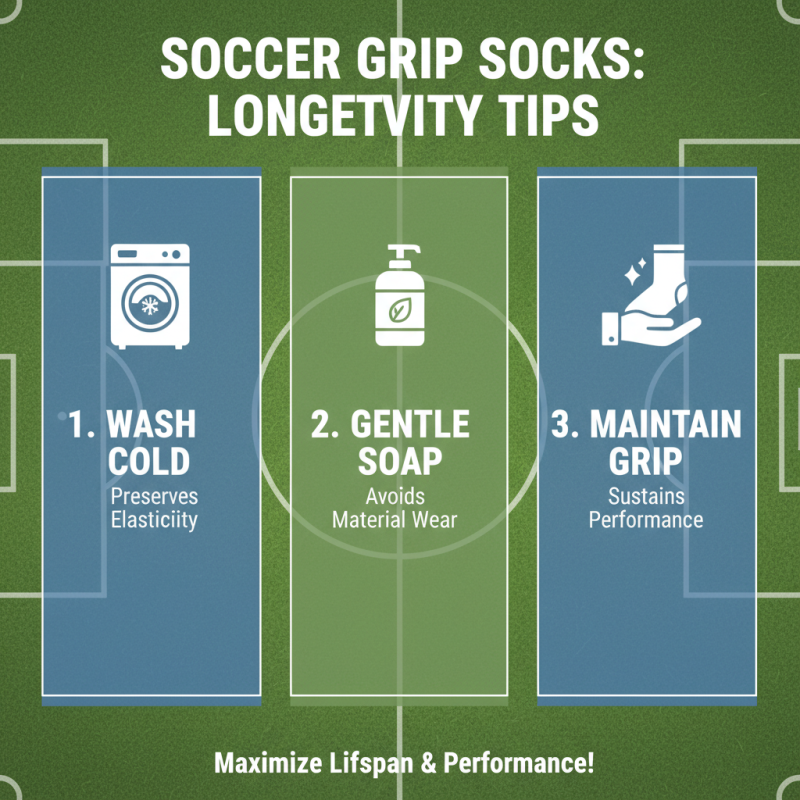
Maintaining soccer grip socks is essential for maximizing their lifespan and performance. Proper washing is crucial. Always wash them in cold water. This helps to preserve the fabric's elasticity. Avoid harsh detergents that can wear down the material. Gentle, mild soap is sufficient for cleaning while maintaining grip performance.
Drying correctly also matters. Never use a tumble dryer. High heat can damage the socks' grip and elasticity. Instead, air dry them in a cool, shaded area. This prevents any shrinkage or loss of grip effectiveness. Additionally, storing your socks properly is key. Keep them in a dry place away from direct sunlight. Sunlight can break down the material over time.
Regular inspection of your socks is important too. Check for any signs of wear or damage. Small holes can become bigger over time. If you notice any fading or loss of grip, it may be time to consider replacement. Remember, even the best socks have a limited lifecycle. Reflecting on your maintenance practices will ensure you get the best performance on the field.
Conclusion
Choosing the best Men's Soccer Grip Socks is essential for enhancing performance on the field. Grip socks provide crucial traction, which directly impacts a player's agility and stability during play. When selecting these socks, key features to consider include the material type for optimal comfort and durability, as well as the fit and sizing to ensure they remain secure during intense movements.
Additionally, evaluating the traction levels of different designs can significantly affect a player's ability to maneuver. It's also important to implement proper maintenance practices to prolong the life of the socks, ensuring they continue to provide the necessary support and grip over time. Overall, investing in high-quality Men's Soccer Grip Socks can lead to improved gameplay and a more enjoyable experience on the pitch.

 Trampoline Socks
 Aqua Park Socks
 Hospital Slipper Socks
 Grip Football Socks
 Basketball Socks
 Badminton Socks
 Cycling Socks
 Running Socks
 Disposable Socks Bowling Alley Socks
 Disposable socks
 Warm Colorful Striped Crew Socks for Women
 Custom Unisex Crew Socks Breathable Socks
 Digital Printing Vintage Crew Socks
 Animal Fuzzy Cartoon Crew Socks for Women
 Cotton Flower Ankle Socks Low Cut Socks
 Thick Christmas Festival Crew Socks
 Cotton Cute Anti Slip Baby Ankle Socks with Cartoon
 Colorful Soft Baby Socks Anti-slip
 Non Slip Soft Ankle Baby Toddlers Socks
 Cartoon Baby Socks With Grips Crew Walking Socks
 Baby Socks Floor Grip Mid-tube Socks with Cartoon