Lately, there's been a noticeable jump in the popularity of Hygienic Trial Socks. If you look at the latest report from the Global Textile Research Institute, the worldwide market for these socks is actually expected to grow by about 12% each year. That’s pretty significant, and honestly, it kind of makes sense — people are paying more attention to hygiene these days, especially in hospitals and sports. Brands like HygieneGuard and SafeStep have been pushing the envelope, coming up with new materials that help reduce bacteria and keep things cleaner.
But, even with all these cool advancements, there's still some room for improvement. A lot of brands seem to be struggling a bit when it comes to finding that sweet spot between feeling comfortable and staying hygienic. When folks give feedback, it’s often about issues like the socks not being breathable enough or not fitting quite right. Fixing these issues is definitely key if these companies want to take a bigger chunk of the market. Adding features like moisture-wicking or antimicrobial layers could really make Hygienic Trial Socks more appealing.
And it’s not just about personal comfort — these socks actually play a big role in places like hospitals, helping prevent cross-contamination and keeping patients safer. When buying options are considered, people should really think about both hygiene and comfort because, honestly, the right choice can make a huge difference — not just for the wearer, but also for the wider community’s health too.
Overview of Hygienic Trial Socks and Their Importance
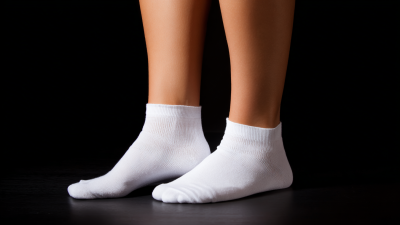
Hygienic trial socks play a critical role in various industries, particularly in healthcare and sports. Their main purpose is to provide protection against contamination while ensuring comfort and functionality. According to a recent market report from Statista, the global market for hygiene products is expected to reach over $200 billion by 2025. This growth underscores the rising importance of hygiene in consumers' daily lives.
In healthcare settings, hygienic socks help reduce the risk of infections. A study published in the Journal of Hospital Infection noted that wearing appropriate footwear can cut down the risk of hospital-acquired infections. However, the usage of trial socks should be scrutinized. Many consumers sometimes compromise on quality for cost, potentially leading to health risks. The importance of selecting the right material and design cannot be overstated as well.
For athletes, trial socks can improve performance and reduce the chance of blisters. A report by the American Podiatric Medical Association indicated that around 70% of athletes experience foot issues related to poor sock choices. It shows a gap in awareness about the significance of sock quality. Investing in superior materials can prevent injuries and enhance comfort. Yet, consumers often overlook this factor and may stick to familiar brands, which can be a missed opportunity for better health outcomes.
Key Features to Look for in Hygienic Trial Socks
When selecting hygienic trial socks, several key features should be considered. Material plays a critical role in comfort and safety. Breathable fabrics can prevent sweating. Moisture-wicking properties help keep feet dry. Look for socks made from soft, hypoallergenic materials. These are essential for sensitive skin, especially for children.
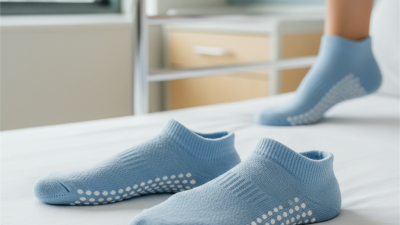
Another important factor is sizing. Proper fit reduces the risk of blisters and discomfort. Socks should not slip or bunch. Pay attention to the design for children’s trial socks. Some might offer extra support in the arch or heel. This can enhance stability during use. Reinforced toes and heels can extend the sock's lifespan.
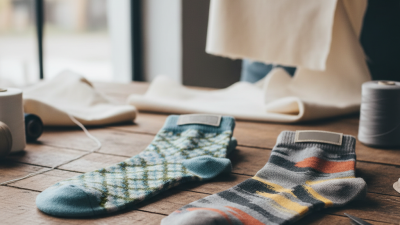
As you evaluate options, consider color and design. Fun patterns may appeal to children. This can encourage them to wear the socks regularly. However, aesthetic appeal should not overshadow functionality. Balancing style with utility is crucial. Reflect on your priorities. Are you choosing based on looks alone? Make sure the socks meet hygiene standards too.
Top 10 Hygienic Trial Socks for Global Buyers to Consider
| Socks Type | Material | Antimicrobial Properties | Breathability | Color Options | Price Range |
| Athletic Socks | Polyester Blend | Yes | High | Black, White, Grey | $10 - $20 |
| Compression Socks | Nylon, Spandex | Yes | Moderate | Beige, Black, Navy | $15 - $30 |
| Dress Socks | Cotton Blend | No | Low | Black, Brown, Burgundy | $8 - $15 |
| Trail Running Socks | Merino Wool | Yes | Very High | Variety of Colors | $20 - $35 |
| Outdoor Socks | Synthetic Blend | Yes | High | Olive, Grey | $12 - $25 |
| Heavyweight Socks | Wool Blend | No | Moderate | Charcoal, Navy | $15 - $28 |
| Kids' Socks | Cotton, Spandex | No | High | Multiple Colors | $5 - $10 |
| Hiking Socks | Acrylic Blend | Yes | High | Brown, Green | $18 - $30 |
| Sports Socks | Polyester | Yes | High | Bright Colors | $12 - $22 |
| Thermal Socks | Wool | No | Moderate | Grey, Black | $15 - $30 |
Top Brands for Hygienic Trial Socks in the Global Market
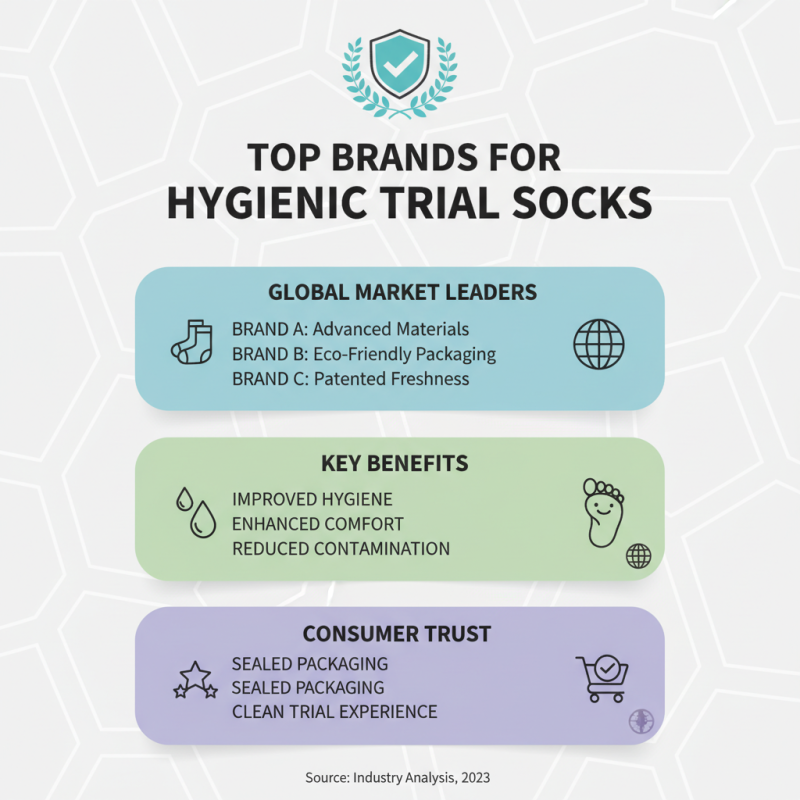
When exploring hygienic trial socks, several brands stand out in the global market. These brands focus on improving hygiene and comfort for users. Many of these socks come packaged in a way that limits contamination. Consumers appreciate products that ensure cleanliness, especially when trying before purchasing.
The use of a Portable Trial Socks Dispenser is becoming more common. This innovative solution allows customers to test socks while maintaining high hygiene standards. It ensures that each pair is untouched until needed. Some brands have implemented eco-friendly materials, contributing to a sustainable footprint. However, not all materials offer the same level of comfort and durability.
While most users seek the perfect balance between comfort and hygiene, preferences can vary greatly. Some may find that a specific fabric irritates their skin. Others might prefer thicker fabrics for warmth. The quest for the ideal fit often leads to mixed results. It's essential to look for brands with a reputation for quality and reliability, but personal experiences will always differ.
Material Composition and Its Impact on Hygiene
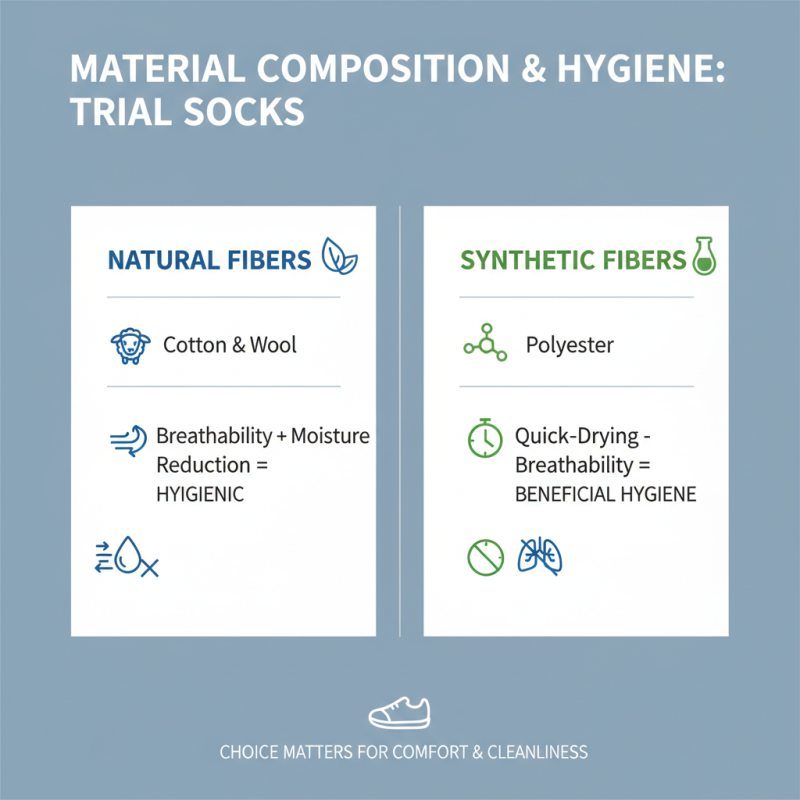
Material composition plays a vital role in the hygiene of trial socks. Selecting the right materials can significantly impact comfort and cleanliness. Natural fibers, like cotton and wool, allow breathability. They can reduce moisture, which promotes a hygienic environment. Synthetic options, such as polyester, also offer quick-drying features, which are beneficial for hygiene but may lack breathability.
The weave and texture are equally important. A dense weave prevents debris from getting inside. This can help maintain a sterile environment during trials. However, overly thick materials may cause discomfort. This balance is critical. Testing different compositions can reveal surprising results in hygiene levels. Sometimes, a compromise on fabric quality leads to better performance.
Further, the finish treatments used on socks cannot be overlooked. Anti-microbial treatments can be helpful. Yet, some treatments may cause skin irritation for sensitive users. Ultimately, understanding material compositions allows for informed choices. The right sock can enhance trial experiences while maintaining optimal hygiene. Experimentation is necessary to find the best fit for various needs and preferences.
Consumer Feedback and Reviews on Hygienic Trial Socks
When exploring hygienic trial socks, consumer feedback plays a crucial role. Many buyers appreciate socks that combine comfort with hygiene. Reviews often highlight materials that absorb moisture well, keeping feet dry. They also mention how well these socks fit, which enhances the overall experience.
However, not every product is flawless. Some users report issues like limited sizes or inadequate packaging. These are areas worth improving for hygiene-focused brands. Word-of-mouth from other consumers emphasizes the importance of quality. Trusted Hygienic Disposable Socks Suppliers can guide buyers in finding the best options based on real experiences.
It's also noted that packaging can affect perception. Eco-friendly options often receive positive remarks. But, some consumers feel confusion over washing guidelines. Clear instructions can bridge this gap. The feedback emphasizes the importance of transparency and communication in the hygiene sector. Understanding consumer needs can lead to better products and increased trust in hygienic disposable socks suppliers.
Pricing Trends for Hygienic Trial Socks Worldwide
Pricing trends for hygienic trial socks reveal valuable insights for global buyers. Recent market reports indicate that the demand for hygienic trial socks has surged by over 15% annually. This growth reflects increased awareness of hygiene standards worldwide. A survey showed that 72% of consumers prioritize hygiene when purchasing socks.
Manufacturers are adjusting their pricing strategies accordingly. Typically, basic hygienic socks range from $5 to $10 per pair. Meanwhile, premium options can extend beyond $20. The price variations largely depend on the materials used and the level of antimicrobial protection offered. Industry data points to a shift towards natural fibers, which often command a higher price but appeal to environmentally conscious consumers.
Trade statistics from the last quarter showed that premium segments are gaining traction. However, prices can fluctuate due to supply chain challenges. Import tariffs and raw material shortages have led to a 10% price increase for some manufacturers. Consequently, buyers must remain vigilant about market changes. Exploring different suppliers can uncover better deals, but quality should never be compromised.
Guide to Sourcing Hygienic Trial Socks for International Buyers
When sourcing hygienic trial socks, international buyers should prioritize quality and safety. Recent market reports indicate that over 70% of consumers are concerned about hygiene in clothing. This growing awareness drives demand for hygienic socks, which often undergo strict testing for bacterial resistance and material quality. Understanding these factors can greatly aid in selecting the right Hygienic Socks Wholesale Supplier.
Buyers should look for suppliers that provide certifications for hygiene standards. Many reputable hygienic socks wholesale suppliers offer third-party testing results. This ensures the socks meet global safety standards. Additionally, suppliers should disclose materials used. Bamboo and organic cotton are popular choices due to their natural anti-bacterial properties.
However, not all suppliers maintain high standards. Some may prioritize cost over quality. Thus, it’s crucial to conduct thorough research. Engaging with multiple suppliers can help verify their credibility and practices. Taking the time to gather enough information can prevent potential risks associated with low-quality products. The right partner can significantly impact the overall satisfaction of end consumers, making sourcing decisions even more critical.
Top 10 Hygienic Trial Socks for Global Buyers
Conclusion
Hygienic Trial Socks are essential for maintaining foot health and comfort during various activities. This article provides an overview of their significance and highlights the key features to consider when choosing the right pair. It delves into the impact of material composition on hygiene, ensuring that buyers understand the importance of fabric choices in preventing foot-related issues.
Additionally, consumer feedback plays a crucial role in assessing sock performance, while pricing trends offer insights into global market patterns. For international buyers, the article serves as a guide for sourcing Hygienic Trial Socks, outlining effective strategies to acquire quality products that meet hygiene standards. Overall, the importance of these socks in promoting foot hygiene and comfort cannot be overstated, making them a worthwhile investment for consumers worldwide.

 Trampoline Socks
 Aqua Park Socks
 Hospital Slipper Socks
 Grip Football Socks
 Basketball Socks
 Badminton Socks
 Cycling Socks
 Running Socks
 Disposable Socks Bowling Alley Socks
 Disposable socks
 Warm Colorful Striped Crew Socks for Women
 Custom Unisex Crew Socks Breathable Socks
 Digital Printing Vintage Crew Socks
 Animal Fuzzy Cartoon Crew Socks for Women
 Cotton Flower Ankle Socks Low Cut Socks
 Thick Christmas Festival Crew Socks
 Cotton Cute Anti Slip Baby Ankle Socks with Cartoon
 Colorful Soft Baby Socks Anti-slip
 Non Slip Soft Ankle Baby Toddlers Socks
 Cartoon Baby Socks With Grips Crew Walking Socks
 Baby Socks Floor Grip Mid-tube Socks with Cartoon