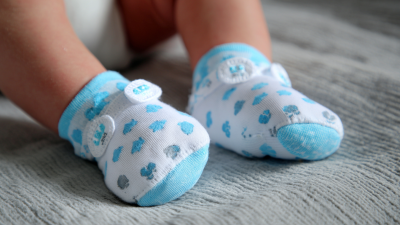
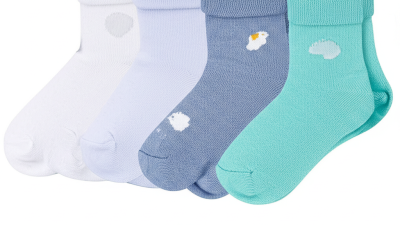
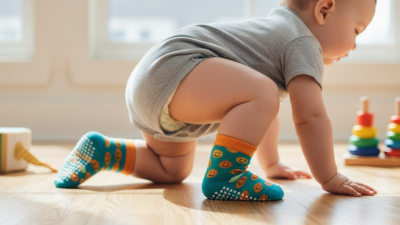
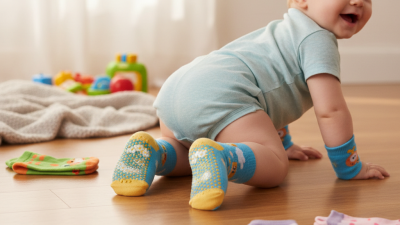
When it comes to keeping your little ones safe, picking out the right Baby Anti-Slip Socks is super important — but honestly, a lot of parents don’t pay enough attention to this. These socks might seem like a small detail, but they can really make a difference as your kid starts to explore their world. The perfect pair isn’t just comfy; it’s all about giving your munchkin a bit of security during those first shaky steps.
Think about how often babies stumble or wobble — their tiny feet can slide on smooth floors so easily. That’s exactly when good anti-slip socks come in clutch. They usually have rubber or silicone grips on the soles, giving those little feet the traction they need to avoid slipping. Not every sock is up to safety standards, though — some wear out way too fast or just aren’t reliable. That’s why choosing something durable is totally worth it, so you can breathe a little easier.
Honestly, I get it — with so many options out there, it can feel a bit overwhelming. But try not to stress about that. The main thing is to focus on quality materials, a good fit, and strong grip. Remember, the goal is to support your curious little explorer while making sure they stay safe. Because, let’s be real, every step they take is a step forward in their growth journey — and you want to be there, cheering them on (and keeping them steady) every single time.
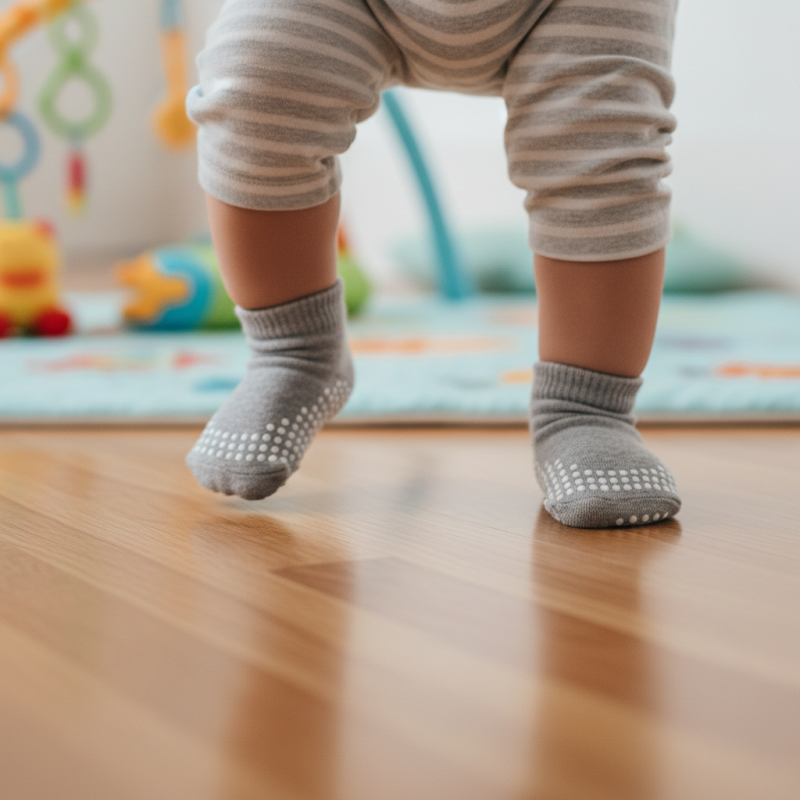
Understanding the Importance of Anti-Slip Socks for Babies
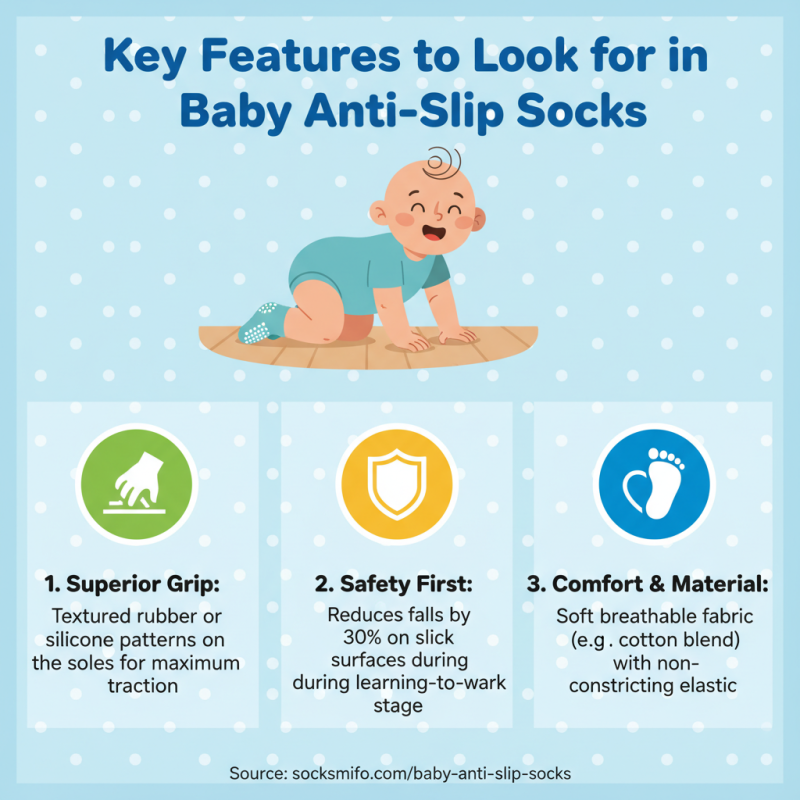
When it comes to keeping babies safe, choosing the right footwear is crucial. Anti Slip Baby Socks are designed to provide traction, helping little ones who are learning to crawl or walk. Babies often slip on smooth surfaces, which can lead to falls and injuries. These socks can offer support and stability as they explore their surroundings.
It’s important to consider the material of the socks. High-quality fabrics, like cotton blends, can enhance grip while providing comfort. However, not all materials are created equal. Some may lose their anti-slip properties after washing. Testing the socks on different surfaces before relying on them can ensure safety.
Moreover, fit and design play a role in effectiveness. Socks that are too loose may slide off, while those that are too tight can restrict movement. Observing how your baby wears the socks can reveal if they contribute to stability or hinder it. If you notice a lack of grip, reflecting on the design may lead to a better choice. Ultimately, ensuring your baby's safety while allowing freedom of movement is what matters most.
Top 5 Tips for Choosing Baby Anti-Slip Socks for Safety
| Tip | Description | Material | Size Options | Grip Type |
| Choose the Right Size | Ensure a proper fit to avoid slips and discomfort. | Cotton Blend | 0-12 Months, 1-2 Years | Silicone Grips |
| Non-Slip Grip Technology | Look for socks with textured bottoms to enhance grip. | Polyester | 12-24 Months, 2-3 Years | Rubberized Grips |
| Breathable Material | Choose breathable fabrics to prevent sweat and odor. | Bamboo, Cotton | 0-6 Months, 6-12 Months | Textured Patterns |
| Easy-On Design | Select socks with elastic or stretchy openings for convenience. | Spandex Blend | 2-4 Years, 4-6 Years | Anti-Slip Dots |
| Durability and Washability | Select socks that can withstand frequent washing without losing grip. | Nylon Blend | All Sizes Available | Microfiber Bristles |
Choosing the Right Material for Baby Anti-Slip Socks
When selecting anti-slip socks for babies, the material is crucial. Soft cotton blends are popular for comfort. They allow breathability, keeping tiny feet dry. However, some cotton options may slip too easily. Look for materials with added grip, enhancing safety during play.
Consider bamboo fibersas an alternative. They offer natural moisture-wicking abilities. Bamboo Socks tend to be hypoallergenic, perfect for sensitive skin. However, some parents find them more expensive. Not all bamboo socks provide the same level of grip, so testing is essential.
Remember to examine the sock’s thickness. Thicker socks can restrict movement, while thinner ones may not offer enough warmth. Balance is key. Comfort should not compromise safety. Choosing the right material might require experimenting with different options. Each baby is unique, and preferences may vary.
Sizing Guide: How to Ensure a Perfect Fit
When selecting Baby Socks Anti-Slip, the right size is crucial for safety and comfort. Too tight and they might restrict movement. Too loose, and they can slide off easily, posing a tripping hazard. Measure your baby's foot accurately. Use a ruler or tape measure. Take note of both length and width. Ensuring the perfect fit prevents unnecessary slips during playtime.
When trying on the socks, check for flexibility. They should allow your baby to move their toes freely. A snug fit is ideal, but the socks mustn't constrict. Look for materials that stretch slightly. Cotton blends are often a good choice. Keep in mind that babies grow quickly. Regularly reassess the fit every few months.
Don't overlook the importance of grip. Baby Socks Anti-Slip have rubberized patterns on the soles. These patterns enhance traction on slippery floors. However, ensure they do not compromise the sock's overall comfort. Achieving the right balance is key. Pay attention to how your baby adjusts to wearing them. Observe any signs of discomfort or distraction.
Top 5 Tips for Choosing Baby Anti-Slip Socks for Safety
This chart illustrates the top five considerations when selecting baby anti-slip socks to ensure safety and comfort, along with their importance rating based on user feedback.
Design and Style Considerations for Baby Anti-Slip Socks
When selecting baby anti-slip socks, design and style play a crucial role. Parents often seek colorful patterns that catch their baby’s eye. Bright colors can engage babies, making the socks more appealing. Patterns like animals or stars add fun to functionality. Yet, one should consider whether these designs also enhance grip.
The material used is equally important. Look for soft, breathable fabrics that prevent overheating. A snug fit is essential; socks that are too loose can pose a safety hazard. Some designs might have seams that irritate a baby's delicate skin. It's wise to inspect the construction closely. Check for non-slip grips on the soles, as they provide traction on slippery surfaces.
Parents should also reflect on ease of wear. Socks with elastic bands are easier to put on and stay in place. However, not all elastic is created equal. Some may be too tight, leaving marks on tiny ankles. Understanding these nuances can help parents make informed choices. The perfect balance of safety and style can make a significant difference for little explorers.
Maintaining and Caring for Baby Anti-Slip Socks
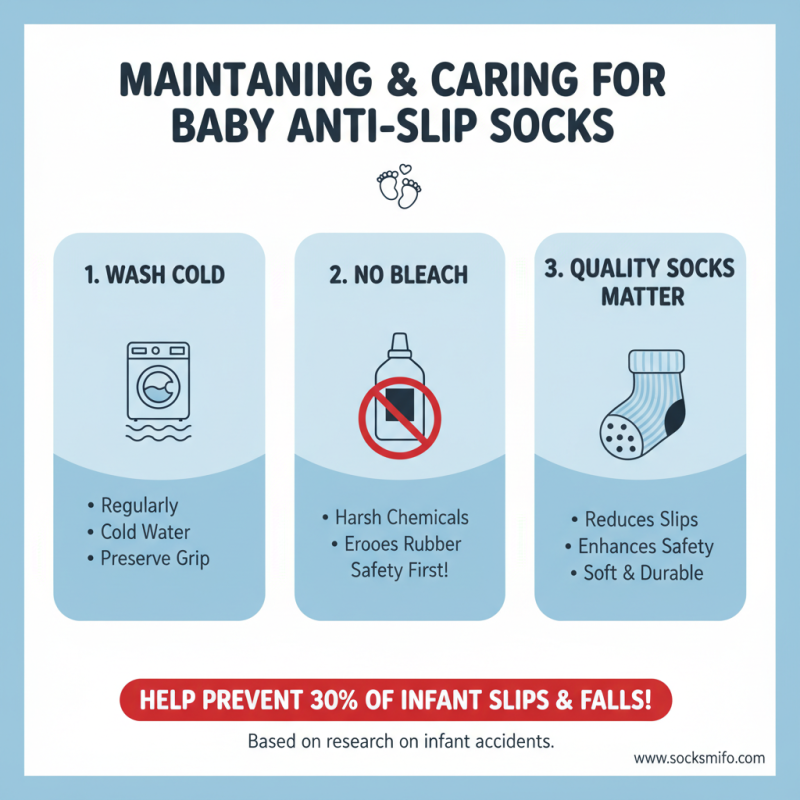
When it comes to caring for Baby Anti Slip Socks, keeping them clean and in good condition is crucial for safety. According to research, nearly 30% of accidents involving infants occur from slips and falls. Selecting high-quality socks is important, but maintenance also plays a large role in effectiveness. Wash them regularly in cold water to preserve grip features. Avoid bleach; harsh chemicals can erode the rubber grips essential for safety.
Additionally, proper drying methods are essential. Air drying is recommended to retain the elasticity of Baby Anti Slip Socks. Many parents overlook the fact that using a dryer can warp the fabric and decrease friction. A report by the American Academy of Pediatrics highlights the importance of softness and grip. Socks should be free of pilling or damage. Regularly check for wear and tear, replacing them as needed.
Another aspect to consider is the storage of Baby Anti Slip Socks. Keeping them in a breathable bag can prevent odors and maintain their shape. Don’t leave them in damp places. Moisture promotes bacteria, posing health risks. Following these tips ensures safety while allowing your little one to explore confidently.
Where to Buy Quality Baby Anti-Slip Socks
When selecting baby anti-slip socks, finding quality options is crucial for safety. Look for socks made from breathable materials. Cotton blends offer comfort. Some studies suggest that up to 30% of toddlers can slip and fall when walking on smooth surfaces. Quality socks can significantly reduce this risk.
Local boutiques often carry unique selections of baby anti-slip socks. Visiting them allows parents to check materials and non-slip features. Online retailers also provide convenience and variety. According to industry reports, nearly 70% of parents prefer shopping online for baby essentials, including socks. However, always check reviews before making a purchase.
Look for certifications from safety organizations. Not all socks are created equal. Some may lack adequate grip. A pair of socks that doesn’t meet safety standards won’t protect your child effectively. Take the time to find the right pair. Your child’s safety is paramount, and investing in quality is more important than convenience alone.
Conclusion
When choosing Baby Anti-Slip Socks, safety should be a top priority. These socks are essential for providing toddlers with traction as they learn to walk, helping to prevent slips and falls. When selecting the right pair, consider key features such as non-slip grips, appropriate materials that offer comfort and breathability, and a correct sizing guide to ensure a snug fit. Additionally, parents should think about design and style to match their little one’s personality while also making sure the socks are easy to maintain and care for.
For the best selection, look into various sources that offer quality Baby Anti-Slip Socks, ensuring they adhere to safety standards and provide lasting durability. Remember that well-chosen socks not only support mobility but also contribute to your baby's overall comfort and happiness during their early walking stages.

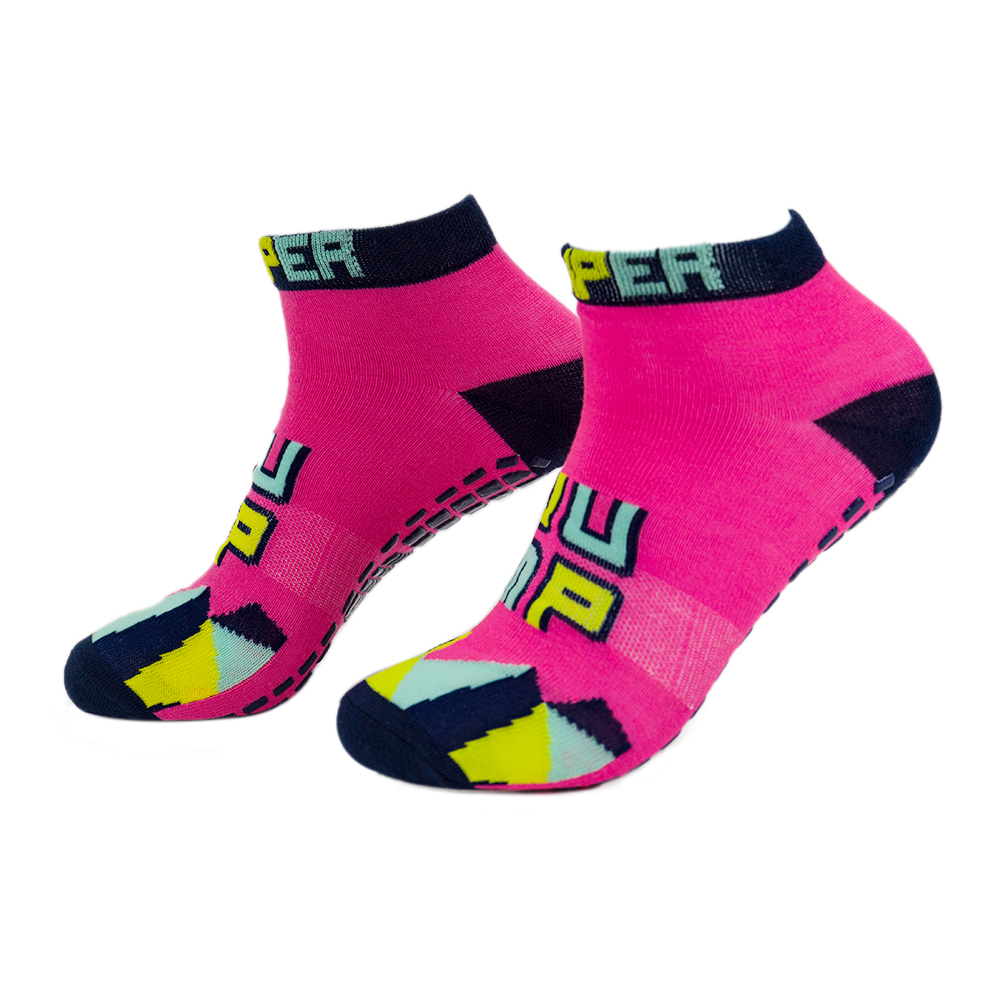 Trampoline Socks
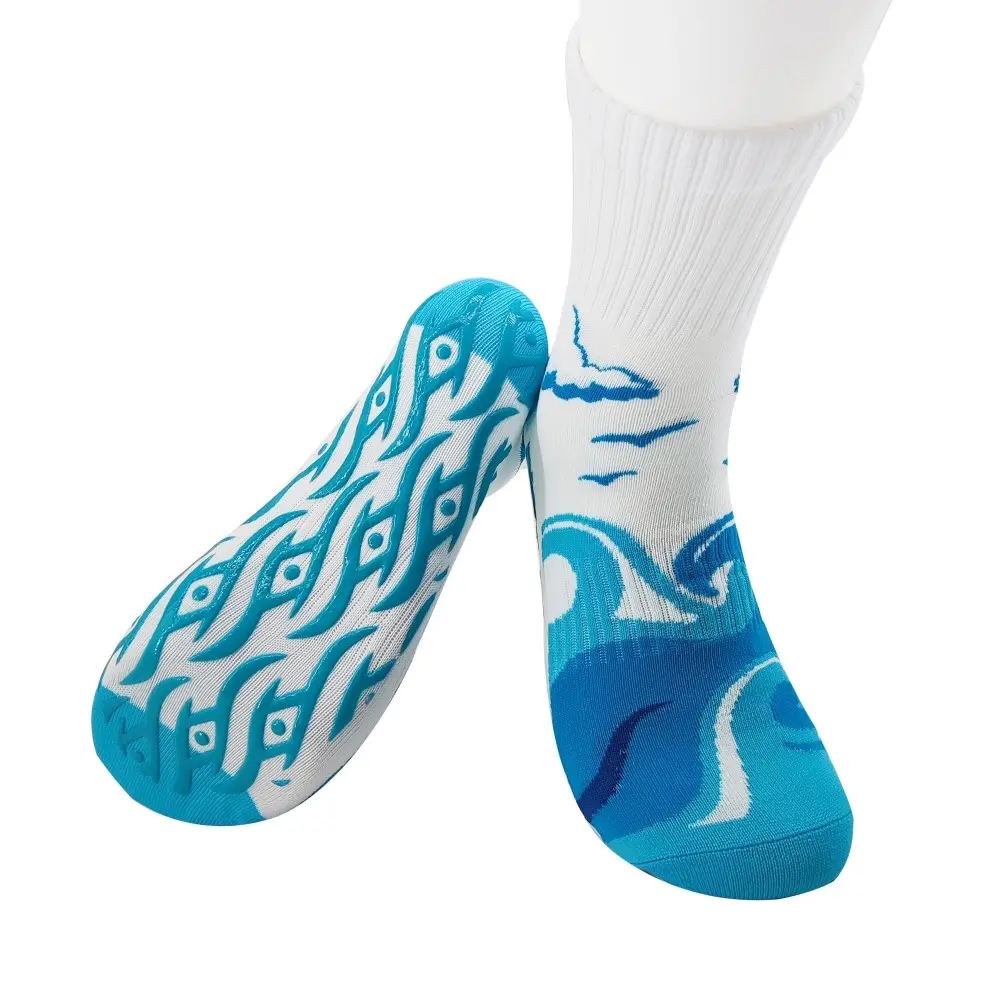 Aqua Park Socks
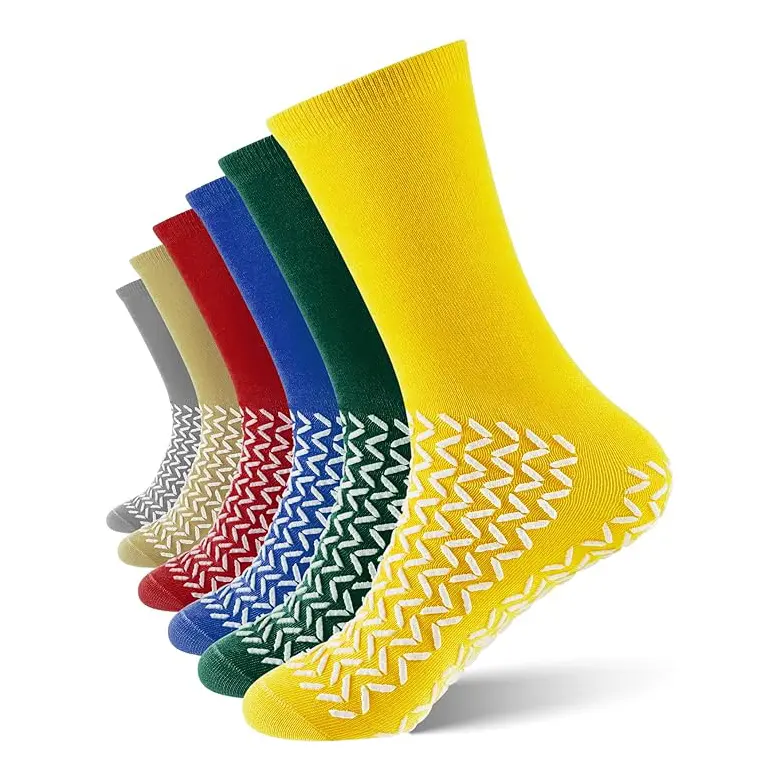 Hospital Slipper Socks
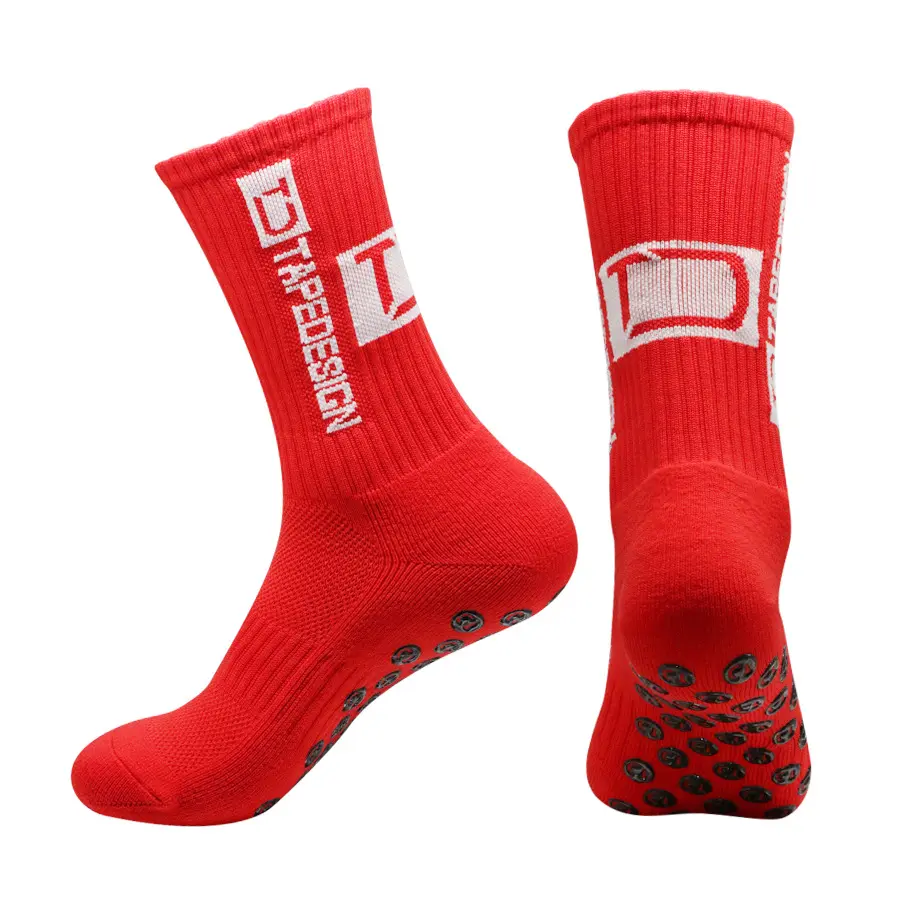 Grip Football Socks
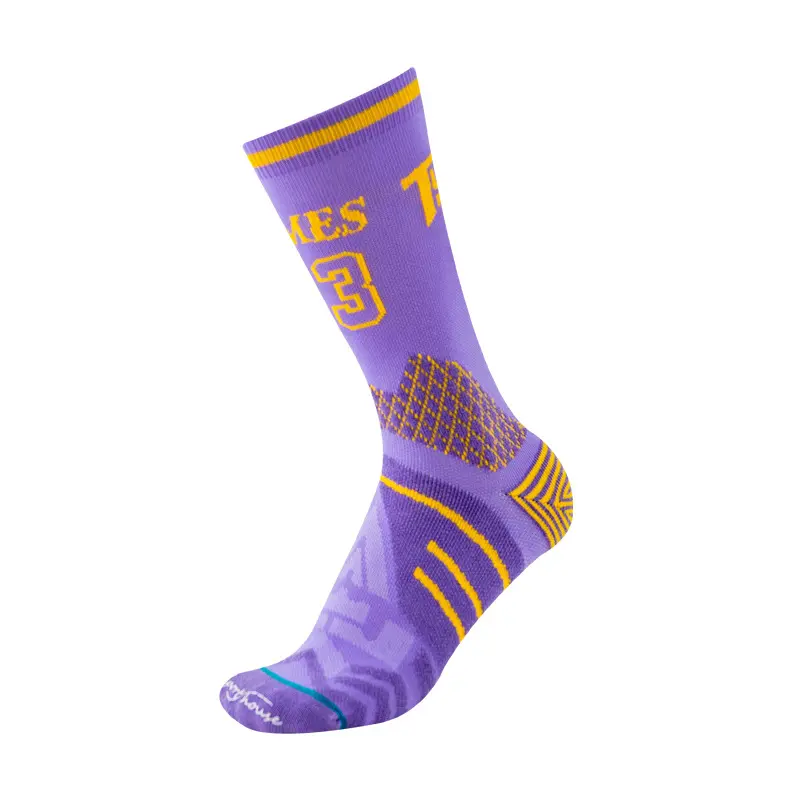 Basketball Socks
 Badminton Socks
 Cycling Socks
 Running Socks
 Disposable Socks Bowling Alley Socks
 Disposable socks
 Warm Colorful Striped Crew Socks for Women
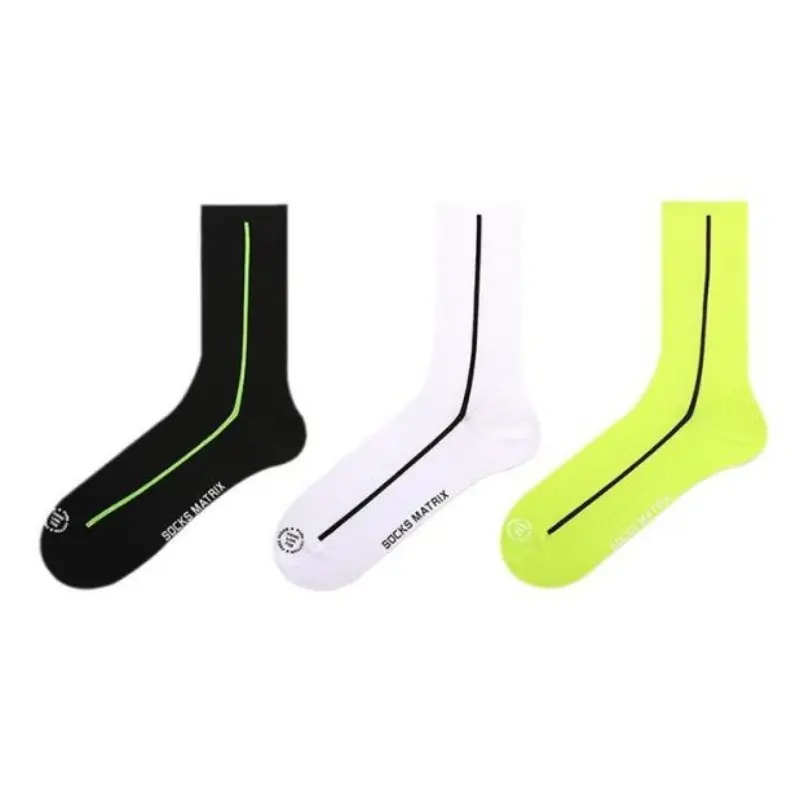 Custom Unisex Crew Socks Breathable Socks
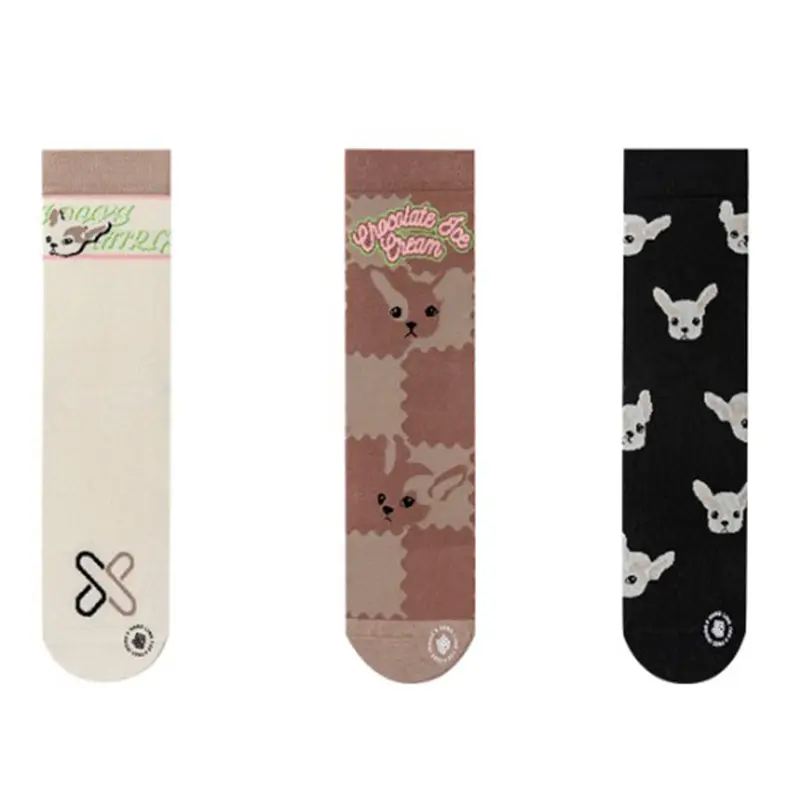 Digital Printing Vintage Crew Socks
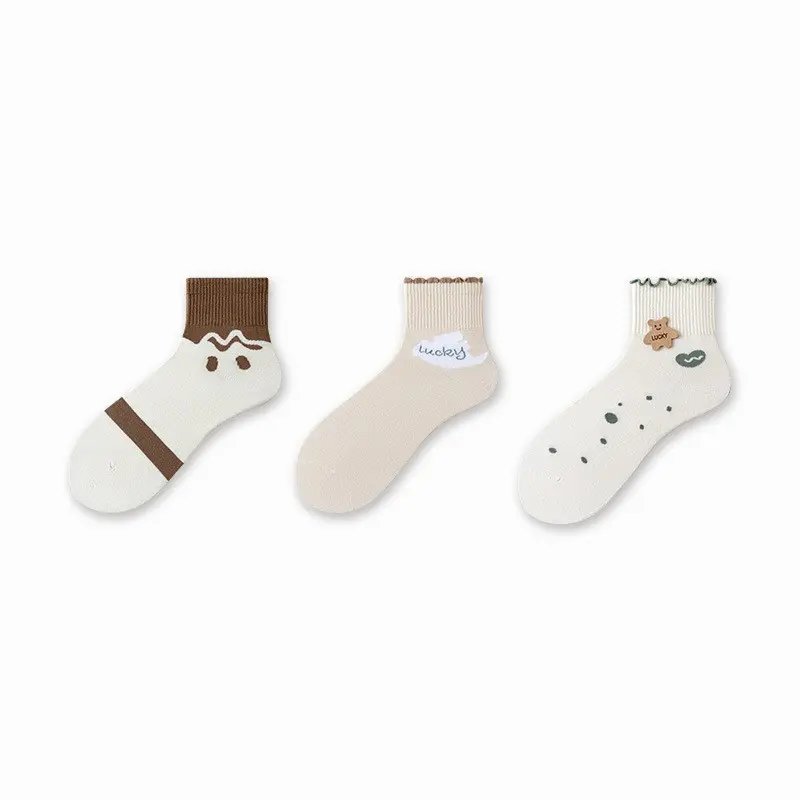 Animal Fuzzy Cartoon Crew Socks for Women
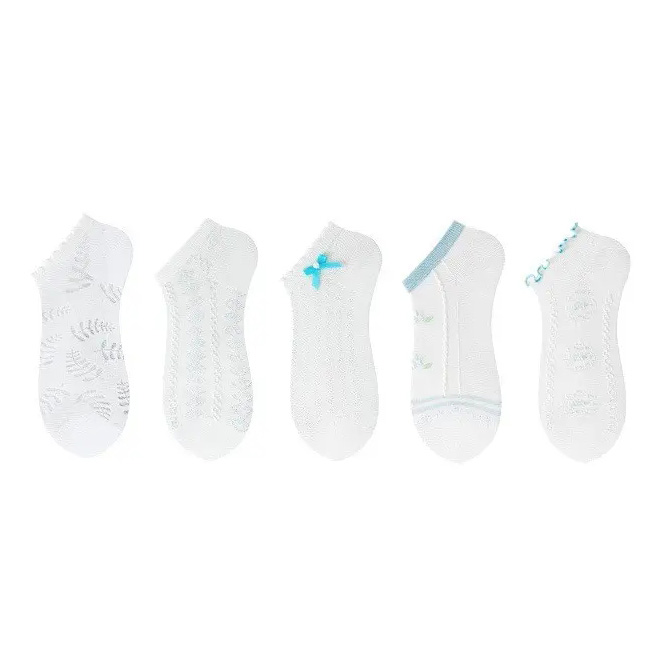 Cotton Flower Ankle Socks Low Cut Socks
 Thick Christmas Festival Crew Socks
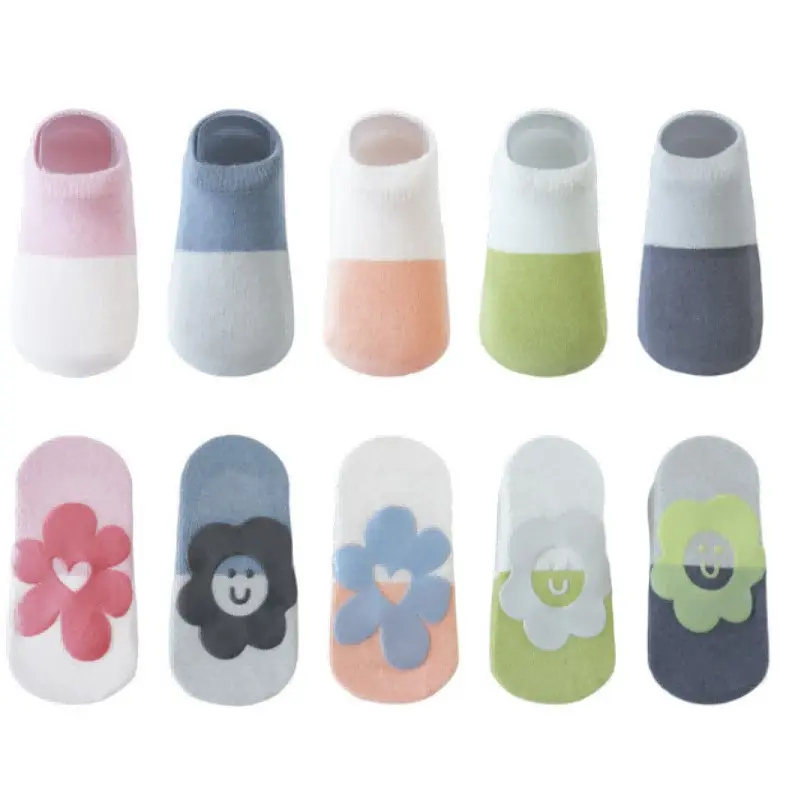 Cotton Cute Anti Slip Baby Ankle Socks with Cartoon
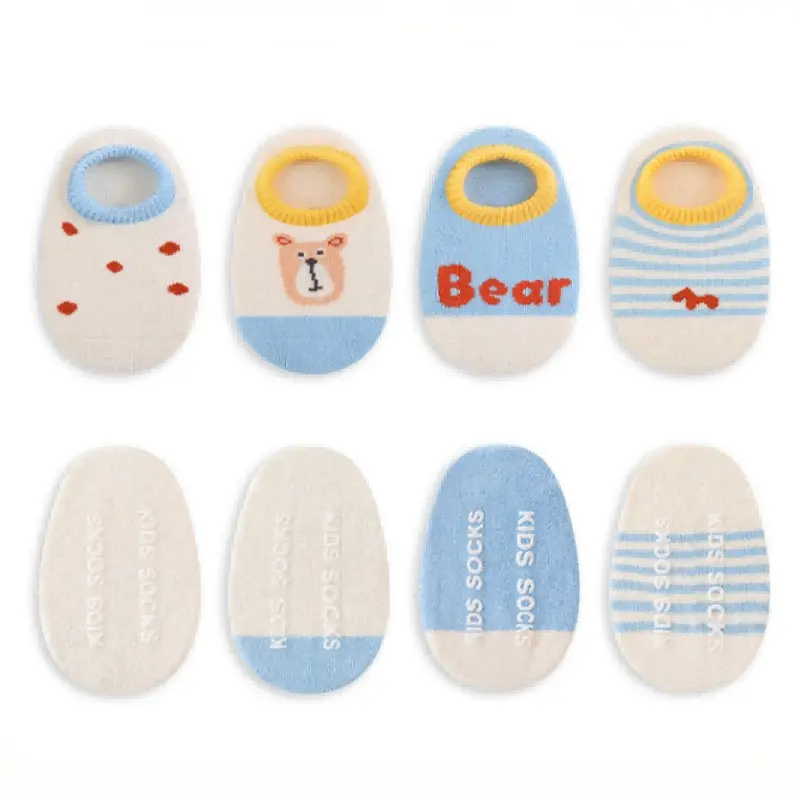 Colorful Soft Baby Socks Anti-slip
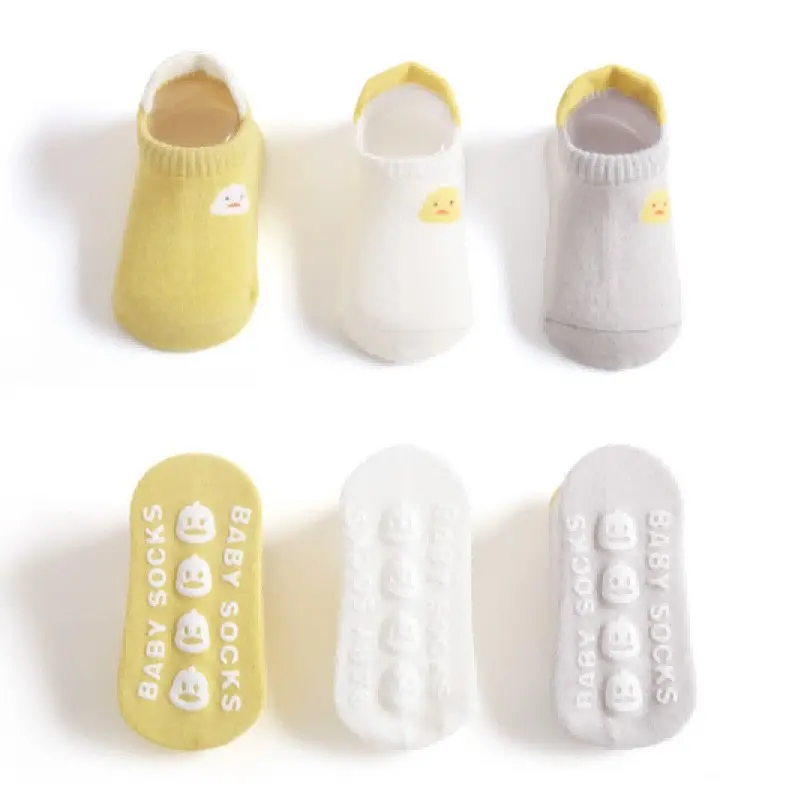 Non Slip Soft Ankle Baby Toddlers Socks
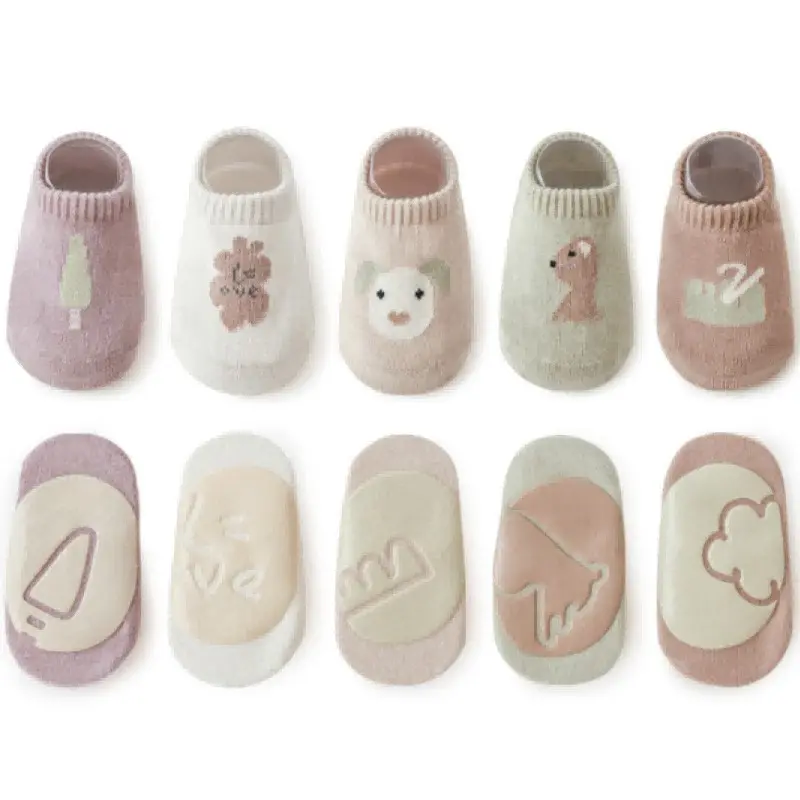 Cartoon Baby Socks With Grips Crew Walking Socks
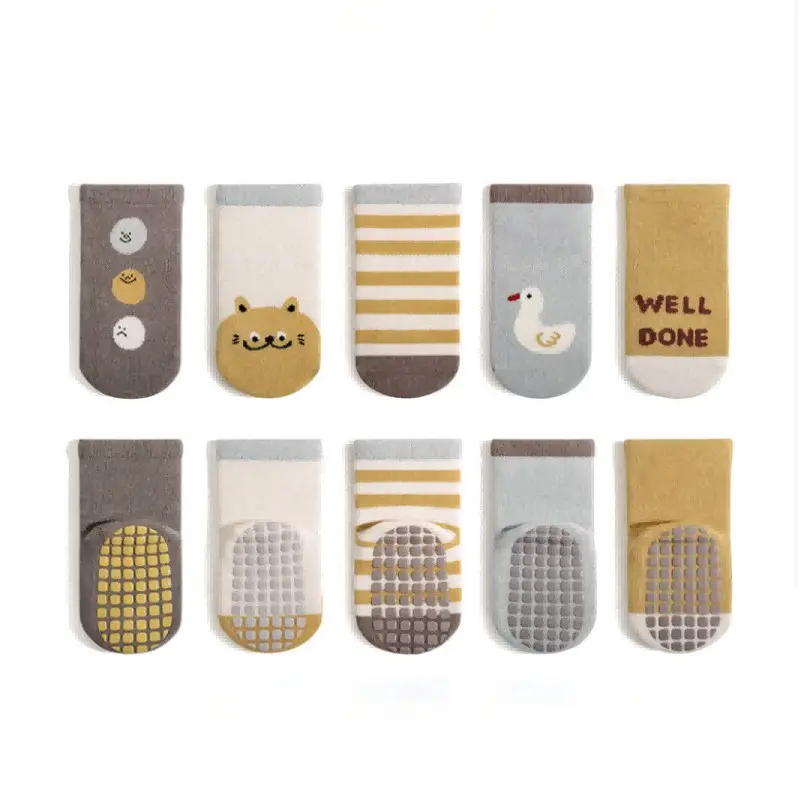 Baby Socks Floor Grip Mid-tube Socks with Cartoon