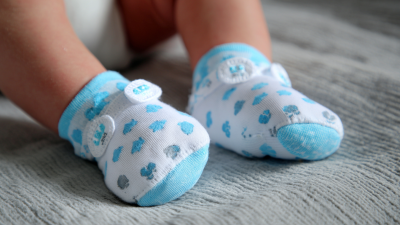
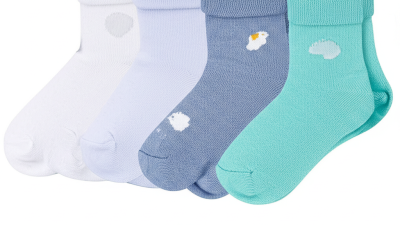
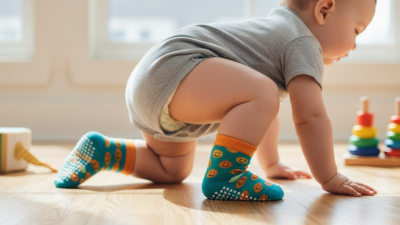
Picking out the right Baby Anti-Slip Socks is a pretty important step when it comes to keeping your little one safe and comfy. These socks are great because they help prevent those tricky slips and falls — kinda like giving your baby a soft, warm safety net while they’re exploring their surroundings. And let’s be honest, a splash of fun colors and cute designs can make putting them on a lot more enjoyable for both of you!
Now, I get it — the market is packed with options, and it can feel kinda overwhelming. Some brands might focus more on looking cute than actually providing good grip, which is a risky game. So, it’s best to look for socks with solid non-slip grips that really stick well, but at the same time, are easy to take off when needed.
Investing in a decent pair of Anti-Slip Baby Socks can actually save you from those little accidents that happen along the way. Think about what’s most important — comfort, durability, safety — those should definitely be your top priorities. It’s a simple choice, but one that can really make a difference in your baby’s little adventures.
Top Baby Anti-Slip Socks: An Overview of Safety and Design Principles
When selecting anti-slip socks for babies, safety and design are crucial. Babies often explore their environment by crawling and walking. This exploration can lead to falls, which is why anti-slip socks are essential. According to a market report, about 70% of parents believe that non-slip features significantly enhance safety for toddlers. These socks usually feature rubberized soles that provide better traction. This prevents slipping on various surfaces, leading to fewer accidents.
The design of anti-slip socks plays a role in both comfort and appeal. Many options come in bright colors and fun patterns. This not only makes them attractive but also encourages children to wear them. However, it’s important to ensure they are breathable and made with soft materials. A study revealed that up to 60% of parents reported their children preferred socks that felt comfortable. Some socks may not stretch well or might irritate the skin, so careful selection is key.
While many products promise safety, not all live up to expectations. Parents should check for certifications to ensure quality. A lack of proper insulation can lead to cold feet in colder months. Another point of concern is durability; socks that wear out quickly lose their effectiveness. Parents must weigh these aspects, ensuring that both style and safety are considered.
Understanding the Benefits of Anti-Slip Socks for Infant Mobility
As babies start to explore their surroundings, mobility becomes crucial. Anti-slip socks play an important role in fostering this development. They provide traction, helping infants maintain balance as they learn to walk. According to a recent report, nearly 40% of parents notice fewer slips and falls when their babies wear anti-slip socks. This statistic highlights the importance of safety during this vulnerable stage.
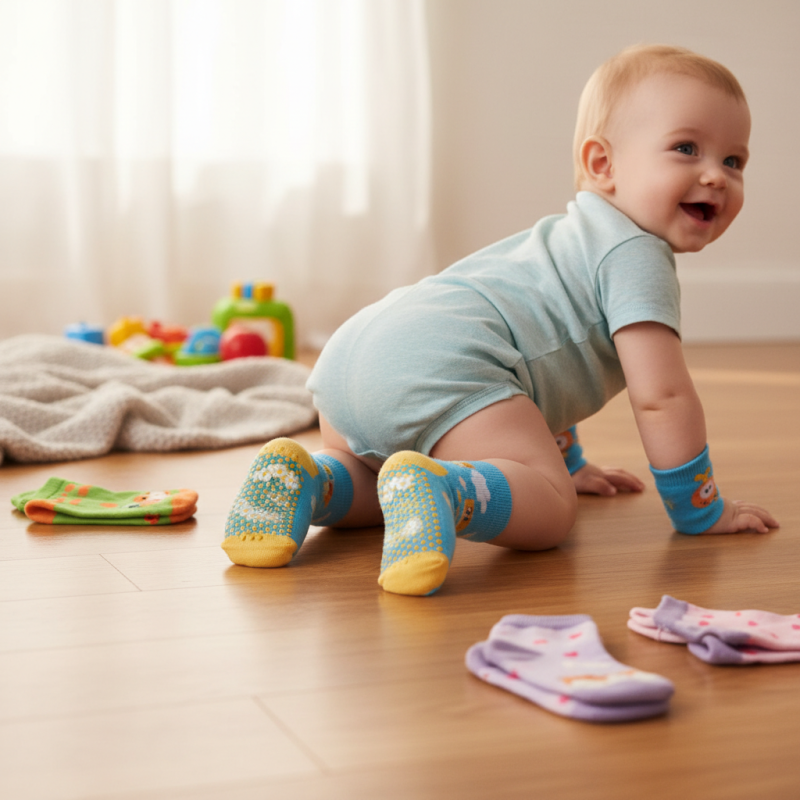
These socks typically feature rubberized grips on the soles. This design gives infants the stability they need on slippery surfaces. Experts have found that babies who wear anti-slip socks tend to crawl and walk earlier. Encouraging movement when they feel secure is essential. Some might argue that regular socks could suffice, but the added grip from anti-slip options clearly offers a significant advantage.
However, not all anti-slip socks are made equal. Parents should consider the fit and material. Sometimes, overly tight socks can restrict movement. It's worth noting that some designs lose their grip after multiple washes. Careful selection is vital. Overall, Anti-Slip Baby Socks are an essential tool for supporting infant mobility as babies grow and develop.
Key Features to Look for in High-Quality Anti-Slip Socks for Babies
When choosing high-quality Baby Anti-Slip Socks, several features are key to ensuring safety and comfort. The material should be breathable yet durable. Cotton blends often provide a cozy feeling while allowing for flexibility. According to a recent industry report, over 70% of parents prioritize material quality when selecting socks for their children. This highlights the importance of investing in well-made products.
Another crucial feature is the grip. Anti-slip soles are essential. They help prevent slips on smooth surfaces. Look for rubberized patterns that offer optimal traction. Research indicates that babies are less likely to fall when wearing socks designed with superior grip. Additionally, the fit matters. Socks that are too tight can restrict circulation. Those too loose may slip off easily. Balanced sizing enhances comfort and effectiveness.
Parents often overlook design. While functionality is critical, aesthetics also play a role in a child's acceptance of these socks. Bright colors and fun patterns can make Baby Anti-Slip Socks more appealing. A survey found that 60% of kids preferred socks with vibrant designs. This fosters a positive experience around wearing them. As caregivers, reflecting on these aspects can lead to better choices for safety and enjoyment.
Comparative Analysis of Top Brands and Their Anti-Slip Technology
When considering Baby Socks Anti-Slip options, a detailed comparative analysis reveals significant differences in technology. According to a recent market analysis, around 65% of parents cite safety as their top concern when selecting socks for their infants. This insight drives the demand for advanced non-slip features in baby socks.
Various brands employ different methods to enhance grip and stability. Some utilize silicone patterns, while others favor rubberized coatings. A study by Safety. Org found that socks with textured surfaces reduce slip risks by up to 40%. Yet, not all brands ensure consistency in their anti-slip performance. Observations show that some socks wear out quickly, losing their grip after a few washes, leaving parents dissatisfied.
In addition, comfort should not be overlooked. While a pair may boast excellent anti-slip properties, they must also be soft and breathable. Fabrics like cotton blend with elastic materials are widely recommended. However, some products may compromise on comfort for enhanced traction. Parents need to critically assess these factors to find the best balance. Ultimately, the right Baby Socks Anti-Slip option must prioritize both safety and comfort for active little explorers.
Industry Insights: Market Growth and Consumer Preferences in Baby Socks
The baby socks market is growing rapidly. A recent report shows a 10% annual growth rate, driven by increasing awareness of child safety. Parents are keen on products that can help prevent slips and falls. Baby Anti Slip Socks are gaining popularity for their practicality and comfort.
Consumer preferences also reflect a shift towards eco-friendly materials. Parents want safe, sustainable options for their children. According to industry data, over 65% of buyers prioritize natural fabrics. This trend indicates a stronger demand for products that are not only functional but also environmentally conscious.
However, not all brands are meeting these expectations. Some products still use synthetic materials that lack breathability. This inconsistency can affect customer trust. Parents remain cautious when choosing Baby Anti Slip Socks. They seek reliable information before making a purchase. Brands must pay attention to these concerns to stay competitive in the market.
Expert Recommendations: Best Anti-Slip Socks for Different Age Groups
When choosing anti-slip socks for babies, age matters. For infants and toddlers, comfort is key. Look for soft materials that won't irritate delicate skin. Anti-slip grips on the soles should be effective yet gentle. They need to allow for natural movement and flexibility.
For older children, functionality and design become important. Kids are active and need socks that stay put. Choose options with fun patterns or bright colors. This can encourage them to wear them more. However, finding the perfect pair is not easy. Some socks may slip off too easily or don’t provide enough grip.
Consider the fit as well. Socks that are too tight can be uncomfortable. Too loose, and they might not do their job. Parents often have mixed results with various styles. It can be hard to find the ideal balance between safety and comfort. Each age group has different needs, making the search even more challenging.
Top Baby Anti-Slip Socks 2026: Benefits and Best Options
This chart illustrates the popularity scores of anti-slip socks across different baby age groups in 2026. Higher scores indicate a greater preference among parents for those specific age categories.
Safety Standards and Testing Methods for Baby Anti-Slip Socks in 2026
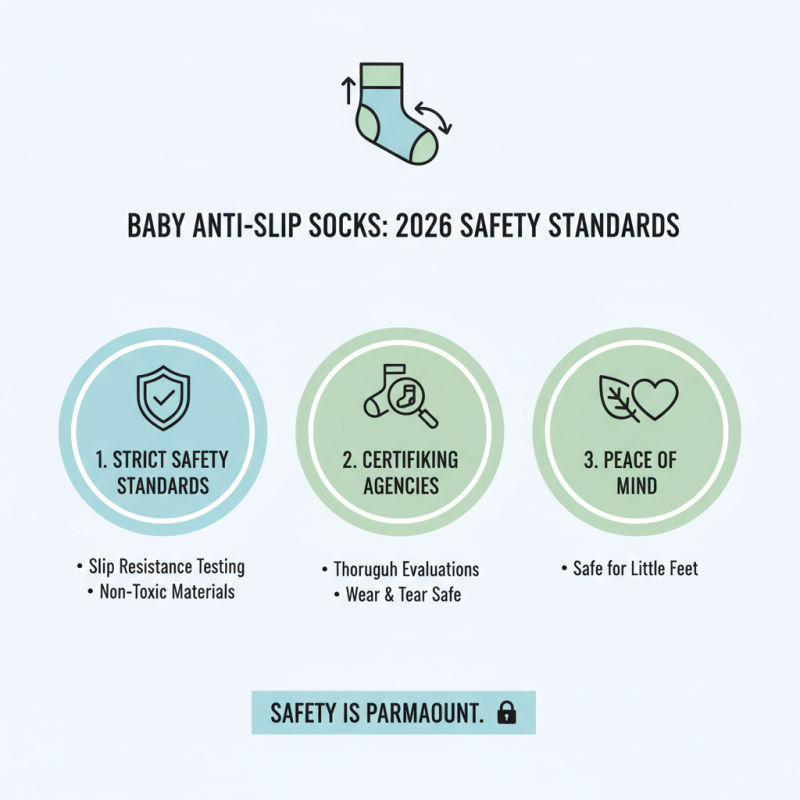
When choosing baby anti-slip socks in 2026, safety is paramount. Manufacturers must adhere to strict safety standards. These standards often include testing for slip resistance and the use of non-toxic materials. Certifying agencies conduct thorough evaluations. They ensure that the socks can withstand typical wear and remain safe for little feet.
Tips: Always look for certified products. Check for labels indicating compliance with safety testing. It’s essential to prioritize materials that are gentle on sensitive skin. Soft cotton blends can enhance comfort.
Testing methods are crucial in determining the effectiveness of anti-slip socks. Labs perform grip tests on various surfaces. They assess how well the socks prevent slipping. This process helps ensure that your baby can explore safely. Additionally, be mindful of the fit. Socks should not be too tight, which can cause discomfort. They also shouldn't be too loose, as this may lead to trips and falls.
FAQS
: The article discusses various topics related to daily life. It offers advice and insights.
Start small. Try changing one habit at a time. Consistency matters more than big changes.
Focus on self-awareness and setting clear goals. Reflect on your progress regularly.
Prioritize tasks each day. Use lists or apps to stay organized. Avoid distractions.
Engage in activities you enjoy. Connect with others and practice mindfulness regularly.
Yes, mistakes are part of learning. Reflect on what went wrong and try again.
Conclusion
The article "Top Baby Anti-Slip Socks 2026" provides a comprehensive overview of the critical features and benefits associated with Baby Anti-Slip Socks. It emphasizes the importance of safety and design principles that ensure optimal infant mobility, highlighting how these socks help prevent slips and falls as babies start to explore their environment. Readers will gain insights into the key features to look for, such as material quality, grip technology, and fit.
Additionally, the article includes a comparative analysis of various brands, focusing on their unique anti-slip technologies and user preferences. It discusses market trends and consumer insights that are shaping the demand for Baby Anti-Slip Socks, along with expert recommendations tailored for different age groups. The examination of safety standards and testing methods further underscores the necessity for parents to choose high-quality products that meet industry regulations, ensuring their children's safety while they're on the move.

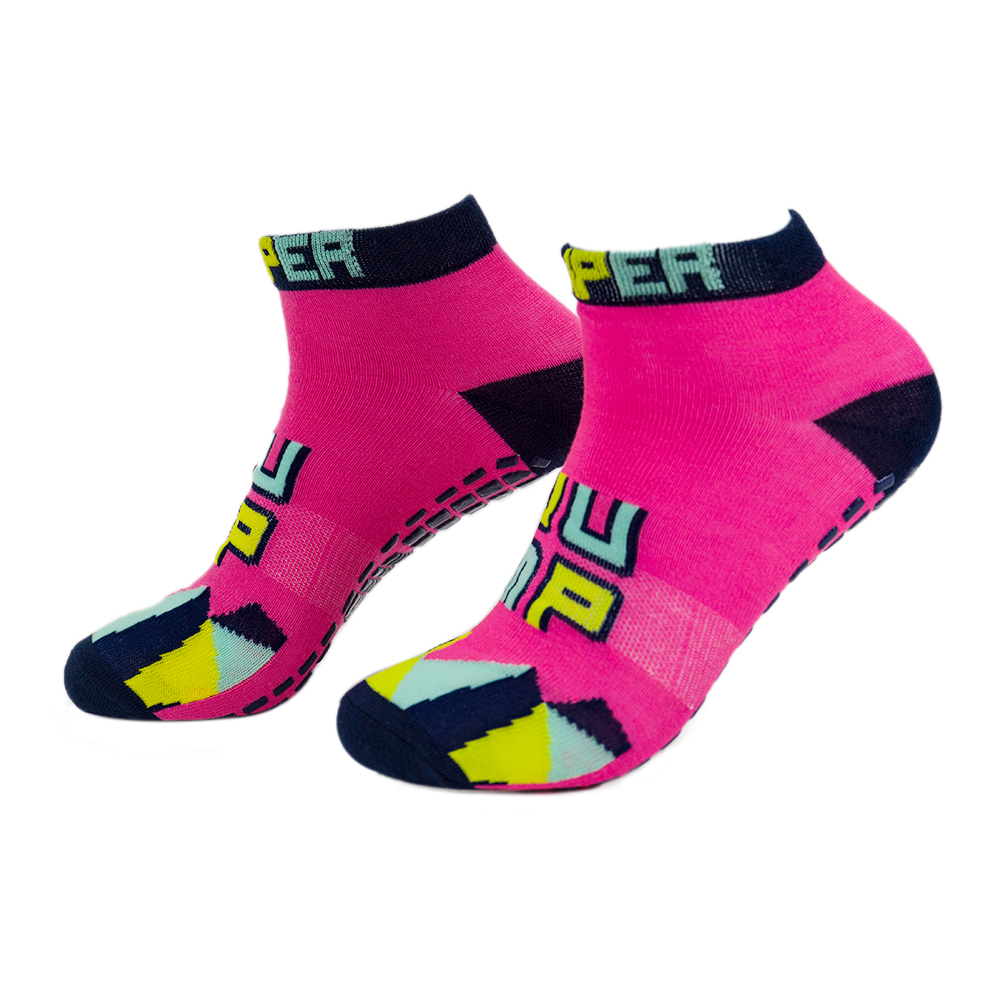 Trampoline Socks
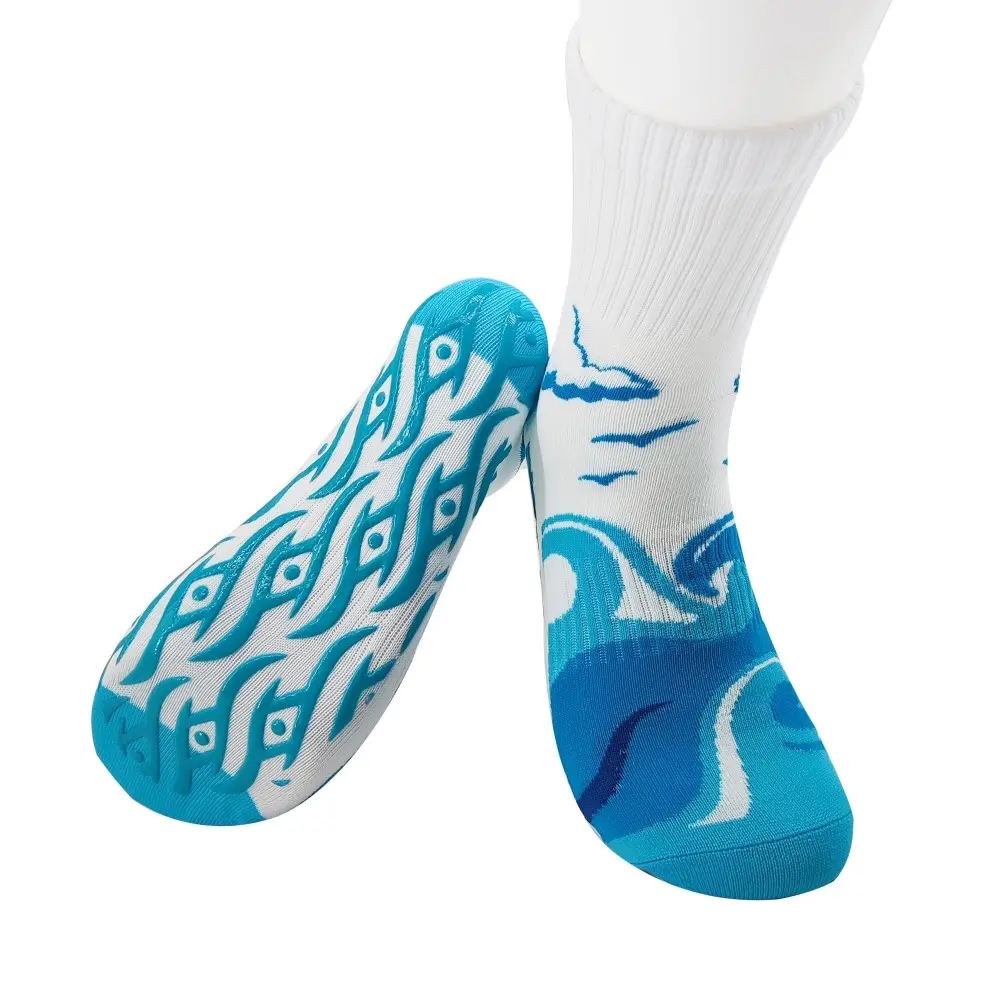 Aqua Park Socks
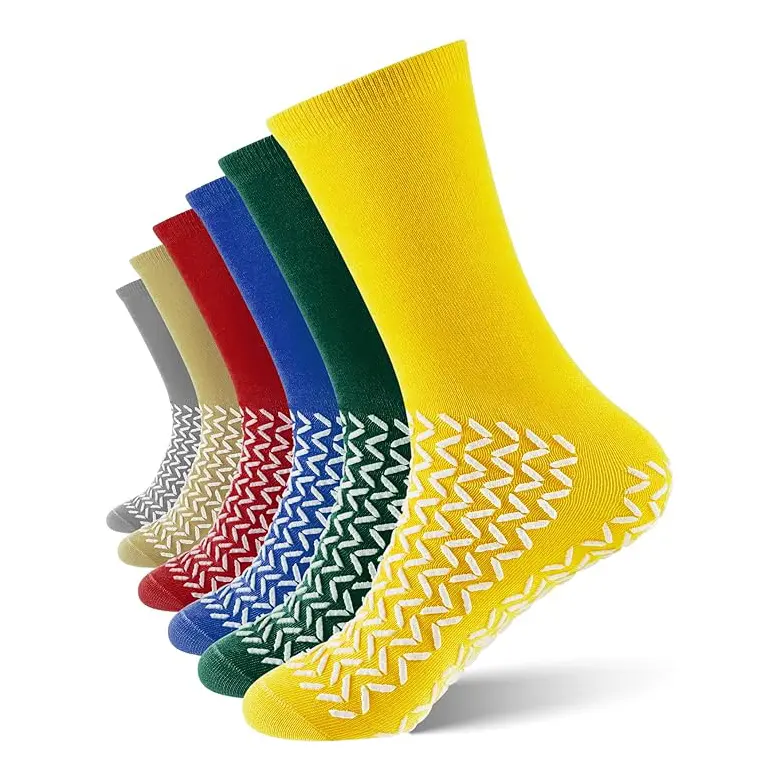 Hospital Slipper Socks
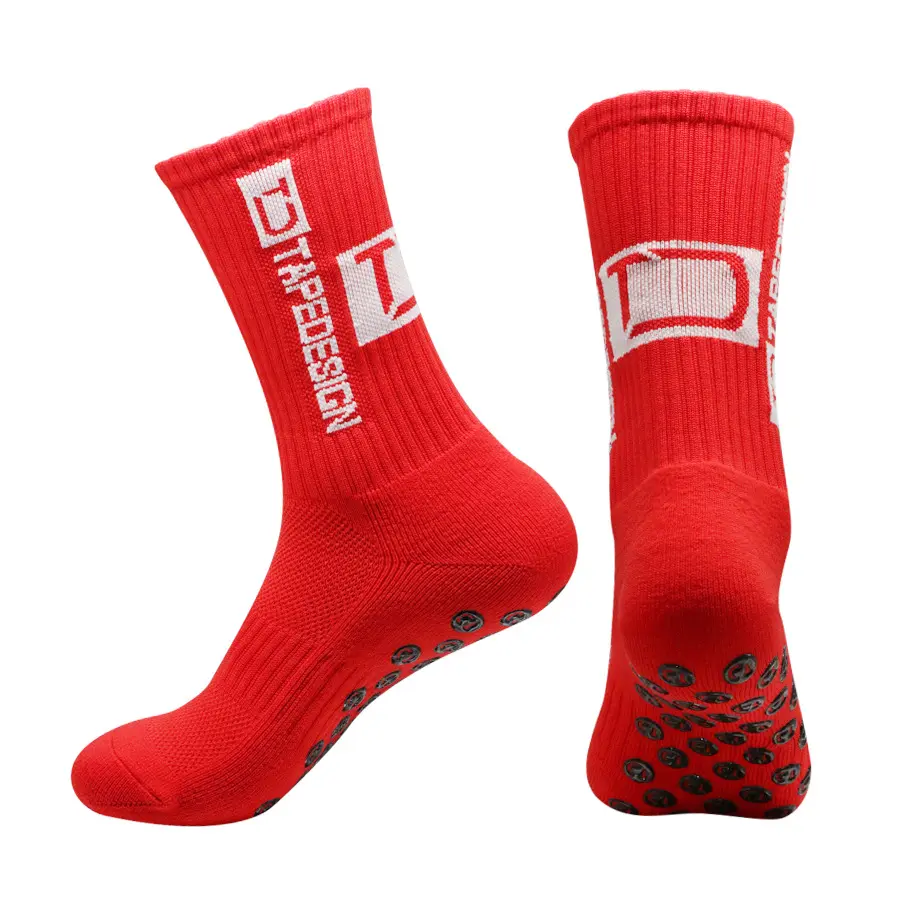 Grip Football Socks
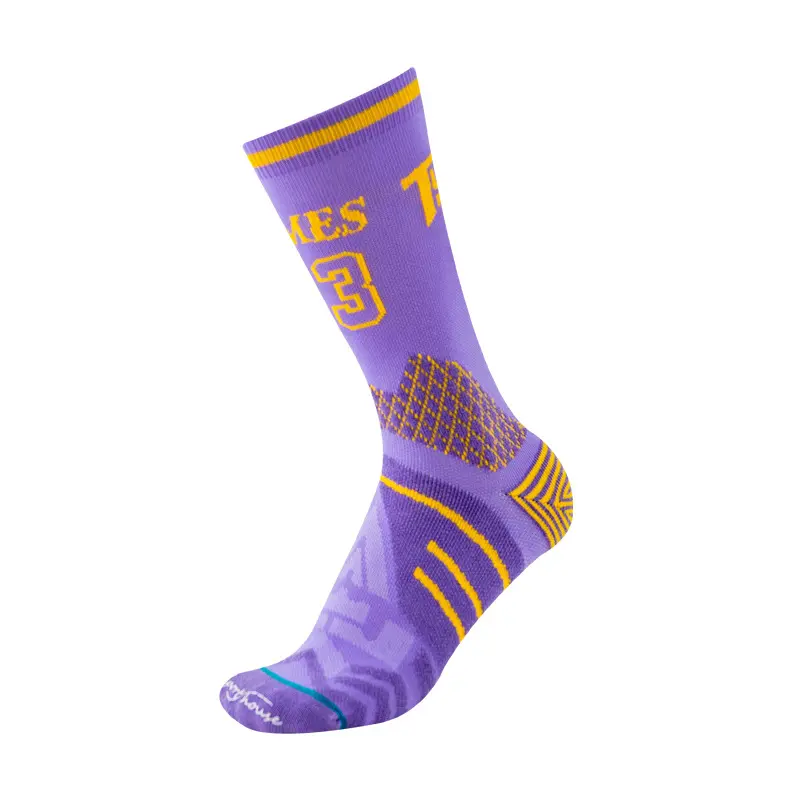 Basketball Socks
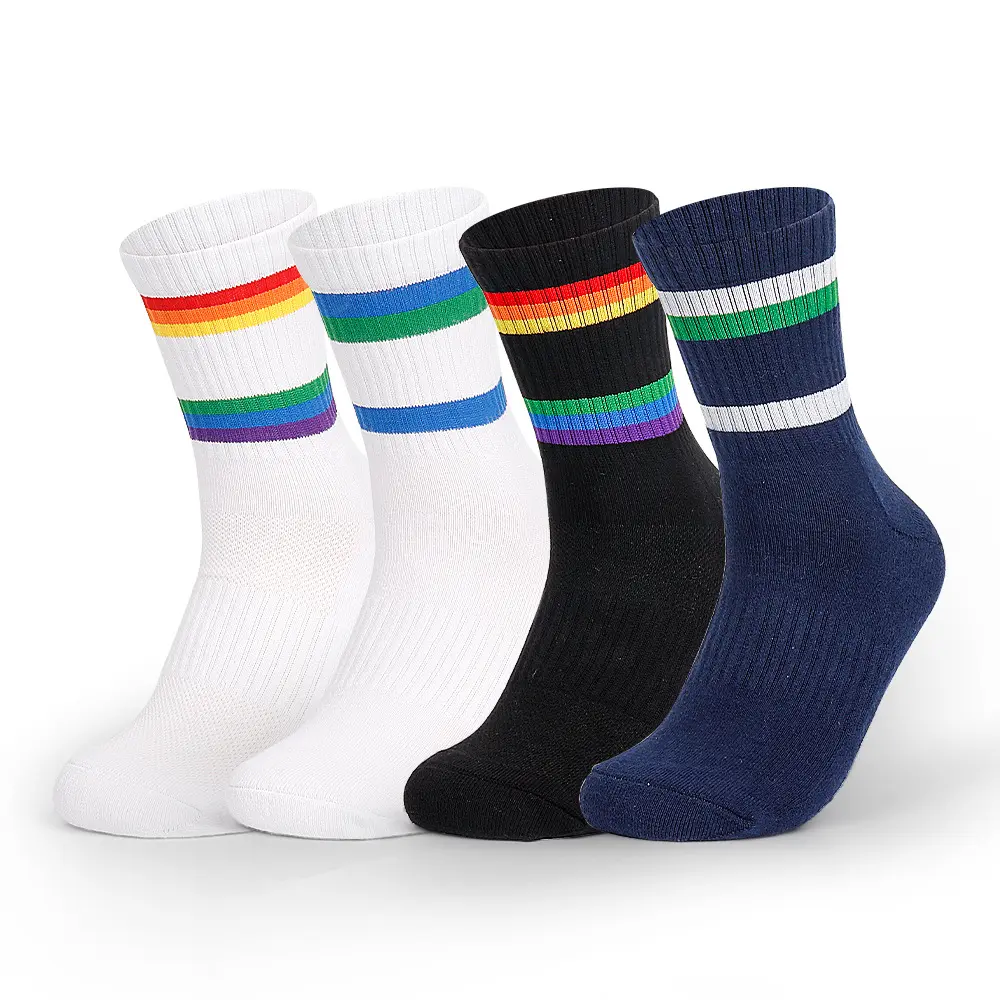 Badminton Socks
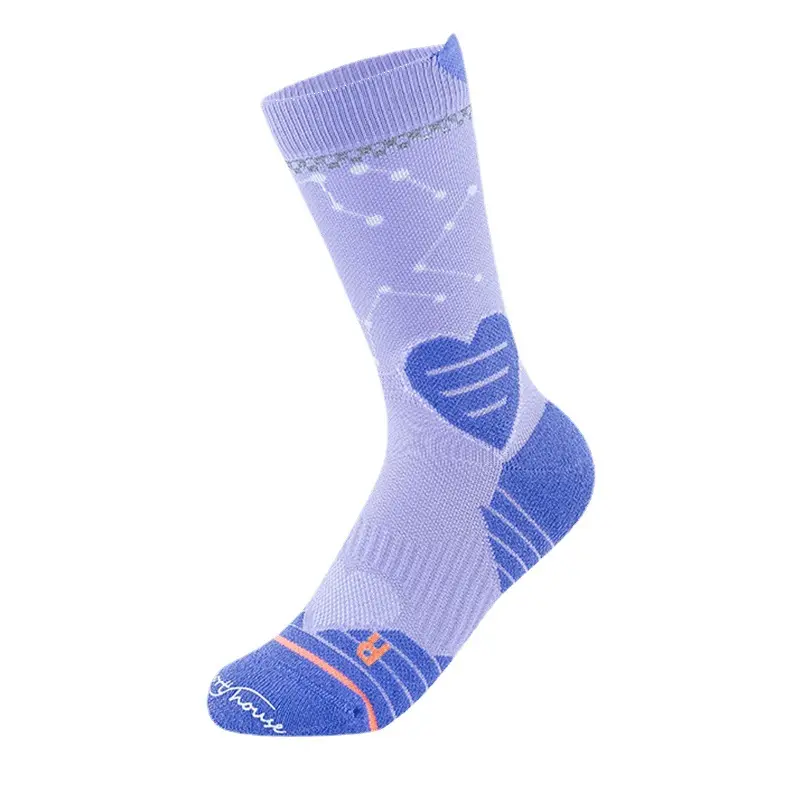 Cycling Socks
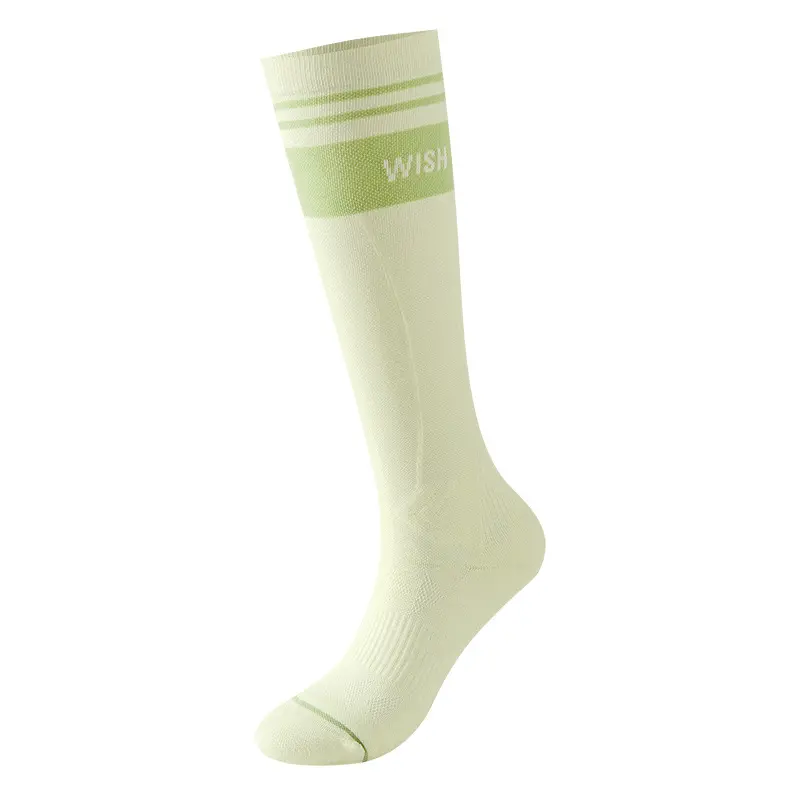 Running Socks
 Disposable Socks Bowling Alley Socks
 Disposable socks
 Warm Colorful Striped Crew Socks for Women
 Custom Unisex Crew Socks Breathable Socks
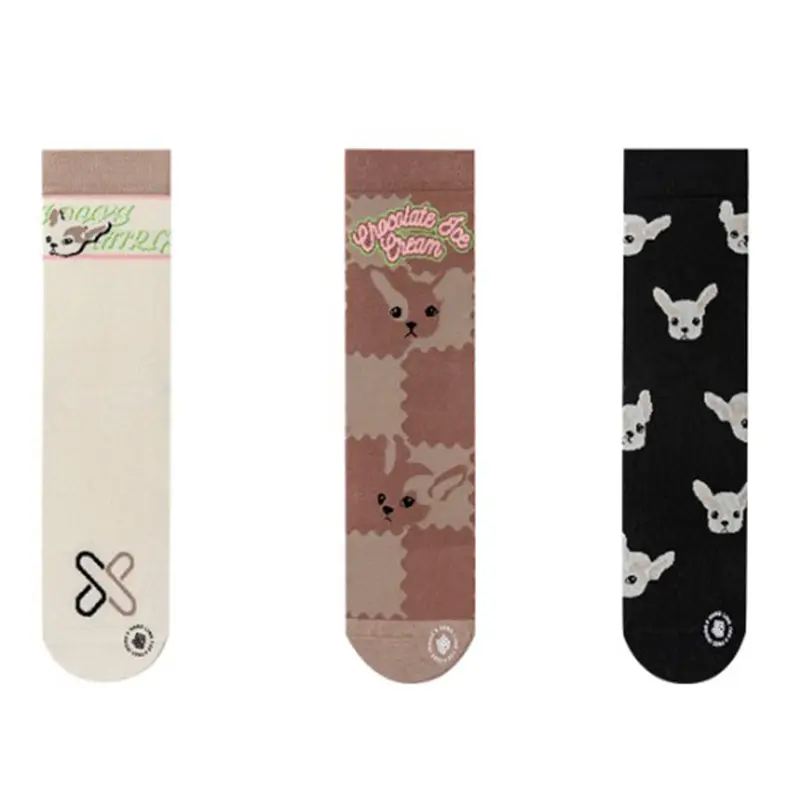 Digital Printing Vintage Crew Socks
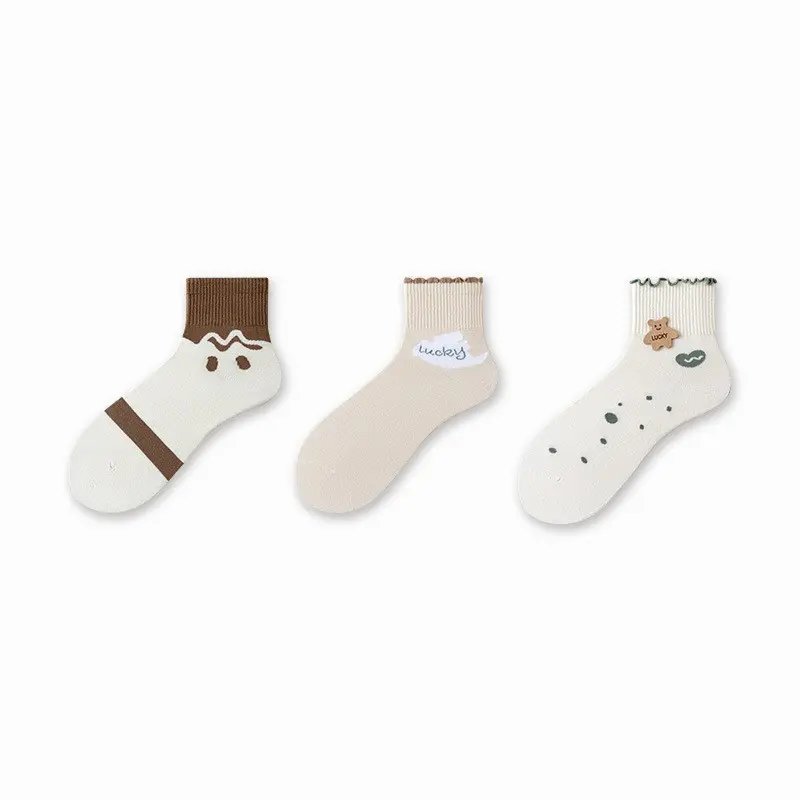 Animal Fuzzy Cartoon Crew Socks for Women
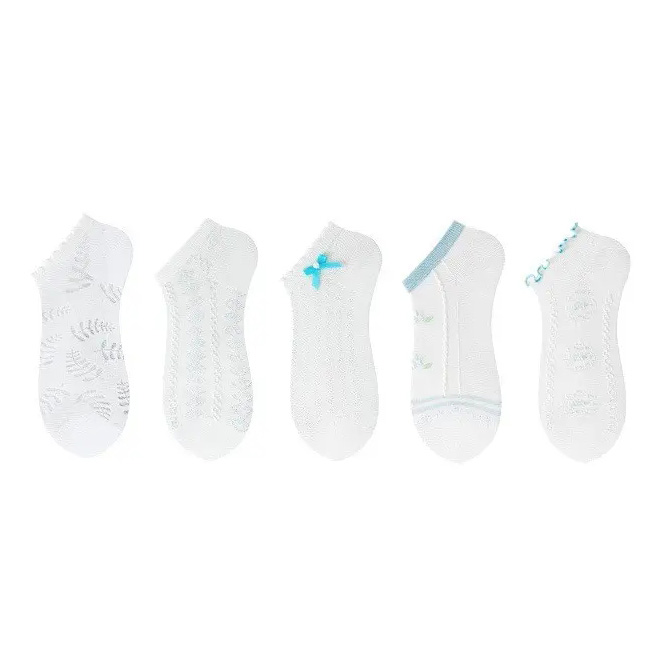 Cotton Flower Ankle Socks Low Cut Socks
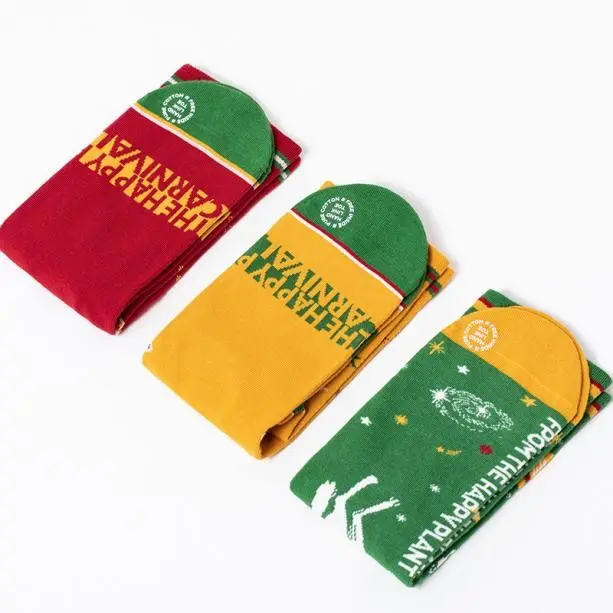 Thick Christmas Festival Crew Socks
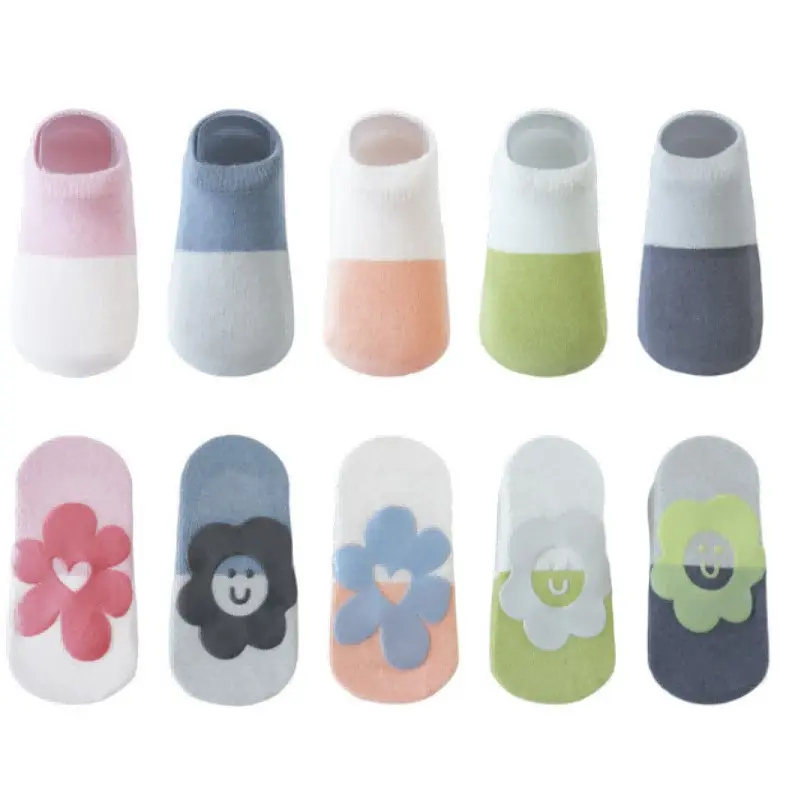 Cotton Cute Anti Slip Baby Ankle Socks with Cartoon
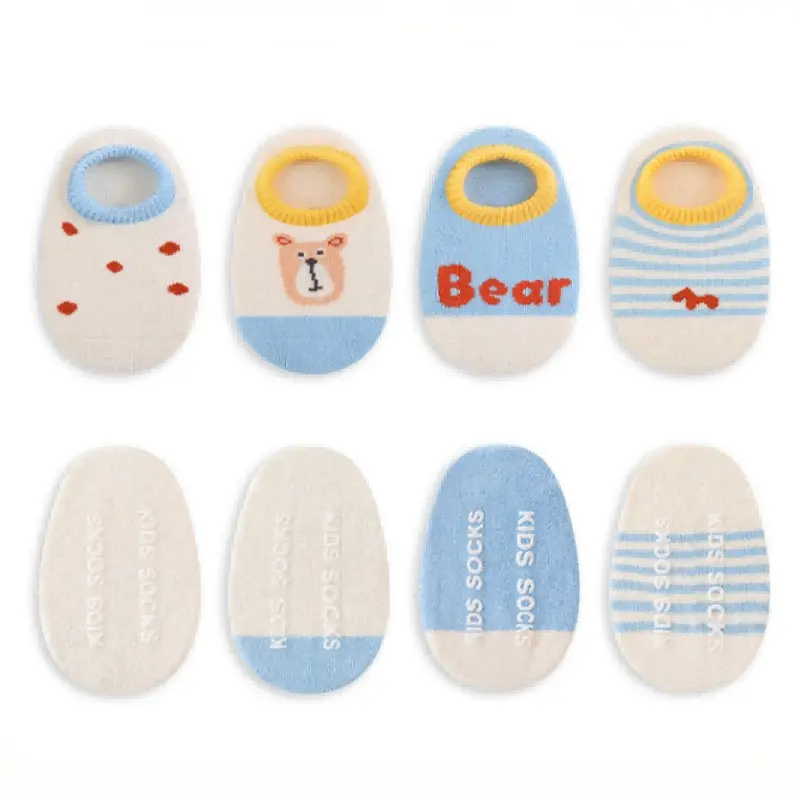 Colorful Soft Baby Socks Anti-slip
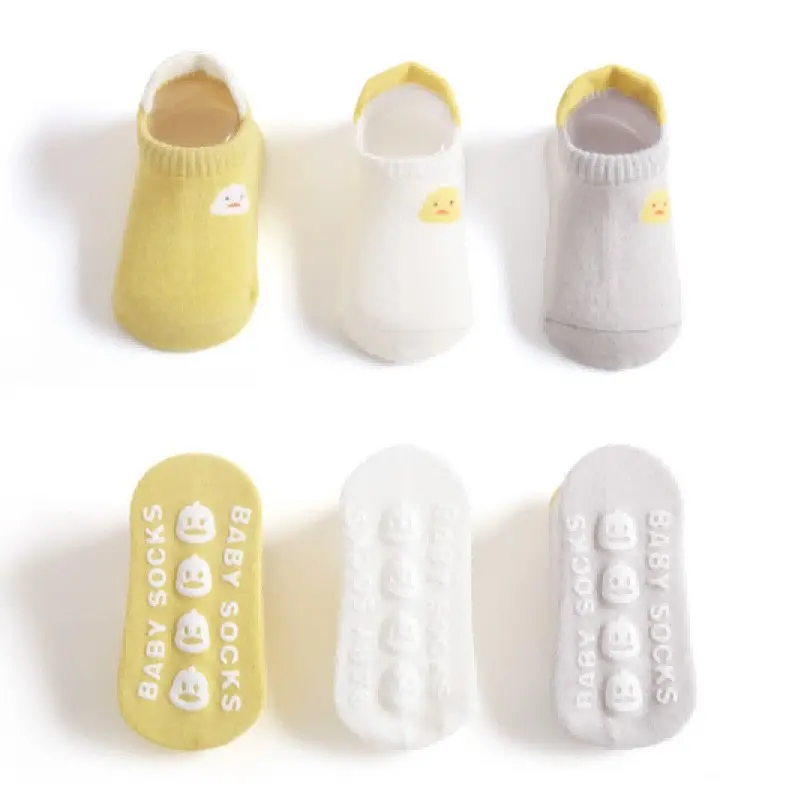 Non Slip Soft Ankle Baby Toddlers Socks
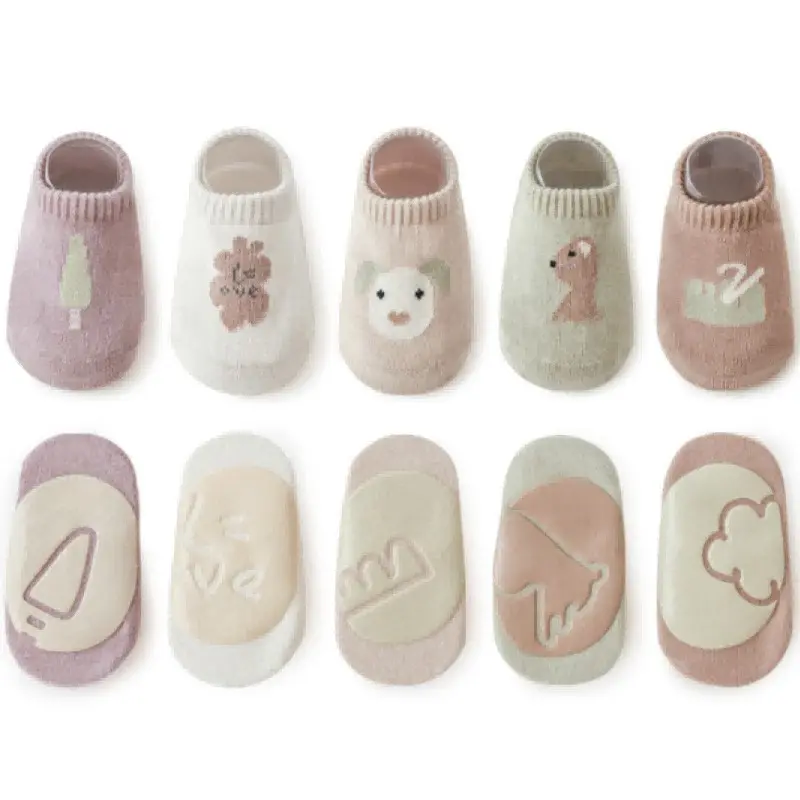 Cartoon Baby Socks With Grips Crew Walking Socks
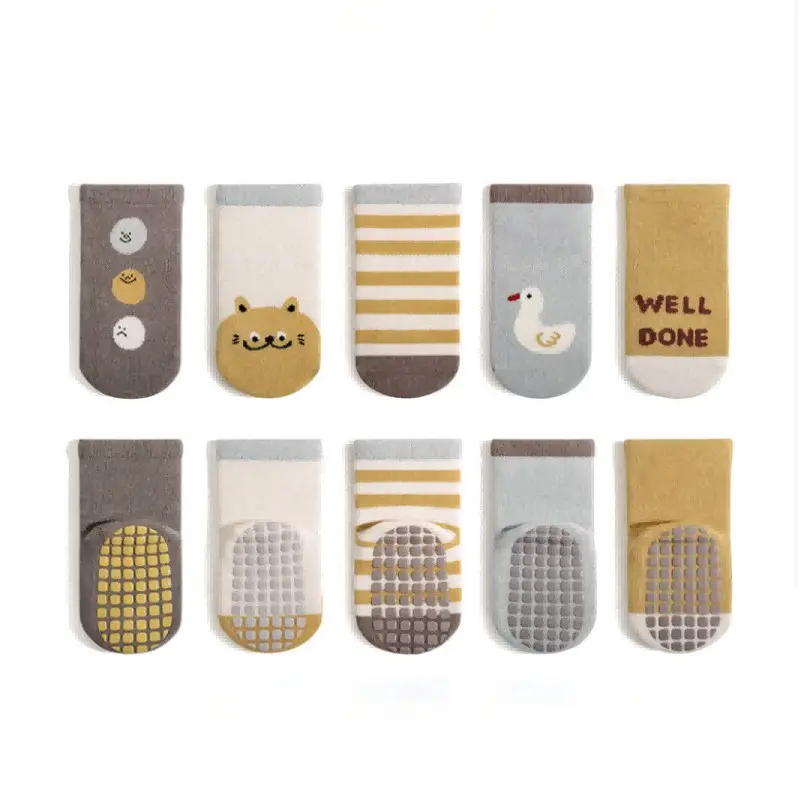 Baby Socks Floor Grip Mid-tube Socks with Cartoon