Lately, I've been noticing how much more people are talking about foot hygiene. Did you know? A 2023 report from the Global Foot Health Association says that more than 45% of folks deal with foot problems because they don’t really pay attention to keeping their feet clean. That really shows how important it is to find good solutions like Hygiene Socks. Dr. Jane Smith, who's a well-known foot specialist and author, puts it simply: "Taking care of your feet starts with good hygiene, and the right socks can actually make a big difference."
Hygiene Socks are made to help keep your feet healthy and avoid common issues like athlete's foot or bad odor. They use moisture-wicking fabrics and antibacterial tech, which help keep your feet dry and stop bacteria from thriving. A lot of brands now have cool features tailored to different needs, so there’s definitely something for everyone.
Now, here’s the thing—while there are tons of options out there, not all Hygiene Socks live up to what they promise. Some might not breathe well, or they don’t last that long. It's super important to pick brands that are known for quality. Being aware of these things helps you make smarter choices. Honestly, investing in good quality Hygiene Socks can really cut down on foot problems and make walking around way more comfortable.
Importance of Hygiene Socks for Foot Health: An Overview
Hygiene socks play a critical role in foot health. They are designed to wick moisture away and reduce the risk of bacterial growth. With the right material, these socks can help combat odors and keep feet dry throughout the day. Feet can be vulnerable to various issues, such as athlete's foot or blisters. Choosing the right hygiene socks is an essential step in prevention.
It is not just about comfort; it's about protection. Poor quality socks may lead to skin irritations or fungal infections. Many people overlook the importance of wearing socks that allow breathability. Some socks trap moisture, creating a perfect environment for bacteria. This imbalance can lead us to ignore the symptoms until they worsen. Regularly replacing socks and selecting those with antimicrobial properties are good practices to follow.
Investing time in understanding the right socks can enhance overall foot health. Take note of materials and fit. Remember, not all socks are created equal. Examining fabric types can be revealing. Sometimes, cheaper options may seem tempting, but they can lead to frustrating foot problems. Reflect on your choices, as they may affect your daily comfort and health in significant ways.
Key Materials Used in High-Performance Hygiene Socks
Choosing the right materials for hygiene socks is crucial for ensuring foot health. The industry has seen a rise in innovative fabrics that provide moisture management, antimicrobial properties, and comfort. According to recent data, socks made from merino wool can reduce moisture buildup by 25%, keeping feet dry and comfortable.
Cotton, often regarded for its softness, has limitations. Although it absorbs moisture, it can lead to damp conditions that promote bacterial growth. On the other hand, synthetic blends can offer better moisture-wicking capabilities. Fabrics like polyesterare lightweight and often dry faster than cotton, contributing to a healthier environment for your feet. Reports indicate that high-Performance Socks featuring these fabrics greatly reduce the risk of foot infections.
An important aspect is the choice of antimicrobial treatments in sock materials. While many brands promote these features, not all treatments are long-lasting. Research suggests that silver-infused textiles can effectively combat odor-causing bacteria for an extended period. However, wear and washing can diminish their effectiveness over time. It’s vital for consumers to be aware of the longevity of these treatments to maintain hygiene. Investing in quality brands with proven materials can greatly enhance foot health and comfort.
Top Brands of Hygiene Socks: A Comparative Analysis
Choosing the right hygiene socks is crucial for foot health. A recent industry report indicates that 30% of foot problems stem from improper sock choices. Unisex Hygiene Socks have gained attention for their moisture-wicking properties and antimicrobial features. These attributes help reduce the risk of odors and infections, especially for those who engage in sports or extended daily activities.
When considering hygiene socks, it's essential to assess the materials used. Cotton, while comfortable, may not wick moisture effectively. Synthetic blends often provide better breathability and durability. Brands that focus on these aspects tend to see higher customer satisfaction rates. A study noted that socks with targeted compression helped reduce fatigue for 65% of wearers.
Tip: Look for socks with reinforced toes and heels. These areas often experience the most wear. Investing in high-quality materials pays off in the long run. Regularly evaluate your sock drawer—keeping only those that maintain hygiene standards can improve foot health over time. Choosing the right hygiene socks may seem minor, but these choices significantly impact overall foot wellness.
Expert Recommendations: Choosing the Right Socks for Your Needs
Choosing the right socks is crucial for foot health. Many people overlook this aspect, leading to discomfort and issues like blisters or odor. A sock’s material plays a significant role. Cotton might feel soft, but it retains moisture, causing sogginess. Look for moisture-wicking materials, as they help keep your feet dry.
Consider the sock's fit as well. A snug fit prevents bunching, which can lead to friction. However, avoid overly tight socks; they can restrict circulation and cause numbness. Pay attention to seams; flat seams can be more comfortable. Sometimes, brands that claim to prioritize comfort miss the mark. Always read customer reviews to gauge real experiences.
Lastly, take your activities into account. If you’re running, seek out specialized Athletic Socks. For everyday use, look forcushioned styles. Your needs may evolve, and it’s essential to reassess regularly. Foot health is often underestimated, yet it significantly impacts overall well-being.
Industry Statistics: Impact of Proper Sock Selection on Foot Health
Proper sock selection can greatly impact foot health. Studies show that wearing the right socks reduces moisture and friction. This, in turn, can help prevent blisters and fungal infections. Foot health is often overlooked, yet it plays a crucial role in overall wellness. Many people underestimate the importance of socks. However, proper hygiene can protect long-term foot health.
Selecting quality hygiene socks is essential. Look for moisture-wicking materials that keep feet dry. Cotton blends may be soft but can retain moisture. Consider options designed to regulate temperature. Seamless designs can minimize friction. Not everyone realizes that socks can affect posture and gait. Poor choices can lead to discomfort over time.
When choosing socks, consider your lifestyle. If you engage in sports, opt for cushioned socks that offer support. For everyday wear, breathable fabrics are a must. Hygiene socks manufactured in China often meet specific health standards. Focus on fit; too tight can restrict blood flow. Ensuring your socks fit properly is key to maintaining foot health.
Impact of Proper Sock Selection on Foot Health
Consumer Reviews: Popular Hygiene Sock Brands and Their Features
When choosing hygiene socks, consumer reviews offer vital insights. Many users prioritize features like moisture-wicking properties and antibacterial treatments. Reports suggest that socks with antimicrobial properties significantly reduce foot odor. In fact, studies indicate that nearly 30% of individuals experience foot-related issues linked to bacteria. This emphasizes the importance of selecting the right hygiene socks for overall foot health.
Additionally, the fit and material of hygiene socks greatly influence comfort. Many consumers have noted that socks made from breathable fabrics help in reducing sweat. An industry survey revealed that 65% of users preferred socks crafted from organic cotton or bamboo. These materials are often favored for their hypoallergenic properties.
Some reviews highlight that while more expensive options offer innovation, not all pricier socks meet expectations. This discrepancy calls for careful consideration when shopping.
Moreover, the market for hygiene socks has seen growth, with an increase in demand for Anti Bacterial Hygiene Socks Wholesale. This trend indicates a shift towards prioritizing foot care. However, some consumers still report dissatisfaction with specific brands, indicating that reliable options are still evolving. Overall, attention to material and user feedback can lead to healthier feet.
Sustainability in Hygiene Socks: Eco-Friendly Options Available
Sustainability is increasingly vital in the textile industry, especially when it comes to hygiene socks. According to a recent report by the Textile Recycling Association, around 92 million tons of textile waste are generated each year. This alarming figure highlights the need for eco-friendly sock options. Many manufacturers now focus on sustainable practices, offering hygiene socks made from recycled materials. Choosing these socks can significantly reduce environmental impact.
When selecting hygiene socks, consider materials such as organic cotton or bamboo. These fibers are biodegradable and are grown without harmful chemicals. Moreover, they allow for breathability and moisture-wicking, which keeps feet healthy. For those seeking convenience, look for options from a reputable Disposable Hygiene Socks Manufacturer. Their products often incorporate sustainable practices, minimizing waste through thoughtful design.
Tips: Always check for certifications that prove eco-friendly claims. Look for socks that come in recyclable packaging, reducing overall waste. Combining style and sustainability can create a meaningful impact. Consider the lifecycle of a product before purchasing; it's crucial to choose companies that prioritize environmental commitment. Make informed choices that reflect your values and contribute to a healthier planet.
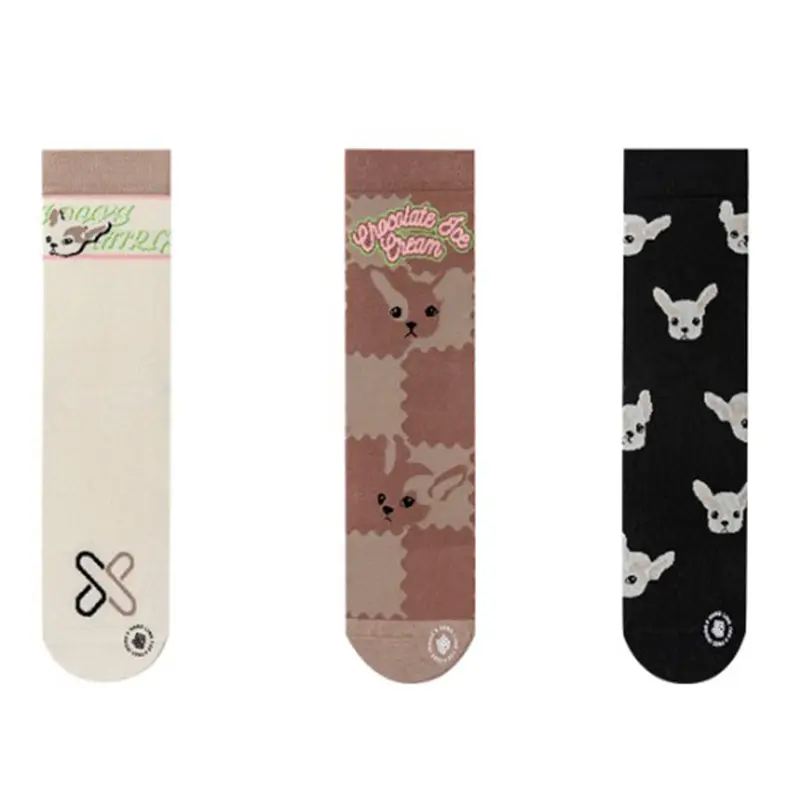
Creative and Unique: The Appeal of High Quality Design Logo 360 Digital Printing Vintage Crew Socks
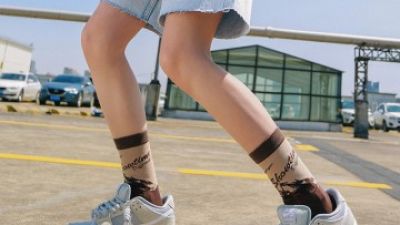
The appeal of high-quality design in Vintage Crew Socks lies not only in their aesthetic charm but also in their functionality. These socks attract fashion-conscious consumers with retro-inspired patterns and muted tones, effectively merging nostalgia with modern comfort. The global sock market is projected to grow, with a report by Statista estimating an increase to approximately $55 billion by 2027, highlighting the increasing demand for unique and stylish sock designs. Vintage crew socks stand out in this burgeoning market, providing a snug fit and soft texture that appeal to those seeking everyday wear without sacrificing style.
Research indicates that consumers are increasingly leaning towards products that offer both comfort and personalization. Vintage crew socks cater to this trend by featuring designs that resonate with individual tastes and preferences. According to Allied Market Research, custom apparel and accessories are predicted to see significant growth, driven by a growing consumer desire for items that reflect personal style. The vintage crew sock, with its blend of traditional aesthetics and contemporary comfort, serves as a versatile accessory that enhances any outfit, whether casual or semi-formal.
Moreover, the sustainable fashion movement emphasizes high-quality materials and ethical production methods, which vintage crew socks often prioritize. This aligns well with consumer interests that increasingly favor brands practicing environmental responsibility. As a result, vintage crew socks are not just a fashion statement but also a reflection of an evolving consumer mindset that values both style and sustainability in their daily accessories.
FAQS
: The right socks prevent discomfort, blisters, and odor, which are commonly overlooked issues.
Avoid cotton, as it retains moisture. Look for moisture-wicking materials to keep feet dry.
Socks should fit snugly to prevent bunching but not too tight to avoid restricting circulation.
Yes, flat seams can enhance comfort. Always try different styles to find what feels best for you.
Consider specialized socks for running. For daily wear, cushioned options are usually best for comfort.
Look for socks made from organic cotton or bamboo, as they are biodegradable and chemical-free.
Always check for certifications that prove eco-friendly claims to ensure sustainable practices.
The textile industry generates significant waste. Sustainable practices help reduce environmental impact.
Consider the product lifecycle and choose brands committed to environmental responsibility.
Think about comfort, fit, and sustainability to make choices that align with your values.
Conclusion
Hygiene socks play a crucial role in maintaining foot health by preventing moisture buildup and reducing the risk of infections. The article delves into the key materials used in high-performance hygiene socks, emphasizing their importance in providing breathability and comfort. A comparative analysis of various hygiene socks brands highlights their unique features, helping consumers make informed choices.
Expert recommendations guide readers on selecting the right hygiene socks according to personal needs and lifestyle, while industry statistics illustrate the significant impact of proper sock selection on overall foot health. Additionally, consumer reviews offer insights into popular hygiene sock brands, showcasing distinct features that cater to diverse preferences. Finally, the article addresses the growing trend toward sustainability in the hygiene socks market, highlighting eco-friendly options available to environmentally conscious consumers.

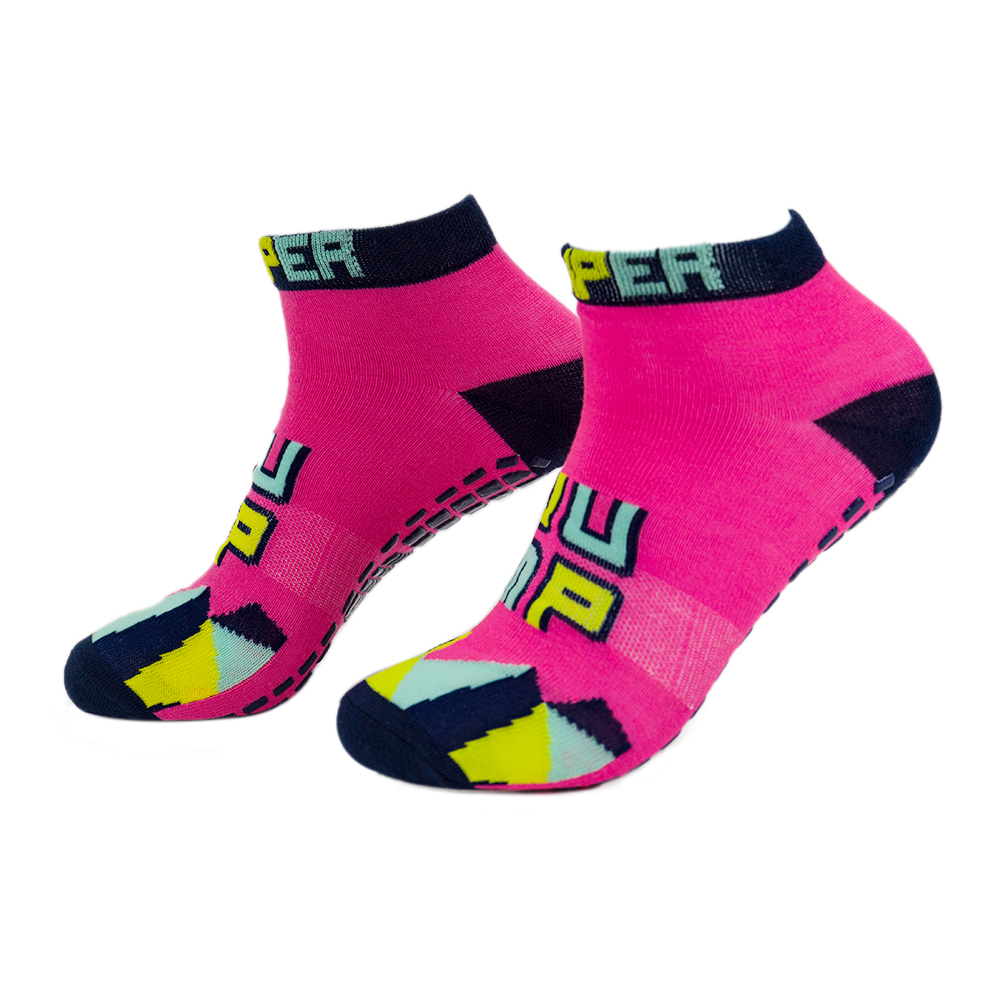 Trampoline Socks
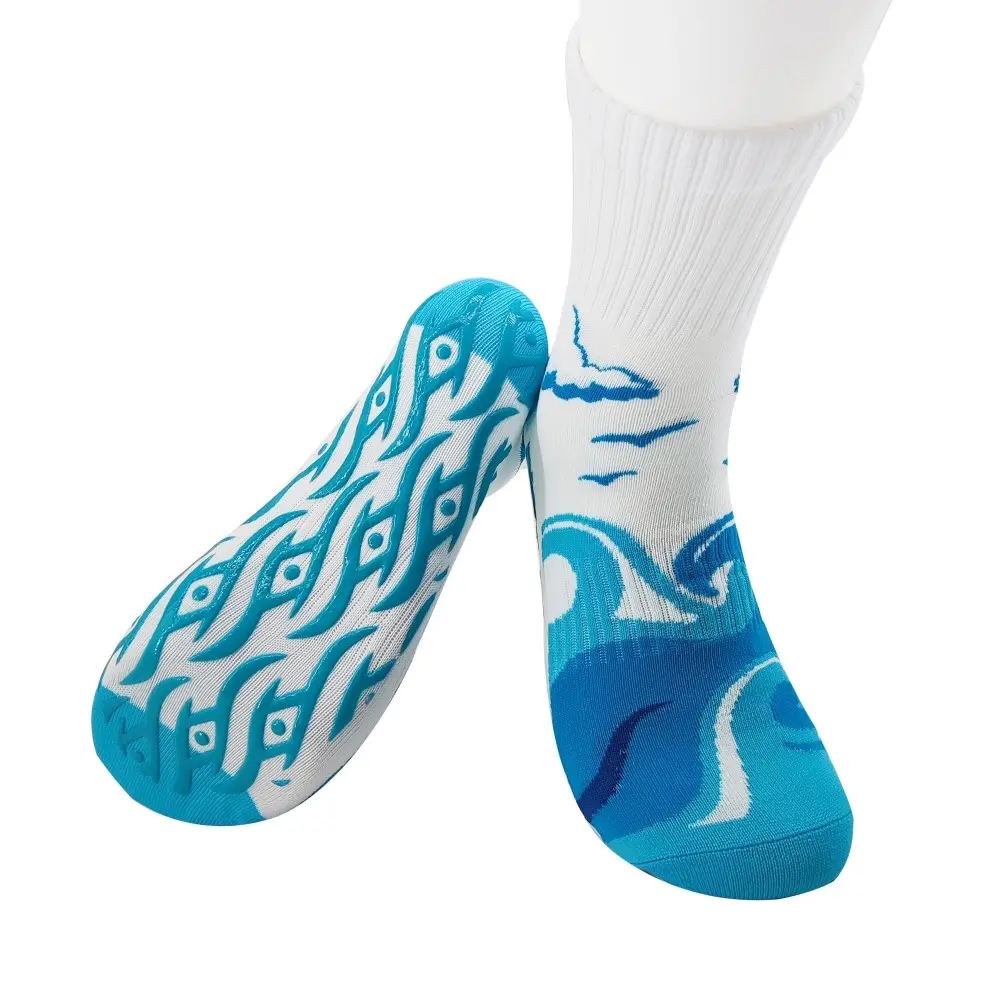 Aqua Park Socks
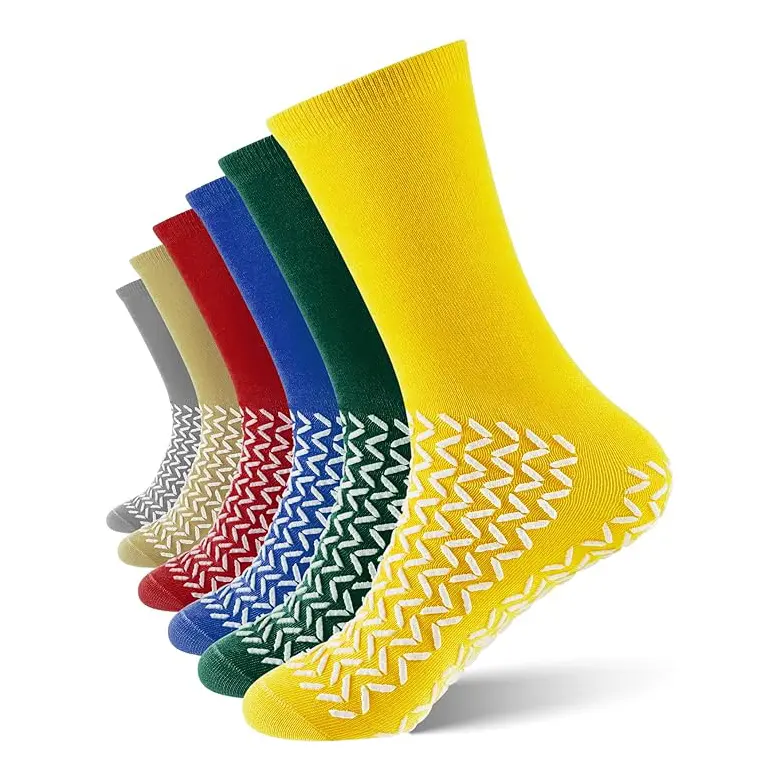 Hospital Slipper Socks
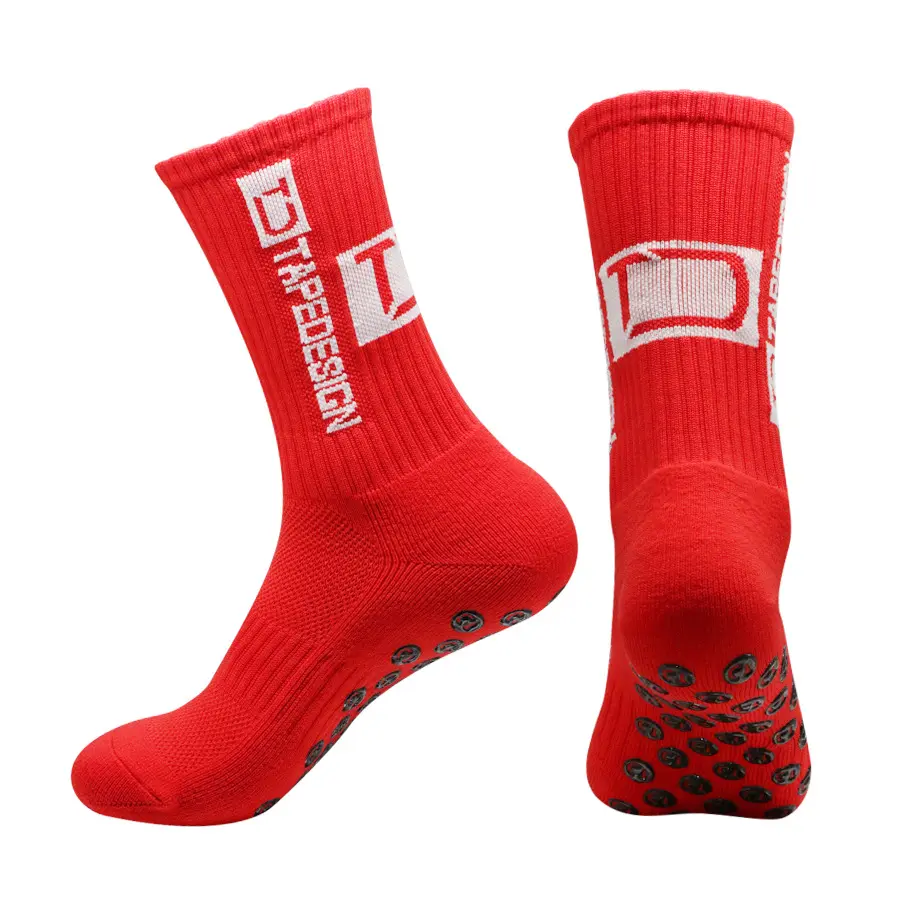 Grip Football Socks
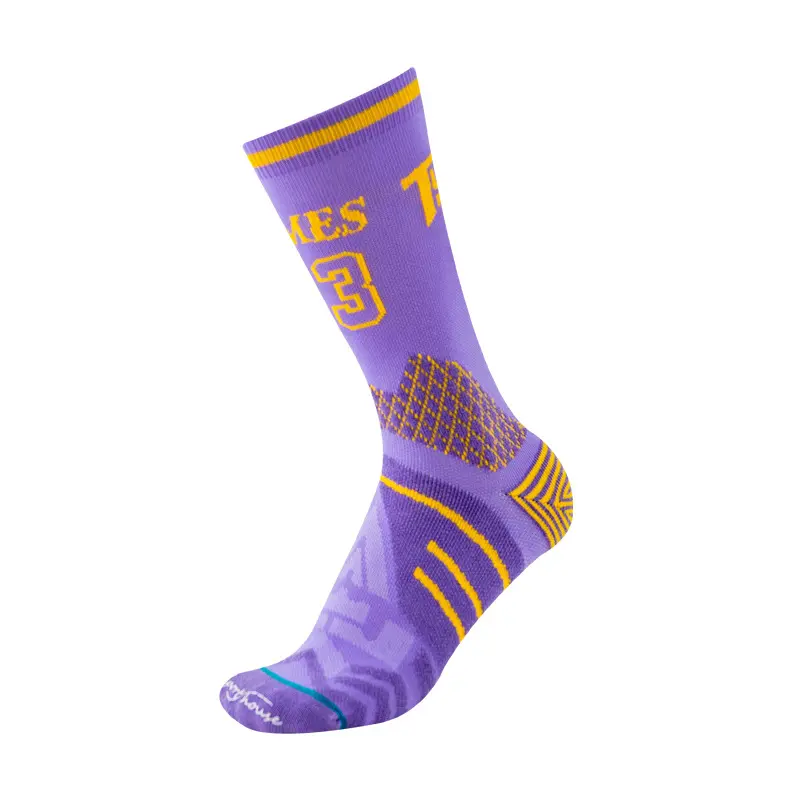 Basketball Socks
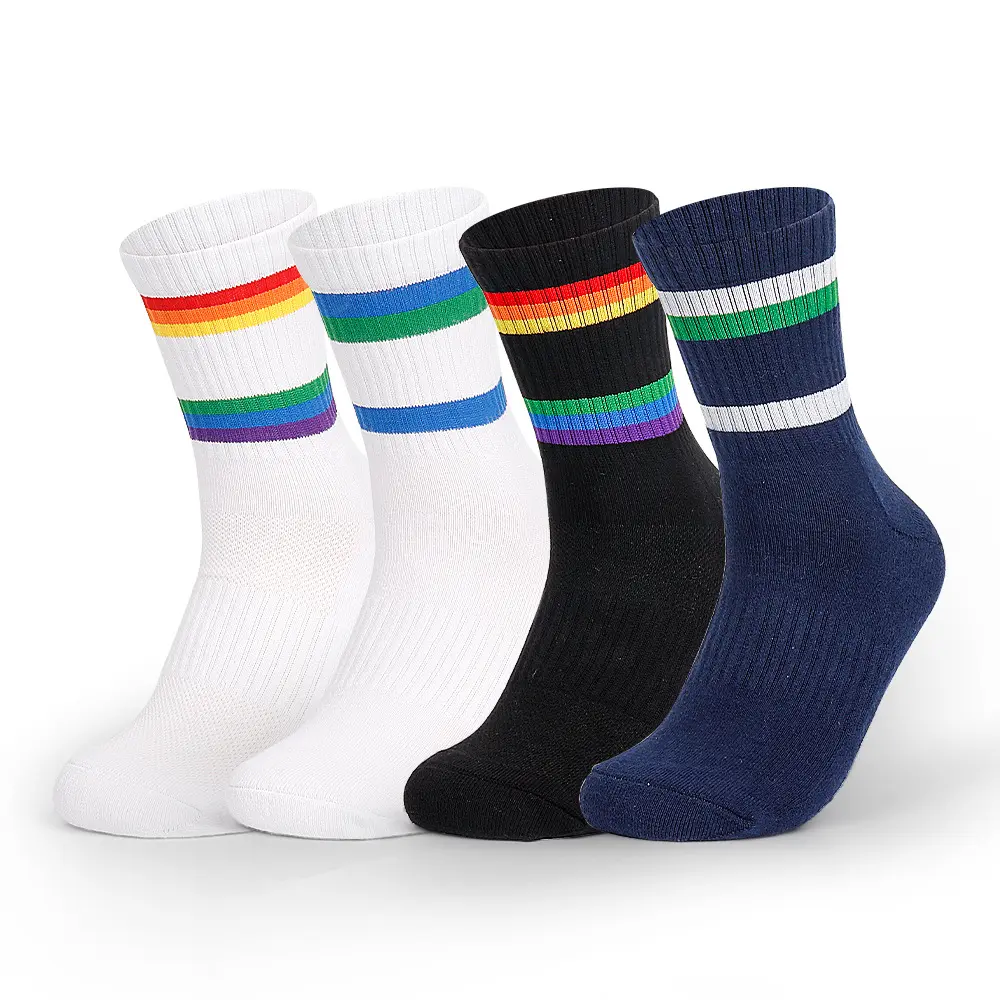 Badminton Socks
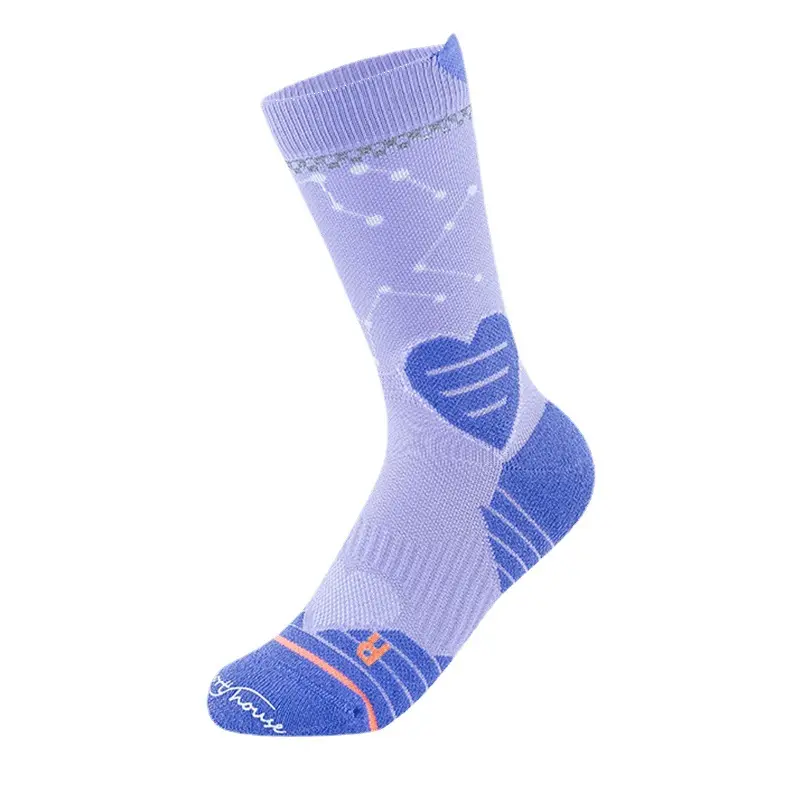 Cycling Socks
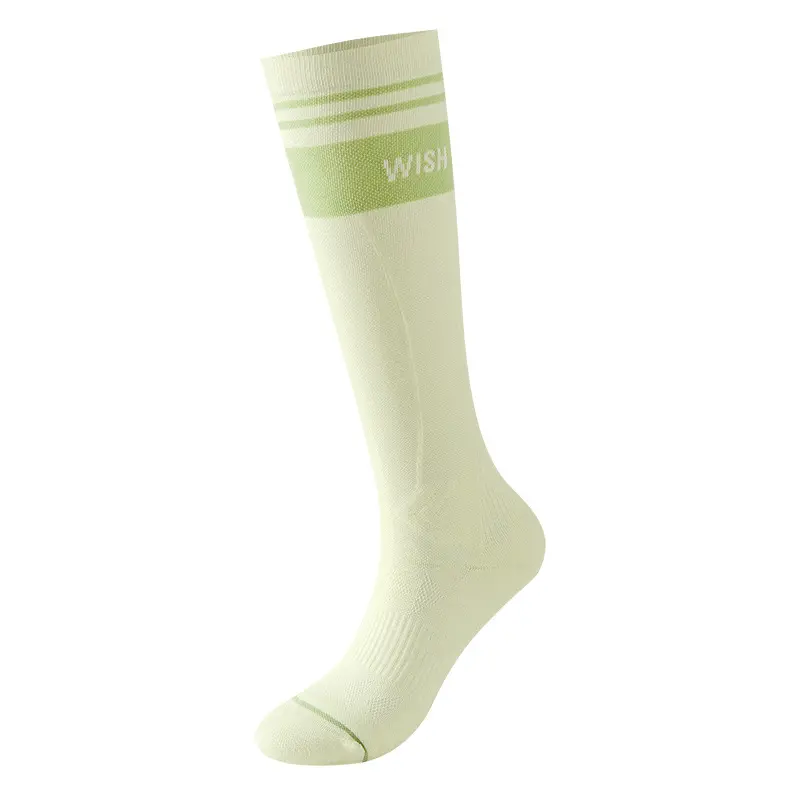 Running Socks
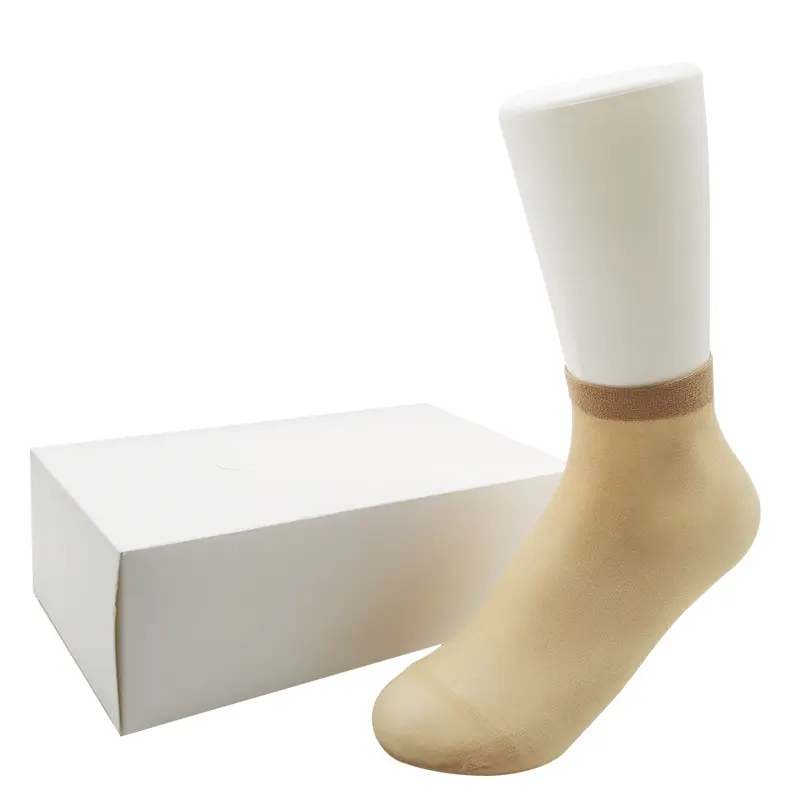 Disposable Socks Bowling Alley Socks
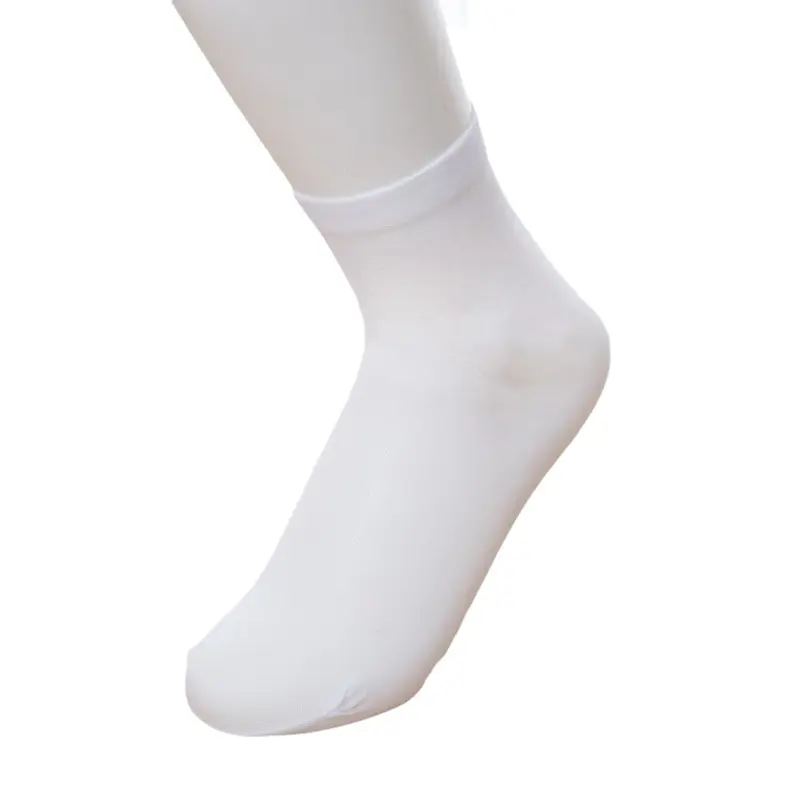 Disposable socks
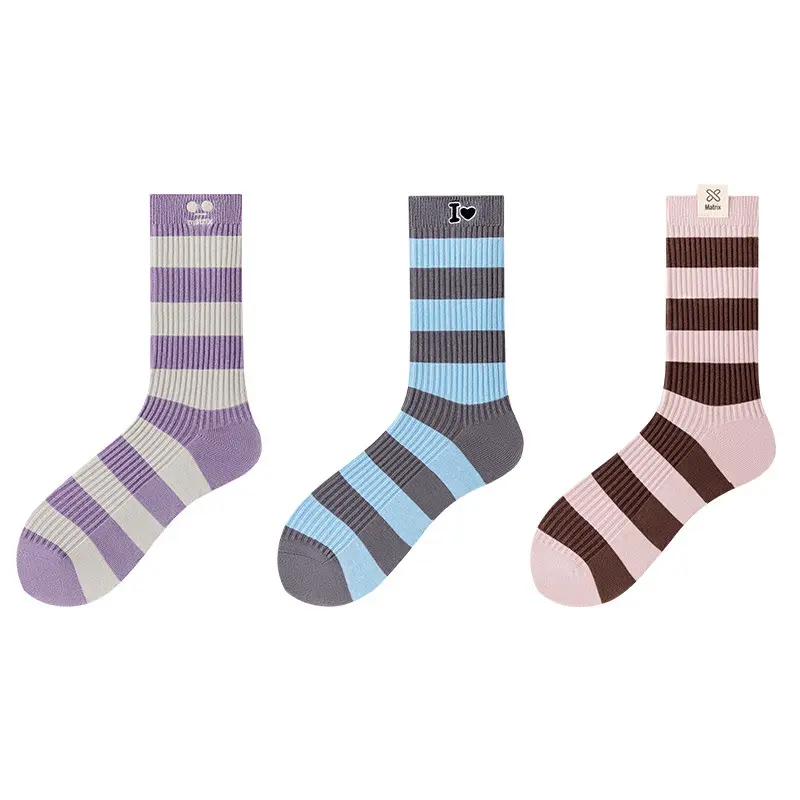 Warm Colorful Striped Crew Socks for Women
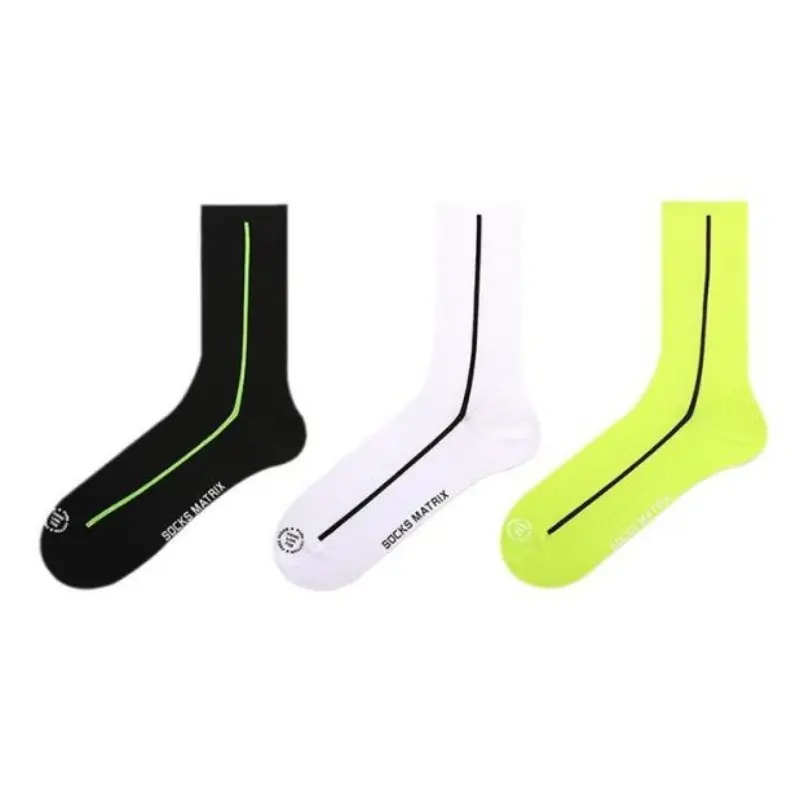 Custom Unisex Crew Socks Breathable Socks
 Digital Printing Vintage Crew Socks
 Animal Fuzzy Cartoon Crew Socks for Women
 Cotton Flower Ankle Socks Low Cut Socks
 Thick Christmas Festival Crew Socks
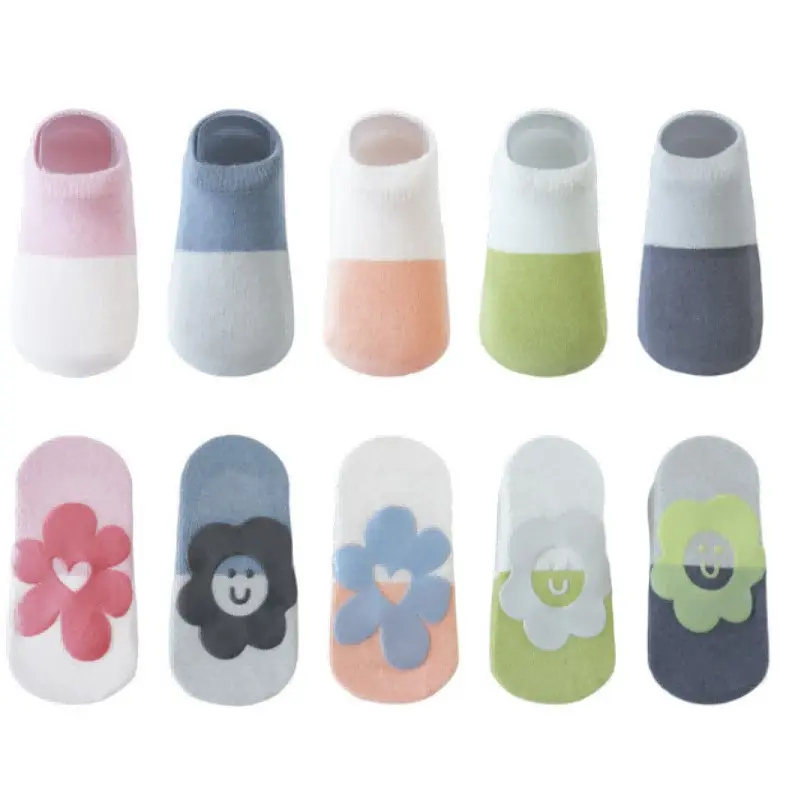 Cotton Cute Anti Slip Baby Ankle Socks with Cartoon
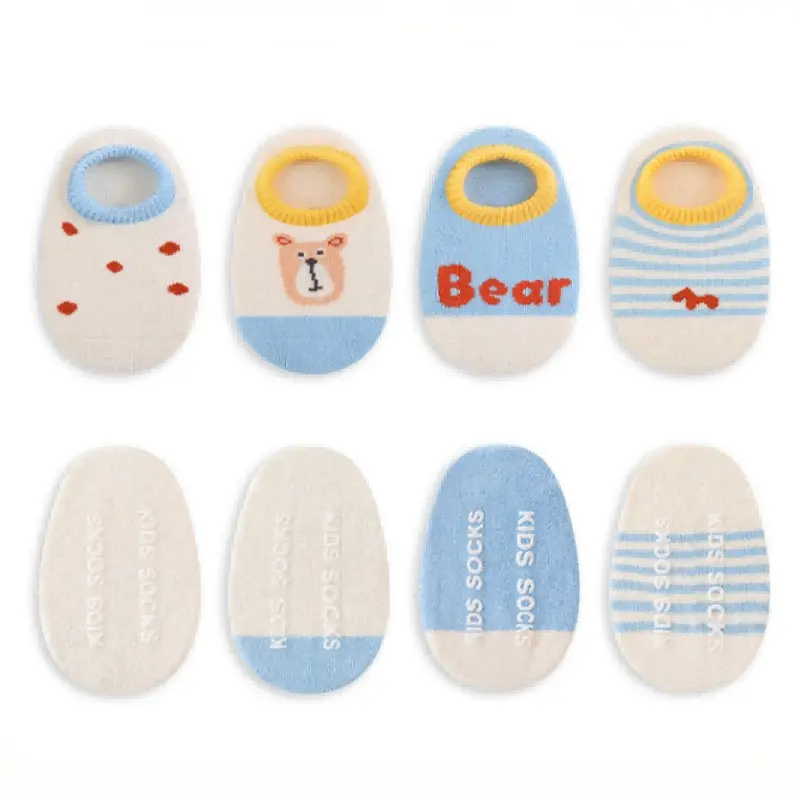 Colorful Soft Baby Socks Anti-slip
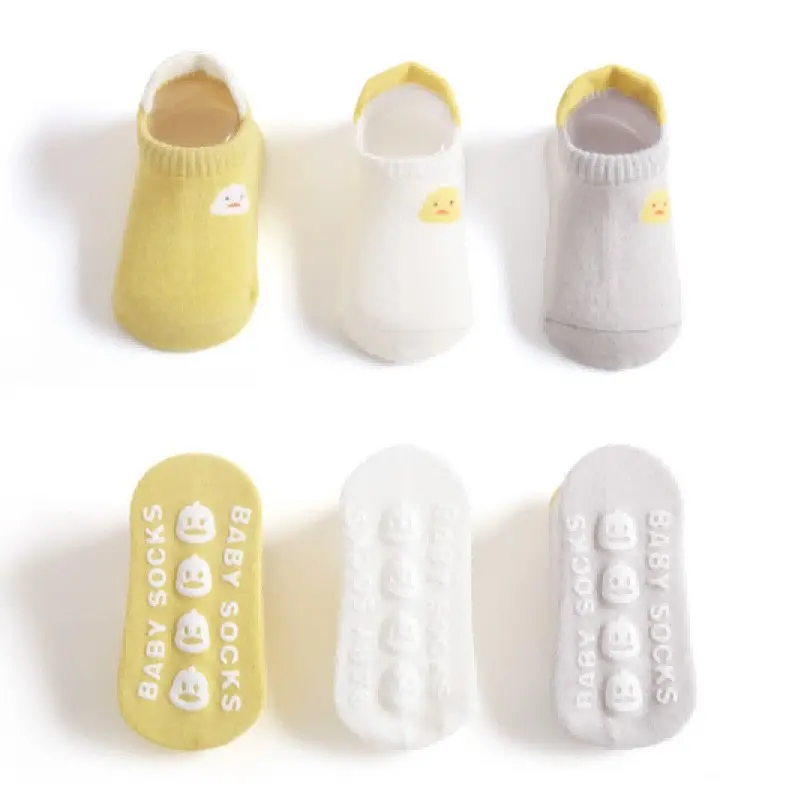 Non Slip Soft Ankle Baby Toddlers Socks
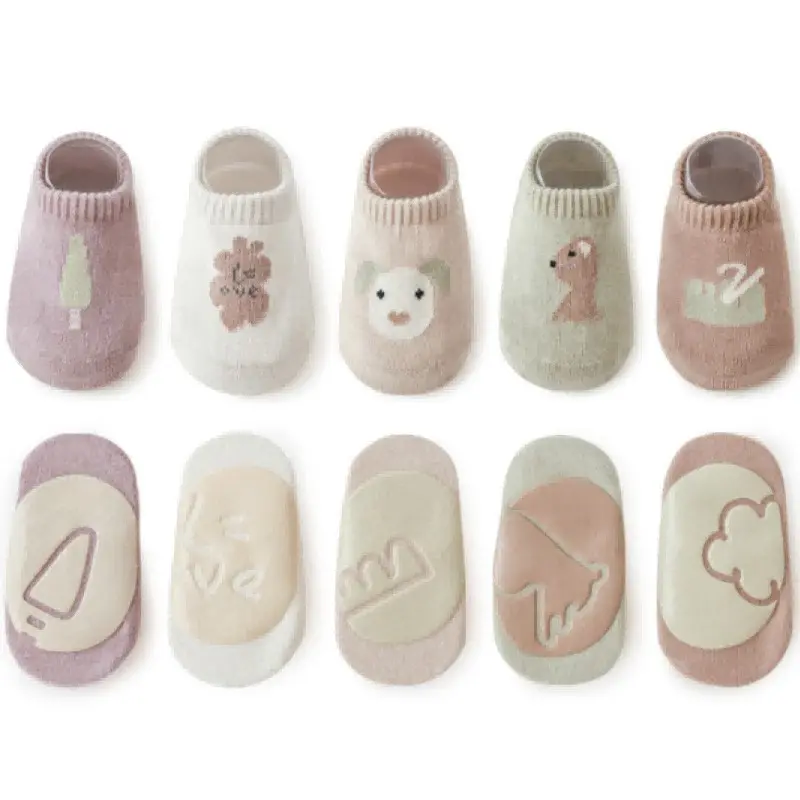 Cartoon Baby Socks With Grips Crew Walking Socks
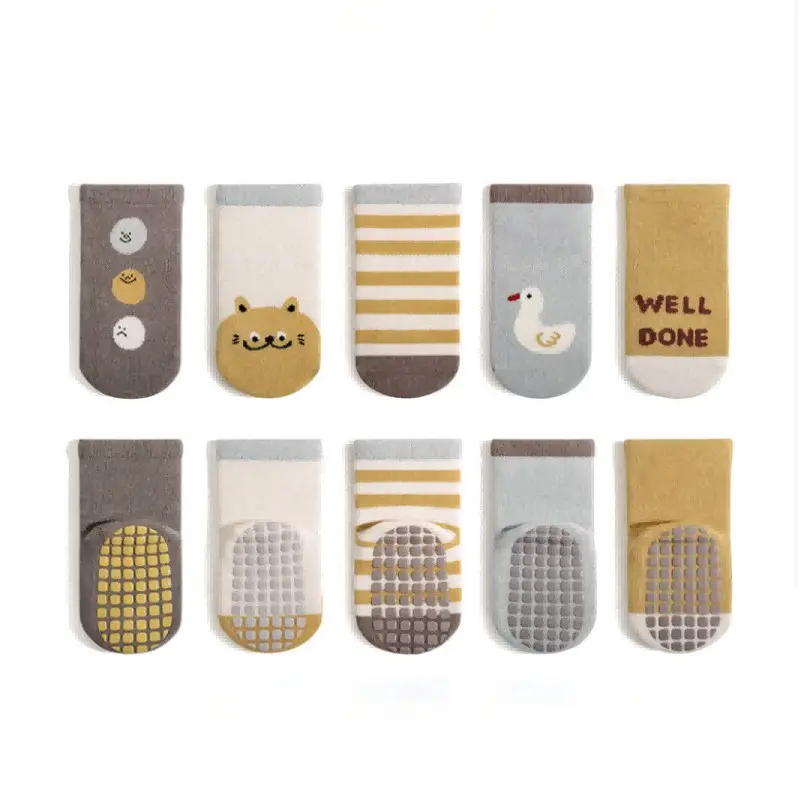 Baby Socks Floor Grip Mid-tube Socks with Cartoon