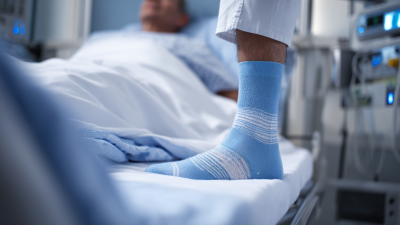
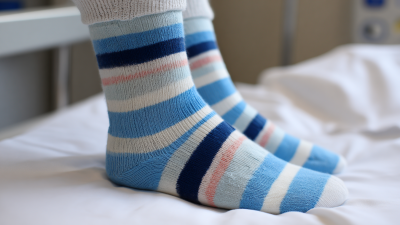
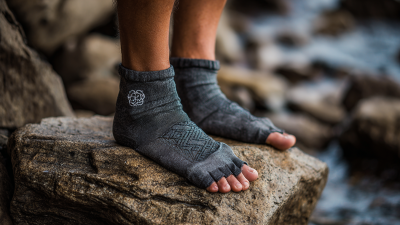
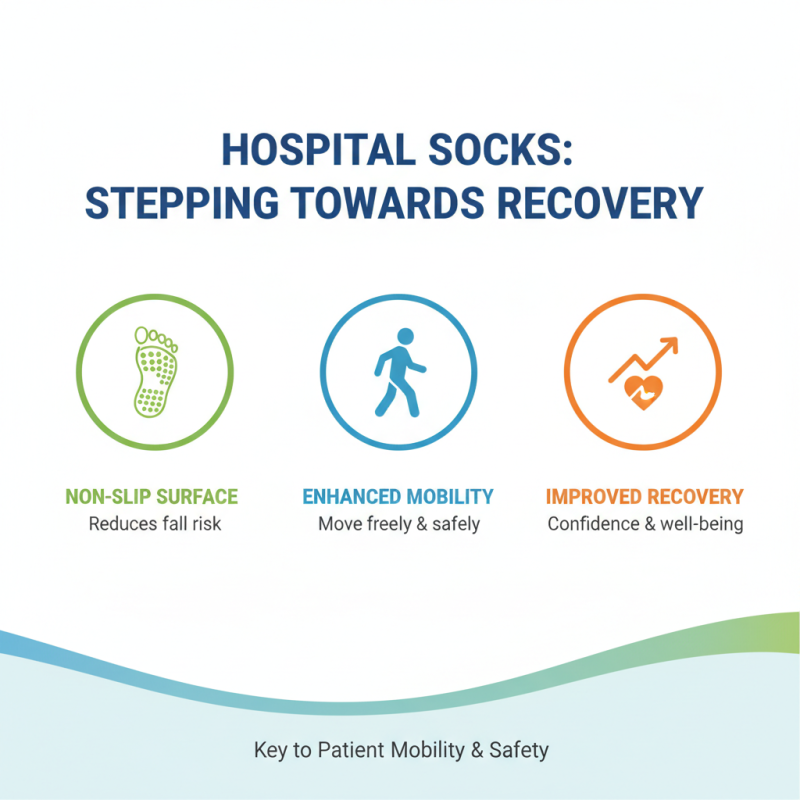
When it comes to keeping things safe and comfortable in a hospital, proper footwear really can’t be overlooked. Hospital Socks—those specially designed for healthcare settings—are a real game-changer. They help prevent slips, falls, and other accidents on those tricky, slippery floors. What makes them stand out? Well, features like non-slip grips and super-soft, breathable materials give patients and visitors that extra peace of mind while wandering around the hospital. It’s such a simple thing, but honestly, it makes a big difference.
On top of that, Hospital Socks actually add a little bit of comfort during what can often be a stressful time. The fabric is gentle on the skin, which is especially nice if someone’s stuck there for a while. Picking these socks not only gives people safer footwear but also offers a cozy layer of warmth and comfort. Trust me, it can really make the whole hospital experience a bit more bearable.
In this article, I’ll be diving into all the reasons why Hospital Socks are a smart choice—how they boost safety, give folks a bit of comfort, and help improve overall well-being in healthcare settings.

Importance of Hospital Socks in Preventing Slips and Falls
Hospital socks play a crucial role in enhancing safety and comfort for patients, particularly in preventing slips and falls. Statistics show that falls are a significant concern in healthcare settings, with the Centers for Disease Control and Prevention (CDC) estimating that approximately 700,000 to 1,000,000 falls occur in hospitals each year. This alarming rate highlights the need for effective interventions to mitigate risks, with specially designed hospital socks being a key component. These socks often feature non-slip grips on the soles, which provide essential traction on slick hospital floors, thus significantly reducing the likelihood of accidents.
Moreover, the importance of hospital socks extends beyond just fall prevention; they also contribute to overall patient comfort and recovery. A study published in the Journal of Patient Safety indicated that patients who wear hospital socks report a higher level of comfort and warmth, which can positively influence their healing process. In addition to preventing slips, the snug fit and soft material of these socks promote better circulation, further aiding recovery in patients, particularly those with limited mobility or who are bedridden. By addressing both safety and comfort, hospital socks become an indispensable part of patient care in healthcare facilities.
Material Composition of Hospital Socks for Enhanced Comfort and Safety
Hospital socks are specifically designed with materials that prioritize comfort and safety for patients during their stay. These socks typically feature a blend of cotton, which is known for its softness and breathability, and synthetic fibers that enhance durability and moisture-wicking properties. The combination ensures that the socks not only keep feet warm but also helps in managing sweat, reducing discomfort and the risk of odor that can arise in hospital settings.
Moreover, hospital socks often incorporate non-slip grips on the soles, which provide essential traction on slippery hospital floors. This is particularly important for patients recovering from surgery or those with mobility challenges, as it helps prevent falls and increases stability. The blend of stretchy materials also allows for greater freedom of movement, accommodating various foot sizes and shapes while ensuring a snug fit. By choosing hospital socks made from suitable materials, patients can experience a significant boost in both comfort and safety throughout their recovery period.
Material Composition of Hospital Socks for Enhanced Comfort and Safety
Impact of Hospital Socks on Patient Mobility During Recovery
Hospital socks play a crucial role in enhancing patient mobility during recovery. These specially designed socks provide a non-slip surface, reducing the risk of falls, which is especially important for patients who may experience weakness or unsteadiness after surgery or illness. The grip on the soles of hospital socks helps patients navigate their surroundings with confidence, enabling them to get up and move around more freely. The added safety they provide can significantly improve a patient's overall recovery experience.
Moreover, the comfort factor of hospital socks cannot be understated. Made from soft, breathable materials, these socks keep patients’ feet warm and cozy, which is essential in a clinical environment that can often feel cold and sterile. Comfortable feet can lead to increased mobility, as patients are less likely to feel discomfort that could deter them from physical activity. In essence, the combination of safety features and comfort offered by hospital socks not only promotes better movement but also contributes positively to the healing process, allowing patients to focus on their recovery rather than worrying about slips and falls.
Clinical Evidence on Hospital Socks Reducing Risk of Deep Vein Thrombosis
Deep vein thrombosis (DVT) is a serious condition that can lead to life-threatening complications. Research shows that wearing hospital socks can significantly reduce the risk of DVT, particularly for patients who are immobilized or undergoing surgical procedures. These specialized socks promote better blood circulation in the legs, helping to prevent the stagnant blood flow that contributes to clot formation. The compression these socks provide is designed to support healthy circulation, making them an essential accessory in any hospital setting.
Tips: When selecting hospital socks, look for those with graduated compression levels. This means that the socks are tighter at the ankle and gradually loosen as they move up the leg, enhancing blood flow and reducing the risk of DVT. Additionally, it’s important to ensure that the socks fit properly—socks that are too tight can cause discomfort and hinder circulation, while socks that are too loose may not provide the necessary support.
Patients recovering from surgery or those who have limited mobility should always consider wearing hospital socks during their hospital stay. Along with mobility exercises and hydration, hospital socks can play a crucial role in overall recovery by minimizing the risk of complications associated with blood clots. Be proactive about your health while in a hospital setting by incorporating these safety measures into your routine.
Comparison of Hospital Socks to Regular Socks in Healthcare Settings
Hospital socks, designed specifically for use in healthcare settings, provide significant advantages over regular socks in terms of safety and comfort. The primary difference lies in their construction and intended purpose. According to a report by the National Institute for Occupational Safety and Health (NIOSH), slips and falls account for a significant percentage of injuries in hospital environments. Hospital socks typically feature non-slip soles that greatly enhance grip on smooth floors, thereby reducing the risk of falls among patients, especially those who may be recovering from surgery or experiencing mobility issues.
Moreover, hospital socks are often made from materials that promote breathability and moisture-wicking, aspects that are crucial for patient comfort. A study published in the Journal of Wound Care found that maintaining proper foot hygiene and comfort can help prevent complications like diabetic foot ulcers. In contrast, regular socks may not provide the same level of support or may retain moisture, leading to skin irritations or infections.
Tips: When selecting hospital socks, look for those with reinforced seams and antimicrobial properties to enhance durability and hygiene. Additionally, consider socks with graduated compression features, which can help improve circulation for patients who are bedridden for extended periods.
Guidelines for Proper Use and Maintenance of Hospital Socks
When it comes to ensuring safety and comfort during a hospital stay, proper use and maintenance of hospital socks play a crucial role. Firstly, it is important to choose the right size and type of socks for each patient. Hospital socks are often designed with non-slip soles to prevent slips and falls, which is vital for safety, especially in environments where mobility may be limited. Patients should be encouraged to wear these socks at all times while in the hospital to maximize grip and warmth.
To maintain the effectiveness of hospital socks, regular washing and proper storage are essential. Socks should be washed according to the care guidelines provided, usually in warm water, to ensure that they remain clean and hygienic. Avoid using bleach or harsh chemicals that might deteriorate the material and lose its anti-slip features. After washing, they should be allowed to air dry instead of being placed in a dryer, which can degrade their quality. Additionally, patients or caregivers should inspect the socks periodically for signs of wear and tear, and replace them as necessary to ensure continued safety and comfort.
Trends in Hospital Sock Design for Improved Patient Satisfaction
As hospitals strive to enhance patient care, the design of hospital socks has evolved significantly. Recent trends emphasize not only functionality but also patient satisfaction and comfort. According to a report by the Healthcare Industry Association, 70% of patients prefer socks with improved grip and support to prevent slips and falls, a common concern in hospital settings. This shift reflects a broader commitment to ensuring safety while meeting the aesthetic preferences of patients.
Modern hospital sock designs now incorporate vibrant colors and patterns, departing from the traditional bland options. These colorful designs are not merely superficial; studies indicate that a visually appealing environment can positively influence a patient’s mood and recovery process. Reports show that patients are 60% more likely to engage positively with their environment when they find it comforting and familiar. Moreover, the use of breathable, moisture-wicking fabrics has gained traction, enhancing overall comfort during prolonged wear.
Tips: When selecting hospital socks, prioritize those with non-slip grips and ergonomic design. Seek options that feature antimicrobial materials to reduce the risk of infections. Lastly, consider personal preferences in color and style, as a familiar look can help alleviate anxiety during hospital stays.
Why You Should Use Hospital Socks for Better Safety and Comfort - Trends in Hospital Sock Design for Improved Patient Satisfaction
| Design Feature | Benefit | Patient Feedback (%) |
| Non-slip soles | Improved safety and reduced fall risk | 85% |
| Moisture-wicking fabric | Enhanced comfort and dryness | 78% |
| Over-the-calf design | Better warmth and circulation | 76% |
| Bright colors and patterns | Improved mood and satisfaction | 80% |
| Antimicrobial material | Reduced risk of infection | 82% |
Conclusion
Hospital socks play a crucial role in enhancing patient safety and comfort during their stay in healthcare facilities. Designed specifically to prevent slips and falls, these socks are often made from materials that provide better grip and cushioning. The use of hospital socks not only supports patient mobility during recovery but also has clinical backing for reducing the risk of deep vein thrombosis, a common concern for patients with limited mobility.
In addition to their safety benefits, hospital socks have significantly improved over the years, with design trends focusing on patient satisfaction and comfort. When compared to regular socks, hospital socks offer unique features tailored to meet the needs of patients in clinical settings. Proper use and maintenance guidelines further enhance their effectiveness, ensuring that patients receive the maximum benefit from these essential garments.

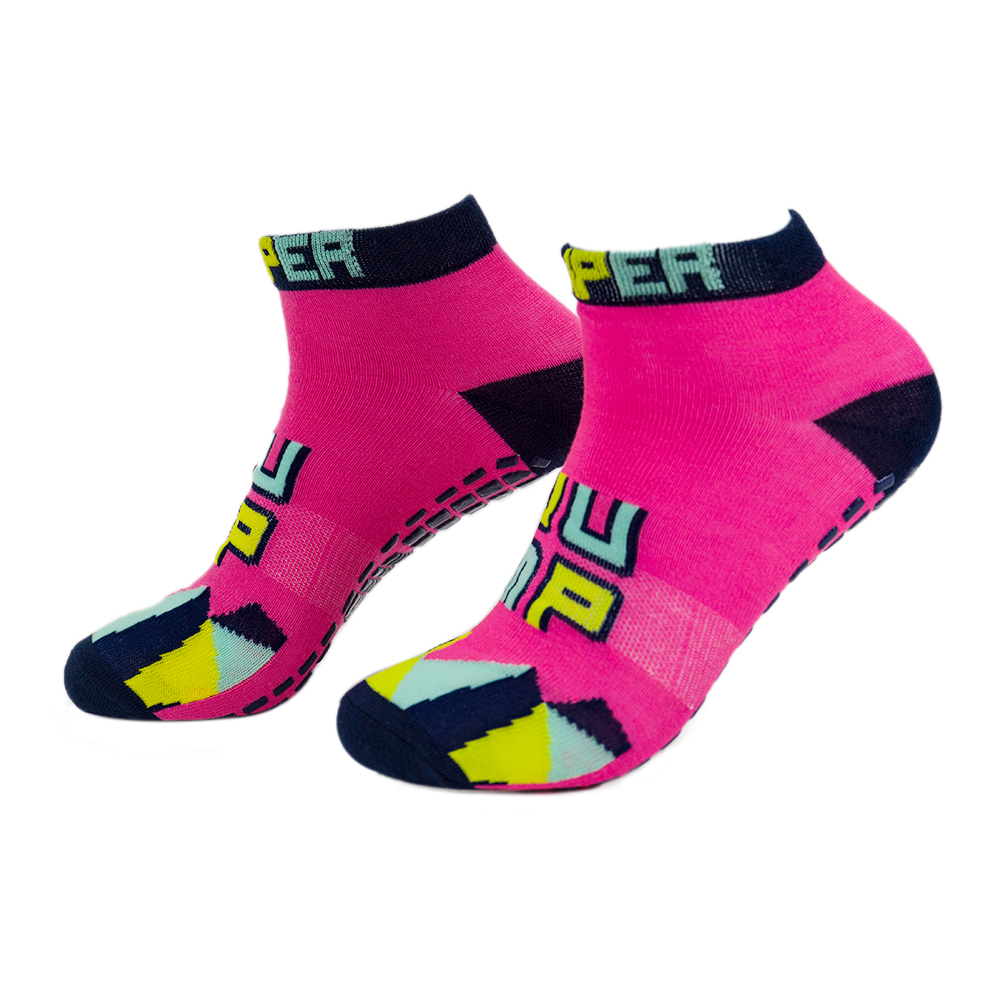 Trampoline Socks
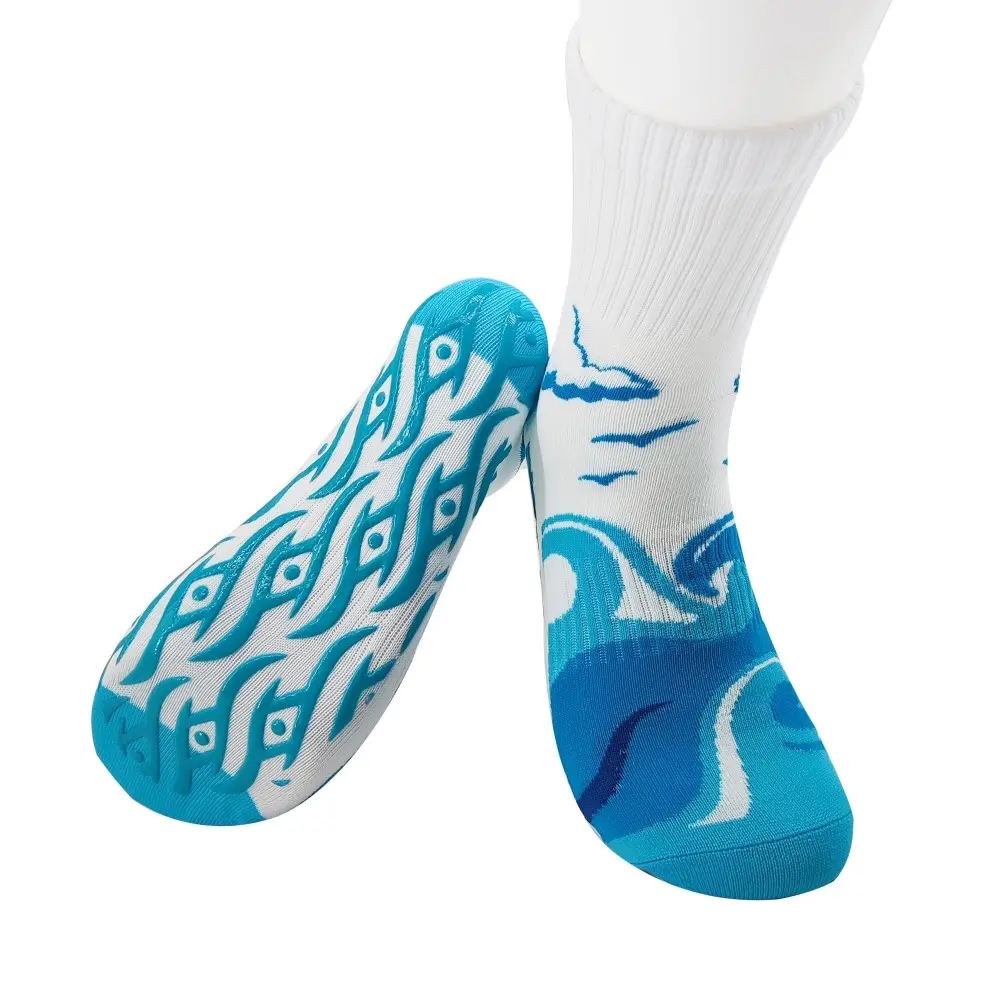 Aqua Park Socks
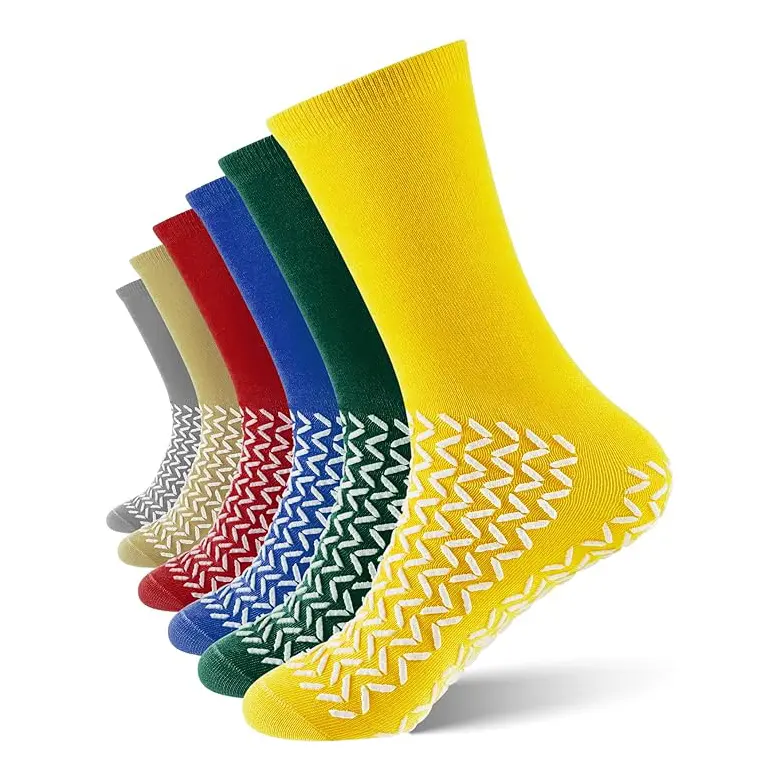 Hospital Slipper Socks
 Grip Football Socks
 Basketball Socks
 Badminton Socks
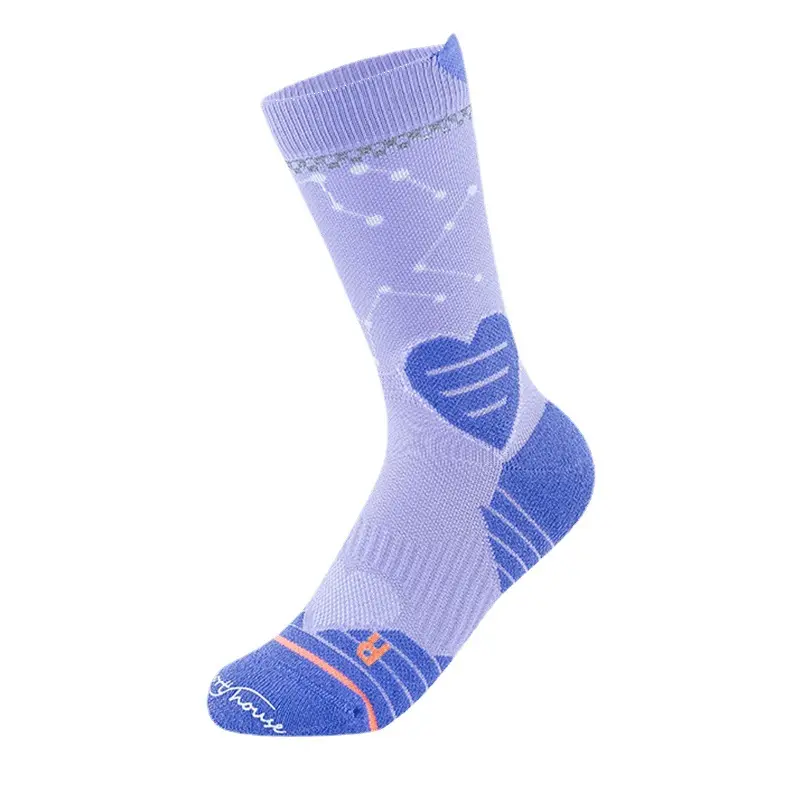 Cycling Socks
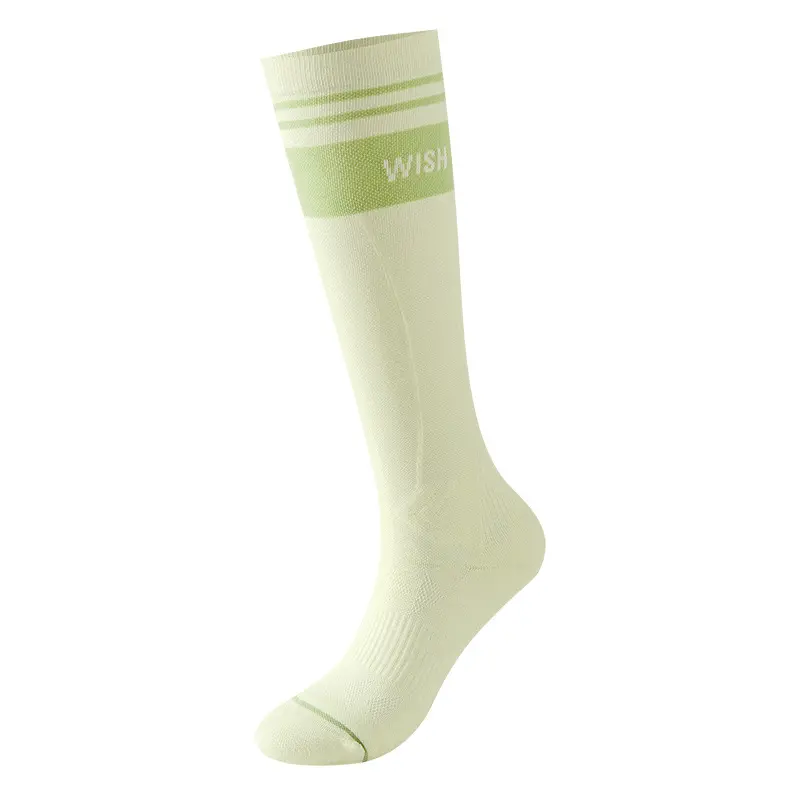 Running Socks
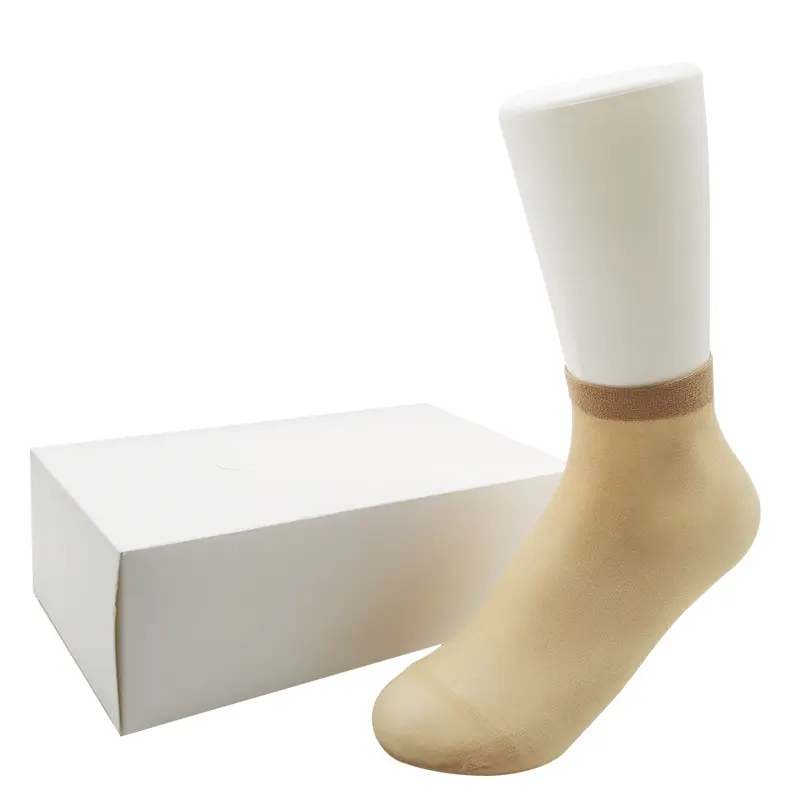 Disposable Socks Bowling Alley Socks
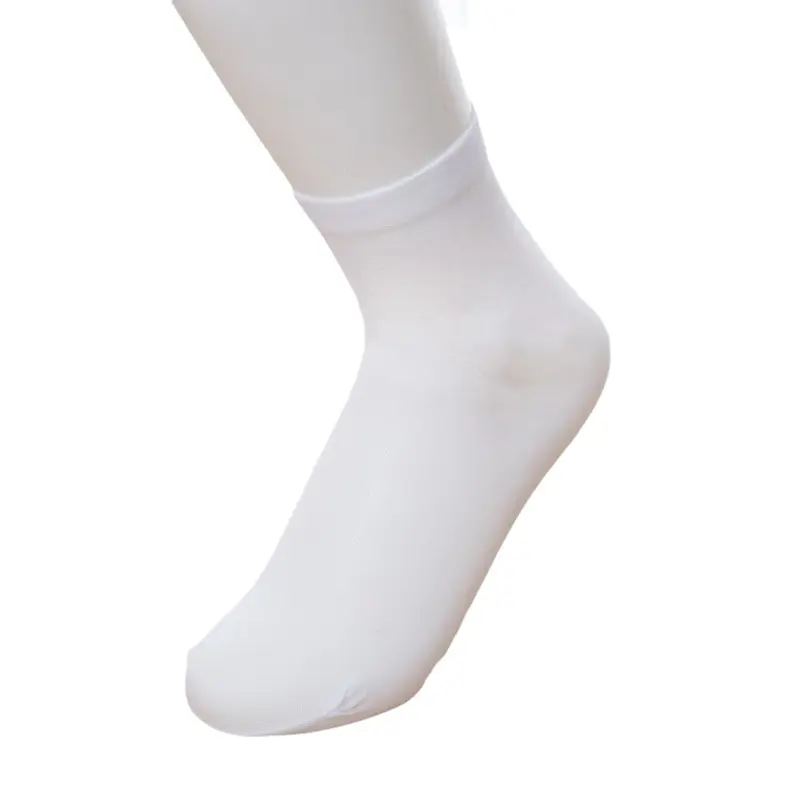 Disposable socks
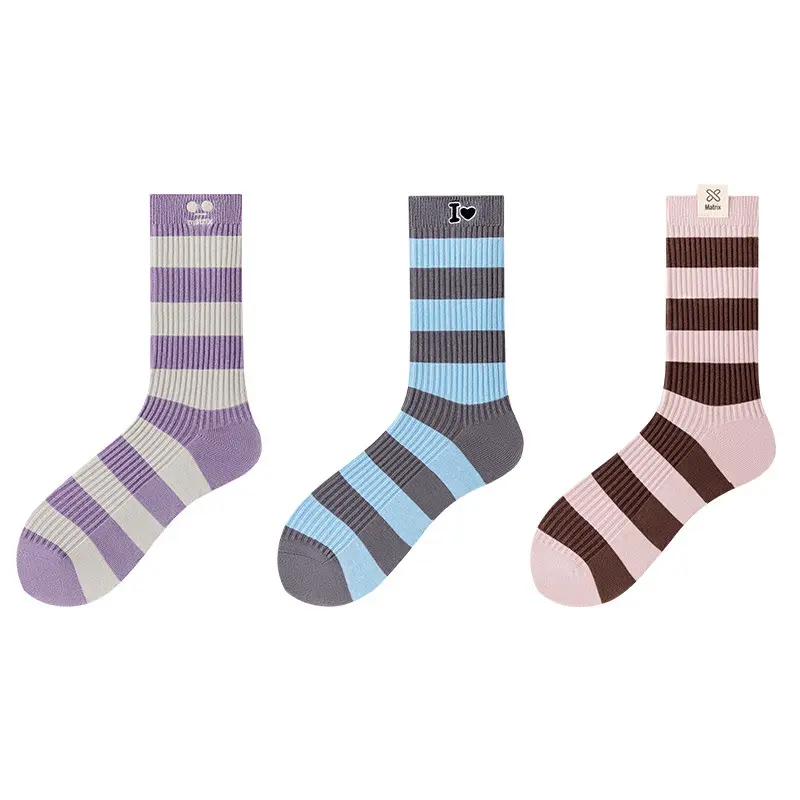 Warm Colorful Striped Crew Socks for Women
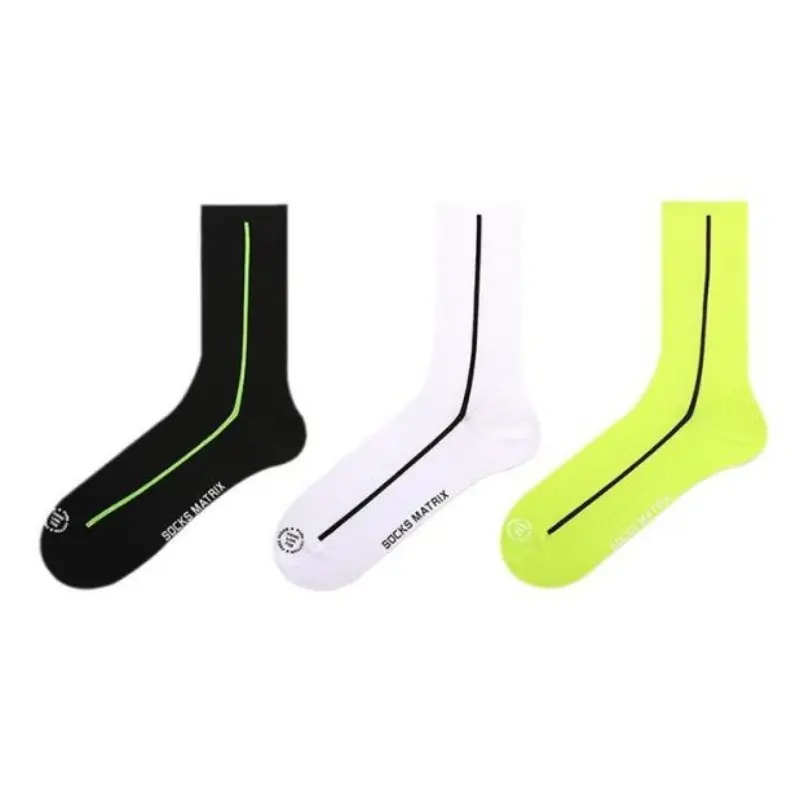 Custom Unisex Crew Socks Breathable Socks
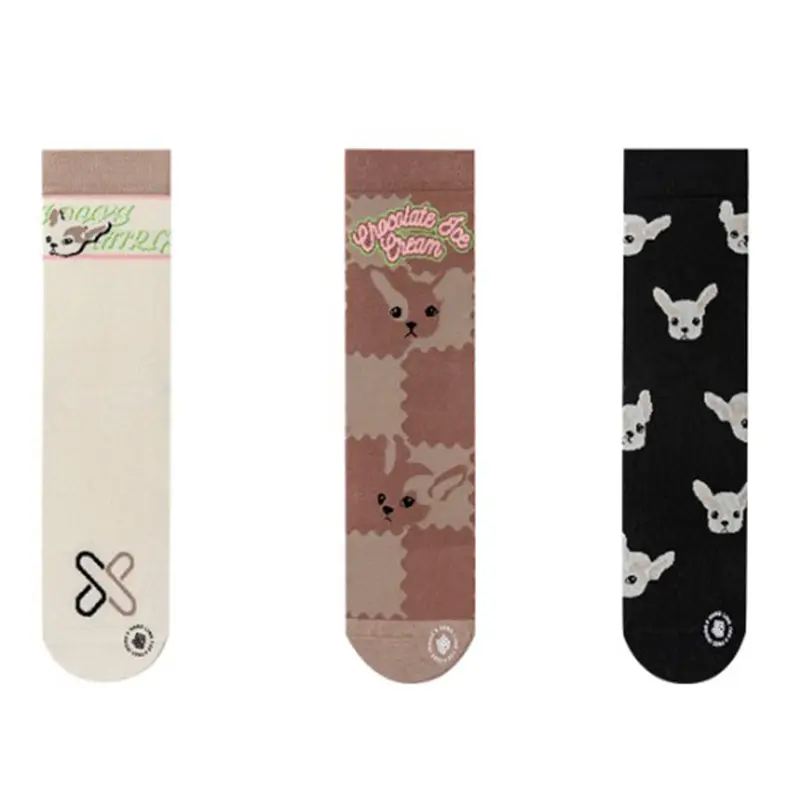 Digital Printing Vintage Crew Socks
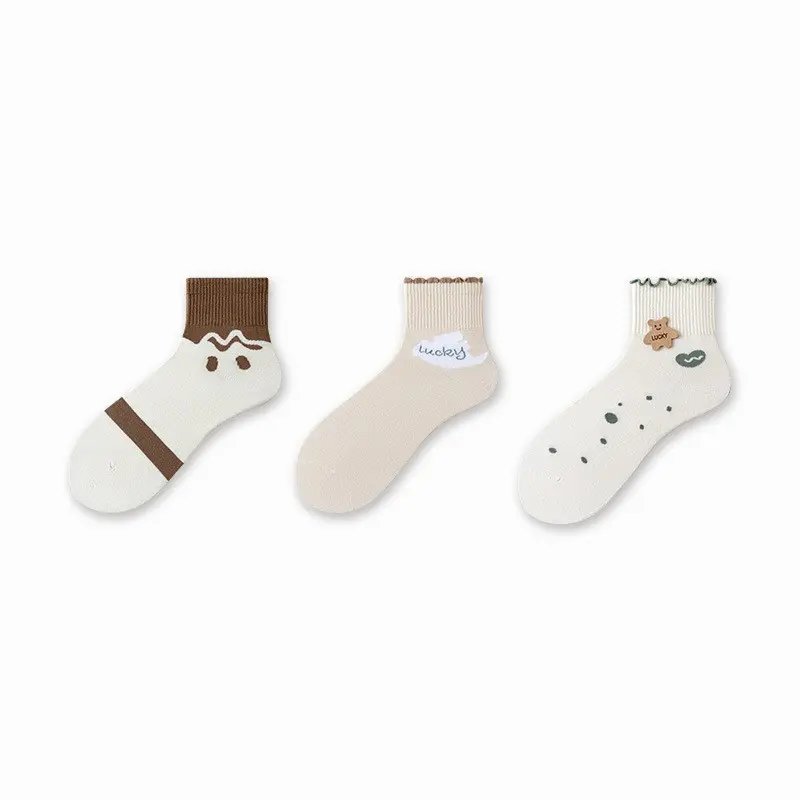 Animal Fuzzy Cartoon Crew Socks for Women
 Cotton Flower Ankle Socks Low Cut Socks
 Thick Christmas Festival Crew Socks
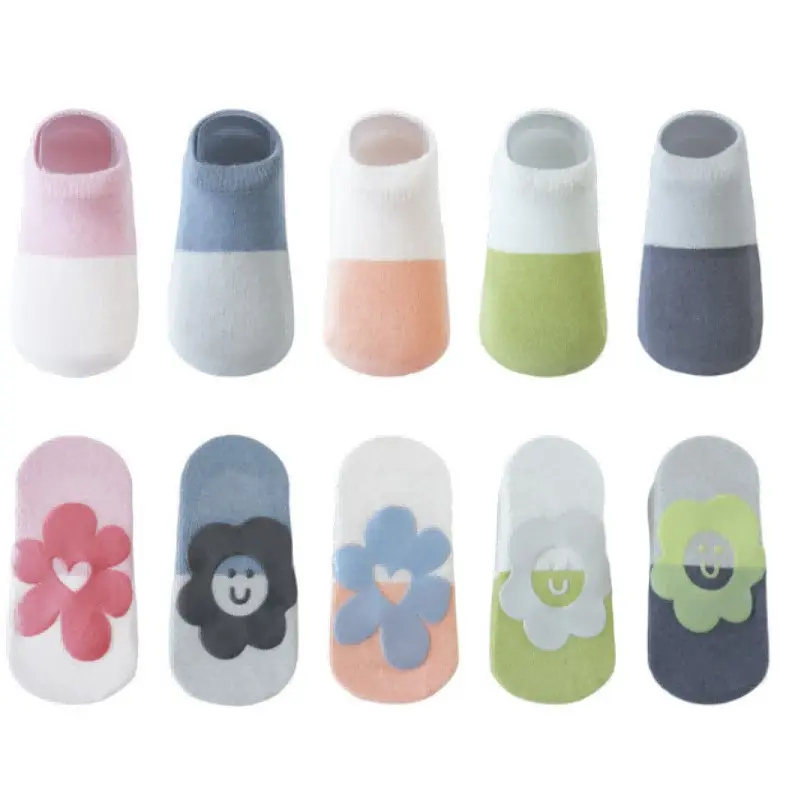 Cotton Cute Anti Slip Baby Ankle Socks with Cartoon
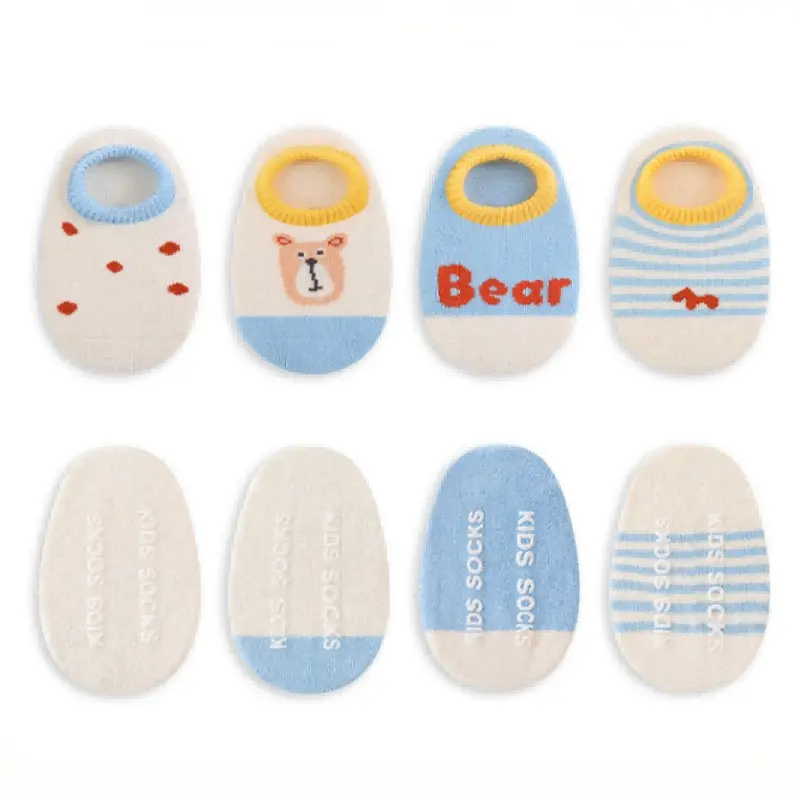 Colorful Soft Baby Socks Anti-slip
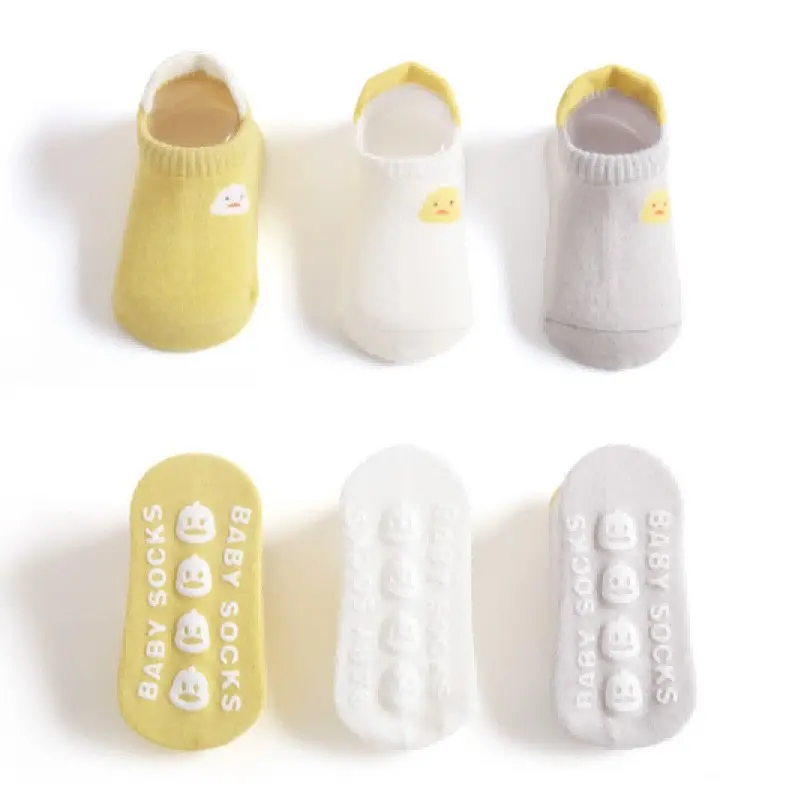 Non Slip Soft Ankle Baby Toddlers Socks
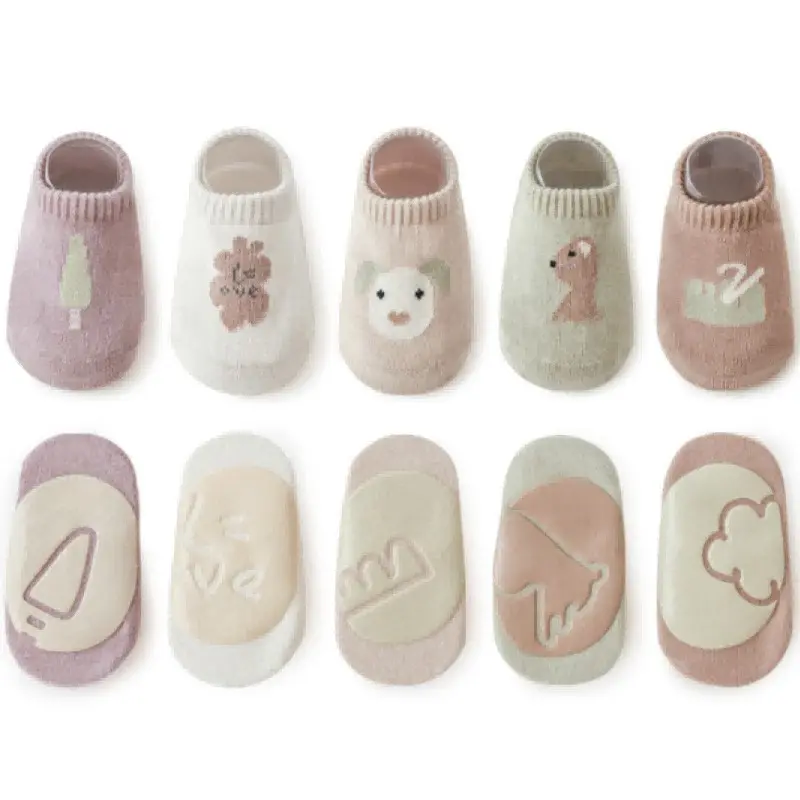 Cartoon Baby Socks With Grips Crew Walking Socks
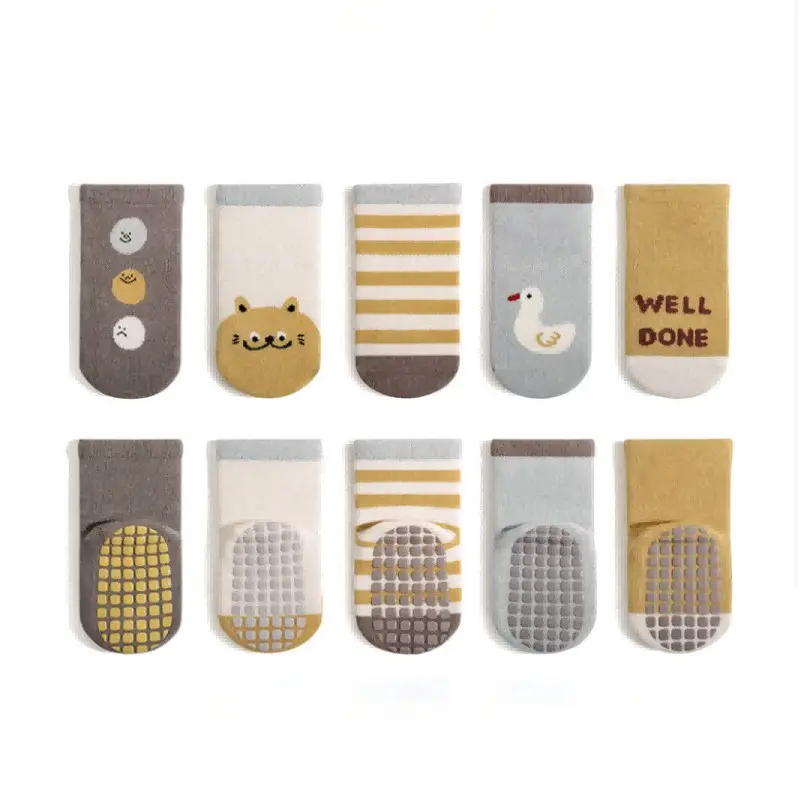 Baby Socks Floor Grip Mid-tube Socks with Cartoon