
 Trampoline Socks
 Aqua Park Socks
 Hospital Slipper Socks
 Grip Football Socks
 Basketball Socks
 Badminton Socks
 Cycling Socks
 Running Socks
 Disposable Socks Bowling Alley Socks
 Disposable socks
 Warm Colorful Striped Crew Socks for Women
 Custom Unisex Crew Socks Breathable Socks
 Digital Printing Vintage Crew Socks
 Animal Fuzzy Cartoon Crew Socks for Women
 Cotton Flower Ankle Socks Low Cut Socks
 Thick Christmas Festival Crew Socks
 Cotton Cute Anti Slip Baby Ankle Socks with Cartoon
 Colorful Soft Baby Socks Anti-slip
 Non Slip Soft Ankle Baby Toddlers Socks
 Cartoon Baby Socks With Grips Crew Walking Socks
 Baby Socks Floor Grip Mid-tube Socks with Cartoon




Beyond Cotton and Elastic – The High-Tech Revolution Transforming the Sock Industry
From Chronic Disease Prevention to Next‑Level Athletic Insight
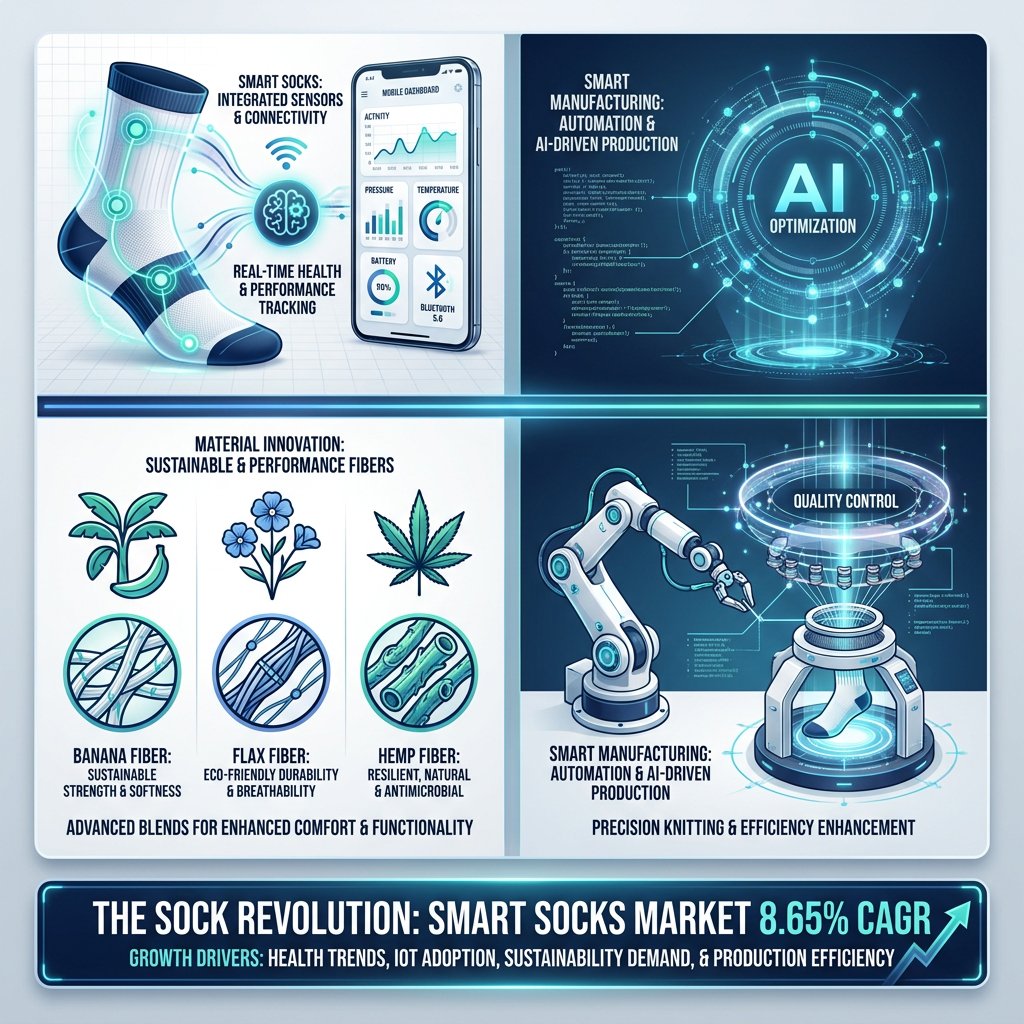
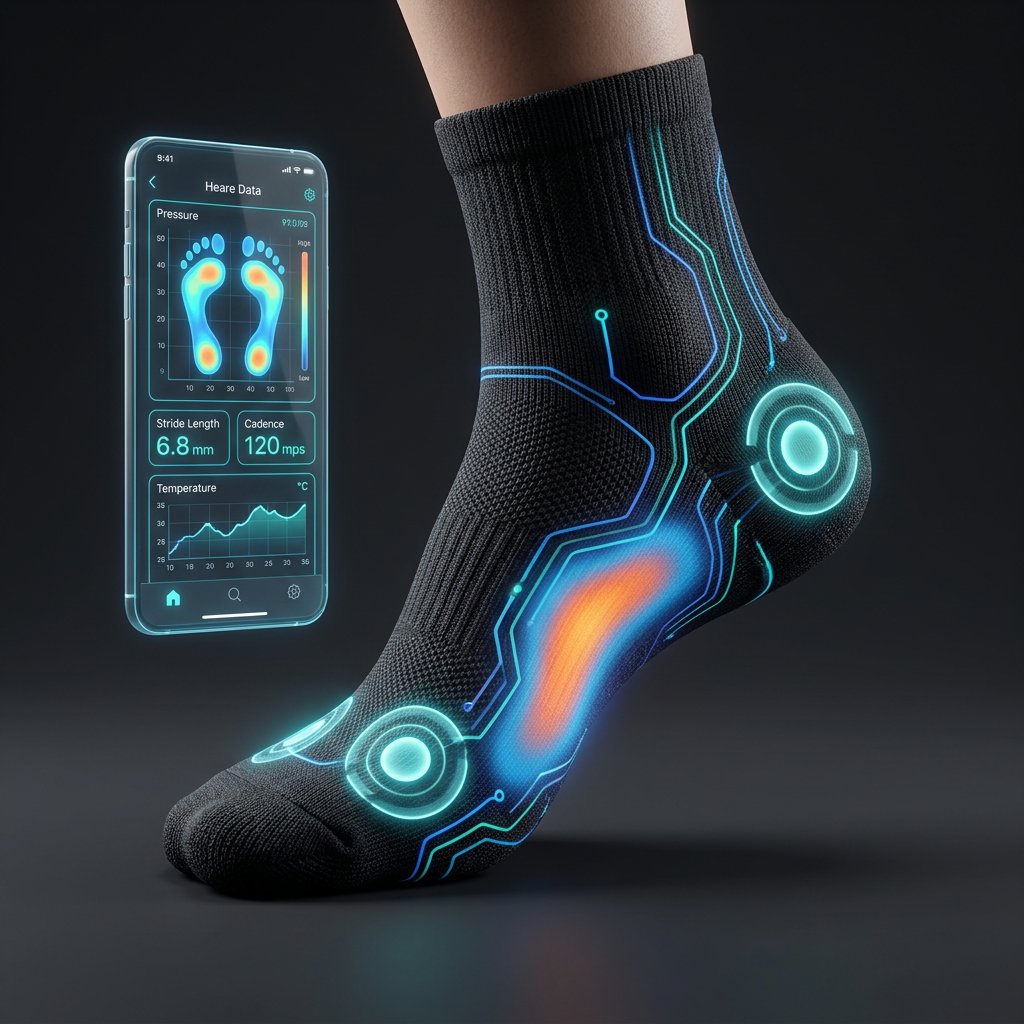
Among the most transformative applications are socks equipped with flexible sensors that capture gait patterns, plantar pressure distribution, temperature, and motion without impeding everyday movement. This marks a paradigm shift from episodic clinical assessments to continuous, passive health monitoring.
For patients with diabetes, where over 30 million Americans live with the condition and approximately 25 percent will experience a foot ulcer in their lifetime — a leading precursor to amputation — smart sock technology offers a potential lifeline. Remote biometric monitoring via embedded sensors provides continuous temperature data, enabling early detection of foot ulcers and timely intervention, which may significantly reduce lower‑extremity amputation risk.
Swiss startup MYNERVA, an ETH Zurich spin‑off, has developed a smart sock named Leia with electrodes woven into the fabric. The device restores foot‑sole sensation in individuals with diabetic neuropathy — who have lost the ability to feel the ground — while also reducing chronic pain through targeted nerve stimulation. The socks use AI to tailor electrical stimulation for each user and are planned for a US soft launch in 2027.
Advanced dual‑mode textile sensing systems now achieve an ultra‑broad linear pressure sensing range of up to 800 kPa, enabling reliable spatiotemporal mapping of plantar pressure without dense sensor arrays. This same technology is being adapted for prosthetic sockets and AI‑powered fall detection for elderly populations.
In sports, smart socks are being integrated into biofeedback‑enabled compression gear — such as Performance Socks for football players showcased by Hong Kong Polytechnic University's School of Fashion and Textiles — that combine novel knitting structures and embedded interactive technology to support, protect, and sense the body, advancing performance and preventing injury. Fitness tracking socks with Bluetooth connectivity and real‑time feedback are gaining traction among athletes, while collaborations between technology companies and sportswear manufacturers expand application possibilities.
The integration of textile pressure sensors directly into industrial knitting processes — treating sensors as structural elements rather than add‑ons — ensures smart socks maintain durability for high‑performance sports while delivering stable, consistent data collection.
Sustainable and Functional Materials: Beyond the Fibre
The second technological frontier lies in material innovation, where researchers are moving beyond traditional cotton and synthetic blends toward eco‑friendly and performance‑enhancing alternatives.
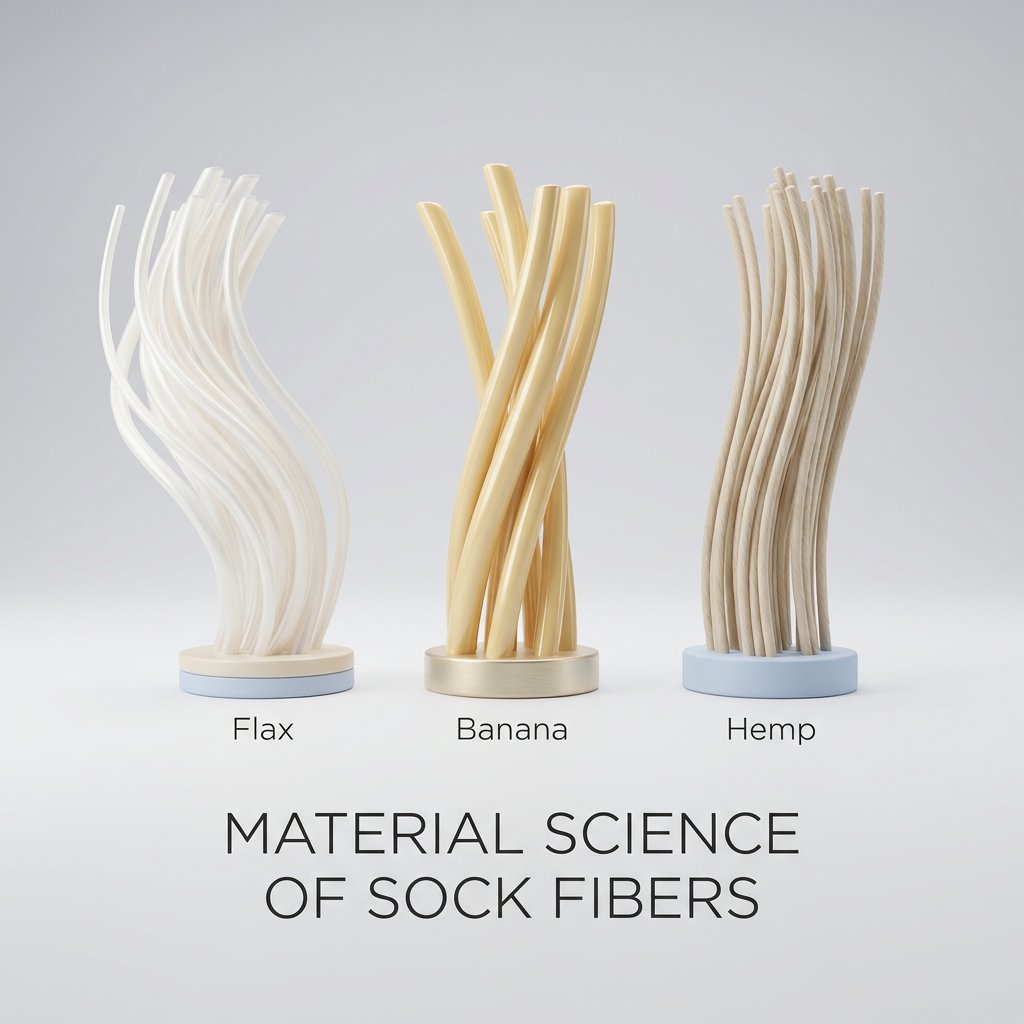
A 2026 study published in Scientific Reports explored multifunctional socks using bast fibres — banana, flax, and hemp — blended with cotton. Each fibre brought distinct advantages: flax‑blended socks exhibited superior strength and air permeability; banana fibres offered excellent moisture management and UV protection; and hemp fibres delivered better abrasion resistance. Antibacterial performance was qualitatively superior in blended samples compared to pure cotton controls.
Industry has embraced high‑performance fibres such as CoolMax® polyester for rapid moisture wicking, merino wool for all‑weather performance and natural odour control, and bamboo blends for breathability and softness. Advanced antimicrobial technologies using silver and copper ions, embedded either during fibre spinning or through finishing treatments, provide sustained antibacterial efficacy — with top‑tier products maintaining effectiveness after 50 wash cycles.
Recycled and upcycled materials are also mainstreaming. Textile manufacturers are increasingly incorporating GOTS‑certified organic cotton, recycled polyester from post‑consumer plastic bottles, and regenerated nylon to meet consumer demand for eco‑friendly products. Cotton recycling leaders are launching ready‑to‑use recycled cotton yarns, while upcycled Italian wool scraps are being transformed into new sock products.
Precision Engineering and Smart Manufacturing
The third pillar is manufacturing innovation. AI is increasingly integrated into sock production, with platforms offering AI‑driven design generation, pattern creation, and automated quality control, significantly reducing lead times and enabling shorter, custom runs without sacrificing consistency. Fully automated production lines featuring robotic systems, integrated knitting, and AI‑based inspection are pushing toward Industry 5.0 standards.
Advanced high‑needle‑count machines (from 56 to 320 needles) enable complex textures, seamless toe construction, and targeted cushioning zones, while facilitating the integration of conductive yarns and sensors into everyday hosiery.

The Future Trajectory
Socks are evolving from passive garments into active tools for health management, athletic optimisation, and sustainable living. With the global smart socks market expected to nearly double by 2032, and material innovations unlocking new functionalities, the industry is poised for a decade of unprecedented transformation.