
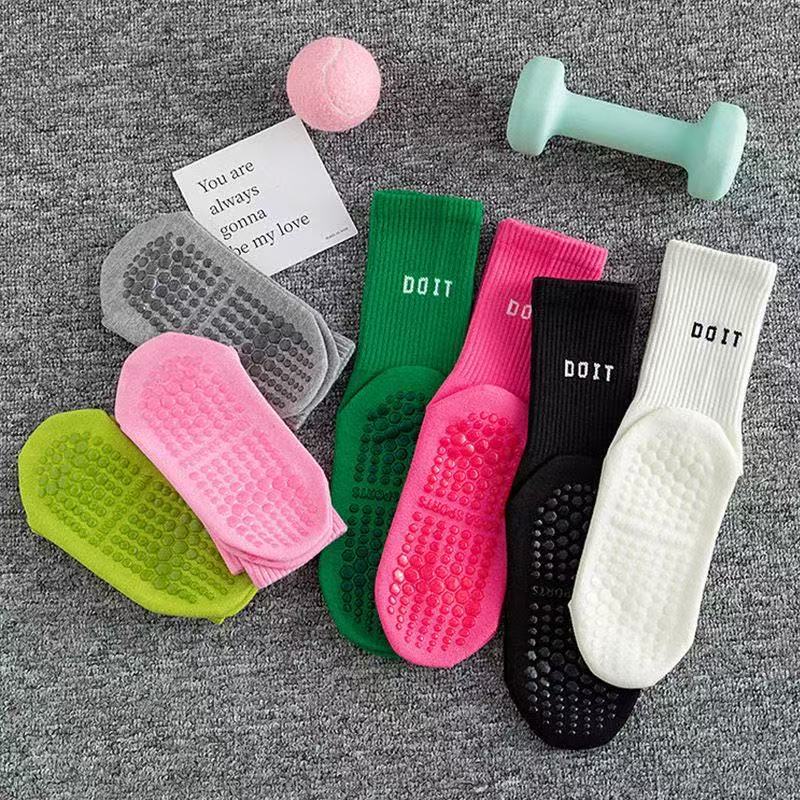
 Trampoline Socks
 Aqua Park Socks
 Hospital Slipper Socks
 Grip Football Socks
 Basketball Socks
 Badminton Socks
 Cycling Socks
 Running Socks
 Disposable Socks Bowling Alley Socks
 Disposable socks
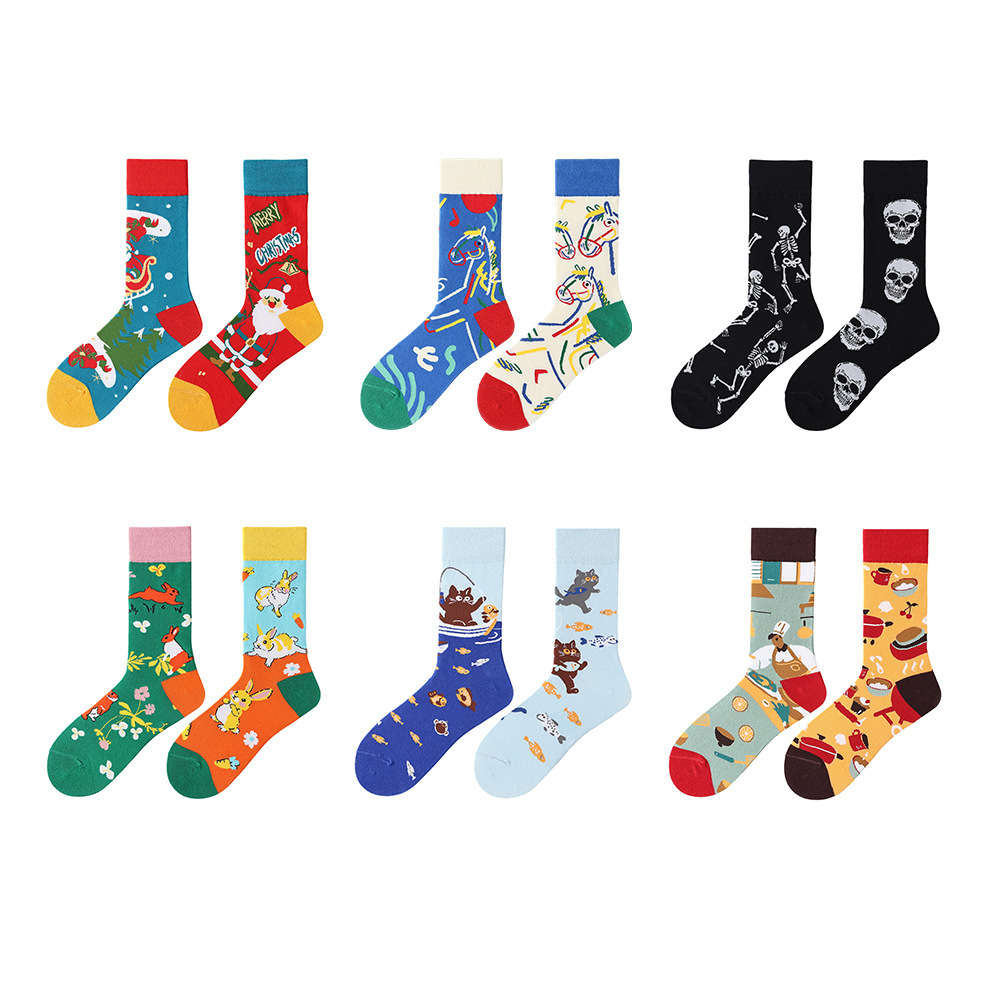
 Warm Colorful Striped Crew Socks for Women
 Custom Unisex Crew Socks Breathable Socks
 Digital Printing Vintage Crew Socks
 Animal Fuzzy Cartoon Crew Socks for Women
 Cotton Flower Ankle Socks Low Cut Socks
 Thick Christmas Festival Crew Socks
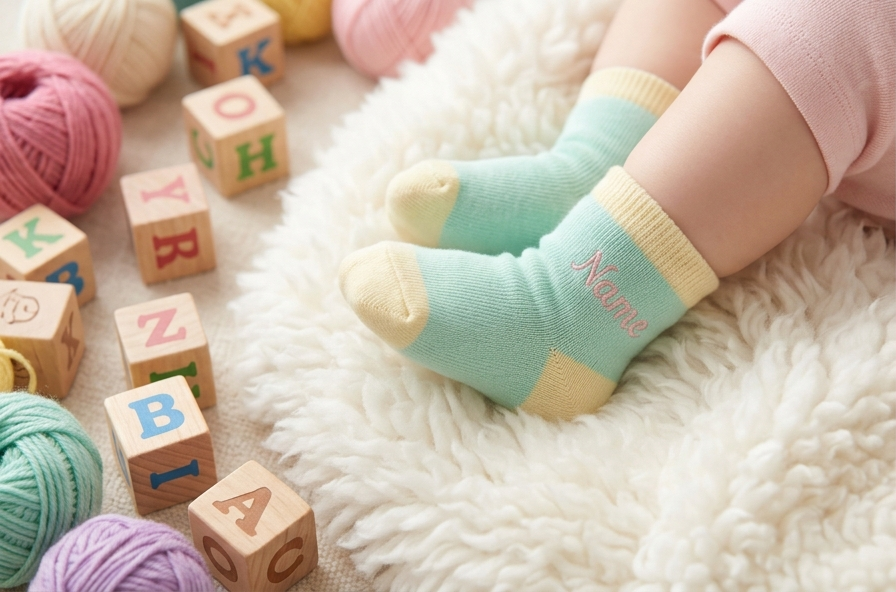
 Cotton Cute Anti Slip Baby Ankle Socks with Cartoon
 Colorful Soft Baby Socks Anti-slip
 Non Slip Soft Ankle Baby Toddlers Socks
 Cartoon Baby Socks With Grips Crew Walking Socks
 Baby Socks Floor Grip Mid-tube Socks with Cartoon




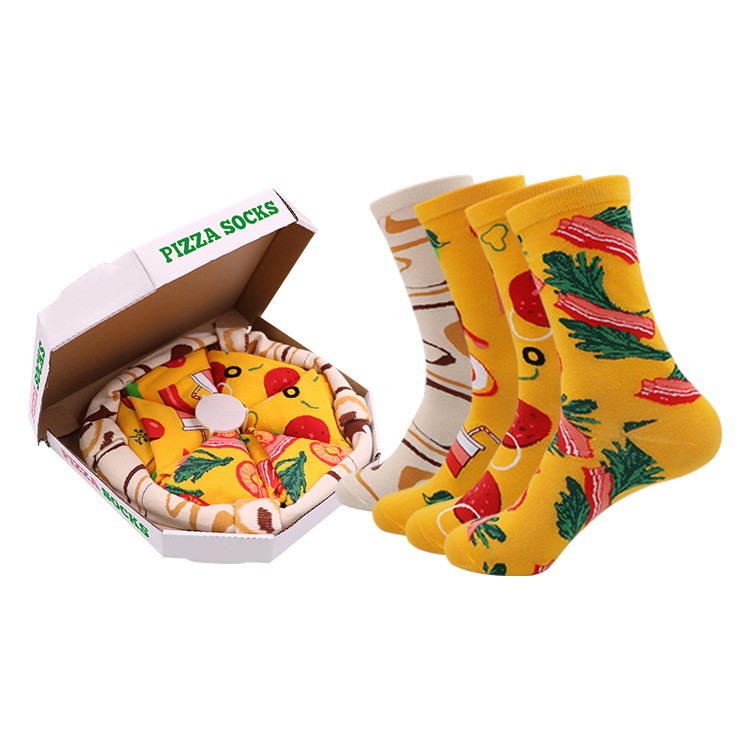
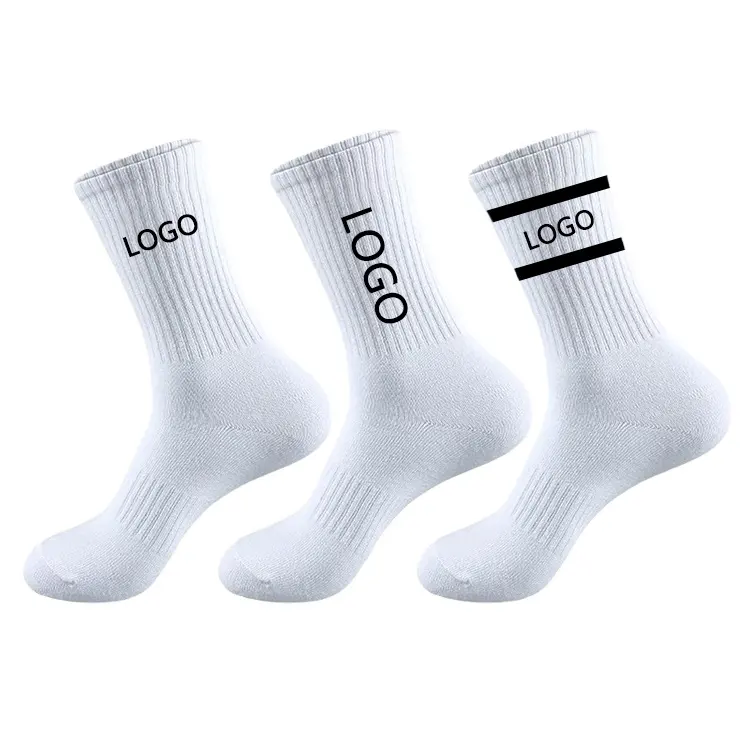
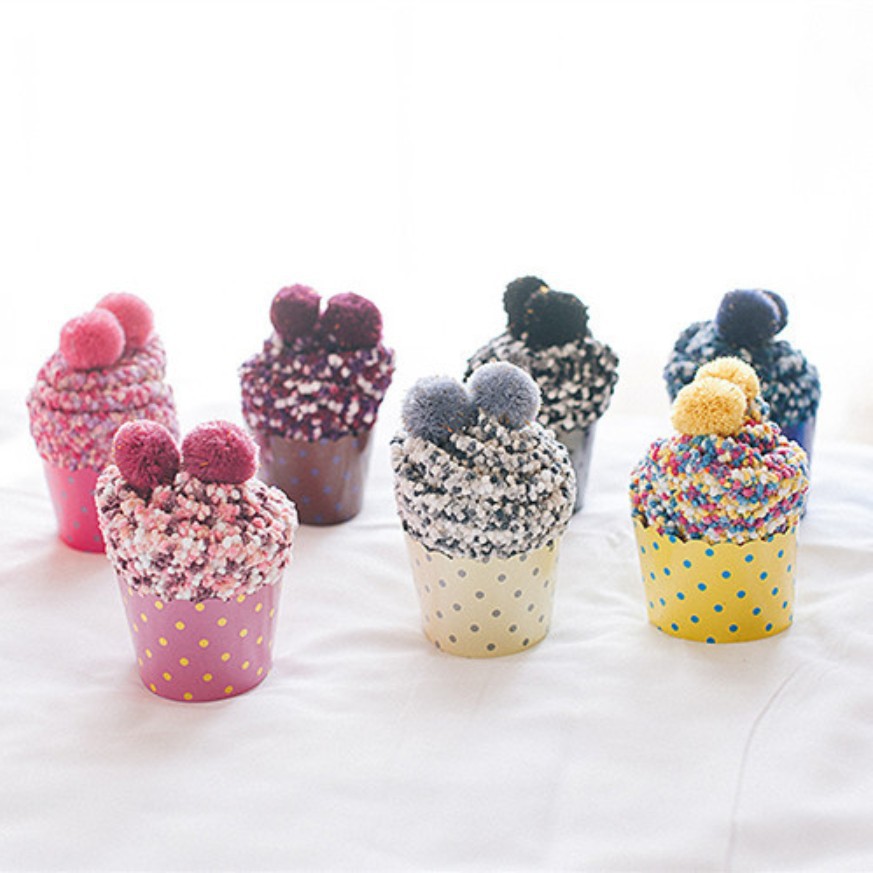
The Little White Sock That Does Big Things – Why Disposable Socks Are Everywhere
From luxury hotel rooms to airport security lines, from podiatrist clinics to shoe stores, Disposable Socks solve a simple but universal problem: how do you keep feet clean and safe when sharing spaces, surfaces, or footwear?
The Many Faces of the Disposable Sock
What we call "disposable" actually covers several distinct categories, each serving a different industry.
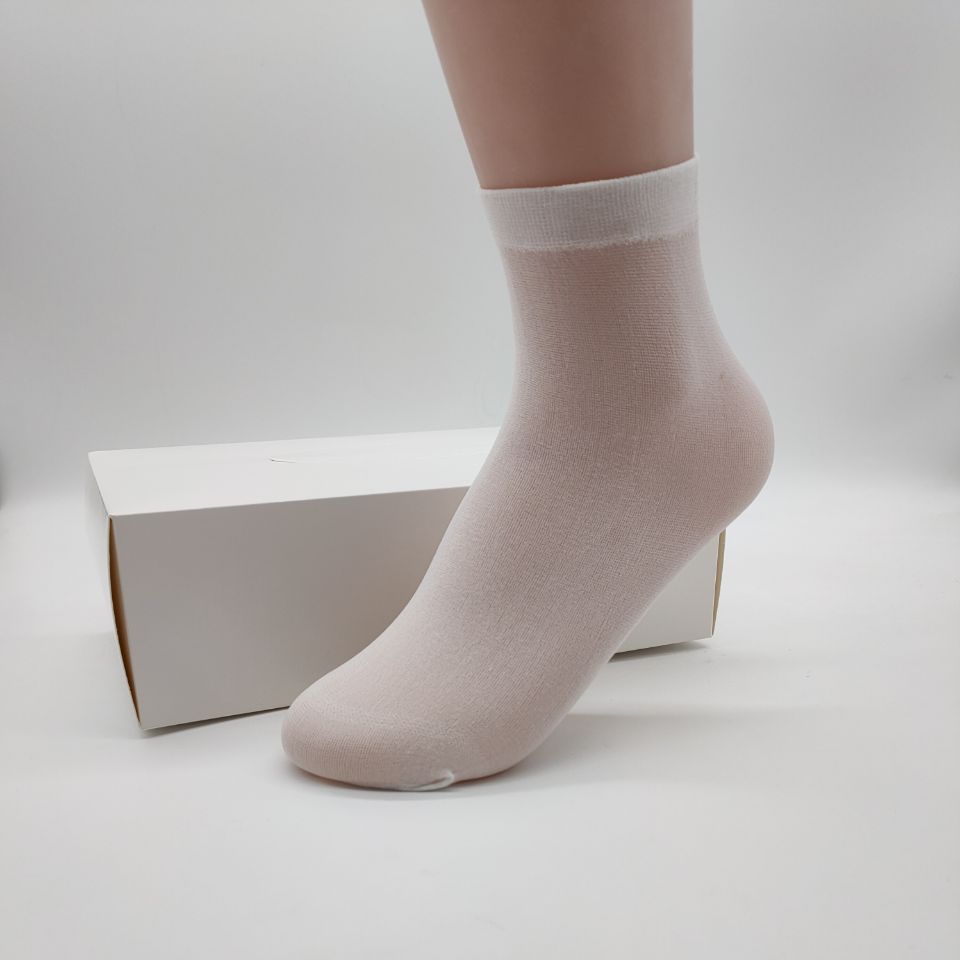
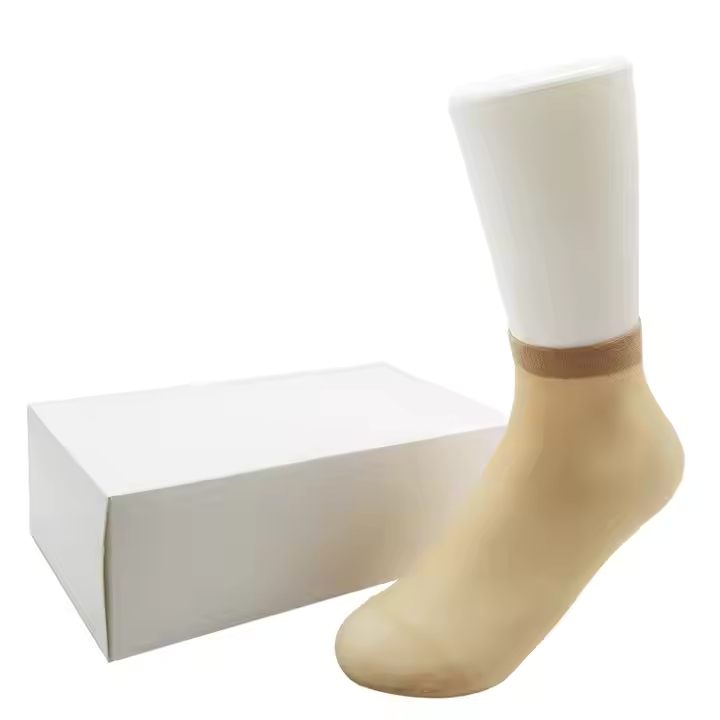
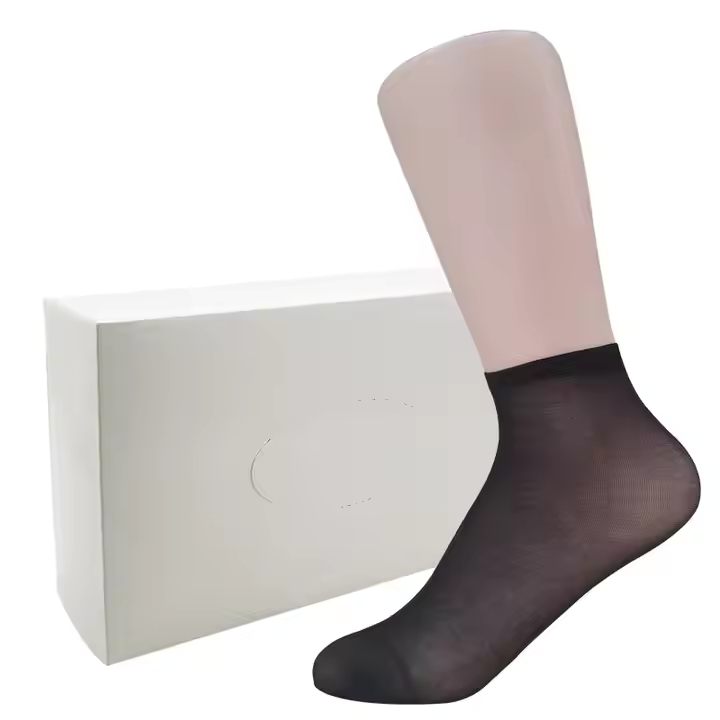
Hygiene Socks are the most common. These are the thin, often sheer socks provided in spas, nail salons, and medical offices. A client trying on compression hosiery? A patient removing shoes for a foot exam? A visitor entering a sterile wellness center? A fresh pair of hygiene socks creates an instant barrier between skin and shared surfaces. They signal cleanliness and professionalism.
Complimentary Socks take the same concept and dress it up. Found in first-class amenity kits, high-end hotel nightstands, and even some airline lounges, these socks are meant to be used once and either discarded or kept as a souvenir. They are soft, often branded, and designed to make a guest feel cared for. For the hotel, a pair of complimentary socks costs pennies. For the guest, it's a moment of unexpected comfort on a long journey.
Promotional Socks are the marketing cousin of the disposable sock. Companies, clinics, and event organizers print logos or messages on lightweight socks and give them away at trade shows, health fairs, or product launches. A branded Anti Slip Sock given to a trade show attendee becomes a walking billboard — and a useful one at that.
Medical and Clinical Applications
In healthcare settings, disposable socks take on a more serious role. Medical Socks and Clinical Socks designed for single or limited use are increasingly common in hospitals, rehabilitation centers, and nursing homes.
Why disposable? Infection control. Reusable textiles can harbor bacteria, fungi, and viruses even after industrial laundry. For immunocompromised patients or during outbreak protocols, a fresh pair of disposable hygiene socks reduces cross-contamination risks.
Some medical disposable socks now incorporate Anti Slip Socks technology — silicone dots or gripper stripes on the sole. This turns a simple disposable product into a fall prevention device. A patient walking to the bathroom in a hospital gown and a pair of anti-slip disposable socks is significantly less likely to slip on a waxed floor than one wearing standard smooth-bottom socks.
The Retail and Travel Workhorses
Walk into any shoe store. See that little plastic bench with a box of thin white socks? Those are Disposable Socks for try-ons. Customers slip them on, test three or four pairs of shoes, then toss them. The store protects its inventory from sweat and odors. The customer avoids direct contact with shoes that dozens of others have tried.
Airport security checkpoints in some countries now offer disposable socks to passengers who must remove their shoes. Long-haul flight amenity kits include them for overnight comfort. Even yoga and Pilates studios sometimes provide disposable grip socks for drop-in clients who forgot their own.
Environmental Concerns and Innovation
The word "disposable" raises legitimate environmental questions. The industry is responding. Biodegradable disposable socks made from plant-based fibers (bamboo, cornstarch-based PLA) are entering the market. Some manufacturers now offer compostable options certified for industrial composting facilities.
Recycled materials are also appearing. Post-consumer plastic bottles turned into polyester yarns, then woven into lightweight disposable socks. The product remains single-use, but the carbon footprint shrinks.
The Bottom Line
Disposable Socks — whether labeled Hygiene Socks, Complimentary Socks, Promotional Socks, or Medical Socks — serve a simple purpose: clean, convenient, temporary foot coverage. They protect customers, patients, and guests. They make shared spaces more sanitary. And with new eco-friendly materials, they are becoming a little less guilty.
So next time you slip on a thin white sock in a shoe store or find a pair in a hotel bathroom, remember: that little sock is doing a surprisingly big job.